
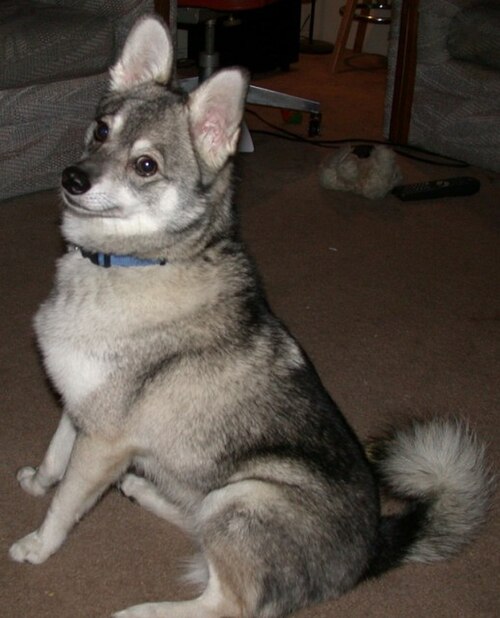
 Photo: Gnuyen · CC BY-SA 3.0
dog breed · 927 on Animalso
Alaskan Klee Kai: American Companion Spitz
- Animal
- Dog
- Origin
- United States
- Life expectancy
- 13 years
The Alaskan Klee Kai is a spitz-type dog from the United States. Developed in the late 20th century, it was bred as a companion-sized dog resembling the larger Alaskan Malamute and Siberian Husky. Adults come in toy, miniature, and standard sizes, with a recorded weight range of 5 to 22 pounds and a life expectancy of 13 years.
What it is
The Alaskan Klee Kai is an American spitz-type dog developed as a companion-sized breed. Its appearance was shaped to resemble the larger Alaskan Malamute and Siberian Husky.
The breed comes from the United States and was developed in the late 20th century.
Getting to know the breed
Alaskan Klee Kai are bred in three size types: toy, miniature, and standard. Adult weight varies with the type, ranging from 5 to 22 pounds.
The breed is described as energetic and intelligent, with an appearance linked to its northern heritage.
Notable traits
Its companion-sized purpose sets it apart from the larger northern breeds it resembles.
The three size types give the breed a range of adult sizes, while its spitz form keeps the northern-breed look.
Points to weigh
An Alaskan Klee Kai is not one fixed adult size. Toy, miniature, and standard dogs can differ substantially in weight.
Its stated purpose is companionship, so people seeking a breed developed for a specific working task should compare other dog breeds.
Pricing
Developed in the United States, the Alaskan Klee Kai was intended as a smaller companion dog.
Who may want another breed
Skip this breed if you want one predictable adult size or a dog developed for a named working role. Browse dog breeds from the United States to compare other options.
Verdict
The Alaskan Klee Kai fits readers looking for a U.S.-developed companion dog with northern-breed looks and a choice of three size types. Its recorded lifespan is 13 years, and adult weight depends on the size category.
What stands out
- Bred specifically as a companion-sized dog.
- Available in toy, miniature, and standard size types.
- Northern look influenced by Alaskan Malamute and Siberian Husky.
- Recorded life expectancy is 13 years.
Worth knowing
- Three size types mean adult size is not uniform.
- Its defined role is companionship rather than a named working task.
- Adult weight varies by size category.
Suits
- People seeking a U.S.-developed companion dog.
- Readers drawn to northern spitz-type appearance.
- Homes considering different size categories.
Think twice if
- You need one predictable adult size.
- You want a breed developed for a specific working role.
- You are looking for a breed from another country.
In short
Choose the Alaskan Klee Kai if you want a United States breed created for companionship and you like the look of an Alaskan Malamute or Siberian Husky in a smaller format. The three size categories matter: adult dogs do not share one standard weight. Its recorded lifespan is 13 years. Consider another breed if your priority is a single predictable size or a clearly stated working purpose rather than companionship.
Questions
Where does the Alaskan Klee Kai come from?
It originated in the United States.
What was the Alaskan Klee Kai bred for?
It was developed as a companion-sized dog.
Which breeds does it resemble?
Its appearance resembles the larger Alaskan Malamute and Siberian Husky.
How many sizes does the breed have?
The breed is bred in three sizes: toy, miniature, and standard.
How much does an adult Alaskan Klee Kai weigh?
Recorded adult weight ranges from 5 to 22 pounds, depending on size type.
How long does an Alaskan Klee Kai live?
Its recorded life expectancy is 13 years.
When was the breed developed?
It was developed in the late 20th century.
More dog breeds from United States
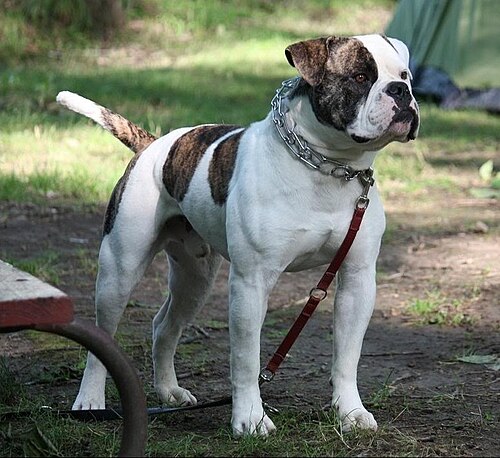 American Bulldog United States Lives 10 yrs Photo: Bully Rascalz · Copyrighted free use
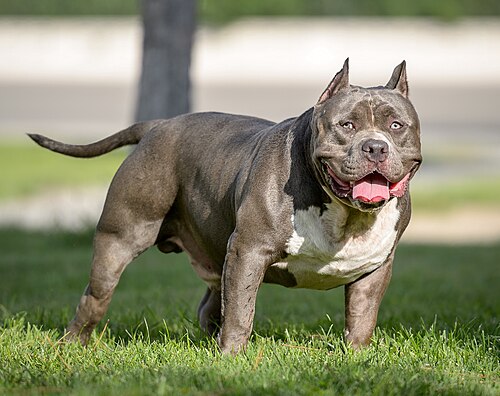
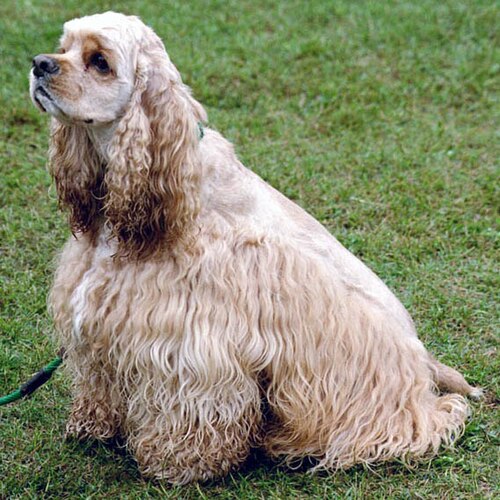
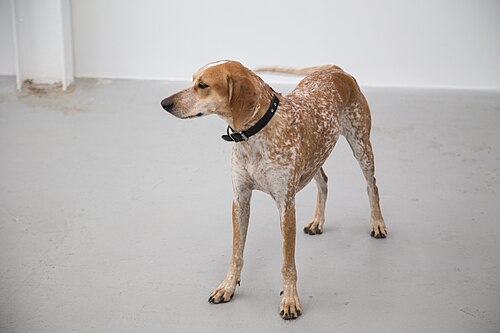
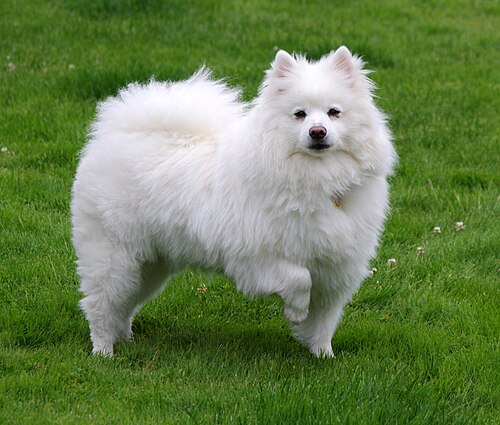
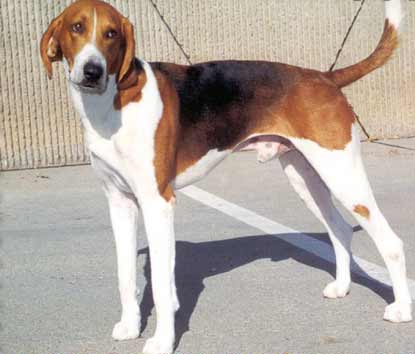
Photo credits9 photographs on this page
- Alaskan Klee Kai — Gnuyen · CC BY-SA 3.0 · file page
- Alapaha Blue Blood Bulldog — Mjrustline · CC BY-SA 3.0 · file page
- American Akita — Edwin Campos · CC0 · file page
- American Bulldog — Bully Rascalz · Copyrighted free use · file page
- American Bully — Juan. botti · CC BY-SA 3.0 · file page
- American Cocker Spaniel — Wikimedia Commons contributor · CC BY-SA 3.0 · file page
- American English Coonhound — BurnAway · CC BY 2.0 · file page
- American Eskimo Dog — Christmas w/a K · CC BY-SA 2.0 · file page
- American foxhound — Wikimedia Commons contributor · CC BY-SA 3.0 · file page
Photographs come from Wikimedia Commons under the licence each one names. How Animalso credits photographs.