
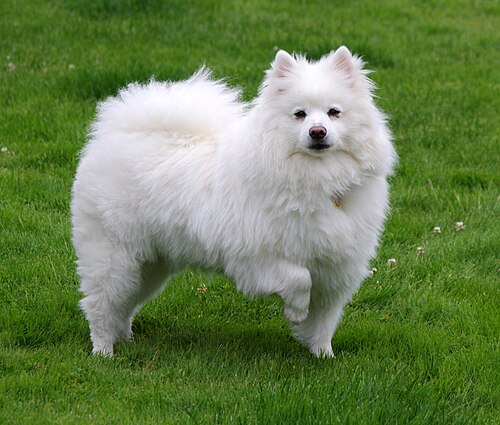
 Photo: Christmas w/a K · CC BY-SA 2.0
dog breed · 927 on Animalso
American Eskimo Dog
- Animal
- Dog
- Origin
- United States
- Life expectancy
- 12 years
The American Eskimo Dog is a United States dog breed descended from German Spitz. It belongs to the Spitz family and was developed as a companion. Its recorded roles also include watchdog work and circus performance. The listed life expectancy is 12 years.
What it is
The American Eskimo Dog is a companion dog from the United States. It belongs to the Spitz family and traces its progenitors to German Spitz.
Origins and name
The breed's recorded origin is the United States. During the First World War, anti-German feeling led to the name “American Eskimo Dog.”
Recorded roles
This breed has served as a companion and watchdog. In the United States, it also became popular as a circus performer during the 1930s and 1940s.
A related breed is not the same
Modern American Eskimo Dogs have been exported as German Spitz Gross, but the breeds have diverged and their standards are significantly different.
Pricing
The breed is described as a companion dog, with watchdog and circus-performer roles also recorded.
Who should skip it
Its history includes German Spitz progenitors, a wartime renaming, and divergence from German Spitz Gross.
Verdict
Consider the American Eskimo Dog if its documented history fits what you want: a Spitz-family companion with watchdog and circus roots. Its recorded lifespan is 12 years. Keep its German Spitz ancestry and the later split between the breeds in mind when comparing breed descriptions. For other dogs from its recorded country of origin, see dog breeds from the United States.
What stands out
- Bred as a companion dog
- Spitz-family breed with German Spitz ancestry
- Recorded watchdog role
- Circus performer popularity in the 1930s and 1940s
- Listed life expectancy of 12 years
Worth knowing
- Standards differ from German Spitz Gross
- Its name changed during anti-German sentiment in World War I
- The breed’s documented origin and ancestry are described differently
Suits
- Readers seeking a United States companion breed
- Those interested in Spitz-family history
- People drawn to watchdog and circus roots
Think twice if
- You need a breed profile with documented owner-fit guidance
- You are specifically seeking German Spitz Gross standards
In short
The American Eskimo Dog offers a clearly recorded identity: a United States breed in the Spitz family, descended from German Spitz and shaped as a companion. Its history also includes watchdog duties and circus performance in mid-century America. A 12-year life expectancy is listed. The breed’s name reflects wartime anti-German sentiment, and its standards are now distinct from German Spitz Gross. Compare it with other dog breeds if you want a wider set of origins and working histories before choosing.
Questions
Where did the American Eskimo Dog originate?
Its recorded origin is the United States, although its progenitors were German Spitz.
What was the American Eskimo Dog bred to do?
It is described as a companion dog. Its recorded roles also include watchdog work and circus performance.
What family does this breed belong to?
The American Eskimo Dog is a member of the Spitz family.
How long does an American Eskimo Dog live?
The listed life expectancy is 12 years.
Why is it called the American Eskimo Dog?
The breed was renamed during the First World War because of anti-German sentiment.
Is it the same as German Spitz Gross?
No. Although modern American Eskimo Dogs have been exported as German Spitz Gross, the breeds have diverged and their standards differ.
Was the breed used in circuses?
Yes. It became popular in the United States as a circus performer during the 1930s and 1940s.
More dog breeds from United States
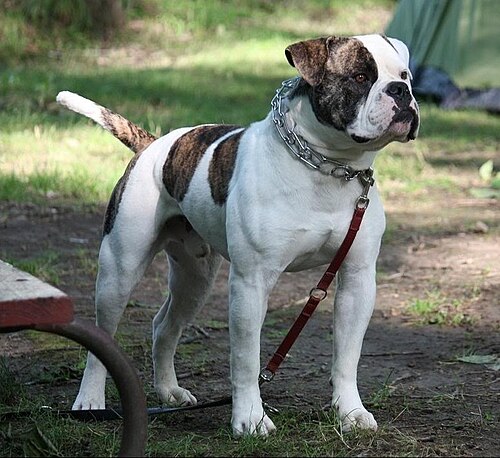 American Bulldog United States Lives 10 yrs Photo: Bully Rascalz · Copyrighted free use
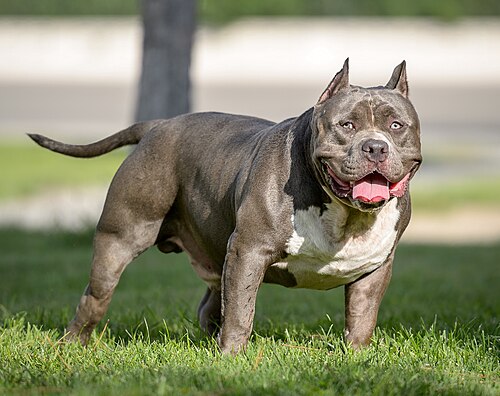
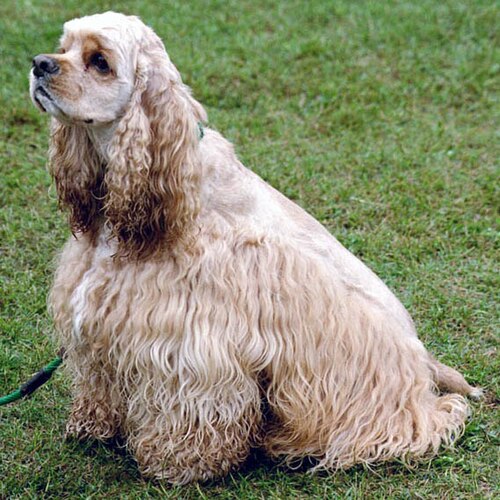
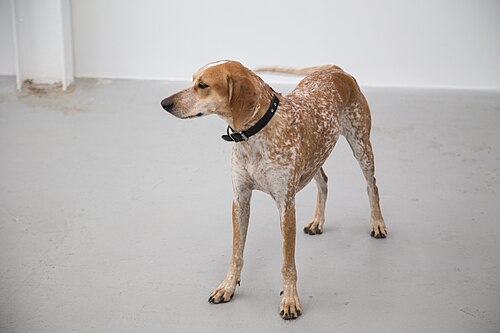
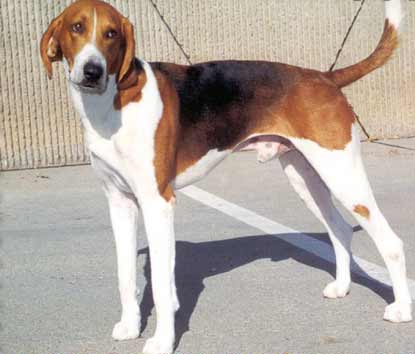
Photo credits9 photographs on this page
- American Eskimo Dog — Christmas w/a K · CC BY-SA 2.0 · file page
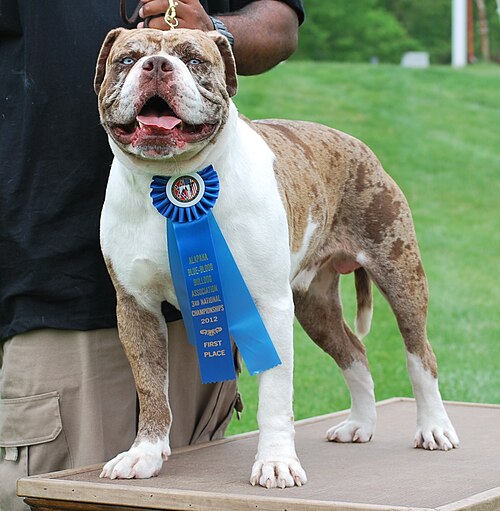
- Alapaha Blue Blood Bulldog — Mjrustline · CC BY-SA 3.0 · file page
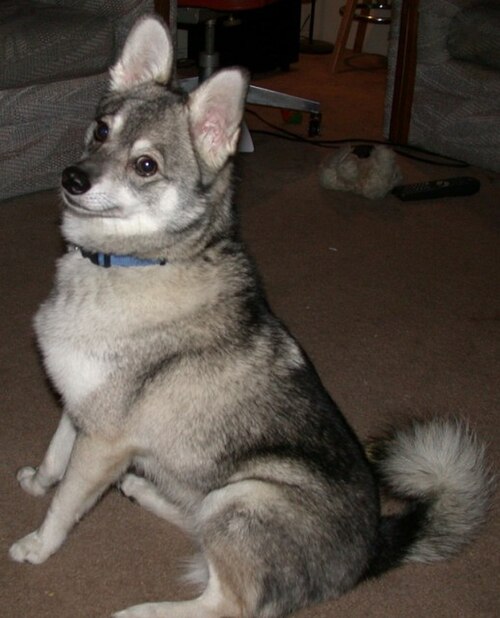
- Alaskan Klee Kai — Gnuyen · CC BY-SA 3.0 · file page
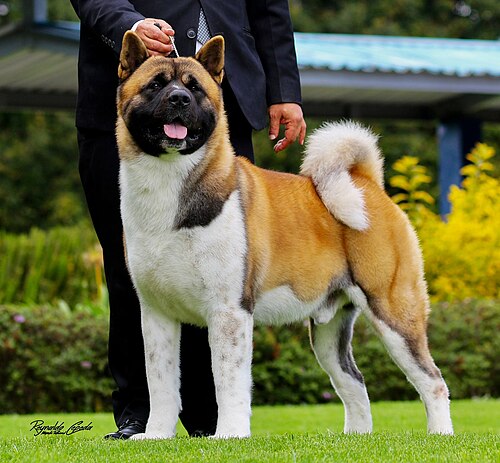
- American Akita — Edwin Campos · CC0 · file page
- American Bulldog — Bully Rascalz · Copyrighted free use · file page
- American Bully — Juan. botti · CC BY-SA 3.0 · file page
- American Cocker Spaniel — Wikimedia Commons contributor · CC BY-SA 3.0 · file page
- American English Coonhound — BurnAway · CC BY 2.0 · file page
- American foxhound — Wikimedia Commons contributor · CC BY-SA 3.0 · file page
Photographs come from Wikimedia Commons under the licence each one names. How Animalso credits photographs.