
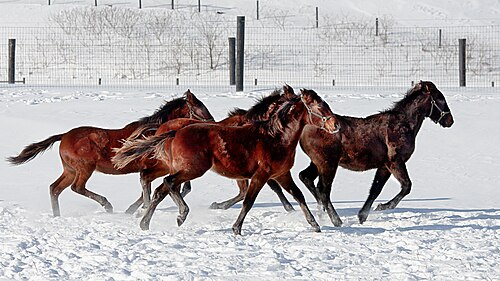
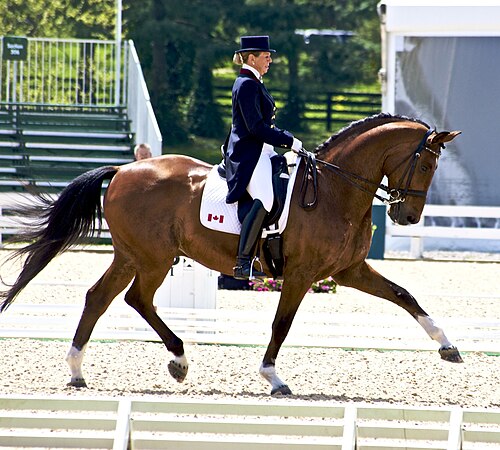
 Photo: Rick Harris · CC BY-SA 2.0
horse breed · 671 on Animalso
Canadian Pacer: Canadian Horse Breed
- Animal
- Horse
- Origin
- Canada
The Canadian Pacer is a horse breed from Canada. It descends from draft and light riding horses brought from France in the late 1600s, then crossed with British and American breeds. The breed is strong and well muscled, usually dark in color, and used for riding and driving. Its pacing type was one of three Canadian subtypes.
What the Canadian Pacer is
The Canadian Pacer is a horse breed that began in Canada. It is generally used for riding and driving, and it belongs to the pacing type once identified within the Canadian breed.
Origins and development
The breed descends from draft and light riding horses imported from France to Canada in the late 1600s. Later crosses with British and American breeds shaped its development, and Canadian horses spread through the northeastern United States during the 18th century.
Build and working roles
This is a strong, well-muscled horse, usually dark in color. Canadian horses were used for riding and driving, and the pacing type was one of three historical types alongside draft and trotting forms.
A difficult population history
Large numbers were exported in the 19th century, and many served as cavalry horses during the American Civil War. Those losses brought the purebred Canadian population close to extinction.
Price information
No purchase price is provided for the Canadian Pacer.
Who may want another breed
People looking for a horse outside riding or driving uses may want to compare other breeds, including horse breeds from different backgrounds.
A Canadian breed with several historical types
The Canadian Pacer suits readers interested in a Canadian horse with riding and driving roots and a documented pacing type. Its history includes French, British and American influence, wide 18th-century distribution, and a near loss of the purebred population.
What stands out
- Strong, well-muscled build is described.
- Used for both riding and driving.
- Canadian origin is clearly documented.
- Includes a distinct historical pacing type.
Worth knowing
- No height, weight, or lifespan figures are provided.
- 19th-century exports brought the purebred population near extinction.
- The breed history includes heavy cavalry losses during the American Civil War.
Suits
- Readers tracing Canadian horse breeds.
- Owners interested in riding or driving history.
- Those comparing pacing-type horses.
Think twice if
- You need documented height, weight, or lifespan figures.
- You want a breed described for work beyond riding or driving.
In short
Choose the Canadian Pacer if you want a horse breed rooted in Canada and connected to riding, driving and pacing history. Its background reaches back to French imports from the late 1600s and later British and American crosses. The breed also carries a serious conservation story: 19th-century exports and wartime losses reduced its numbers sharply before a studbook and export restrictions were introduced. Readers seeking a different working purpose should compare other horse breeds.
Questions
Where does the Canadian Pacer come from?
It comes from Canada.
What was the Canadian horse bred or used for?
The Canadian is generally used for riding and driving. The pacing type was one of three historical subtypes.
What does the Canadian Pacer look like?
The Canadian is described as strong and well muscled, and it is usually dark in color.
Which horses influenced this breed?
Its ancestors included draft and light riding horses imported from France in the late 1600s. Later breeding included British and American horses.
How many Canadian subtypes were recognized historically?
Three types were distinguished at the breed's peak: draft, trotting and pacing.
How large or long-lived is the Canadian Pacer?
No height, weight, or lifespan figure is stated.
Did the breed face population decline?
Yes. 19th-century exports and cavalry losses during the American Civil War reduced the purebred population close to extinction.
More horse breeds from Canada
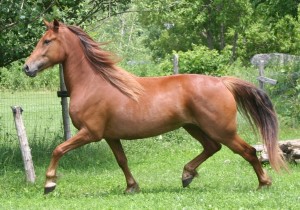
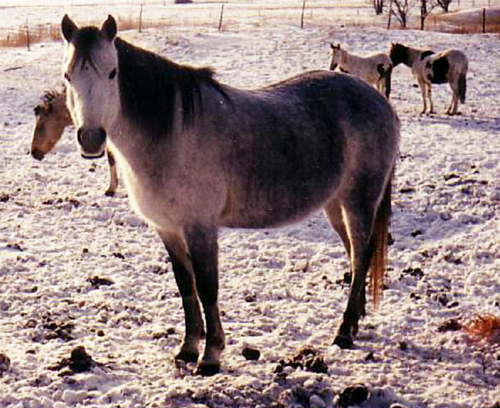
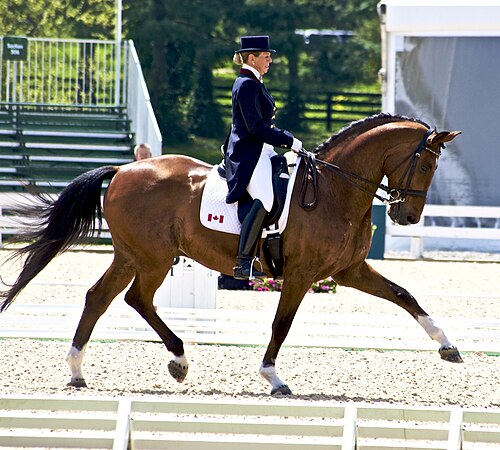 Canadian Sport Horse Canada Photo: Jean · CC BY 2.0
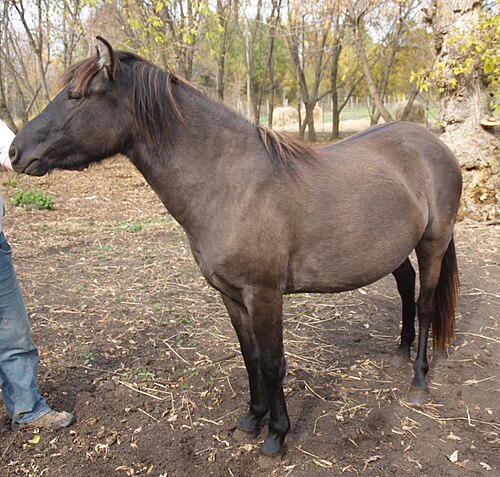
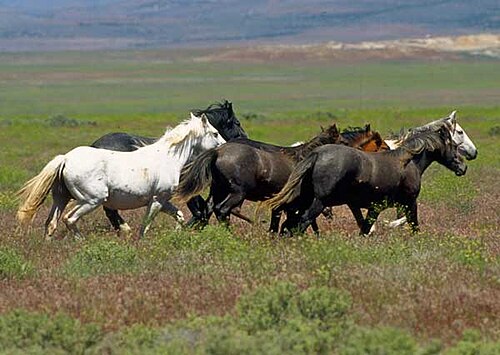 mustang Canada Photo: Bureau of Land Management · Public domain
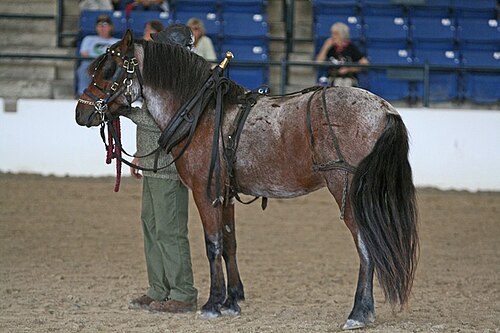
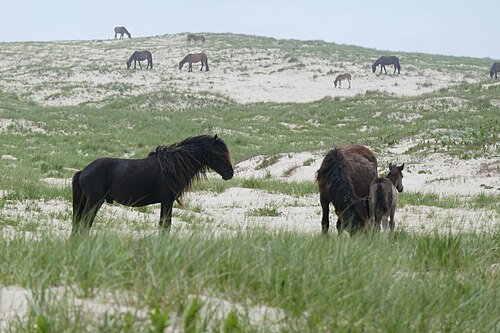
Photo credits9 photographs on this page
- Canadian Pacer — Rick Harris · CC BY-SA 2.0 · file page
- Canadian horse — David Campbell · CC BY-SA 3.0 · file page
- Canadian Rustic Pony — Amazona01 . SriMesh · CC BY-SA 3.0 · file page
- Canadian Sport Horse — Jean · CC BY 2.0 · file page
- Canadian Warmblood — Jean · CC BY 2.0 · file page
- Lac La Croix Indian Pony — Llcips09 · CC BY-SA 4.0 · file page
- mustang — Bureau of Land Management · Public domain · file page
- Newfoundland pony — Heather Moreton · CC BY 2.0 · file page
- Sable Island Pony — Paul Gierszewski · CC BY-SA 4.0 · file page
Photographs come from Wikimedia Commons under the licence each one names. How Animalso credits photographs.