
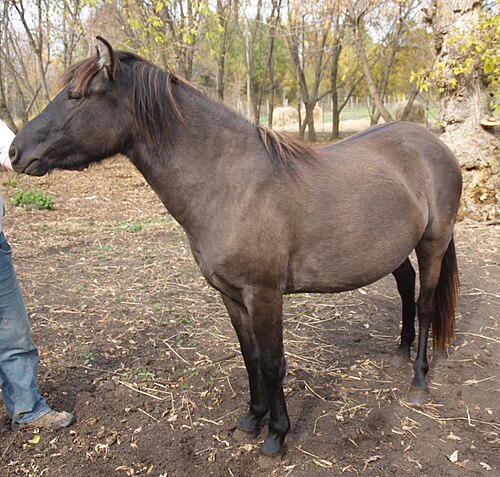
 Photo: Llcips09 · CC BY-SA 4.0
horse breed · 671 on Animalso
Lac La Croix Indian Pony
- Animal
- Horse
- Origin
- Canada
The Lac La Croix Indian Pony, also called the Ojibwe Horse, is a semi-feral horse breed from Canada. The Ojibwe people developed it. Its name comes from the Lac La Croix First Nation in Ontario, where the horses were last found in the wild. The breed’s history also includes Minnesota and a severe population decline.
What it is
The Lac La Croix Indian Pony is a semi-feral Canadian horse breed. It is also known as the Ojibwe Horse, Lac La Croix “Indian” pony, and Lac La Croix “Indigenous” pony.
The breed was developed by the Ojibwe people. Its modern name comes from the Lac La Croix First Nation in Ontario, where the horses were last found in the wild. See more horse breeds from Canada.
Name and origins
This breed’s story begins in Canada and is linked to the Ojibwe people. Historical accounts also place it in Minnesota.
The horses became critically scarce. By 1977, four mares remained. Spanish Mustang stallions were used in an effort to preserve the breed.
What stands out
Its identity is closely tied to Ojibwe development and the Lac La Croix First Nation. The semi-feral background distinguishes it among Canadian horse breeds.
The preservation effort continued the breed after its population fell to a critical level.
Points to keep in mind
The breed has a history of severe population decline. That conservation background is central to understanding the Lac La Croix Indian Pony.
The facts here do not state a working purpose, height, weight, or lifespan, so those details cannot be used to judge a horse for a particular home or activity.
Pricing
No purchase price or other pricing information is provided for this breed.
Who may need another match
Someone choosing a horse by stated size, lifespan, or a documented job will need information beyond this profile. Compare other horse breeds when those details are essential.
Verdict
Choose this breed to learn about a Canadian horse shaped by Ojibwe history and a focused conservation effort. Its aliases, semi-feral background, and connection to Lac La Croix give it a clear cultural and geographic identity.
Look elsewhere if your decision depends on published measurements, longevity, or a defined working role, because those points are not established in the available facts.
What stands out
- Developed by the Ojibwe people in Canada
- Semi-feral breed with a distinct Canadian history
- Preservation work followed a severe population decline
- Also known as the Ojibwe Horse
Worth knowing
- The breed has a history of critical population scarcity
- Its documented history includes a sharp reduction in remaining mares
- The available profile gives no stated working purpose
Suits
- Readers tracing Ojibwe and Canadian horse history
- People exploring rare or conservation-linked horse breeds
Think twice if
- You need stated height, weight, lifespan, or a defined job before choosing a horse
- You are comparing breeds by owner suitability or practical use
In short
The Lac La Croix Indian Pony is a Canadian breed with a distinct Ojibwe origin and a name rooted in Ontario’s Lac La Croix First Nation. Its semi-feral history and near-loss make conservation part of the breed’s story, including the use of Spanish Mustang stallions after only a few mares remained. That makes this profile useful for understanding the breed’s identity and history, but not for matching a horse to practical requirements that depend on those missing details.
Questions
What is the Lac La Croix Indian Pony?
It is a semi-feral Canadian horse breed developed by the Ojibwe people.
What other names does it have?
It is also called the Ojibwe Horse, Lac La Croix “Indian” pony, and Lac La Croix “Indigenous” pony.
Where did this breed originate?
It originated in Canada. Its modern name comes from the Lac La Croix First Nation in Ontario.
Was the breed found anywhere else?
Historical accounts also place the breed in Minnesota.
Why were Spanish Mustangs used?
The population became critically low. By 1977, only four mares remained, so Spanish Mustang stallions were used to help preserve the breed.
What is known about its size and lifespan?
The available facts do not give height, weight, or life-expectancy figures.
More horse breeds from Canada
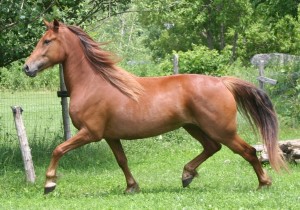
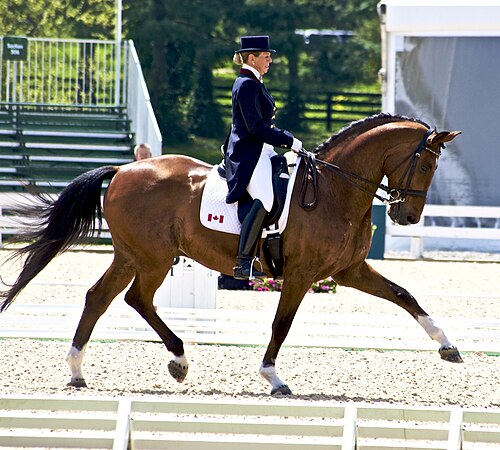
 Canadian Pacer Canada Photo: Rick Harris · CC BY-SA 2.0
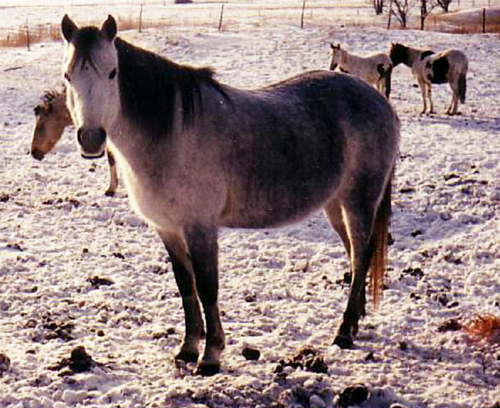
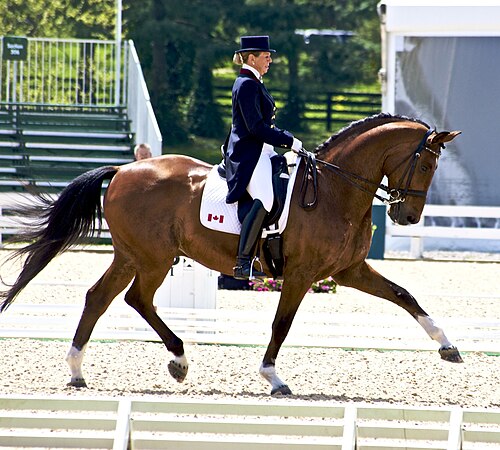
 Canadian Sport Horse Canada Photo: Jean · CC BY 2.0
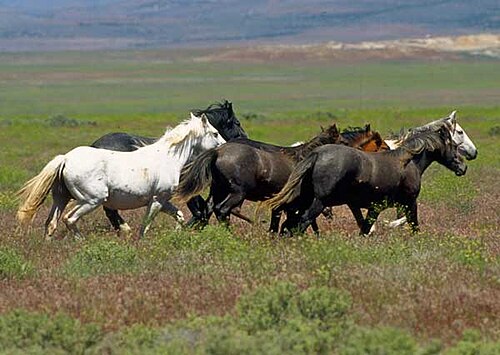 mustang Canada Photo: Bureau of Land Management · Public domain
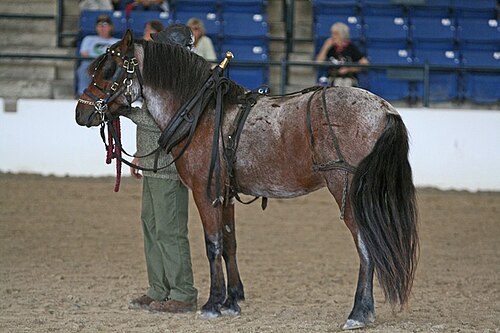
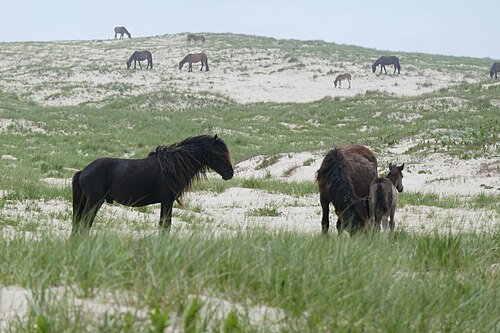
Photo credits9 photographs on this page
- Lac La Croix Indian Pony — Llcips09 · CC BY-SA 4.0 · file page
- Canadian horse — David Campbell · CC BY-SA 3.0 · file page
- Canadian Pacer — Rick Harris · CC BY-SA 2.0 · file page
- Canadian Rustic Pony — Amazona01 . SriMesh · CC BY-SA 3.0 · file page
- Canadian Sport Horse — Jean · CC BY 2.0 · file page
- Canadian Warmblood — Jean · CC BY 2.0 · file page
- mustang — Bureau of Land Management · Public domain · file page
- Newfoundland pony — Heather Moreton · CC BY 2.0 · file page
- Sable Island Pony — Paul Gierszewski · CC BY-SA 4.0 · file page
Photographs come from Wikimedia Commons under the licence each one names. How Animalso credits photographs.