
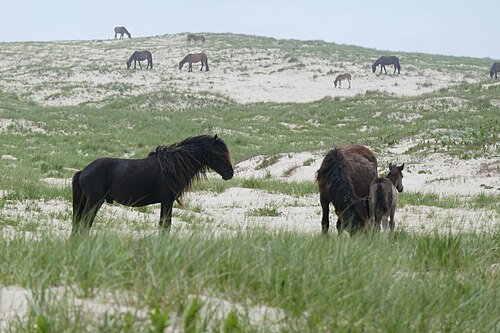
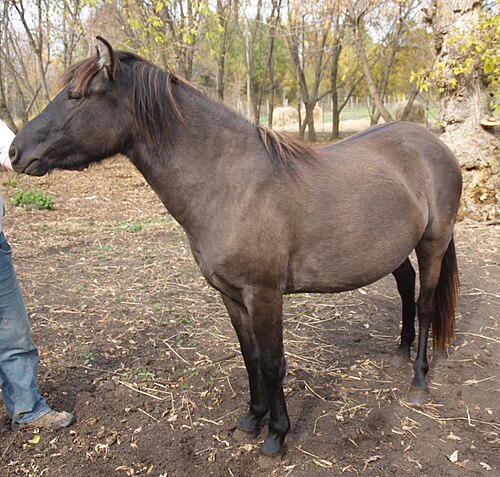
 Photo: Paul Gierszewski · CC BY-SA 4.0
horse breed · 671 on Animalso
Sable Island Pony
- Animal
- Horse
- Origin
- Canada
The Sable Island Pony, also called the Sable Island horse, is a small feral horse from Sable Island off Nova Scotia, Canada. Horses were released there in the late 1700s and became feral. The herd later faced extinction after roundups for private use and slaughter, but estimates reached about 500 horses in 2018.
What it is
The Sable Island Pony is a small feral horse found on Sable Island, off Nova Scotia, Canada. It is usually dark in color and belongs to the horse family.
The first horses arrived in the late 1700s. They became feral, and more horses were later brought in to strengthen the herd’s breeding stock.
How its story began
Horses were released on the island in the late 1700s. Later additions changed the herd’s breeding stock.
The horses were rounded up for private use and sale for slaughter. By the 1950s, this had put the herd at risk of extinction.
What stands out
The herd has continued on Sable Island despite a sharp historical decline. An estimate from 2018 counted about 500 horses, compared with roughly 300 in the 1970s.
Its identity is closely tied to its Canadian island origin and feral history. You can browse more horse breeds from Canada.
What is not recorded here
The available facts do not give a height, weight, or life expectancy. They also do not state what work or role the horses were bred to perform.
The description says the horses are usually dark, rather than giving a single fixed color.
Pricing
There is no purchase price or other pricing information in the available facts.
Who may need more information
Readers who need recorded measurements, lifespan, or a stated breeding purpose should look for a breed entry with those details. Start with the wider horse breeds list.
Verdict
Choose this breed profile if you want a concise account of a Canadian island horse and its feral past. It explains the herd’s origins, danger of extinction, and later population estimate.
Look elsewhere if your decision depends on documented size, longevity, or working function, because those details are not supplied here.
What stands out
- Canadian origin is clearly identified.
- Feral island history dates back to horses released in the late 1700s.
- Estimated population rose to about 500 by 2018.
Worth knowing
- Height and weight are not provided.
- Life expectancy is not provided.
Suits
- Readers tracing a horse’s Canadian origin
- People interested in feral-horse history
Think twice if
- You need recorded height, weight, or lifespan before choosing a horse.
- You need a documented breeding or working purpose.
In short
The Sable Island Pony is a small, usually dark horse shaped by life on Sable Island in Canada. Its history includes release in the late 1700s, later additions to the herd, and a serious decline caused by roundups and slaughter sales. The 2018 estimate of about 500 horses gives useful context for its recovery from roughly 300 in the 1970s. This profile is most useful for readers interested in origin and history. It cannot answer questions about mature measurements, lifespan, or breeding work.
Questions
Where does the Sable Island Pony come from?
It comes from Sable Island, off the coast of Nova Scotia, Canada.
Is the Sable Island Pony a feral horse?
Yes. Horses released on the island in the late 1700s became feral.
What color is the Sable Island Pony?
The available description says it is usually dark in color.
How many Sable Island horses are there?
A 2018 study estimated about 500 horses. Roughly 300 were recorded in the 1970s.
Why was the herd once at risk?
Roundups for private use and sale for slaughter had placed the horses in danger of extinction by the 1950s.
How big does the Sable Island Pony get?
The facts identify it as small but give no height or weight figures.
How long does it live?
No life expectancy is provided in the available facts.
More horse breeds from Canada
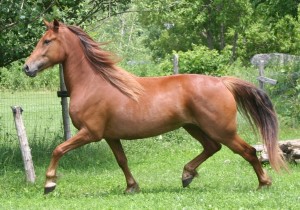
 Canadian Pacer Canada Photo: Rick Harris · CC BY-SA 2.0
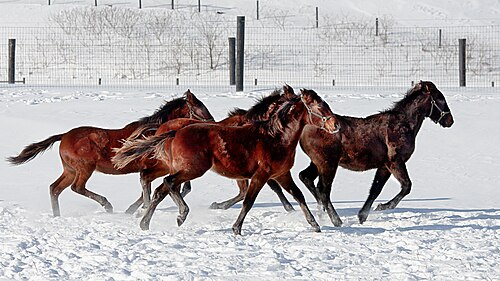
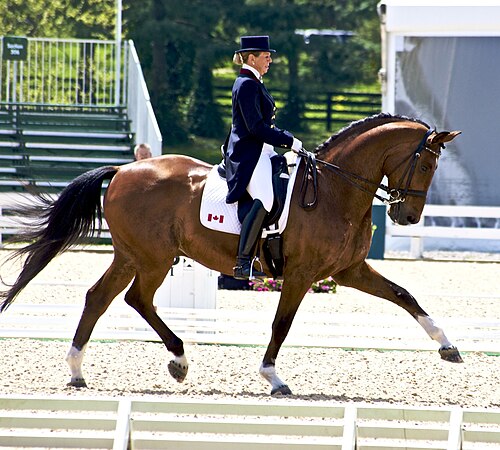
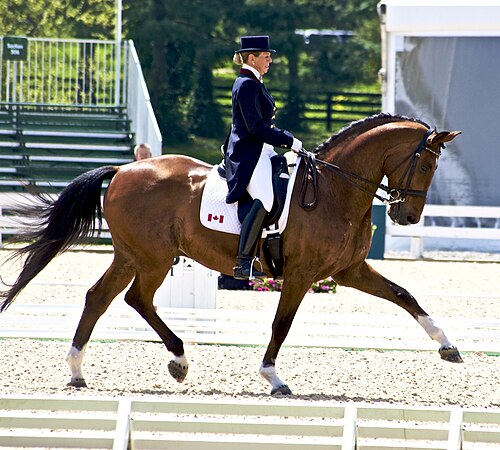 Canadian Sport Horse Canada Photo: Jean · CC BY 2.0
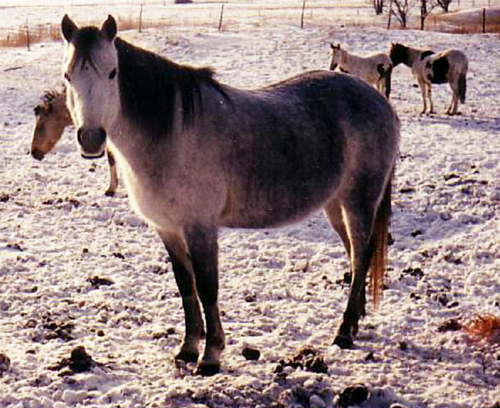
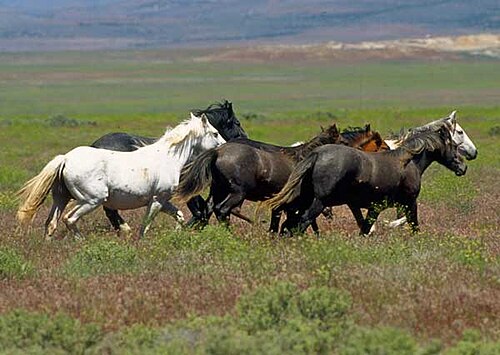 mustang Canada Photo: Bureau of Land Management · Public domain
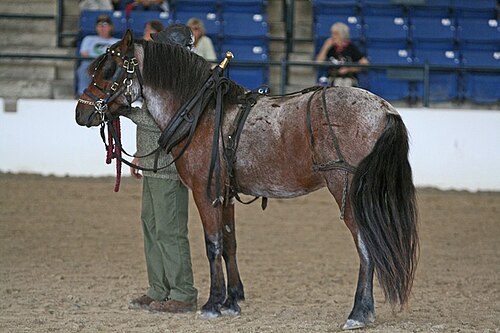
Photo credits9 photographs on this page
- Sable Island Pony — Paul Gierszewski · CC BY-SA 4.0 · file page
- Canadian horse — David Campbell · CC BY-SA 3.0 · file page
- Canadian Pacer — Rick Harris · CC BY-SA 2.0 · file page
- Canadian Rustic Pony — Amazona01 . SriMesh · CC BY-SA 3.0 · file page
- Canadian Sport Horse — Jean · CC BY 2.0 · file page
- Canadian Warmblood — Jean · CC BY 2.0 · file page
- Lac La Croix Indian Pony — Llcips09 · CC BY-SA 4.0 · file page
- mustang — Bureau of Land Management · Public domain · file page
- Newfoundland pony — Heather Moreton · CC BY 2.0 · file page
Photographs come from Wikimedia Commons under the licence each one names. How Animalso credits photographs.