
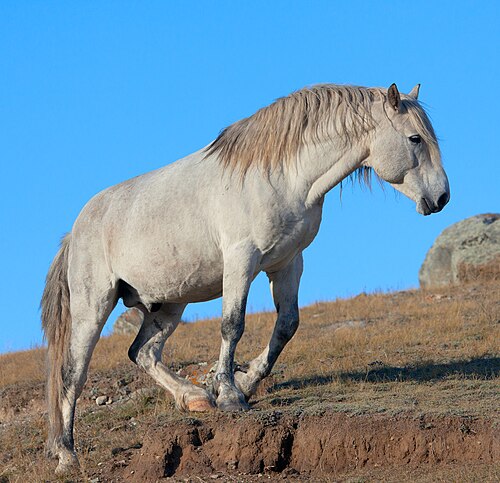
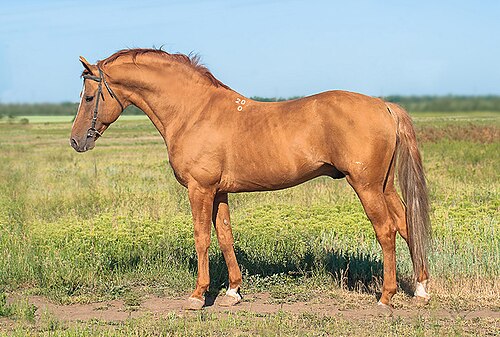
 Photo: Alexandr frolov · CC BY-SA 4.0
horse breed · 671 on Animalso
Chara Horse Breed
- Animal
- Horse
- Type
- Meat horse
- Origin
- Russia, Altai Mountains
- Height
- 1.5 cm
- Weight
- 670 kg
Chara, also called New Altai or Charysh Altai, is a Russian horse breed developed in the Altai region. Soviet zootechnicians selected it for meat production, aiming to increase meat weight while retaining hardiness. The breed is related to draft horses. Its recorded height is 1.5 meters and its weight is 670 kilograms.
What Chara is
Chara is a Russian meat horse from the Altai Mountains. It is also known as New Altai and Charysh Altai.
The breed was developed for meat production in Russia’s Altai region.
Origin and development
Its origins reach back to the 1920s. Selection became formal from 1978, and the breed became official in 2000.
Soviet zootechnicians developed Chara for breeding in the Altai region.
What it was selected to do
Selection focused on increasing meat weight while keeping hardiness.
Chara is more or less closely related to the draft horse.
Points to weigh
The recorded type is a meat horse, so its documented purpose is specialized rather than general-purpose riding.
The breed has several names. When comparing records, check New Altai, Charysh Altai and Chara Altai as well.
Pricing
No pricing details are provided for Chara.
Who may want another breed
Chara may not suit someone seeking a horse selected for a purpose other than meat production. Compare other horse breeds for different roles.
If Russian origin matters, see horse breeds from Russia and compare their stated types.
Verdict
Chara is a Russian Altai breed with a clear meat-production history. Its development joined heavier meat yield with retained hardiness, and its draft-horse relationship adds useful context. Buyers should approach it as a specialized meat horse, not assume a riding role that the breed description does not state.
What stands out
- Developed in Russia’s Altai region.
- Selected to increase meat weight.
- Selection aimed to retain hardiness.
- Related to draft horses.
- Recognized as an official breed in 2000.
Worth knowing
- Its recorded purpose is meat production.
- It is known under several names, including New Altai and Charysh Altai.
- Its history is tied specifically to the Altai region of Russia.
Suits
- Owners seeking a Russian meat horse.
- Readers comparing Altai and draft-related horse breeds.
- Those interested in regional breed history.
Think twice if
- You need a breed documented for a different primary purpose.
- You want a horse chosen specifically for a riding role.
In short
Chara stands out for its focused purpose and regional history. It was shaped in Russia’s Altai area to produce more meat while keeping hardiness, and it became an official breed in 2000. The 1.5-meter height and 670-kilogram weight place it among substantial horses. Choose Chara if that production background fits your plans. For riding or another defined use, review breeds whose recorded purpose matches that work.
Questions
What is Chara?
Chara is a Russian meat horse breed. It is also called New Altai, Charysh Altai and Chara Altai.
Where did Chara originate?
Chara originated in Russia’s Altai Mountains and was developed for breeding in the Altai region.
What was Chara bred for?
It was developed as a meat horse. Selection sought greater meat weight while retaining hardiness.
How tall is Chara?
The recorded height for Chara is 1.5 meters.
How much does Chara weigh?
The recorded weight for Chara is 670 kilograms.
When was Chara officially recognized?
The breed became official in 2000, after formal selection from 1978 onward.
Is Chara related to draft horses?
Yes. The breed is described as more or less closely related to the draft horse.
More horse breeds from Russia
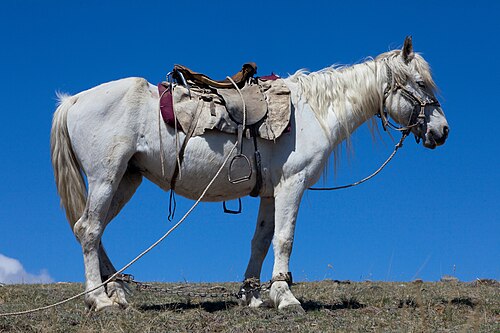
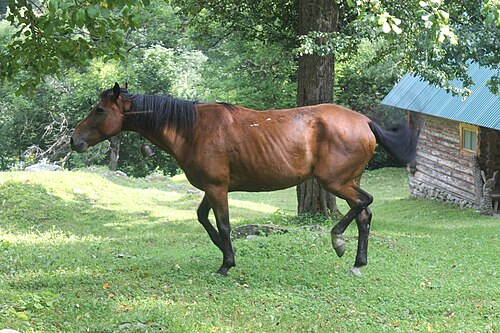
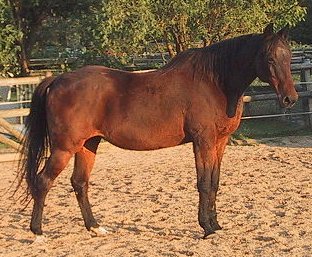 Anglo-Kabarda Russia Photo: Hü · CC BY-SA 3.0
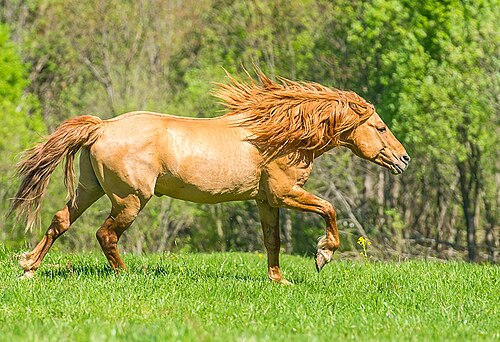
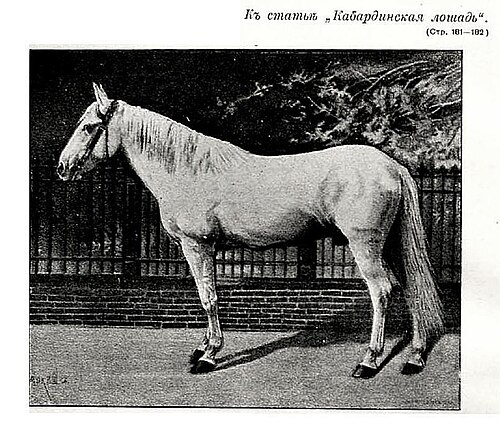 Kabarda horse Russia Photo: « ВЭС » · Public domain
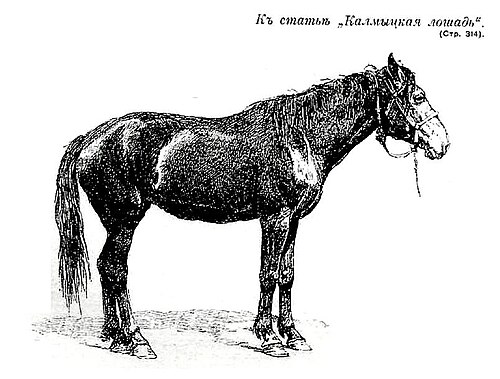 Kalmyk horse Russia Photo: « ВЭС » · Public domain
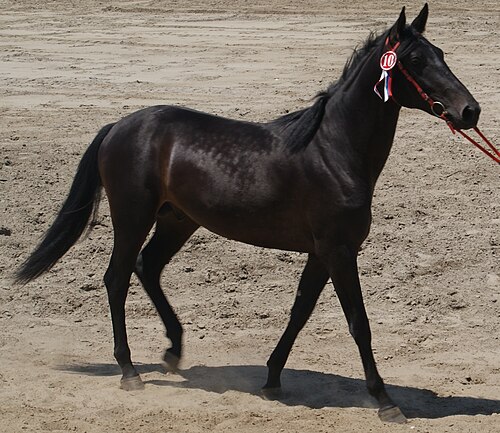 Karachay horse Russia Photo: Mechenyj · CC BY-SA 4.0
Other Meat horse breeds
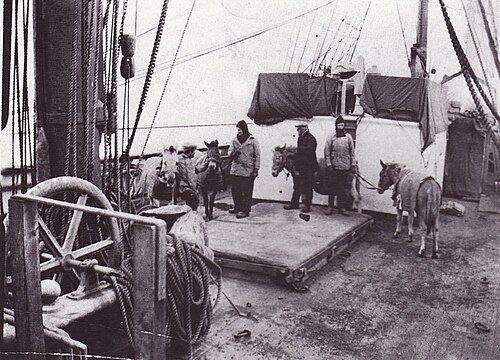 Narym Pony Russia Photo: Herbert Ponting · Public domain
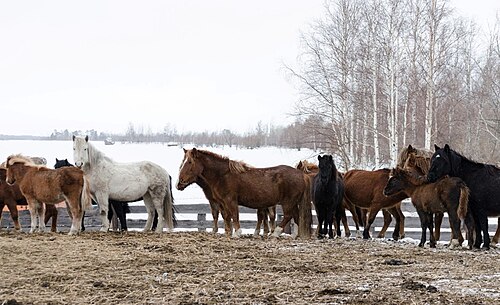
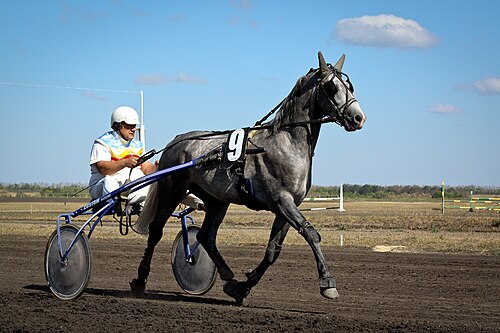 Orlov Trotter Russia Photo: Alexander · CC BY 2.0
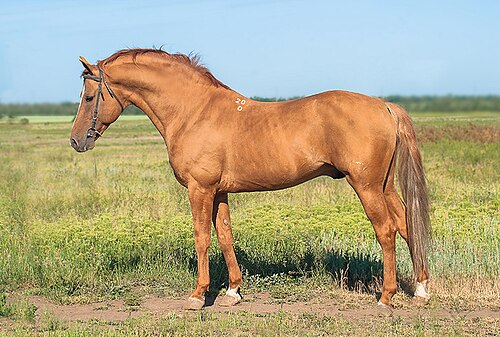 Russian Don Russia Photo: Fefa Koroleva · CC BY-SA 4.0
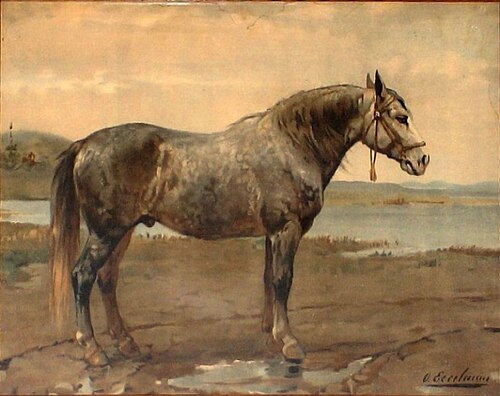 Russian Heavy Draft Russia Photo: Otto Erelman · Public domain
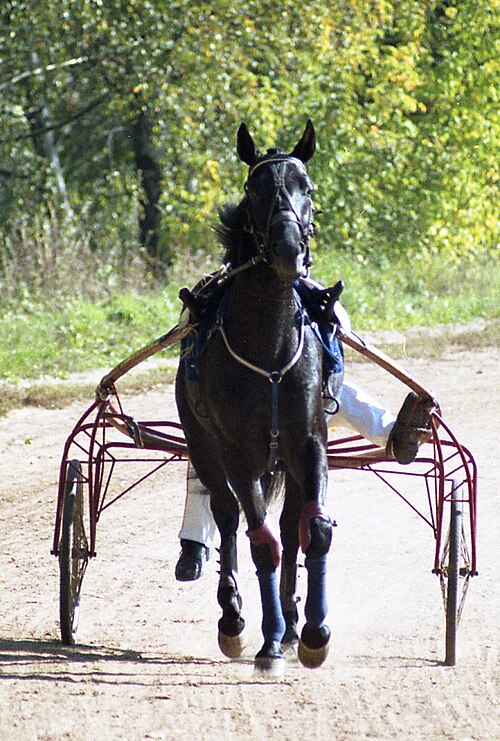 Russian Trotter Russia Photo: Лена · Public domain
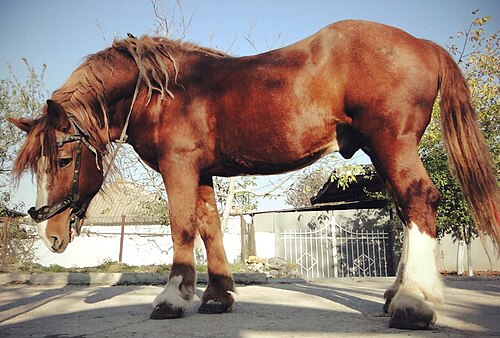
Photo credits17 photographs on this page
- Chara — Alexandr frolov · CC BY-SA 4.0 · file page
- Altai horse — Alexandr frolov · CC BY-SA 4.0 · file page
- Anglo-Kabarda — Hü · CC BY-SA 3.0 · file page
- Bashkir horse — MöngkeKhan2 · CC BY-SA 4.0 · file page
- Budyonny horse — Fefa Koroleva · CC BY-SA 4.0 · file page
- Chernomor — SKas · CC BY-SA 4.0 · file page
- Kabarda horse — « ВЭС » · Public domain · file page
- Kalmyk horse — « ВЭС » · Public domain · file page
- Karachay horse — Mechenyj · CC BY-SA 4.0 · file page
- Mezen horse — Engine9 · CC BY-SA 2.5 · file page
- Narym Pony — Herbert Ponting · Public domain · file page
- Ob pony — Назаренко Андрей Валентинович · CC0 · file page
- Orlov Trotter — Alexander · CC BY 2.0 · file page
- Russian Don — Fefa Koroleva · CC BY-SA 4.0 · file page
- Russian Heavy Draft — Otto Erelman · Public domain · file page
- Russian Trotter — Лена · Public domain · file page
- Soviet Heavy Draft — Iskulikov · CC BY-SA 3.0 · file page
Photographs come from Wikimedia Commons under the licence each one names. How Animalso credits photographs.