
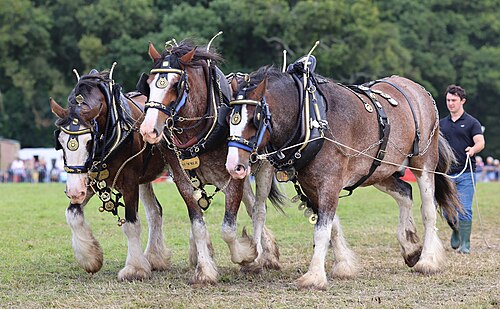
 Photo: Geni · CC BY-SA 4.0
 horse breed · 671 on Animalso
Clydesdale Horse
- Animal
- Horse
- Type
- Draft horse
- Origin
- Scotland
The Clydesdale is a draught horse from Scotland’s Clydesdale district. The breed began in the seventeenth century, spread through Scotland and northern England, and later reached countries including Australia and New Zealand. Its numbers fell during the twentieth century, but have risen slightly since the breed was considered vulnerable to extinction in the 1970s.
What it is
The Clydesdale is a draught horse breed from Scotland. It was developed for draught work.
Where it began
The breed originated in the seventeenth century and takes its name from Scotland’s Clydesdale district. The name “Clydesdale” was first recorded for the breed in 1826.
Learn more about horse breeds from Scotland.
Its recorded history
Clydesdales spread through much of Scotland and into northern England. After a breed society formed in 1877, thousands were exported, especially to Australia and New Zealand.
Its history places it among the horse breeds with a documented working role.
Historical pressures
Numbers began to fall in the early twentieth century. Many horses were used in the First World War, and increasing farm mechanization reduced demand.
By the 1970s, the Rare Breeds Survival Trust considered the breed vulnerable to extinction. Numbers have since increased slightly.
Pricing
The provided facts do not state a purchase price for a Clydesdale horse.
Who should look elsewhere
Skip this breed if you are not looking for a draught horse or do not want a breed from Scotland. The provided facts do not establish other selection criteria.
Verdict
Choose the Clydesdale if its Scottish origin, draught-horse identity, and long recorded history match what you want in a horse. Its story includes broad export, wartime use, and a later recovery from vulnerability. Readers who need a different working type should compare other breeds before deciding.
What stands out
- Scottish origin tied to the Clydesdale district
- Draught-horse working identity
- History reaches back to the seventeenth century
- Exported widely, including to Australia and New Zealand
Worth knowing
- Numbers declined in the early twentieth century
- First World War use contributed to the decline
- Considered vulnerable to extinction by the 1970s
Suits
- Readers seeking a Scottish draught-horse breed
- People interested in documented breed history
Think twice if
- You want a breed whose role is not draught work
- You are looking outside Scottish horse breeds
In short
The Clydesdale is a Scottish draught horse with a history reaching back to the seventeenth century. Its name comes from the Clydesdale district, and records place it across Scotland, northern England, Australia, and New Zealand. The breed faced serious decline during the twentieth century, including pressure from wartime use and farm mechanization. It was considered vulnerable by the 1970s, then increased slightly. It is a clear choice for someone drawn to this origin and working heritage, but these facts do not support conclusions about other selection needs.
Questions
Where does the Clydesdale horse come from?
It originated in Scotland and takes its name from the Clydesdale district.
What was the Clydesdale bred to do?
It is a draught horse, a type developed for pulling work.
When did the Clydesdale originate?
The breed originated in the seventeenth century.
When was the name Clydesdale first recorded?
The name was first recorded for the breed in 1826.
Where did Clydesdales spread?
They spread through much of Scotland and into northern England, then were exported widely, especially to Australia and New Zealand.
Why did Clydesdale numbers fall?
Numbers declined in the early twentieth century because many were used in the First World War and agriculture became more mechanized.
Was the Clydesdale ever considered at risk?
Yes. The Rare Breeds Survival Trust considered it vulnerable to extinction by the 1970s. Numbers have since increased slightly.
More horse breeds from Scotland
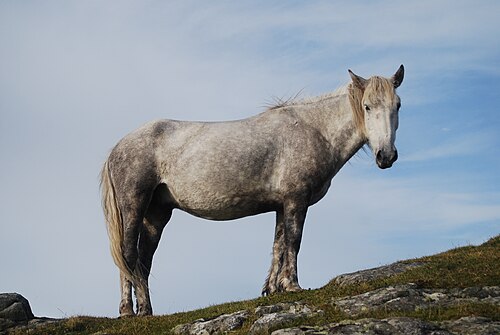 Eriskay Pony Scotland Photo: Mipmapped · CC BY-SA 3.0
 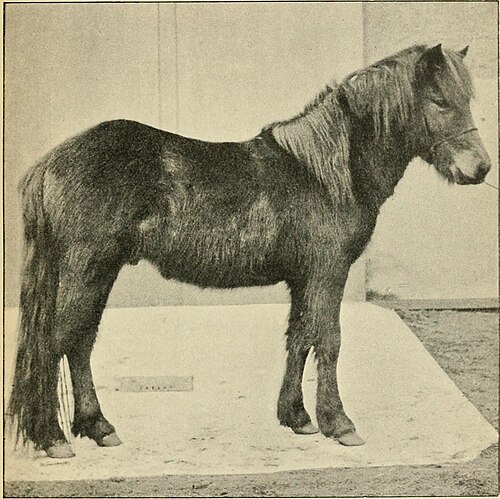 Hebridean pony Scotland Photo: William Ridgeway · Public domain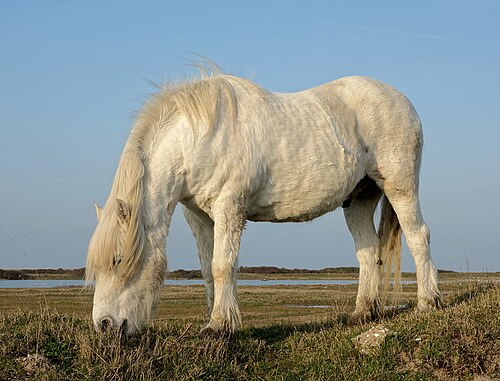
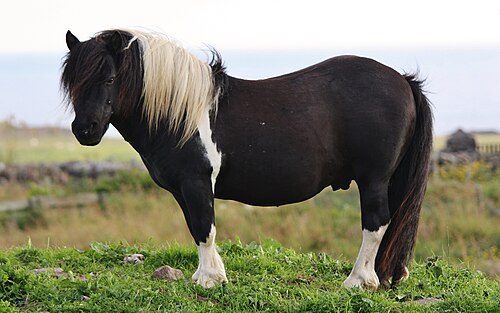
Other draft horse breeds
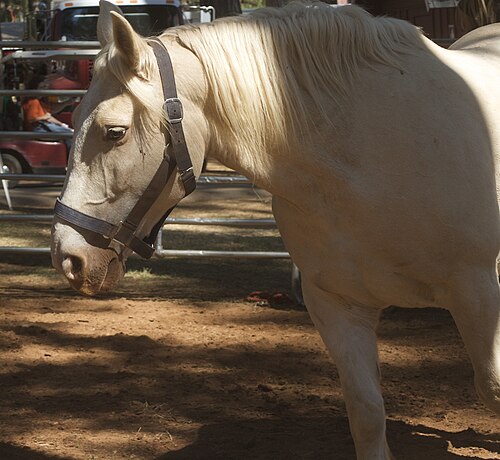
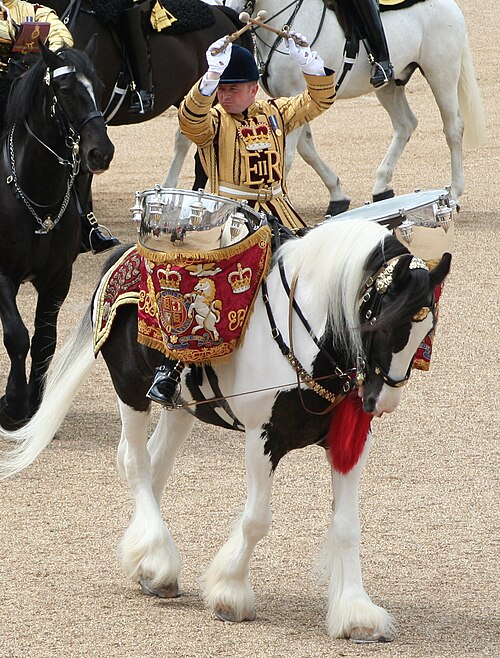 American Drum Horse United States Photo: Ultra7 · Public domain
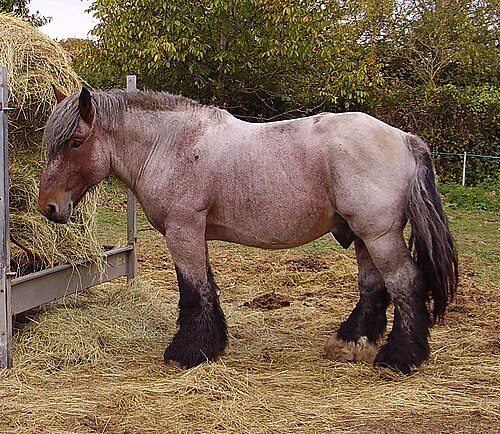
 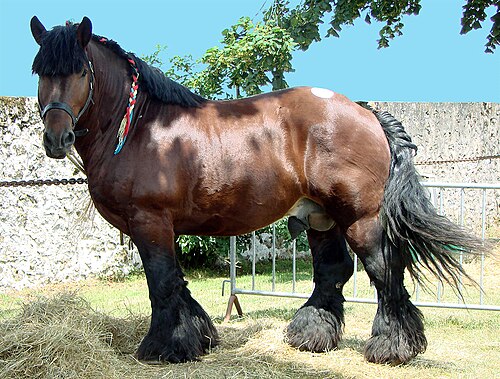 Ardennes horse Belgium Height 1.62 cmWeight 700 kg Photo: Vassil · Public domain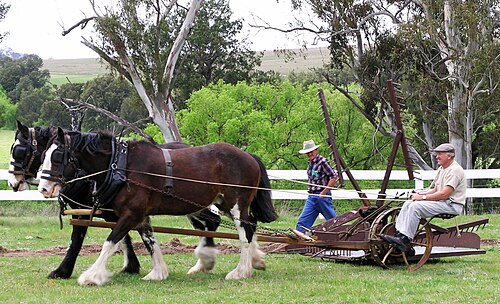
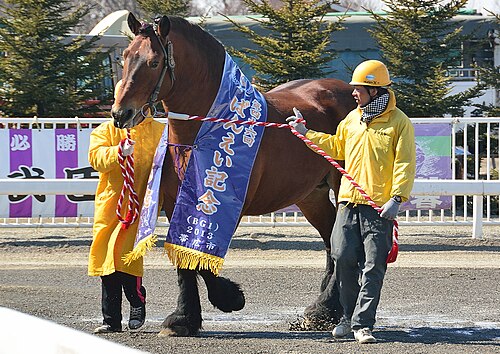 Ban-ei Race Horse Japan Photo: 馬面長伊奈 · CC BY-SA 4.0
 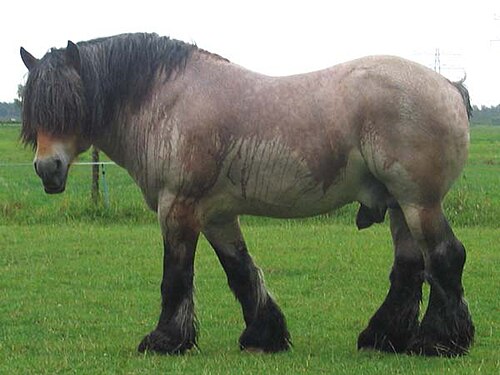 Belgian Draught Belgium Photo: Teunie · CC BY-SA 3.0
 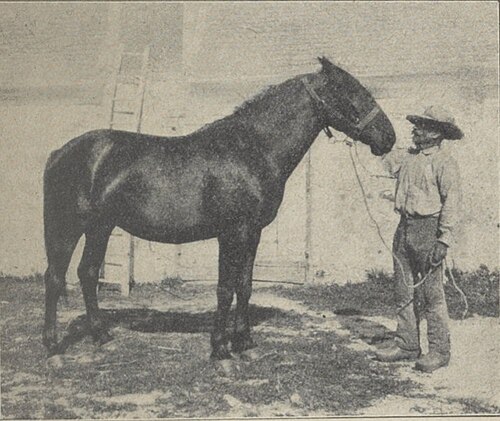 Berrichon horse France Height 1.58 cm Photo: Wikimedia Commons contributor · Public domain
 Photo credits13 photographs on this page
- Clydesdale horse — Geni · CC BY-SA 4.0 · file page
- Eriskay Pony — Mipmapped · CC BY-SA 3.0 · file page
- Hebridean pony — William Ridgeway · Public domain · file page
- Highland pony — Velvet · CC BY-SA 3.0 · file page
- Shetland pony — Ronnie Robertson · CC BY-SA 2.0 · file page
- American Cream Draft — Jean · CC BY 2.0 · file page
- American Drum Horse — Ultra7 · Public domain · file page
- Ardennes horse — Vassil · Public domain · file page
- Australian Draught Horse — Cgoodwin · CC BY-SA 3.0 · file page
- Auxois — Cjp24 crop by Peli · CC BY 3.0 · file page
- Ban-ei Race Horse — 馬面長伊奈 · CC BY-SA 4.0 · file page
- Belgian Draught — Teunie · CC BY-SA 3.0 · file page
- Berrichon horse — Wikimedia Commons contributor · Public domain · file page
Photographs come from Wikimedia Commons under the licence each one names. How Animalso credits photographs.