
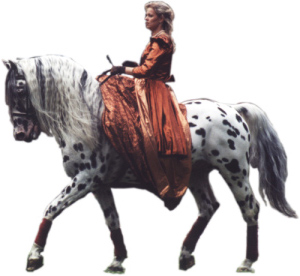
 Photo: Hackmann · CC BY-SA 3.0
horse breed · 671 on Animalso
Knabstrupper Horse
- Animal
- Horse
- Type
- Baroque horse
- Origin
- Denmark
The Knabstrupper, also called Knabstrup, is a Danish warmblood horse and a baroque horse type. It was developed mainly for riding, with harness work and circus performance among its uses. Spotted coats are common. Mechanized agriculture sharply reduced its numbers after the Second World War, and the breed remains endangered, with a worldwide population estimated at a little over 2,000.
What the Knabstrupper is
The Knabstrupper, or Knabstrup, is a warmblood horse from Denmark. It is classed as a baroque horse.
Its main role is as a riding horse. It is also used for harness work and as a circus animal.
Getting to know the breed
Begin with its Danish origin and its traditional work as a riding horse. A spotted coat is common, although the breed is defined here as a Danish warmblood rather than by color alone.
For broader context, see horse breeds from Denmark.
What stands out
The Knabstrupper has several established roles: riding, harness work and circus performance.
Its spotted coat often sets it apart visually, and it shares broad similarities with the Frederiksborger.
Points to keep in mind
The breed’s numbers fell sharply when farm work became mechanized after the Second World War. By the 1960s, no more than 100 horses remained.
It is still considered endangered, with a worldwide population estimated at a little over 2,000. Past breeding focused too narrowly on spots and harmed constitution and conformation.
Price and ownership facts
No purchase price, height, weight or lifespan is provided for the Knabstrupper in these facts. A buyer should seek those details before making a decision.
Who may want another breed
If you need to compare Danish horses or other types, start with horse breeds and check each breed’s documented details.
Verdict
The Knabstrupper suits readers looking for a Danish warmblood with riding roots, additional harness and circus uses, and a commonly spotted coat.
Its endangered status and small global population are central to understanding the breed.
What stands out
- Danish warmblood and baroque horse type
- Primarily bred as a riding horse
- Also used for harness work and circus performance
- Spotted coats are often seen
Worth knowing
- Endangered breed with a worldwide population of just over 2,000
- Numbers fell sharply after agricultural mechanization
- Past spot-focused breeding harmed constitution and conformation
Suits
- Readers seeking a Danish riding horse with baroque heritage
- Owners interested in riding, harness or circus traditions
- People drawn to often-spotted horses
Think twice if
- You need documented height, weight or lifespan before choosing
- You want a breed without endangered status
- You are seeking a horse outside riding, harness or circus traditions
In short
Choose the Knabstrupper if its Danish heritage, baroque type and mix of riding, harness and circus traditions match what you want in a horse. The spotted coat may be part of its appeal, but historical selection for spots alone caused problems with constitution and conformation. The breed also has a long record of population decline and remains endangered, with only a little over 2,000 estimated worldwide. Because no size or lifespan figures are supplied here, confirm those details before committing.
Questions
What is a Knabstrupper?
The Knabstrupper, also called Knabstrup, is a Danish warmblood horse and a baroque horse type.
Where did the Knabstrupper originate?
The breed originated in Denmark.
What was the Knabstrupper bred to do?
It is principally a riding horse. It is also used as a harness horse and as a circus animal.
Does the Knabstrupper have a spotted coat?
It often has a spotted coat, although the breed is identified as a Danish warmblood rather than solely by coat pattern.
How many Knabstruppers are there?
The worldwide population is estimated at a little over 2,000, and the breed is considered endangered.
What happened to the breed after the Second World War?
Mechanization of agriculture caused a sharp fall in numbers. By the 1960s, no more than 100 horses remained.
Is the Knabstrupper related to the Frederiksborger?
It is broadly similar to the Frederiksborger.
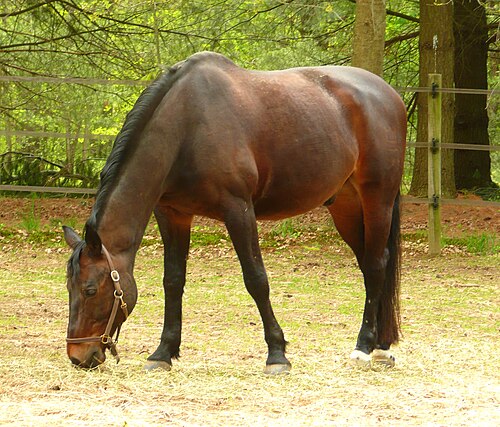
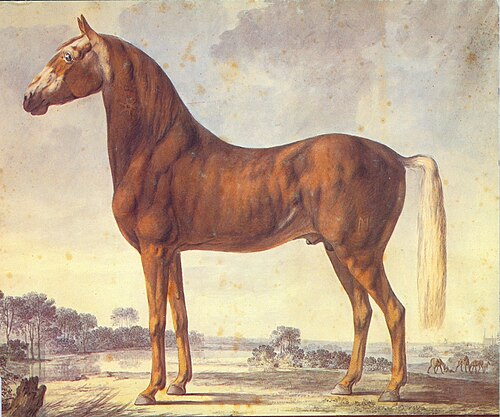
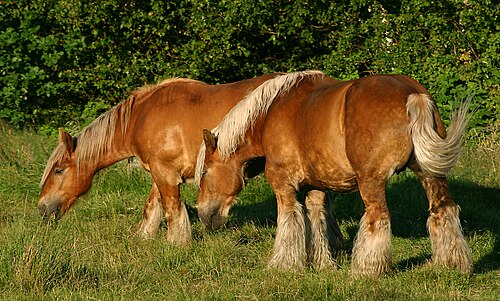
More horse breeds from Denmark
Other Baroque horse breeds
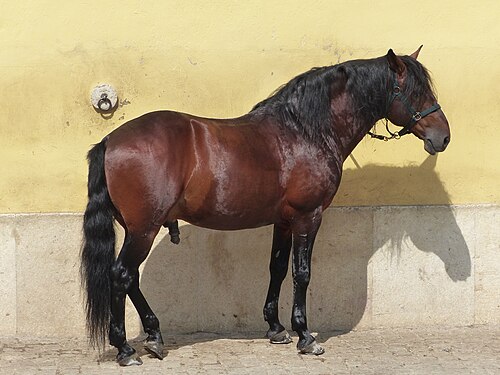 Alter Real Portugal Photo: Tsaag Valren · CC BY-SA 4.0
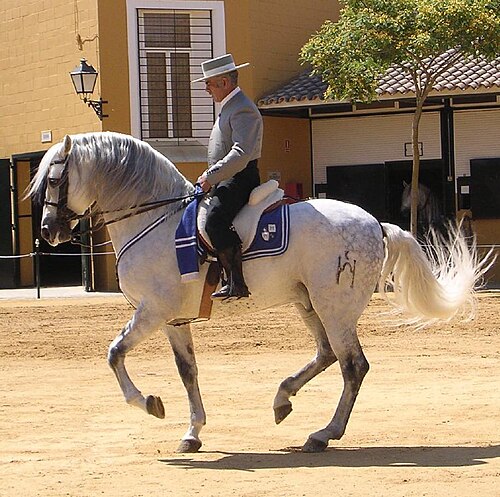 Andalusian horse Spain Photo: Fresco Tours · CC BY 2.0
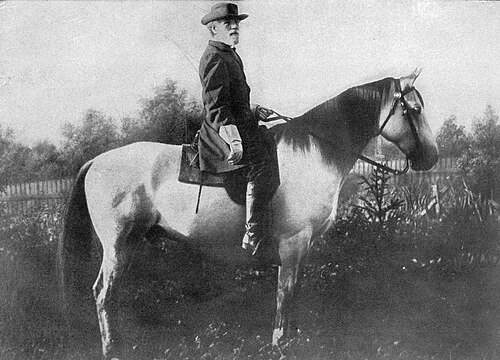 Georgian Grande Horse United States Photo: Michael Miley · Public domain
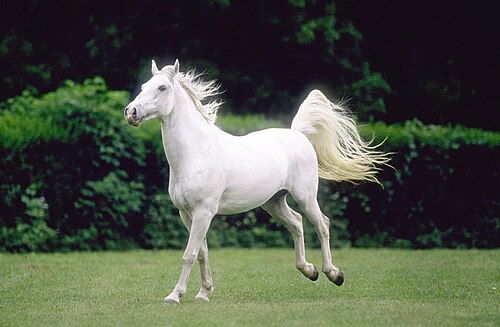 Lipizzaner Austria Weight 550 kg Photo: Srdjan Živulovič · Attribution
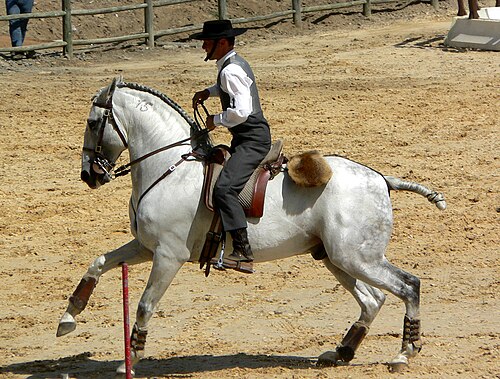 Lusitano Portugal Photo: Lbpetersen · CC BY-SA 3.0
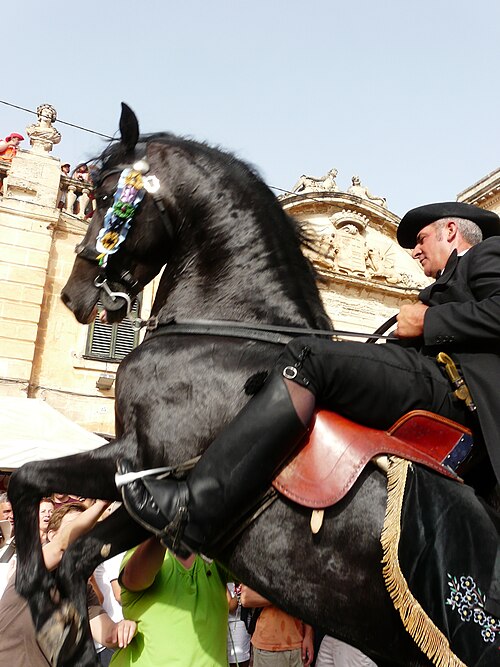
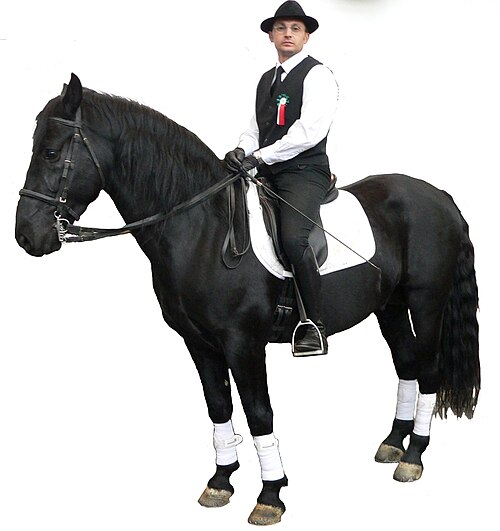 Murgese Italy Photo: BS Thurner Hof · CC BY-SA 3.0
Photo credits12 photographs on this page
- Knabstrupper — Hackmann · CC BY-SA 3.0 · file page
- Danish Warmblood — Sheila · CC BY 2.0 · file page
- Frederiksborg horse — Christian David Gebauer · Public domain · file page
- Jutland horse — Malene Thyssen · CC BY-SA 3.0 · file page
- Alter Real — Tsaag Valren · CC BY-SA 4.0 · file page
- Andalusian horse — Fresco Tours · CC BY 2.0 · file page
- Friesian horse — Drwho1972 · CC BY-SA 4.0 · file page
- Georgian Grande Horse — Michael Miley · Public domain · file page
- Lipizzaner — Srdjan Živulovič · Attribution · file page
- Lusitano — Lbpetersen · CC BY-SA 3.0 · file page
- Menorquín horse — Marta Ensesa · CC BY-SA 4.0 · file page
- Murgese — BS Thurner Hof · CC BY-SA 3.0 · file page
Photographs come from Wikimedia Commons under the licence each one names. How Animalso credits photographs.