
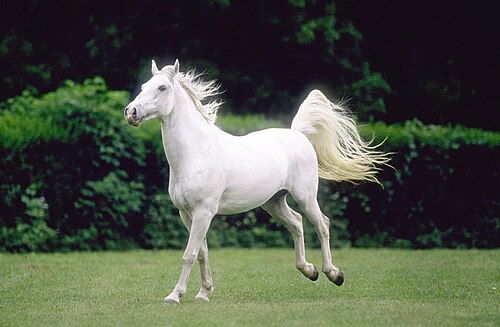
 Photo: Srdjan Živulovič · Attribution
horse breed · 671 on Animalso
Lipizzaner Horse: Origin, Type and Size
- Animal
- Horse
- Type
- Baroque horse
- Origin
- Austria, Slovenia
- Weight
- 550 kg
The Lipizzan, also called the Lipizzaner, is a European Baroque riding horse developed under the Habsburg Empire during the sixteenth century. It is associated with Austria and Slovenia. Its coat is usually gray, and its recorded weight is 550.
What the Lipizzaner is
The Lipizzan and Lipizzaner names refer to a European riding horse of Baroque type. Development took place in the Habsburg Empire during the sixteenth century.
The breed’s listed origins are Austria and Slovenia.
Getting to know the breed
Start with its role as a riding horse and its European history. The breed is linked to both Austria and Slovenia; see horse breeds from Austria for related breeds.
Strengths
The Lipizzaner has a clear riding-horse purpose and a long history in Europe.
Points to consider
This breed matures slowly, so it is not described as quick to reach full maturity.
Pricing
No purchase price is stated for the Lipizzaner in the available breed details.
Who may want another breed
Someone looking for a horse developed for a purpose other than riding may want to compare other breeds instead. Browse horse breeds to widen the choice.
Verdict
Choose the Lipizzaner if you want a European Baroque riding horse with roots in the Habsburg Empire. Look elsewhere if slow maturity or its usual gray coat does not fit what you seek.
What stands out
- Developed as a European riding horse
- Baroque horse type with a muscular build
- Usually has a gray coat
Worth knowing
- Matures slowly
- Its background is specifically tied to riding
Suits
- People seeking a European riding horse
- Readers interested in Baroque horse breeds
- Those exploring Austrian and Slovenian horse origins
Think twice if
- You want a breed developed for a purpose other than riding
- You prefer a horse that is not slow to mature
In short
The Lipizzaner is a historically established riding horse from Austria and Slovenia, with development dating to the sixteenth-century Habsburg Empire. The breed is also described as long-lived, and gray is its usual coat color. Its recorded weight is 550. This profile suits readers interested in a traditional European riding breed and its origins. Those wanting a different working background should compare other horse breeds before deciding.
Questions
What is a Lipizzaner?
The Lipizzan, also known as the Lipizzaner, is a European Baroque-type horse developed for riding.
Where did the Lipizzaner originate?
Its listed origins are Austria and Slovenia. Development took place in the Habsburg Empire.
When was the Lipizzaner developed?
Its development dates to the sixteenth century.
How much does a Lipizzaner weigh?
Its recorded weight is 550.
What color is a Lipizzaner?
The coat is usually gray.
What was the Lipizzaner bred for?
It was developed as a riding horse.
What type of horse is the Lipizzaner?
It is classified as a Baroque horse.
More horse breeds from Austria
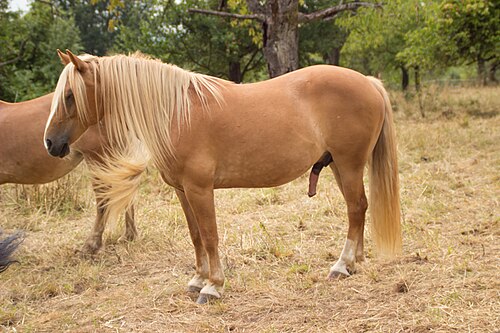
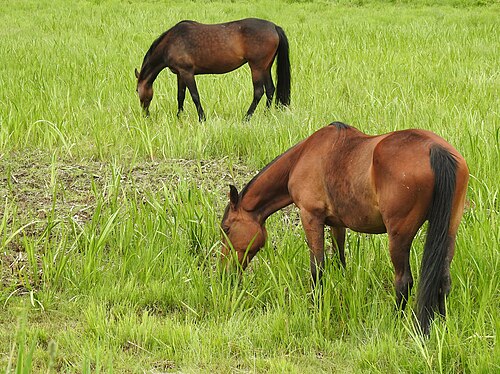
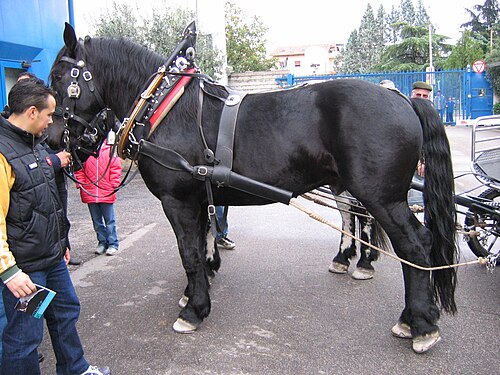
Other Baroque horse breeds
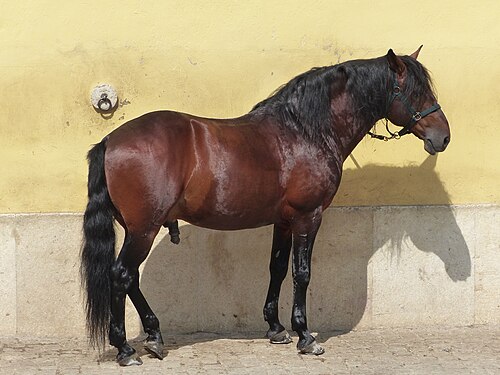 Alter Real Portugal Photo: Tsaag Valren · CC BY-SA 4.0
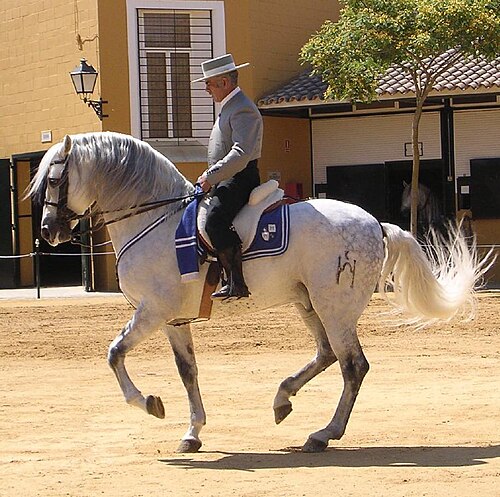 Andalusian horse Spain Photo: Fresco Tours · CC BY 2.0
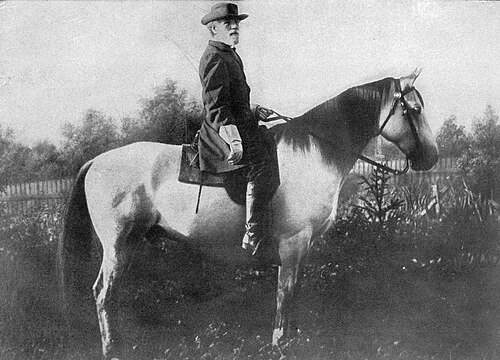 Georgian Grande Horse United States Photo: Michael Miley · Public domain
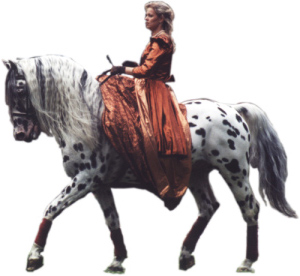 Knabstrupper Denmark Photo: Hackmann · CC BY-SA 3.0
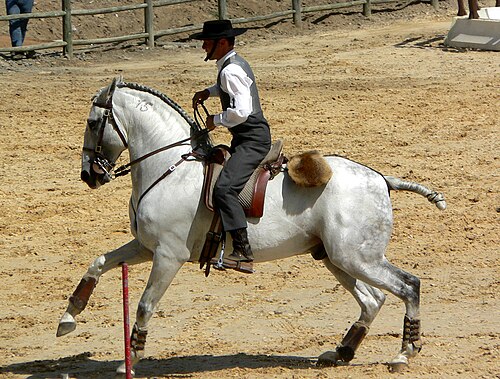 Lusitano Portugal Photo: Lbpetersen · CC BY-SA 3.0
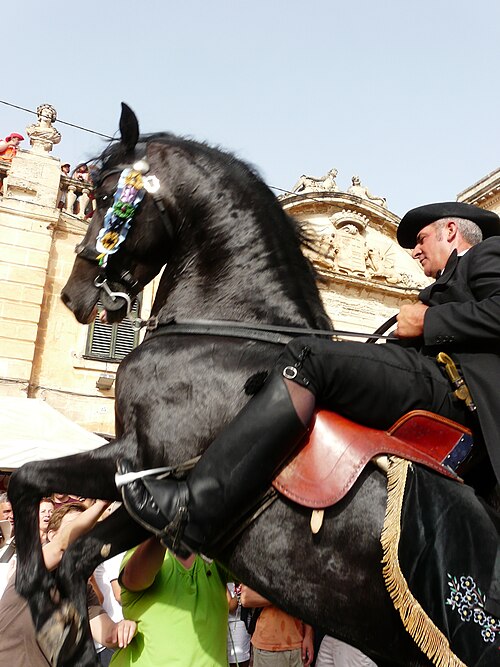
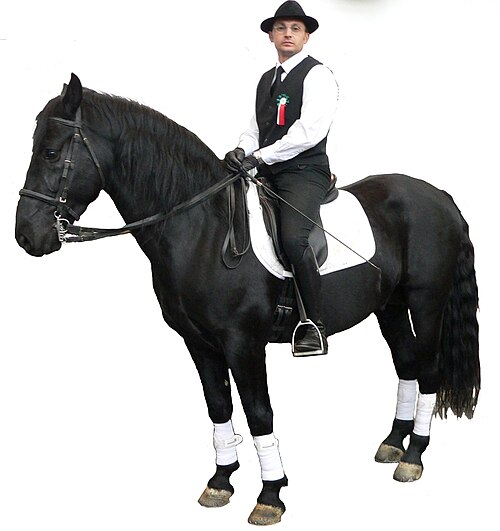 Murgese Italy Photo: BS Thurner Hof · CC BY-SA 3.0
Photo credits12 photographs on this page
- Lipizzaner — Srdjan Živulovič · Attribution · file page
- Araber-Haflinger — Nomygon · CC BY-SA 4.0 · file page
- Austrian Warmblood — Wald1siedel · CC BY-SA 4.0 · file page
- Noriker horse — Niora · Public domain · file page
- Alter Real — Tsaag Valren · CC BY-SA 4.0 · file page
- Andalusian horse — Fresco Tours · CC BY 2.0 · file page
- Friesian horse — Drwho1972 · CC BY-SA 4.0 · file page
- Georgian Grande Horse — Michael Miley · Public domain · file page
- Knabstrupper — Hackmann · CC BY-SA 3.0 · file page
- Lusitano — Lbpetersen · CC BY-SA 3.0 · file page
- Menorquín horse — Marta Ensesa · CC BY-SA 4.0 · file page
- Murgese — BS Thurner Hof · CC BY-SA 3.0 · file page
Photographs come from Wikimedia Commons under the licence each one names. How Animalso credits photographs.