
 Photo: Eponimm · CC BY-SA 3.0
horse breed · 671 on Animalso
Poitevin Horse
- Animal
- Horse
- Type
- Draft horse
- Origin
- France
- Height
- 1.6 cm
- Weight
- 750 kg
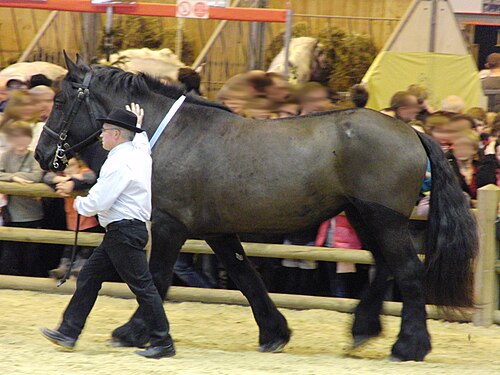
The Poitevin, also called Poitou, is a French draft horse from the former province of Poitou in west-central France. Flemish or Dutch horses crossed with local horses there in the seventeenth century. Despite its draft-horse build, it was mainly used to produce mules, rather than for draft work itself.
What the Poitevin horse is
The Poitevin, or Poitou, is a French draft-horse breed. It began in the former province of Poitou, now part of Nouvelle-Aquitaine; see horse breeds from France.
Horses of Flemish or Dutch origin were brought in during seventeenth-century drainage work at the Marais Poitevin. They crossed with local horses and formed the breed.
Background and traditional role
The breed’s main traditional role was producing mules. Poitevin mares were bred with jacks of the large Baudet du Poitou donkey breed.
The resulting mules were used for agricultural and other work in places including Russia and the United States.
What stands out
The Poitevin has the size and conformation of a draft horse.
Its breeding history is closely linked to mule production, a role that supported agricultural and other work in several countries.
Its French regional origin is clear, with the breed named for Poitou.
Points to keep in mind
Although it looks like a draft horse, the Poitevin was never bred for draft abilities and has seen little use for draft work.
Its principal traditional purpose was producing mules, so it may not suit someone seeking a horse developed specifically for pulling.
Pricing
No purchase price is stated for the Poitevin horse.
Who may want another breed
Look elsewhere if your main goal is a horse bred for draft work rather than a breed historically used to produce mules. A broader starting point is horse breeds.
Verdict
Choose the Poitevin if its French history, draft-horse form and mule-producing tradition match what you want to learn about or keep.
Skip it when you specifically need a breed developed for regular draft work, since that was not the Poitevin’s breeding purpose.
What stands out
- French breed with roots in the former province of Poitou
- Draft-horse size and conformation
- Traditionally produced mules for agricultural and other work
- Its mules were used in Russia and the United States
Worth knowing
- It was not bred for draft abilities
- It has seen little use for draft work
- Its traditional role centered on producing mules
Suits
- Readers tracing French horse breeds and regional origins
- People interested in the history of mule production
Think twice if
- You specifically want a horse developed for regular draft work
- You need a breed profile with a recorded lifespan figure
In short
The Poitevin is a French horse with a distinct regional story. Its draft-sized build can be misleading: the breed’s established purpose was to produce mules, not to perform draft work. That history makes it relevant for people interested in working-horse development and French breeds. It is a less direct match for anyone seeking a horse bred specifically for pulling. Consider its background first, then compare it with other entries in the wider horse-breed group.
Questions
Where did the Poitevin horse originate?
It originated in Poitou in west-central France, an area now within Nouvelle-Aquitaine.
What is the Poitevin horse also called?
The breed is also known as the Poitou.
How was the breed formed?
Flemish or Dutch horses brought to the area in the seventeenth century crossed with local horses.
What was the Poitevin mainly bred to do?
Its principal traditional use was producing mules. Poitevin mares were bred with Baudet du Poitou donkey jacks.
Was it bred as a draft horse?
It has draft-horse size and conformation, but it was never bred for draft abilities and was little used for draft work.
How large is a Poitevin horse?
The recorded height is 1.6 meters, and the recorded weight is 750 kilograms.
How long does a Poitevin horse live?
No lifespan figure is included in the supplied details.
More horse breeds from France
 Angevin horse France Photo: Eugène Gayot · Public domain
 Anglo-Norman horse France Photo: Wikimedia Commons contributor · Public domain
 AQPS France Photo: Tsaag Valren · CC BY-SA 4.0
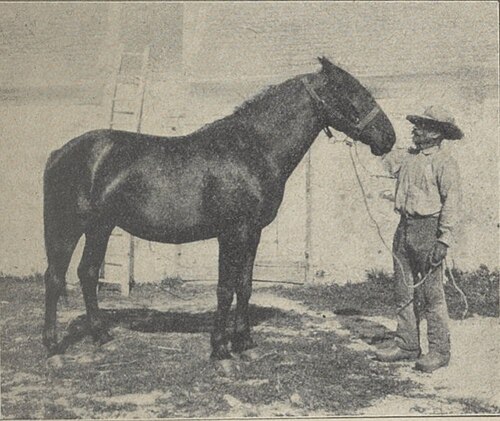 Berrichon horse France Height 1.58 cm Photo: Wikimedia Commons contributor · Public domain
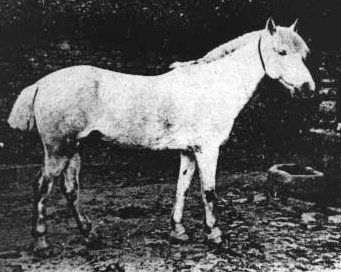 Bidet breton France Photo: Revue Sport universel illustré · Public domain
Other draft horse breeds
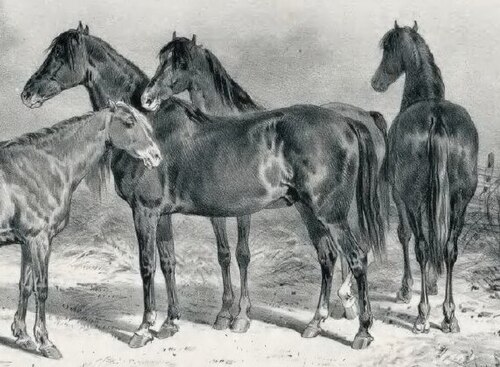 Brennou horse France Photo: Eugène Gayot · Public domain
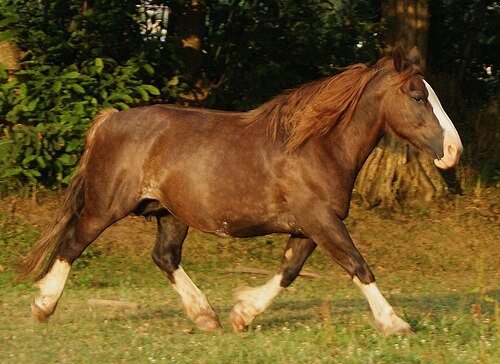
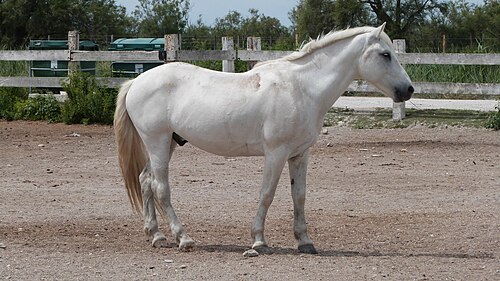
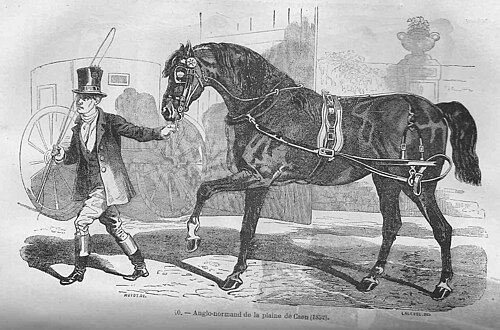 Carrossier noir du Cotentin France Height 1.5 cm Photo: L. Moll & Eug. Gayot · Public domain
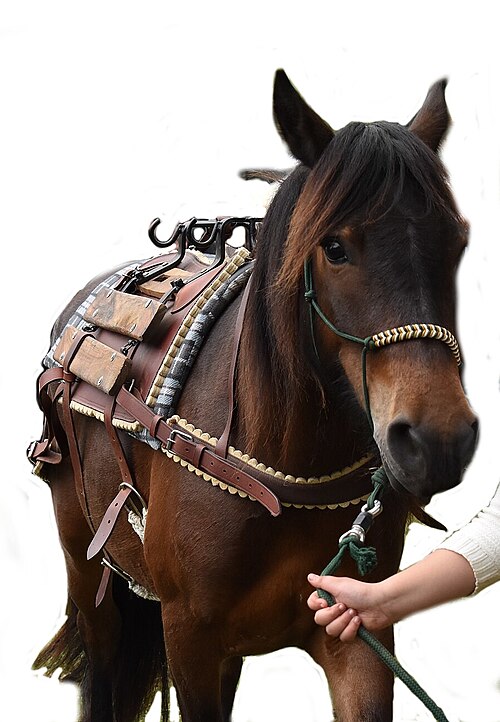
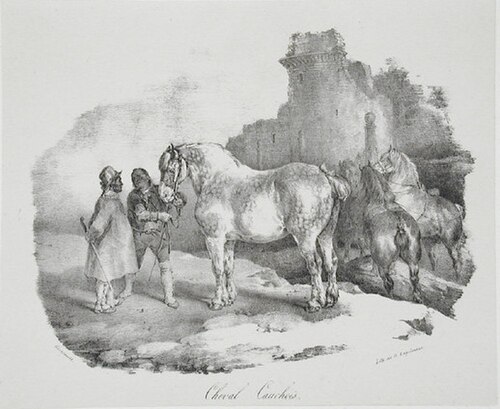 Cauchois horse France Photo: Théodore Géricault · Public domain
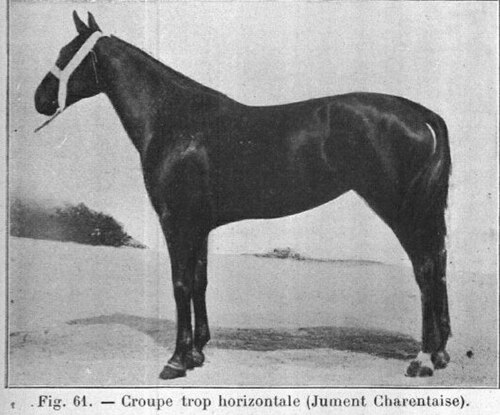 Charentais horse France Photo: Rélier Léonard · Public domain
Photo credits17 photographs on this page
- Poitevin horse — Eponimm · CC BY-SA 3.0 · file page
- Angevin horse — Eugène Gayot · Public domain · file page
- Anglo-Norman horse — Wikimedia Commons contributor · Public domain · file page
- AQPS — Tsaag Valren · CC BY-SA 4.0 · file page
- Auvergne horse — Stephanemartin · CC BY-SA 3.0 · file page
- Auxois — Cjp24 crop by Peli · CC BY 3.0 · file page
- Barraquand horse — Michael Barbereau WMFr · CC BY-SA 4.0 · file page
- Berrichon horse — Wikimedia Commons contributor · Public domain · file page
- Bidet breton — Revue Sport universel illustré · Public domain · file page
- Boulonnais — Amélie Tsaag Valren · CC BY-SA 4.0 · file page
- Brennou horse — Eugène Gayot · Public domain · file page
- Breton horse — Goulwena MOEL · CC BY-SA 3.0 · file page
- Camargue horse — Peter Broster · CC BY 3.0 · file page
- Carrossier noir du Cotentin — L. Moll & Eug. Gayot · Public domain · file page
- Castillonnais — Tylwyth Eldar · CC BY-SA 4.0 · file page
- Cauchois horse — Théodore Géricault · Public domain · file page
- Charentais horse — Rélier Léonard · Public domain · file page
Photographs come from Wikimedia Commons under the licence each one names. How Animalso credits photographs.