
Some links on this page are affiliate links: if you buy through them we may earn a commission, at no extra cost to you.
Yes. Active capsaicin bear spray can injure dogs, cats and other pets through a direct hit, wind-blown spray, contaminated fur or surfaces, or access to the pressurized canister. The clearest documented dangers are severe eye injury and intense irritation of the nose, skin and airways. An EPA label for a 2.0% capsaicin product warns that close-range eye exposure may cause irreversible damage and identifies risks to domestic animals.
That warning does not mean every exposure is fatal; no reliable pet-specific fatality rate or dose-response figure is established. Bear spray is a last-line defense for a charging or attacking bear, not a training aid, routine wildlife repellent or general way to stop a loose pet or dog.
As an Amazon Associate I earn from qualifying purchases.
Free tools Windows power users keep installed
One-click scans. No signup required.
What is bear spray, and why can it affect pets?
Bear spray is an aerosol irritant made with oleoresin capsicum, the concentrated oil that contains capsaicin and related capsaicinoids. It inflames the eyes and upper respiratory system rather than acting like a sedative. Alaska Department of Fish and Game describes a useful buying benchmark as 1–2% capsaicin and a range of at least 25 feet; an EPA label for Counter Assault Bear Deterrent specifies 2.0% capsaicin and related capsaicinoids.
The spray leaves a fast-moving cloud. Alaska’s guidance says the contents are under pressure, emerge at more than 70 mph and can cause permanent eye damage. Those physical and chemical properties matter for animals: a dog’s face may be close to the nozzle, a cat may walk through residue on a floor, and a small pet may be exposed to a concentrated cloud in an enclosed space.
Popular on Amazon

- EPA REGISTERED TO PROTECT AGAINST 9 SPECIES: Approved by the EPA to deter Bears, Mountain Lions, Coyotes, Feral Dogs, Moose, Bison, Wild Boars, Possums & Raccoons. Maximum-strength formula with 2.0% Major Capsaicinoids and HPLC lab-tested performance
- PROTECTION FROM A SAFE DISTANCE: Powerful spray deploys a dense 6ft-wide fog with an effective range up to 40 feet (12 m), with 6-7 seconds of total spray time, giving you more time and space to react to a bear attack or deter a charging mountain lion
- FAST, RELIABLE ACCESS IN BEAR COUNTRY: Quiet quick‑draw elastic belt holster for a secure & accessible carry while hiking or camping, the glow‑in‑the‑dark safety clip helps locate the spray at night, the bell helps to warn bears that you’re in the area
- EVERY BATCH VERIFIED FOR PERFORMANCE: Manufactured in the USA and HPLC lab tested to verify strength and consistency in every batch. Features a glow-in-the-dark safety wedge for fast identification in low-light conditions
- FIELD-TESTED & ENVIRONMENTALLY RESPONSIBLE: Federal EPA and Health Canada approved. Features eco-friendly 1234ze propellant and proven bear deterrent performance, delivering trusted protection without long-term environmental impact
Concentration, spray pattern, distance, wind, exposure time and the animal’s health all change the hazard. Do not turn the 1–2% buying benchmark into a “safe dose” for a pet; it is a product-selection guideline, not veterinary toxicology data.
How can dogs and other pets be exposed?
Pets do not have to be sprayed intentionally to be harmed. The main routes are direct contact, airborne drift, residue transfer and canister access.
Recommended Free Tools
Direct spray or close-range contact
A stream aimed at an animal’s face can cause immediate, intense pain, involuntary eye closure and breathing irritation. The EPA label warns that close-range eye spray may cause irreversible eye damage. Spray on skin or a nose can produce severe irritation, while fur can hold the material against the skin and later transfer it to the eyes or mouth during grooming.
Blowback and the airborne cloud
Wind can carry the cloud toward the person deploying it, a leashed dog, a nearby cat or another animal. The National Park Service advises being upwind when possible and notes that weather changes spray distance and direction. A pet inside a tent, vehicle or other confined area has less opportunity to escape the cloud and may inhale a higher concentration.
Residue on fur, floors, gear or food
Capsaicin residue can remain on fur, hands, clothing, floors, carriers and outdoor equipment. A dog may rub its face on a sprayed surface; a cat may groom contaminated paws; another animal may lick residue from a shared bowl. The EPA label says contaminated food or feed must not be eaten and says not to spray objects or gear. Do not use a bear-deterrent can as a surface disinfectant or area repellent.
Also popular on Amazon

- EPA REGISTERED TO PROTECT AGAINST 9 SPECIES: Approved by the EPA to deter Bears, Mountain Lions, Coyotes, Feral Dogs, Moose, Bison, Wild Boars, Possums & Raccoons. Maximum-strength formula with 2.0% Major Capsaicinoids and HPLC lab-tested performance
- PROTECTION FROM A SAFE DISTANCE: Powerful spray deploys a dense 6ft-wide fog with an effective range up to 40 feet (12 m), with 6-7 seconds of total spray time, giving you more time and space to react to a bear attack or deter a charging mountain lion
- FAST, RELIABLE ACCESS IN BEAR COUNTRY: Quiet quick‑draw elastic belt holster for a secure & accessible carry while hiking or camping, the glow‑in‑the‑dark safety clip helps locate the spray at night, the bell helps to warn bears that you’re in the area
- EVERY BATCH VERIFIED FOR PERFORMANCE: Manufactured in the USA and HPLC lab tested to verify strength and consistency in every batch. Features a glow-in-the-dark safety wedge for fast identification in low-light conditions
- FIELD-TESTED & ENVIRONMENTALLY RESPONSIBLE: Federal EPA and Health Canada approved. Features eco-friendly 1234ze propellant and proven bear deterrent performance, delivering trusted protection without long-term environmental impact
Chewing, puncturing or heat damage to the canister
The canister is both a chemical and a pressure hazard. A pet that chews or punctures it could be exposed to the irritant and to a sudden release of pressurized contents. The EPA label says not to puncture or incinerate the container, to keep it inaccessible to pets and to avoid temperatures above 130°F, at which point it may burst.
Do these 3 things before closing this tab:
1Scan for outdated or missing drivers - takes under a minute2Repair Windows errors before they cause bigger problems3Fix the driver behind crashes, sound loss and screen glitchesIs bear spray toxic to pets?
It is more accurate to call bear spray a powerful irritant with potentially serious injuries than to assign it a simple “toxic” or “non-toxic” label. The strongest product-specific evidence concerns eye damage and irritation of the nose, skin and respiratory tract. A veterinary handout from Pet Poison Helpline explains that inhalation of strong odors or fragrances can cause watery eyes or nose in dogs and cats and may progress to coughing, wheezing or breathing difficulty. Animals with pre-existing respiratory disease may be more vulnerable.
That general inhalation guidance does not provide a bear-spray dose, a safe exposure threshold or a prediction of outcome. There is no reliable pet-specific fatality rate or dose-response figure to use for reassurance. A small exposure that causes only tearing in one animal can be more serious in another, especially if the spray reaches the eyes, the animal has asthma or another breathing disorder, or exposure continues in a closed space.
What signs should I watch for after exposure?
Signs depend on the route and duration of exposure. Eye and airway symptoms deserve particular attention because they can worsen while the animal is still near residue or fumes.
- Persistent squinting, inability to open the eyes, marked tearing or apparent eye pain.
- Red or irritated skin, rubbing of the face, frantic pawing or repeated rolling.
- Watery nasal discharge, coughing, gagging, sneezing, wheezing or labored breathing.
- Drooling, pawing at the mouth or reluctance to eat after licking contaminated material.
- Weakness, collapse, seizures, loss of consciousness or behavior that is markedly abnormal.
Eye pain that does not quickly settle, breathing difficulty or any neurologic sign is an emergency. Do not wait for a pet to “sleep it off” after a substantial exposure.
Also popular on Amazon

- EPA REGISTERED TO PROTECT AGAINST 9 SPECIES: Approved by the EPA to deter Bears, Mountain Lions, Coyotes, Feral Dogs, Moose, Bison, Wild Boars, Possums & Raccoons. Maximum-strength formula with 2.0% Major Capsaicinoids and HPLC lab-tested performance
- PROTECTION FROM A SAFE DISTANCE: Powerful spray deploys a dense 6ft-wide fog with an effective range up to 40 feet (12 m), with 6-7 seconds of total spray time, giving you more time and space to react to a bear attack or deter a charging mountain lion
- FAST, RELIABLE ACCESS IN BEAR COUNTRY: Quiet quick‑draw elastic belt holster for a secure & accessible carry while hiking or camping, the glow‑in‑the‑dark safety clip helps locate the spray at night, the bell helps to warn bears that you’re in the area
- EVERY BATCH VERIFIED FOR PERFORMANCE: Manufactured in the USA and HPLC lab tested to verify strength and consistency in every batch. Features a glow-in-the-dark safety wedge for fast identification in low-light conditions
- FIELD-TESTED & ENVIRONMENTALLY RESPONSIBLE: Federal EPA and Health Canada approved. Features eco-friendly 1234ze propellant and proven bear deterrent performance, delivering trusted protection without long-term environmental impact
What should I do if my dog or pet gets sprayed?
Act promptly, but avoid spreading the irritant or adding an unproven treatment. Use this sequence while contacting professional help.
- Leave the cloud. Move the animal and yourself into fresh air, upwind if possible. Prevent the pet from returning to the contaminated area or rubbing against people and furniture.
- Call for product-specific advice. Contact your veterinarian or an animal poison-control service and describe the product, active ingredient, concentration, route and approximate duration of exposure. Have the canister or a clear photo of its label available.
- Do not improvise. Avoid home remedies, solvents and attempts to neutralize the spray. Do not induce vomiting unless a veterinary professional specifically directs you; doing so can expose the mouth and airway again.
- Escalate breathing and neurologic emergencies. Go directly to a veterinary clinic for breathing difficulty, collapse, seizures, unconsciousness or persistent severe eye pain. Call the clinic while traveling so staff can prepare an appropriate area for decontamination.
- Limit secondary spread. Keep contaminated blankets, collars, harnesses and food bowls away from other animals. Follow the veterinarian’s instructions for handling or discarding contaminated items rather than washing them in a shared sink.
ASPCA Poison Control lists 24/7 assistance at (888) 426-4435. Pet Poison Helpline also offers veterinary toxicology support; check its current contact details and fees when you call. Poison-control staff may ask for the animal’s species, weight, age, medical history and exact product label.
Can I use bear spray to stop a loose dog?
Only the circumstances described on the product label should guide use. The Counter Assault EPA label says the product may be used to deter bears or dogs that are attacking or appear likely to attack humans, and it says not to spray people, objects or tents. That language does not authorize spraying a household pet for training, punishment, barking, chasing or routine control of wildlife.
For a loose dog that is not attacking or about to attack a person, create distance, place a solid barrier between the animals, avoid running and seek the owner or animal-control service. If an attack on a person is imminent, any defensive action must still account for wind, bystanders and your own animal. A dog accompanying you can be hit by blowback even when the nozzle is pointed elsewhere.
What’s actually slowing this PC down?
Pick the symptom - the matching free tool is one click away.
How should I carry and store bear spray in a home with pets?
Use the handling practices recommended by the National Park Service and the EPA label. Treat the canister as a pressurized chemical device, not as an ordinary household aerosol.
Also popular on Amazon
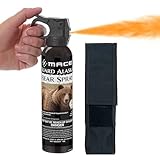
- LONG RANGE PROTECTION: This Mace bear deterrent spray provides protection from a safe distance with a powerful fogger pattern, giving you more time to react to a charging bear with up to 9 seconds of total spray time.
- MAX STRENGTH FORMULA: Made with 20% OC bear safe formula for maximum heat and potency, helping deter attacks and giving you time to retreat to safety.
- ALWAYS BE PREPARED: Essential for hiking, camping, and hunting. Its potent formula and long range spray coverage offers reliable protection so you can always be prepared for bear encounters.
- EASY TO USE: Designed with a finger loop handle for easy carrying and quick deployment in critical moments. To use, pull off the orange safety wedge and press down on the actuator.
- INCLUDES HOLSTER: Durable, heavy-duty nylon spray holster keeps your bear deterrent canister secure and within reach. Hook-and-loop closure allows for quick and easy access.
Carry it securely
- Use an EPA-approved canister intended for bear defense and a secure belt or chest holster.
- Keep the safety clip engaged until deployment is necessary.
- Position the holster so a dog cannot bump, chew or pull the canister free.
- Practice the motion with an inert bear-spray training can rather than discharging active spray.
Store it where animals cannot reach it
- Keep the canister in a locked or otherwise inaccessible location, away from children and pets.
- Do not leave it in a hot vehicle, near a heater or in direct sun; temperatures above 130°F can cause a canister to burst.
- Keep the nozzle protected and inspect the safety mechanism and container for damage before entering bear country.
- Do not place it beside pet food, bedding or grooming supplies where a leak could contaminate them.
Never spray the product on skin, clothing, camping gear or another personal item. Check the rules for the park, campground or jurisdiction you are visiting because some places prohibit possession or use.
When is bear spray appropriate around pets?
Bear spray is a last-line defense when a bear is charging or attacking. The National Park Service recommends spraying a cloud between you and the bear, not chasing, baiting or pre-spraying an area. Your pet should be under control before you enter bear habitat so you can retreat without dragging a leash through the cloud.
Do not use bear spray as an area repellent around a yard, campsite, kennel or food-storage site. Spraying a den, tent, vehicle, trash container or trail marker can contaminate surfaces, expose animals and violate the product label. If a bear is repeatedly visiting, remove attractants, secure garbage and contact local wildlife authorities for site-specific advice.
Quick wins for a faster PC:
Repair Windows errors before they cause bigger problemsFix Now →Scan for outdated or missing drivers - takes under a minuteDriver Scan →Are other bear-deterrent methods safer for pets?
There is no universal “safest” deterrent. Virginia Tech’s black-bear management review lists several nonlethal categories, each with different failure modes and animal-safety concerns. Choose according to the target species, setting, range, weather and whether a pet could physically reach the device.
| Method | How it works | Pet-related considerations |
|---|---|---|
| Loud noises | Discourage approach through sudden sound | May frighten, disorient or stress pets; sound can be ineffective in wind, traffic or dense habitat. |
| Bright lights | Make an area less attractive at night | Generally avoids chemical residue, but pets can be startled and lights may not deter a determined bear. |
| Electric fencing | Creates a physical boundary with an electrical stimulus | Requires correct installation, maintenance and pet-proof access; poorly designed fences can injure animals. |
| Guard dogs | Uses trained animals to signal or discourage bears | Introduces direct encounter and injury risks; it is not a substitute for supervision or secure fencing. |
| Habitat manipulation | Removes food, shelter or access that attracts bears | Often reduces encounter opportunities without exposing pets to chemicals, but requires consistent sanitation and site management. |
| Registered repellent | Uses a labeled chemical product to deter wildlife | Read the exact label for species, application site, residue and storage restrictions; do not assume it is interchangeable with bear spray. |
These categories are not ranked by pet safety in the available evidence. A physical barrier may be preferable for a permanent property boundary, while attractant removal addresses the reason a bear is visiting. A registered chemical repellent still requires label-compliant storage and handling.
Also popular on Amazon

- MAXIMUM STRENGTH FORMULA: Features 2.0% major capsaicinoids, the maximum strength allowed by the E.P.A., delivering powerful stopping capability when every second counts
- EXTENDED RANGE PROTECTION: Projects a powerful spray up to 35 ft (10.6 m), helping create a safe distance between you and an aggressive bear
- RAPID FULL DEPLOYMENT: Deploys in 5 seconds to help create a barrier of protection when every second counts
- QUICK & QUIET ACCESS TO PROTECTION: Includes a convenient holster that keeps your bear spray secure, accessible, and ready for fast deployment when every second counts
- ESSENTIAL FOR OUTDOOR ADVENTURES: Ideal for hikers, campers, hunters, anglers, and anyone spending time in bear country
What mistakes cause the most preventable pet exposures?
- Testing active spray near a pet: use an inert training can for practice.
- Leaving the canister in a vehicle: heat can raise internal pressure and cause a rupture.
- Spraying downwind: the cloud can reach you, your dog and bystanders.
- Using it on equipment or a campsite: residue can transfer to paws, fur, food and bedding.
- Assuming a label percentage is a pet-safe dose: concentration alone cannot predict injury.
- Waiting for severe signs: move to fresh air and call a professional as soon as exposure is known.
- Relying on a loose leash in bear country: a pet that runs toward a bear can trigger a chase and leave you unable to deploy a cloud safely.
What should pet owners remember?
Active capsaicin bear spray can harm pets through direct spray, blowback, residue or canister access. The most serious established concerns are eye injury and irritation of the skin, nose and airways, not a predictable fatal dose. Use an EPA-registered bear spray only for the labeled emergency purpose, carry it in a secure holster, store it away from pets and heat, and keep an inert training can for practice. After exposure, move the animal to fresh air, call a veterinarian or poison-control service, and treat breathing trouble, collapse, seizures, unconsciousness or persistent eye pain as an emergency.
Frequently Asked Questions
How long do bear-spray effects last in a dog?
Duration varies with the amount, route, ventilation and the animal’s health, so a fixed recovery time is not reliable. Persistent eye pain, coughing or breathing changes require veterinary guidance rather than waiting for a clock-based recovery.
The Tool Desk
Outbyte PC Repair FREEClear out junk files and repair common Windows errorsFree Scan →Outbyte Driver Updater FREEScan for outdated or missing drivers - takes under a minuteDriver Scan →Should I bathe my pet immediately after bear-spray exposure?
Ask a veterinarian or animal poison-control professional before washing, because the safest decontamination method depends on where the product landed and what materials are contaminated. Prevent rubbing and licking, move to fresh air and avoid spreading residue to your own eyes or other animals.
Can bear spray be kept in a car during a hike?
A hot vehicle is unsafe storage: the EPA label warns that temperatures above 130°F may cause the pressurized canister to burst. Carry it securely when needed and store it in a cool, inaccessible place when you return.
Is pepper spray made for people interchangeable with bear spray?
No. Products differ in formulation, spray pattern, range, labeling and instructions. Use only a product whose label covers the intended wildlife-defense use, and follow that label rather than substituting assumptions from another aerosol.





Leave a Reply