Yes—most healthy adult cats can have a small amount of plain, water-packed canned tuna as an occasional treat. It is not a complete cat food, so it should not replace balanced meals. Choose tuna without added salt, seasoning, onion, garlic, or sauce; avoid making human tuna a daily habit. For kittens or cats with health conditions, ask a veterinarian before offering it.
How much canned tuna can a cat eat?
There is no universal safe fraction of a can: can sizes and cats’ calorie needs differ. Keep tuna within your cat’s overall treat allowance. Cornell University College of Veterinary Medicine advises that treats generally make up no more than 10–15% of a cat’s daily calories, while the World Small Animal Veterinary Association lists 1 oz (28 g) of canned tuna in water at 36 kcal as an example treat entry. That example is not a prescribed serving for every cat; account for all treats and your cat’s daily calorie needs.
Offer a small bite occasionally rather than serving tuna as a meal or feeding it every day. If your cat is on a weight-management plan, ask your veterinarian how any treat fits into the daily diet.
Which kind of canned tuna is safest?
Water-packed, plain tuna
Plain tuna packed in water is the simpler choice for an occasional taste. Check the ingredient list: choose tuna without added salt or flavorings, and do not offer products containing onion, garlic, sauces, or other seasonings. Tuna packed for people is still a treat, not a nutritionally complete food for cats.
Free tools Windows power users keep installed
One-click scans. No signup required.
#1 Best Overall

- With real whitefish and tuna for the Friskies cat food tastes cats love. Tender shreds offer a tempting texture
- With savory whitefish and tuna cat food with sauce to add flavor and moisture. High-quality nutrition for adult cats with no artificial colors or preservatives
- Friskies Shreds canned cat food proudly manufactured in Purina-owned U.S. facilities. Contains essential vitamins and minerals
- Friskies cat food packaged in recyclable cans. Checked for quality and safety
- Enticing aroma leads her to her dish. Soft cat food formulated to meet or exceed industry standards for cat food
Oil-packed tuna
Oil-packed tuna adds fat and calories and is less suitable as a treat. PetMD’s veterinary-reviewed guidance recommends water-packed tuna over oil-packed tuna. If you do offer tuna, drain it and give only a small amount.
Brined, seasoned, or sauced tuna
Skip tuna in brine or with added seasonings, sauces, onion, or garlic. These additions are unnecessary for cats and make the ingredients less appropriate than plain tuna. Do not assume that rinsing it makes it suitable for regular feeding.
Rank #2

- Moist cat food made with real tuna and featuring extra gravy delivers extra yum in every bowlful
- 100 percent complete and balanced adult cat food nutrition with essential vitamins and minerals and no artificial colors or preservatives
- Smooth Purina Friskies canned cat food pate texture coupled with a delicious taste cats love to tempt your cat at mealtime
- Wet food for cats packaged in a convenient pull-tab can
- Purina Friskies extra gravy canned cat food crafted in U.S. facilities and backed by a trusted leader in pet nutrition
Does tuna contain mercury that can harm cats?
Mercury levels differ by tuna type. In a 2017 technical table, the U.S. FDA and EPA reported mean concentrations of 0.13 parts per million (ppm) for canned light tuna, including skipjack, and 0.35 ppm for canned albacore or white tuna. The agencies classify those types as “Best Choice” and “Good Choice,” respectively, for their human fish-consumption advisory. Those categories compare tuna types for people; they are not cat-specific serving limits.
Because repeated tuna feeding can create avoidable mercury exposure, do not make human tuna a regular part of a cat’s diet. A study indexed by PubMed fed kittens an elevated-mercury canned red-meat tuna diet exclusively for 100 days and found markedly higher mercury and selenium concentrations in their tissues than in controls. That study does not establish a safe portion for household cats, but it reinforces why tuna should not be a staple.
Quick wins for a faster PC:
Fix the driver behind crashes, sound loss and screen glitchesFind Drivers →Clear out junk files and repair common Windows errorsFree Scan →Scan for outdated or missing drivers - takes under a minuteDriver Scan →Rank #3

- REAL TUNA FIRST: This BLUE Tastefuls wet cat food starts with real, high-quality tuna as the first ingredient to deliver the essential nutrition your cat needs to thrive
- EXPERT-LED NUTRITION: Formulated to help your pet thrive from the inside out, Blue Buffalo Tastefuls wet cat food is developed by a dedicated team of veterinarians and animal nutritionists for a trusted option in healthy cat food brands
- DELICIOUS TASTE CATS LOVE: Tender flakes in savory gravy make this flaked recipe a highly palatable wet cat food choice that satisfies even finicky cats
- HIGH MOISTURE CONTENT: Wet cat food naturally provides high moisture to support daily hydration and overall urinary tract health for cats at every life stage
- TRUE BLUE PROMISE: Healthy wet cat food enhanced with vitamins, minerals, and other nutrients with NO poultry by-product meals, NO corn, wheat, or soy, and NO artificial flavors or preservatives
Why human tuna cannot replace cat food
Cats are obligate carnivores and need particular nutrients from animal sources, but that does not mean any meat or fish alone supplies a balanced diet. Human canned tuna is not formulated to meet a cat’s full nutritional needs. Cornell notes that treats are not complete and balanced and reports that some cats eating canned fish products intended for people have developed potentially serious neurological disorders.
For regular meals, use a cat food whose label states it is complete and balanced for the appropriate life stage. Tuna formulated specifically for cats may be suitable as a regular food if its label carries a nutritional adequacy statement; check that statement rather than relying on the word “tuna” or “cat food” on the package. PetMD notes that cat-formulated tuna products may include additional ingredients and can be appropriate for daily feeding when nutritionally balanced.
Rank #4
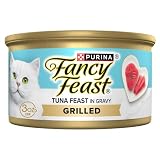
- Fancy Feast wet cat food made without artificial colors or preservatives
- Crafted with real, high-quality ingredients to deliver 100 percent complete and balanced canned cat food
- Fancy Feast grilled cat food developed in partnership with our expert nutritionists to create a unique and unforgettable taste experience for your cat
- Crafted with real tuna in a light, savory gravy for cats
- Protein-rich, gourmet soft cat food recipe creates a flavor-filled experience. Savory gravy adds to the delicious taste
Can kittens or cats with health conditions have tuna?
Kittens generally need more frequent meals than adult cats, and their diet must support growth. Do not use human tuna to supplement or replace a kitten’s complete food without veterinary advice. Cornell recommends tailoring meal amount and frequency to age, health, and individual needs, with a veterinarian as the best source for feeding and weight guidance.
Ask your veterinarian before offering tuna to a cat that is pregnant or nursing, has kidney disease, obesity, food allergies, or another condition requiring a managed diet. If your cat develops gastrointestinal or neurological signs after eating tuna, contact a veterinarian promptly.
Best Value
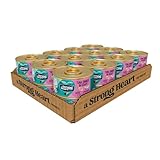
- Real Tuna, Named First-Ingredient Protein: High-quality protein to support muscle development and everyday energy.
- Complete Nutrition, All Life Stages: Full vitamin and mineral profile with essential nutrients for overall health.
- Savory Gravy: Extra moisture and flavor cats look forward to at mealtime.
- Easy-to-Eat Texture: Soft tuna and gravy suitable for cats of any age.
- Made in the USA: 3oz cans, pack of 24, manufactured in U.S. facilities.
Can tuna help a cat drink more water?
Some cats are attracted to the flavor of tuna-can water. Cornell says a small amount can be used to flavor drinking water, but this is only a hydration aid—not a meal or a substitute for fresh water. Keep clean water available at all times. Wet cat food can contain up to 80% water, and some cats drink more readily from a fountain, but individual hydration needs vary.
Quick Recap
Product prices and availability are accurate as of the date/time indicated and are subject to change. Any price and availability information displayed on Amazon at the time of purchase will apply.




