Yes—cats can develop age-related cognitive dysfunction, often called feline cognitive dysfunction syndrome (CDS). But new nighttime yowling, disorientation, or litter-box accidents do not prove dementia: pain, high blood pressure, thyroid or kidney disease, urinary problems, sensory loss, and other conditions can look similar. Arrange a veterinary evaluation for new or unusual behavior rather than diagnosing your cat from a checklist.
What feline dementia means
Feline cognitive dysfunction syndrome is a possible age-related explanation for changes in a cat’s behavior and daily routines. It is less well described in cats than in dogs, and veterinarians consider it only after evaluating medical and environmental causes. The 2021 AAFP Feline Senior Care Guidelines call CDS a diagnosis of exclusion.
As an Amazon Associate I earn from qualifying purchases.
The guideline reports that more than 25% of cats aged 11 years or older have certain behavioral changes without a recognized medical cause, including excessive vocalization, altered social interactions or activity patterns, and house-soiling. That figure does not mean those cats have confirmed dementia.
PC Slower Than It Used to Be?
A free scan shows the junk files, broken settings and background clutter dragging Windows down - then fixes them in one click.Free scan · Windows 10 & 11Crashes, No Sound, or Screen Glitches?
Random freezes, missing sound and display glitches usually trace back to one bad driver. Find and replace yours safely.Free scan · under a minuteSigns that may warrant an evaluation
Possible cognitive changes can affect orientation, interaction, activity, sleep, vocalization, and toileting. The Cornell Feline Health Center’s cognitive dysfunction guide, reviewed in 2024, also describes wandering, staring, reduced interest in play, and changes in eating or drinking.
#1 Best Overall

- Purina indoor cat food made with real chicken as the number 1 ingredient to support strong muscles, including a healthy heart
- High fiber cat food made with high-quality nutrients and glucosamine helps support the health of cats age 7+
- A natural fiber blend in Purina indoor dry cat food helps minimize hairballs
- Adult cat food includes four antioxidant sources to help support a strong immune system in a crunchy kibble with calcium for strong teeth and healthy gums
- Hairball control cat food features a great taste and deliciously crunchy bites with no artificial flavors or preservatives
- Appearing confused or disoriented in familiar places
- Changes in how the cat interacts with people or other animals, or less interest in usual activities
- Sleeping differently, including being more active or vocal at night
- Urinating or defecating outside the litter box
- Wandering, staring, or changes in appetite or thirst
These signs are not specific to CDS. One sign—or several—cannot confirm dementia, and a gradual change can be easy to mistake for ordinary aging.
Why an older cat may meow at night or miss the litter box
Several treatable or manageable problems can cause behavior that resembles cognitive change. Cornell notes that hyperthyroidism and high blood pressure can be associated with nighttime vocalization; high blood pressure can also affect vision. Kidney disease may change urination and litter-box behavior, while arthritis can make climbing into a box difficult. Dental disease may reduce interest in food.
Rank #2

- Purina indoor cat food made with real chicken as the number 1 ingredient to support strong muscles, including a healthy heart
- High fiber cat food made with high-quality nutrients and glucosamine helps support the health of cats age 7+
- A natural fiber blend in Purina indoor dry cat food helps minimize hairballs
- Adult cat food includes four antioxidant sources to help support a strong immune system in a crunchy kibble with calcium for strong teeth and healthy gums
- Hairball control cat food features a great taste and deliciously crunchy bites with no artificial flavors or preservatives
Other possible explanations include pain, urinary problems, sensory decline, and neurologic disease. Because the same behavior can have different causes, a veterinarian should assess a new or unusual pattern instead of assuming it is dementia.
What the veterinary evaluation may involve
The veterinarian will need the history of what changed and when, along with an examination and appropriate tests. The AAHA Senior Care Guidelines describe a thorough history, physical and neurologic examinations, biochemical evaluation, and urinalysis as parts of assessing possible cognitive dysfunction and ruling out other causes. They recommend MRI to rule out structural disease; the veterinarian can explain whether advanced imaging is appropriate for an individual cat.
Rank #3

- 100 percent complete and balanced nutrition for adult cats 7 and older. Includes antioxidants to support immune system health
- Contains taurine, an essential amino acid for cats. High levels of vitamin E support a healthy coat
- High protein cat food recipe supports strong muscles. Our Fancy Feast Senior 7+ recipes are crafted in U.S. facilities
- From the number 1 gourmet cat food brand in the U.S.. The delectable flavors and appealing textures you expect from Fancy Feast
- Convenient pull-tab cans for easy feeding. Tailored nutrition to help meet senior cats’ special needs
Before the appointment, keep a simple record of the behavior: when it happens, how often, and what else has changed. The AAFP guideline recommends recording and reviewing images or videos of daily routines, which can help make gradual changes easier to identify. Bring relevant clips and notes to the visit.
How to make home life easier
Environmental support can reduce avoidable stress and address access problems, even though it does not treat cognitive dysfunction. The AAFP guideline recommends keeping the home stable and avoiding rearrangement of the cat’s major resources.
Rank #4

- Veterinarians Recommend IAMS: Feed your favorite feline IAMS Proactive Health dry cat food to support their whole-body health
- Discover the Proactive 5 Difference: The Proactive 5 health benefits for IAMS Proactive Health are scientifically designed to support five key areas of your cat’s health, keeping them full of life, for more of life
- #1 Ingredient is Real Chicken. This nutrient-rich senior cat food is made with real chicken, contains high-quality protein sources, and supports a healthy body
- Maintains Healthy Digestion: A specialized fiber blend and prebiotics help nourish the intestinal cells and improve the absorption of nutrients
- Healthy Immune System: IAMS Proactive Health Senior dry cat food contains an elevated level of vitamin E, which helps restore immune response to that of a healthy adult cat
- Keep food, water, resting places, and litter resources in familiar, consistent locations.
- If stepping into the litter box is difficult, consider a low-entry box and place it where the cat can reach it easily.
- If mobility makes favorite places hard to reach, steps or a ramp may help; raised bowls or a warm resting place may also suit some senior cats.
- Choose accommodations for the individual cat’s physical needs and observe whether they are easy to use.
These adjustments support access and routine. They should not be presented as a way to restore memory or stop cognitive decline.
Free tools Windows power users keep installed
One-click scans. No signup required.
Medication, diets, and supplements
There is no established, licensed drug treatment for feline CDS in the guidance cited here. The AAFP guideline discusses environmental management, nutrition, supplements, pheromones, and possible veterinarian-directed medication. It says selegiline may be considered if other approaches fail, but no drugs are licensed for feline CDS. AAHA notes limited-quality evidence for various diets, supplements, nutraceuticals, and acupuncture.
Best Value
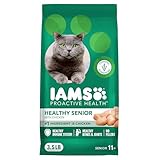
- Veterinarians Recommend IAMS: Feed your favorite feline IAMS Proactive Health dry cat food to support their whole-body health
- Discover the Proactive 5 Difference: The Proactive 5 health benefits for IAMS Proactive Health are scientifically designed to support five key areas of your cat’s health, keeping them full of life, for more of life
- #1 Ingredient is Real Chicken. This nutrient-rich senior cat food is made with real chicken, contains high-quality protein sources, and supports a healthy body
- Maintains Healthy Digestion: A specialized fiber blend and prebiotics help nourish the intestinal cells and improve the absorption of nutrients
- Healthy Immune System: IAMS Proactive Health Senior dry cat food contains an elevated level of vitamin E, which helps restore immune response to that of a healthy adult cat
Do not start a medication or supplement without veterinary advice, and do not transfer canine dosing or treatment instructions to cats. If a veterinarian suspects CDS, ask what evidence supports a proposed approach, what specific problem it is intended to address, and how its effects and any side effects will be monitored.
When to contact a veterinarian
Arrange an appointment when an older cat develops a new or unusual behavior, such as nighttime vocalization, disorientation, altered interaction, or house-soiling. A prompt evaluation is especially important when behavior changes occur alongside changes in urination, thirst, appetite, vision, mobility, or signs of pain. The AAHA guidance on senior-cat behavior likewise advises evaluating senior cats with new or unusual behavior for medical conditions.
Quick Recap
Product prices and availability are accurate as of the date/time indicated and are subject to change. Any price and availability information displayed on Amazon at the time of purchase will apply.




