Free tools Windows power users keep installed
One-click scans. No signup required.
Can dogs eat salmon fish? Dogs can generally eat thoroughly cooked, plain, boneless salmon in moderation, but raw or undercooked salmon should be avoided because it can transmit salmon poisoning disease and carry harmful bacteria. Smoked, salted, seasoned, and bony salmon are poor choices.
Salmon can be an occasional treat for many healthy dogs, but preparation determines whether the fish is a reasonable food or a serious hazard. Dogs with pancreatitis, obesity, food sensitivities, gastrointestinal disease, or prescription diets may need individualized veterinary advice.
As an Amazon Associate I earn from qualifying purchases.
Key takeaways
- Plain, thoroughly cooked, boneless salmon can be an occasional food for many healthy dogs.
- Raw or undercooked salmon can transmit salmon poisoning disease, a potentially fatal infection associated especially with the Pacific Northwest.
- Salmon poisoning disease often begins about 5–7 days after exposure but can be delayed up to 33 days.
- Smoked, salted, marinated, heavily seasoned, oily, or bone-containing salmon should not be used as a routine dog treat.
- There is no universal salmon portion that fits every dog; serving size depends on body size, health, total calories, and the dog’s regular diet.
Can dogs eat salmon fish safely?
Can dogs eat salmon fish? Dogs can generally eat thoroughly cooked, plain, boneless salmon in moderation, but raw or undercooked salmon should be avoided because it can transmit salmon poisoning disease and carry harmful bacteria. Smoked, salted, seasoned, and bony salmon are poor choices.
Veterinary guidance supports cooked salmon for dogs when the fish is prepared safely. Salmon is not automatically safe in every form, however. Cooking, ingredients, bones, portion size, and the individual dog’s medical needs all matter.
#1 Best Overall
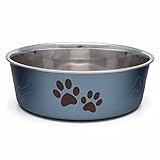
- STAINLESS STEEL & DURABLE - This Bella Bowl (27 oz, 6.75" x 2") features a stainless steel design with a poly-resin exterior great for dog food mat, which makes them dish washer safe and easy to keep clean and hygienic. Perfect cat food bowl or dog water bowl for home & travel.
- REMOVEABLE RUBBER BASE - This feature prevents and ensures no spill water bowl for dogs. It’s perfect for puppy food and makes an excellent addition to your dog feeding station. Watch the bowl stand steady on your pet food mat, making it a great complement to your dog mat and other dog stuff.
- PATENTED AWARD-WINNING DESIGN – Bella Bowls are renowned for being the bestselling bowls in the pet industry. The Bella Bowl Stainless Steel Bowls come in a variety of sizes, making this versatile dog food bowl perfect for all pets—from puppy bowls and small bowls to dog bowls large breed and everything in between! These bowls are also ideal for use as a cat water bowl, with smaller sizes being highly recommended for cat bowls for indoor cats.
- REAL STEEL STYLISH & COLORFUL DOG FEEDER – Available in a wide range of vibrant colors, this dog bowl seamlessly complements any pet supplies collection or dog accessories and makes a fantastic addition to your home’s décor. The Bella Bowls come in beautiful hues like blueberry and artichoke, making them a perfect fit for your dog bowl mat or cat food mat.
- VETERINARIAN RECOMMENDED – This stainless steel dog bowl and stainless steel cat bowls have all the benefits of stainless steel making them hygienic and clean. Bella bowls are truly a must-have for any cat feeding station and essential addition to your dog supplies.
“Dogs can safely eat cooked salmon,” says Dr. Ashly Smith, Regional Medical Director of Small Door Veterinary, in guidance quoted by the American Kennel Club.
What kind of salmon is safest for dogs?
The safest human-food version is fully cooked salmon that is plain, boneless, and offered as a small occasional addition to the dog’s normal diet.
| Salmon form | General choice | Why |
|---|---|---|
| Plain, thoroughly cooked, boneless salmon | Usually suitable in moderation | Cooking reduces parasite risk, while removing bones reduces choking and digestive-injury hazards. |
| Raw or undercooked salmon | Avoid | Can carry the parasite and bacterium associated with salmon poisoning disease, as well as foodborne pathogens. |
| Smoked or cured salmon | Avoid as a routine treat | Smoking and curing commonly add substantial salt and may involve other ingredients; the reviewed guidance does not establish smoked salmon as a routine safe choice. |
| Salmon with garlic, onion, sauces, marinades, butter, or heavy seasoning | Avoid | Added ingredients can be unsuitable or dangerous for dogs, and rich preparations can add unnecessary fat and calories. |
| Salmon containing bones | Avoid | Small, brittle bones can choke a dog or injure the digestive tract. |
Safe preparation checklist
- Cook the salmon thoroughly rather than serving it raw, rare, or merely seared.
- Inspect the fish carefully and remove every bone before serving. Do not assume a fillet is bone-free.
- Serve the fish plain, without salt, garlic, onion, sauces, marinades, butter, or heavy seasoning.
- Let the salmon cool, then offer a small amount the first time.
- Keep salmon occasional unless a veterinarian or veterinary nutritionist has deliberately included it in a properly formulated diet.
The American Kennel Club’s salmon-feeding guidance for dogs also emphasizes fully cooked fish, careful bone removal, and avoiding unsafe preparations.
Can dogs eat raw salmon?
No. Raw or undercooked salmon should not be fed to dogs because infected salmonids can transmit salmon poisoning disease, and raw animal products can also carry harmful bacteria.
Salmon poisoning disease is not simple chemical poisoning from eating salmon. The disease involves the bacterium Neorickettsia helminthoeca, which dogs acquire when they eat raw or undercooked salmonids—such as salmon, trout, or steelhead—containing the infected fluke Nanophyetus salmincola. The fluke carries the bacterium in the disease cycle.
According to the Merck Veterinary Manual reference on salmon poisoning disease, infected fish are associated with the Pacific Ocean and rivers used by migrating fish, with the greatest prevalence described from northern California to Puget Sound and north toward Alaska. The geographical concentration does not make raw salmon safe elsewhere; it identifies areas where the specific disease risk is particularly important.
Rank #2

- Stainless Steel Pet Bowl: Made for daily food or water use with a simple, practical design
- Silicone Nonslip Bottom: Helps reduce sliding and noise on smooth feeding surfaces
- Wide, Stable Shape: Designed to sit steadily during everyday meals
- Easy to Clean: Smooth stainless steel surface rinses clean and is dishwasher safe
- Stackable Design: Bowls can be stacked for compact storage when not in use
What is salmon poisoning disease in dogs?
Salmon poisoning disease is a serious bacterial infection that follows ingestion of an infected raw or undercooked salmonid. The disease is medically urgent because untreated illness can progress rapidly and may be fatal.
Quick wins for a faster PC:
Fix the driver behind crashes, sound loss and screen glitchesFind Drivers →Repair Windows errors before they cause bigger problemsFix Now →Scan for outdated or missing drivers - takes under a minuteDriver Scan →According to Merck Veterinary Manual (2026), “up to 90% of affected dogs die within 7–10 days” without treatment. The statistic applies to dogs that have salmon poisoning disease and remain untreated; it does not mean that 90% of all dogs that eat salmon will die.
What symptoms can salmon poisoning cause?
Possible signs of salmon poisoning disease include:
- Fever, followed by weakness or lethargy
- Loss of appetite
- Vomiting
- Diarrhea, which may be bloody
- Dehydration and weight loss
- Enlarged lymph nodes
- Nasal or eye discharge
- In severe cases, low body temperature, neurological signs, shock, or death
According to Merck’s dog-owner guidance, signs commonly begin approximately 5–7 days after an infected fish is eaten, but onset can be delayed for as long as 33 days. A dog can therefore appear well immediately after eating raw salmon and still become ill later.
What should I do if my dog ate raw salmon?
Call a veterinarian promptly for exposure-specific advice, particularly if the dog ate raw or undercooked salmon in or near the Pacific Northwest. Do not wait for every symptom to appear, and do not attempt to diagnose or treat salmon poisoning at home.
Crashes, No Sound, or Screen Glitches?
Random freezes, missing sound and display glitches usually trace back to one bad driver. Find and replace yours safely.Free scan · under a minutePC Slower Than It Used to Be?
A free scan shows the junk files, broken settings and background clutter dragging Windows down - then fixes them in one click.Free scan · Windows 10 & 11- Remove access to the remaining fish. Keep the packaging or a photograph of the fish available for the veterinarian if possible.
- Record what happened. Note what type of fish the dog ate, whether it was raw or cooked, approximately when it was eaten, and how much may have been consumed.
- Contact a veterinary clinic. Tell the clinic about the raw-fish exposure and the dog’s location, especially if exposure occurred in the Pacific Northwest.
- Escalate urgently if signs develop. Vomiting, diarrhea, bloody stool, fever, weakness, appetite loss, dehydration, or enlarged lymph nodes warrant prompt veterinary attention.
Veterinary treatment may involve antimicrobial and supportive care, but medication choices and dosing require veterinary supervision. The VCA salmon-poisoning guidance explains why suspected cases should be managed by a veterinarian rather than with home remedies. Do not induce vomiting or give antibiotics, praziquantel, or other medication unless a veterinarian specifically directs you to do so.
Rank #3
- Stainless Steel Pet Bowl: Made for daily food or water use with a simple, practical design
- Silicone Nonslip Bottom: Helps reduce sliding and noise on smooth feeding surfaces
- Wide, Stable Shape: Designed to sit steadily during everyday meals
- Easy to Clean: Smooth stainless steel surface rinses clean and is dishwasher safe
- Stackable Design: Bowls can be stacked for compact storage when not in use
Is raw salmon also a bacterial risk?
Yes. Salmon poisoning disease is distinct from ordinary bacterial contamination, but both concerns support avoiding raw or undercooked animal products.
The U.S. Food and Drug Administration says raw pet food is more likely than processed pet food to contain harmful bacteria such as Salmonella and Listeria monocytogenes. In an FDA 2014 study of 196 raw commercial dog and cat food samples, 15 samples tested positive for Salmonella and 32 tested positive for Listeria monocytogenes. These were raw commercial pet-food samples broadly, not salmon-specific samples, so the figures are not a contamination rate for salmon.
Contaminated raw food can expose people through handling, kitchen surfaces, and contact with animals that shed pathogens. The FDA’s raw pet-food safety guidance states: “The single best thing you can do to prevent infection with these foodborne bacteria is to not feed your pet a raw diet.”
What’s actually slowing this PC down?
Pick the symptom - the matching free tool is one click away.
How much salmon can I give my dog?
There is no single salmon serving size that is appropriate for every dog. The right amount depends on the dog’s size, age, activity, existing diet, total daily calories, and health conditions, so a veterinarian should guide portions for dogs with obesity, pancreatitis, gastrointestinal disease, food sensitivities, or a prescription diet.
For a healthy dog that has never eaten salmon, start with a small piece of plain, cooked, boneless fish. Monitor the dog for vomiting, diarrhea, itching, or other signs of intolerance before offering more on another occasion. Salmon should remain an occasional addition rather than displacing the dog’s nutritionally complete main food.
Do not rely on a precise internet formula for salmon by body weight. The reviewed authoritative sources do not establish one universal salmon serving formula, a percentage of dogs that can safely eat salmon, or a salmon-specific bacterial-contamination rate.
Rank #4
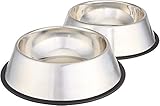
- Set of 2 stainless-steel food bowls for puppies, dogs, cats, or kittens
- Max fill (to the rim) 38 oz / 1.15 L each bowl, recommended fill up to 28 oz/ 0.8 L, perfect for dry kibble, wet food, treats, or water.
- Rust resistant; offers a healthy alternative to plastic; doesn’t hold odors
- No-slip design; rubber base protects floors and prevents bowls from sliding while your pet eats
- Dishwasher-safe for easy cleaning
Are salmon dog treats safe?
Commercial salmon dog treats can be a convenient alternative to preparing human salmon, but “salmon” on the front of a package does not guarantee that every product is suitable for every dog.
The Tool Desk
Outbyte PC Repair FREERepair Windows errors before they cause bigger problemsFix Now →Outbyte Driver Updater FREEFix the driver behind crashes, sound loss and screen glitchesFind Drivers →When evaluating salmon dog treats, look for a product that is cooked or commercially processed, bone-free, and intended for dogs. Check the ingredient list for salt, onion, garlic, sauces, and other seasonings; check calories and feeding directions; and follow the manufacturer’s storage, lot, and recall information. A treat should fit the dog’s overall calorie budget and medical needs.
AAFCO explains in its guidance on treats and chews that ordinary treats are generally not required to be complete and balanced. A salmon treat should therefore complement—not replace—the dog’s primary nutritionally complete food. A salmon-based food labeled complete and balanced has a different nutritional role, but the individual product label still needs to be checked.
Independent reader supportYour contribution helps us test, update, and keep practical guides available for everyone.What is the difference between human salmon, salmon treats, and salmon-based dog food?
Human salmon, salmon treats, and salmon-based complete food differ mainly in processing, ingredient control, portion guidance, and nutritional purpose.
| Option | Processing and ingredient check | Nutritional role | Best safety question |
|---|---|---|---|
| Plain human salmon | Must be thoroughly cooked, plain, and completely boneless | Occasional addition or treat | Were all bones removed and were salt, onion, garlic, sauces, and rich ingredients excluded? |
| Commercial salmon dog treat | Check that it is cooked or processed, bone-free, and labeled for dogs | Occasional treat; generally not required to be complete and balanced | What are the calories, ingredients, feeding directions, storage instructions, and recall details? |
| Salmon-based complete and balanced dog food | Follow the product label and verify the nutritional adequacy statement | Can serve as the main diet when appropriate for the dog’s life stage | Is the specific product labeled complete and balanced for the dog’s life stage and suitable for the dog’s health needs? |
AAFCO’s pet-food label guidance can help owners distinguish a treat or snack from food intended to provide complete and balanced nutrition. A product’s salmon content alone does not determine whether the product can replace a complete diet.
Can dogs eat salmon skin or salmon bones?
Salmon bones should not be fed to dogs because small, brittle pieces can cause choking or injure the digestive tract. Remove bones from the entire portion before serving, including bones that may be difficult to see.
Best Value

- DOG BOWLS & CAT BOWLS FOR FOOD AND WATER: The Bentley pet bowl doubles as a dog or cat bowl - sized for the daily feeding and refill routine every pet parent knows by heart, whether you've got one dog, one cat, or a houseful of both.
- INSULATED STAINLESS STEEL: Food-grade 304 (18/8) stainless steel keeps water cooler for longer between refills - so it's still fresh by the time your dog or cat wanders back for a drink in the afternoon.
- NO TIP, NO SLIP SILICONE BASE: The base is wide, weighted, and features silicone to help keep it steady through eager eaters, excited tail wags, and multi-pet mealtimes - so you're not mopping up a slid-across-the-floor bowl before your morning coffee.
- BPA FREE MATERIALS: Made without BPA, this stainless steel pet bowl is a safer choice for daily food and water bowls - a bowl you can trust for the long run.
- GIFT-READY FOR PET PARENTS: Available in Medium (32oz) and Large (64oz) sizes across various on-trend colors, the Bentley pet bowl is a thoughtful pick for new puppy or kitten essentials, housewarmings, and gifts for the dog and cat lovers in your life.
Salmon skin is not a reason to make raw or heavily seasoned salmon safe. The cautious choice is to serve plain, thoroughly cooked, boneless fish and remove skin if it is oily, seasoned, or part of a rich preparation. Dogs with pancreatitis, obesity, digestive disease, or a veterinarian-prescribed low-fat diet may need to avoid fatty salmon portions altogether.
Which dogs need extra caution with salmon?
Dogs with pancreatitis, obesity, food sensitivities, gastrointestinal disease, other medical conditions, or prescription diets may need different advice from a veterinarian. A dog can also react poorly to a new food even when the food is safely cooked.
Ask a veterinarian before adding salmon regularly when the dog has a history of dietary intolerance, needs tightly controlled calories, or receives a therapeutic diet. A veterinarian or veterinary nutritionist should formulate any diet in which salmon becomes more than an occasional addition.
Recommended Free Tools
Frequently Asked Questions
Can dogs eat salmon fish?
Dogs can eat salmon fish when the salmon is thoroughly cooked, plain, boneless, and served in moderation. Raw, undercooked, smoked, salted, heavily seasoned, or bone-containing salmon should be avoided.
Can dogs eat raw salmon?
Raw salmon should not be fed to dogs because infected salmonids can transmit salmon poisoning disease, and raw animal products can carry harmful bacteria. Contact a veterinarian after raw-fish exposure, particularly if symptoms develop or the exposure occurred in the Pacific Northwest.
What happens if my dog eats raw salmon?
Salmon poisoning disease may cause fever, lethargy, appetite loss, vomiting, diarrhea that can be bloody, dehydration, weight loss, enlarged lymph nodes, and sometimes neurological signs or shock. Signs often begin 5–7 days after exposure but can be delayed up to 33 days.
How much salmon can I give my dog?
There is no universal salmon serving size for every dog. Offer a small amount of plain, cooked, boneless salmon initially and consider the dog’s size, health, regular diet, and total calories; ask a veterinarian for a precise plan.
The Bottom Line
Bottom line: Dogs can eat plain, thoroughly cooked, boneless salmon as an occasional treat, but raw or undercooked salmon is not safe. Raw salmon can transmit salmon poisoning disease, especially in the Pacific Northwest, and can carry other pathogens. After raw-fish exposure, contact a veterinarian promptly—especially if vomiting, diarrhea, fever, weakness, appetite loss, dehydration, or enlarged lymph nodes appear.
Quick Recap
Product prices and availability are accurate as of the date/time indicated and are subject to change. Any price and availability information displayed on Amazon at the time of purchase will apply.




