
Some links on this page are affiliate links: if you buy through them we may earn a commission, at no extra cost to you.
Yes, high-protein dog food can coincide with diarrhea, but protein percentage alone is rarely the whole explanation. A sudden diet change, an intolerable protein or other ingredient, poor digestibility, excess fat, treats, or an unrelated illness is more likely to be responsible than a number on the label. Protein needs and tolerance differ with a dog’s age, activity, health, and the quality and digestibility of the formula.
If diarrhea started after a food change, keep water available, stop treats and rich foods, and contact your veterinarian if it lasts more than 48–72 hours or appears with blood, black stool, vomiting, lethargy, poor appetite, or dehydration.
As an Amazon Associate I earn from qualifying purchases.
The Tool Desk
Outbyte PC Repair FREEClear out junk files and repair common Windows errorsFree Scan →Outbyte Driver Updater FREEFix the driver behind crashes, sound loss and screen glitchesFind Drivers →Can high-protein dog food itself cause diarrhea?
There is no established protein-percentage threshold that routinely causes diarrhea in otherwise healthy dogs. Veterinary nutrition guidance instead emphasizes the entire formula: protein source, digestibility, fat, fiber, calories, life stage, and the dog’s medical condition. A food labeled “high protein” may upset one dog because of its particular ingredients or because it was introduced too quickly, while another dog may digest it normally.
Merck Veterinary Manual explains that protein requirements vary with age, activity, life stage, health status, protein quality, and digestibility. That means a food appropriate for an athletic adult may be unsuitable for a dog with pancreatitis, chronic enteropathy, kidney disease, or another condition requiring a different nutrient profile.
Popular on Amazon

- DOGS WITH DIGESTIVE CONCERNS: Royal Canin Gastrointestinal dog food is a veterinary-exclusive dog dry food for digestive health concerns
- LOW FAT DOG FOOD: Specialized sensitive digestion dog food that is low in fat and easy to digest
- PREBIOTICS FOR DOGS: Sensitive digestion dog food made with prebiotics to help support good bacteria in the gut
- FIBER FOR DOGS: Low fat dog food contains a blend of dietary fibers to help support healthy digestion for optimal stool quality
- HIGHLY FLAVORFUL: Dog kibble texture is highly flavorful and appeals to dogs, including those with picky appetites
The practical question is therefore not simply “How much protein is in this food?” It is “Which ingredient or dietary change coincided with the diarrhea, and what does this dog’s health history require?”
Why can a food change trigger loose stool?
A rapid switch changes the ingredients, moisture, fat, fiber, and microbial environment in the gut before the digestive system has adapted. Cornell University College of Veterinary Medicine recommends a staged transition rather than replacing the old food all at once.
| Transition stage | Previous food | New food |
|---|---|---|
| Start | 75% | 25% |
| Middle | 50% | 50% |
| Finish | 25% | 75% |
After the final stage, feed the new food alone if stools remain normal. A sensitive dog may need each stage to last longer. If diarrhea began immediately after the switch and the dog is otherwise bright, ask your veterinarian whether to return temporarily to the previous food and restart the transition more slowly. Do not make repeated abrupt changes without guidance; they can make it harder to identify the trigger.
Could the protein source or another ingredient be the problem?
Yes. Adverse food reactions can be immune-mediated allergies or non-immune intolerances. Protein is a common nutrient associated with these reactions, but the offending ingredient can be any component of the diet. Signs may include diarrhea, vomiting, itch, recurrent ear or skin problems, or a combination of gastrointestinal and skin symptoms.
When a food reaction is suspected, a veterinarian may prescribe an exclusive elimination diet using a novel protein (one the dog has not previously eaten) or a hydrolyzed protein whose molecules are broken into smaller fragments. The trial must be fed exactly as directed for the defined period. Treats, table food, flavored supplements, chewable medicines, and shared pet-food bowls can undermine the result by introducing unplanned proteins.
Also popular on Amazon
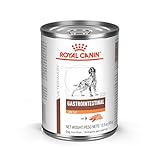
- DOGS WITH DIGESTIVE CONCERNS: Royal Canin Gastrointestinal low fat dog food loaf is a veterinary-exclusive dog wet food for digestive health concerns
- LOW FAT DOG FOOD: Specialized sensitive digestion wet dog food that is low in fat and easy to digest
- PREBIOTICS FOR DOGS: Royal Canin gastrointestinal dog food made with prebiotics to help support healthy bacteria in the gut
- FIBER FOR DOGS: Low fat dog food contains a blend of dietary fibers to help support healthy digestion for optimal stool quality
- HIGHLY FLAVORFUL: Pate dog food loaf is highly flavorful and appeals to dogs, including those with picky appetites
Give the veterinarian a complete diet history before starting a trial: every commercial food, treat, table scrap, supplement, flavored medication, and protein your dog has eaten. If stools improve, the veterinarian may use a controlled challenge to determine whether the original ingredient causes recurrence. Do not reintroduce foods on your own if the dog had a severe reaction.
Free tools Windows power users keep installed
One-click scans. No signup required.
How do digestibility and fat affect diarrhea?
Two foods with similar crude-protein percentages can behave very differently in the intestine. UC Davis and the Purina Institute describe how undigested nutrients can draw water into the bowel (osmotic diarrhea) or alter colonic contents. Protein quality, processing, ingredient source, and the dog’s own digestive capacity all influence how much nutrient is absorbed.
Merck’s protein-digestibility categories provide a useful reference:
| Digestibility classification | Protein digestibility |
|---|---|
| Low | Below 80% |
| Average | 80–85% |
| High | 86–93% |
| Very high | Above 93% |
These are classification thresholds, not a guarantee that a particular product will suit an individual dog. Excess fat can worsen diarrhea, especially when digestion or pancreatic function is impaired. For acute vomiting or diarrhea, the American Animal Hospital Association lists highly digestible diets with low-to-moderate fat as a common veterinary strategy. A veterinarian may select a therapeutic gastrointestinal diet rather than simply choosing the food with the lowest or highest protein percentage.
What other conditions cause diarrhea in dogs?
Diarrhea is a nonspecific sign. Food may be incidental, or it may aggravate a problem that needs medical treatment. Potential causes include:
Windows Errors? Fix Them Before They Spread
Repair common Windows errors and clear accumulated junk for a smoother, more stable PC - no reinstall needed.Free scan · no reinstallOutdated Drivers Are Slowing You Down
One free scan finds every outdated or missing driver and matches the right update for your exact hardware.Free scan · exact hardware matchAlso popular on Amazon

- DOGS WITH SENSITIVE STOMACHS: Royal Canin Gastrointestinal is a veterinary-exclusive dry dog food for adult dogs with long- or short-term digestive sensitivities
- DIGESTIVE SUPPORT: Highly digestible proteins, enhanced omega-3 fatty acids like EPA+DHA, and a fiber blend help support digestive health
- MICROBIOME SUPPORT: Includes selected prebiotics to help support a healthy gastrointestinal microbiome
- HIGH ENERGY CONTENT: 14% more energy content (compared to Royal Canin Gastrointestinal Moderate Calorie Dry Dog Food) supports underweight dogs or dogs with a reduced appetite
- HIGHLY PALATABLE: Helps satisfy decreased appetites with highly palatable dog kibble
- Dietary indiscretion, such as garbage, table scraps, rich foods, or too many treats.
- Parasites or infectious disease.
- Stress or other sudden environmental change.
- A swallowed foreign body or toxin.
- Pancreatitis or another disorder that limits digestion.
- Inflammatory bowel disease or another chronic enteropathy.
- Liver, kidney, or other organ disease.
- Cancer.
Cornell nutrition specialist Joseph J. Wakshlag summarizes one frequent trigger as “Too many treats!” Meredith Miller of Cornell advises avoiding excessive treats or rich food until diarrhea resolves. If episodes keep returning, changing foods repeatedly can delay diagnosis; persistent or recurrent diarrhea deserves a veterinary workup.
What should I do at home right now?
- Provide water. Keep fresh water available and watch whether your dog can drink. Diarrhea can cause dehydration, particularly when vomiting occurs too.
- Remove extras. Stop treats, table scraps, chews, and rich foods while stools are abnormal. Keep the diet consistent unless your veterinarian advises a change.
- Review the timing. Note when the diarrhea began, the old and new foods, treats, supplements, medications, and any opportunity to eat something unusual.
- Ask about the appropriate diet. A veterinarian may recommend a balanced therapeutic gastrointestinal diet that is highly digestible and low to moderate in fat. The right choice depends on the suspected cause and any diagnosed disease.
- Use bland food only as directed. Homemade chicken-and-rice or a similar bland meal can be a short-term option under veterinary guidance, but it is not complete and balanced for long-term feeding.
- Avoid human medicines. Do not give bismuth products such as Pepto-Bismol, loperamide, or another human antidiarrheal unless a veterinarian specifically instructs you. Some products are unsafe in particular breeds, ages, illnesses, or medication combinations.
When should I call the veterinarian for dog diarrhea?
Cornell advises veterinary care when diarrhea has not resolved within 48–72 hours. Call sooner for warning signs that can indicate bleeding, obstruction, serious infection, pancreatitis, or dehydration:
- Black, tarry stool or visible blood.
- Repeated vomiting or inability to keep water down.
- Marked lethargy, weakness, collapse, or unusual pain.
- Continued refusal to eat.
- Signs of dehydration, such as very dry or sticky gums, sunken eyes, or rapidly worsening weakness.
- Diarrhea in a dog with a significant medical condition, very young age, or advanced age.
Bring a fresh stool sample if possible. Call the clinic for collection instructions and place the sample in a clean, sealed container; avoid contamination with soil or litter.
How will a veterinarian investigate persistent or recurrent diarrhea?
The workup starts with history and examination, including diet, treats, medications, travel, toxin exposure, weight change, and the stool’s appearance. Depending on the findings, the veterinarian may perform:
Do these 3 things before closing this tab:
1Fix the driver behind crashes, sound loss and screen glitches2Repair Windows errors before they cause bigger problems3Scan for outdated or missing drivers - takes under a minute- Fecal testing for parasites and selected infectious causes.
- Bloodwork to assess hydration, inflammation, organ function, and other systemic clues.
- Radiographs when a foreign body or obstruction is possible.
- Ultrasound to evaluate the intestines, pancreas, liver, and other abdominal organs.
- Endoscopy or biopsy when chronic enteropathy, inflammatory disease, or cancer remains a concern.
Testing is especially important when diarrhea is recurrent, accompanied by weight loss, or unresponsive to a carefully managed diet. Treating the underlying disease is more reliable than cycling through increasingly restrictive foods.
Also popular on Amazon

- DOGS WITH DIGESTIVE CONCERNS: Royal Canin Gastrointestinal dog food is a veterinary-exclusive dog dry food for digestive health concerns
- LOW FAT DOG FOOD: Specialized sensitive digestion dog food that is low in fat and easy to digest
- PREBIOTICS FOR DOGS: Sensitive digestion dog food made with prebiotics to help support good bacteria in the gut
- FIBER FOR DOGS: Low fat dog food contains a blend of dietary fibers to help support healthy digestion for optimal stool quality
- HIGHLY FLAVORFUL: Dog kibble texture is highly flavorful and appeals to dogs, including those with picky appetites
What food characteristics should I compare?
Once urgent illness has been addressed, compare diets on the factors that affect tolerance rather than marketing language alone:
- Protein source and novelty: whether the dog has eaten the protein before and whether an elimination trial requires a novel or hydrolyzed source.
- Digestibility: the proportion of nutrients the dog can absorb; Merck classifies protein digestibility below 80% as low and above 93% as very high.
- Fat level: low to moderate fat is often favored for acute gastrointestinal signs, but the target depends on diagnosis.
- Fiber type and amount: different fibers alter stool water and colonic fermentation; a veterinarian can match the choice to the case.
- Complete-and-balanced status: long-term diets must meet the dog’s nutritional requirements, unlike improvised bland meals.
- Therapeutic versus over-the-counter formulation: prescription diets may have controlled ingredients or nutrient profiles that ordinary foods do not.
- Medical requirements: kidney, pancreatic, liver, intestinal, or other disease may dictate nutrients that override a general preference for higher protein.
A veterinary gastrointestinal dog food can be appropriate when a clinician recommends it. Therapeutic or prescription diets should be selected with veterinary advice, particularly if diarrhea is severe or recurrent.
Do probiotics help after a diet-related episode?
A veterinarian may recommend a veterinary probiotic as an adjunct in some cases, but it is not a guaranteed cure and cannot replace hydration, diagnostic testing, or treatment of infection, obstruction, pancreatitis, or another disease. Use a product and dose your veterinarian considers appropriate for the dog’s age, condition, and current medications.
Recommended Free Tools
Can a high-protein diet ever be appropriate?
Yes. Protein supports maintenance, growth, tissue repair, and other functions, and requirements differ among puppies, adults, seniors, pregnant or nursing dogs, athletes, and dogs with disease. The appropriate amount is the one that supplies the dog’s needs in a digestible, balanced formula without conflicting with a diagnosed condition.
Merck Veterinary Manual reported in 2025 that dietary modification resolves clinical signs in more than half of chronic enteropathy cases, although some dogs also need medical treatment. That finding supports individualized diet selection, not a universal rule to maximize or minimize protein.
Also popular on Amazon

- DOGS WITH DIGESTIVE CONCERNS: Royal Canin Gastrointestinal dog food is a veterinary-exclusive dog dry food for digestive health concerns
- LOW FAT DOG FOOD: Specialized sensitive digestion dog food that is low in fat and easy to digest
- PREBIOTICS FOR DOGS: Sensitive digestion dog food made with prebiotics to help support good bacteria in the gut
- FIBER FOR DOGS: Low fat dog food contains a blend of dietary fibers to help support healthy digestion for optimal stool quality
- HIGHLY FLAVORFUL: Dog kibble texture is highly flavorful and appeals to dogs, including those with picky appetites
How can I prevent another episode?
- Change foods gradually using the staged transition recommended by your veterinarian.
- Keep treats and table food limited and account for them in the daily diet.
- Record ingredients and proteins that have caused previous signs.
- Store food securely and prevent access to garbage, toxins, and other pets’ meals.
- Follow elimination-trial instructions exactly, including the prohibition on unapproved treats.
- Arrange a recheck for diarrhea that persists, recurs, or causes weight loss.
The most defensible conclusion is that “high protein” is a clue to investigate, not a diagnosis. The timing of the food change, the formula’s digestibility and fat, the dog’s complete diet history, and signs of illness determine what to do next.
Frequently Asked Questions
How long does diarrhea from a sudden food change usually last?
Many mild cases improve after the diet is stabilized, but Cornell recommends contacting a veterinarian if diarrhea has not resolved within 48–72 hours. Any red-flag sign warrants an earlier call rather than waiting for that window.
Can I give treats during a prescription elimination diet?
Only treats specifically approved by the prescribing veterinarian should be used. An unapproved chew, flavored supplement, or bite of table food can add a protein and make the trial impossible to interpret.
Is a homemade chicken-and-rice diet safe for long-term feeding?
It is not nutritionally complete and balanced for extended use. If a bland diet is used, ask the veterinarian how long to feed it and how to transition back to a complete diet.
What does black stool mean in a dog with diarrhea?
Black, tarry stool can indicate digested blood and is a reason to seek veterinary care promptly. Do not wait for a food change to solve it, especially if vomiting, weakness, or poor appetite is also present.
Why does my dog keep having diarrhea even after changing food?
Recurrent diarrhea can reflect parasites, chronic enteropathy, pancreatitis, organ disease, cancer, or another problem that food changes alone will not fix. A veterinarian may need fecal testing, bloodwork, imaging, endoscopy, or biopsy to identify the cause.
What’s actually slowing this PC down?
Pick the symptom - the matching free tool is one click away.





Leave a Reply