PC Slower Than It Used to Be?
A free scan shows the junk files, broken settings and background clutter dragging Windows down - then fixes them in one click.Free scan · Windows 10 & 11Outdated Drivers Are Slowing You Down
One free scan finds every outdated or missing driver and matches the right update for your exact hardware.Free scan · exact hardware matchDon’t try to stop your cat from scratching altogether. Scratching is normal feline behavior used for claw maintenance, stretching, visual and scent marking, and sometimes play. The effective, humane solution is to redirect it to a surface your cat prefers over the furniture.
Don’t try to stop your cat from scratching altogether. Scratching is normal feline behavior: it helps maintain the claws, stretch the body, leave visual and scent marks, and sometimes play. The practical goal is to make an approved scratching surface more rewarding than the sofa, chair, or rug.
Why cats choose furniture
Furniture is often an excellent scratching target from a cat’s point of view. It is prominent, usually stable, and may sit along a socially important boundary or near a window, doorway, or other place the cat watches. Upholstery and woven fabric also catch claws effectively.
Many cats scratch after waking, when they naturally stretch, or during periods of excitement. Scratching may become more noticeable after moving house, redecorating, introducing another animal, or changing the household routine. Research surveys have found fabric-covered furniture among the surfaces cats commonly target.
What’s actually slowing this PC down?
Pick the symptom - the matching free tool is one click away.
#1 Best Overall

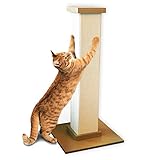
- Scratching post provides a place for cats to sharpen their claws and keep nails healthy
- Includes a single pillar scratching post in neutral colors with a replaceable dangle toy
- Natural jute fiber provides an optimal scratching surface
- Sturdy wood base helps prevent the post from tipping
- Ideal for redirecting cats away from scratching household carpet or furniture; spot clean as needed
This is not revenge or deliberate disobedience. Punishing a cat for a normal, self-motivated behavior does not show it what to do instead. It can make the cat fearful of you or increase emotional tension in the home.
1. Choose a scratcher that matches your cat
The best scratcher is not necessarily the most attractive one to a person. It is the one that matches the cat’s preferred posture, texture, and force of movement.
| If your cat scratches… | Try… |
|---|---|
| Upward on sofa sides, curtains, or door frames | A tall, vertical post or cat tree |
| Rugs, carpets, or floors | A horizontal cardboard or fabric scratcher |
| At an intermediate angle | An angled or slanted scratcher |
| One particular material | A scratcher with a similar texture, such as sisal, cardboard, carpet, wood, or burlap |
Prioritize height and stability
A vertical scratcher should allow the cat to stretch almost its full body length. Around 90 cm (3 feet) is a useful shopping benchmark for many adult cats, but it is not a universal clinical cutoff. Larger cats may need more height, and the important test is whether the cat can pull upward without crouching or running out of room.
Stability matters just as much. A post that wobbles, tips, or slides when the cat leans into it can make the cat abandon it after one unpleasant experience. Look for a broad, heavy base or secure cat tree, and check the fastenings regularly.
A tall, sturdy sisal cat scratching post is a sensible starting point for a cat that scratches vertically. Sisal is only one option, however; some cats prefer cardboard, carpet, wood, or another surface. If you do not know the cat’s preference, offer more than one orientation and material rather than buying several identical posts.
Rank #2

- Sturdy Cat Scratching Post: Measures 19 x 19 x 41 inches; designed for large cats who need a tall, stable scratching surface
- Built for Bigger Cats: Extra thick, tall post is wrapped in tough natural sisal; provides a durable outlet for scratching and grooming
- Stable & Supportive Base: Wide, sturdy base helps prevent tipping during energetic play or stretching
- Premium Materials: Wrapped in durable sisal and finished with ultra-soft faux fur; plush dark fabric is easy to clean and looks great in any space
- Quick Assembly: Easy to put together with included tools; spot clean fabric as needed with mild soap and air dry
2. Put the scratcher where the behavior already happens
Placement often matters more than appearance. Put the new scratcher immediately beside the sofa leg, chair arm, doorway, or other object the cat is already scratching. A post hidden in an unused room may be ignored even if it is sturdy and well made.
Also place a scratcher near a favorite sleeping spot. Cats commonly stretch and scratch when they wake, so a post beside the bed or usual resting place can catch that behavior at the right moment.
In a home with several cats, provide multiple scratchers in separate locations. One cat should not have to pass a territorial rival—or be blocked by one—to reach the only available post. Widespread scratching, chasing, or avoidance between cats is a reason to review the wider environment, not simply add one more post.
Do these 3 things before closing this tab:
1Clear out junk files and repair common Windows errors2Fix the driver behind crashes, sound loss and screen glitches3Repair Windows errors before they cause bigger problemsOnce your cat reliably uses a particular design, duplicate that format in other important areas. If you eventually need to move a scratcher, move it a small distance at a time. Keep it beside the original target until the new habit is established.
3. Teach the alternative without forcing it
Make the scratcher worth investigating. You can try:
Rank #3

- Thickened Wood Base: The ZOMISIA cat scratching post features a 1.2''/3cm thick wooden bottom measuring 15.7'' x 15.7'', reinforced with an additional wooden layer. Its construction provides excellent stability for indoor large cats, ensuring safe and worry-free play and climbing without tipping over
- Taller & Thicker: With a 35-inch height, this tall scratching post provides ample vertical space for your cats to explore, fully stretch their body, and exercise their muscles. The 4.7-inch-wide sisal post satisfies your furry companion's natural instincts, allowing them to confidently scratch and flex their claws for endless scratching fun!
- Premium Durability: Crafted entirely from natural materials, features a solid wood plywood base, top sisal wood platform, central wood connector, and a 6mm-thick natural rope scratching surface. Built for strength and longevity, it's designed to withstand even the most enthusiastic scratching sessions.
- Endless Fun: Unlike traditional scratching posts, this cat post features a 7.87''/20cm sisal scratcher perch on top and 2 replaceable pom-pom toys. Doubling as a climbing tree, it gives your cat a multi-functional playground to showcase their acrobatic skills!
- Easy Assembly: Quick and simple screw-together setup with clear instructions, screws, and a wrench included, so you can get it ready in no time. That means your cat can start enjoying their new toy in just minutes!
- placing a favorite toy near it or playing around it;
- offering treats for looking at, approaching, or touching it;
- giving praise or preferred attention after the cat scratches it; and
- using catnip if your individual cat responds to catnip.
Reward small steps. A cat that is wary of a new object may first need reinforcement for looking at it, then approaching it, then touching it, before scratching becomes comfortable.
Never drag the cat’s paws across the post or hold the cat against it. That can turn the scratcher into something threatening. Let the cat discover the surface voluntarily and reward the behavior you want.
The Tool Desk
Outbyte Driver Updater FREEFix the driver behind crashes, sound loss and screen glitchesFind Drivers →Outbyte PC Repair FREEClear out junk files and repair common Windows errorsFree Scan →A practical transition plan
- Identify the target. Note whether the cat scratches vertically, horizontally, or at an angle, and which materials it chooses.
- Place a suitable scratcher beside the damaged furniture. Do this before trying to make the furniture inaccessible.
- Protect the furniture temporarily. Use a removable cover, sofa protector, or another safe barrier that reduces access to the preferred scratching texture.
- Reward investigation and use. Reinforce even brief contact at first, then focus rewards on actual scratching.
- Keep the scratcher in place. Move it only gradually once the cat uses it consistently.
- Replicate success. Add the same type of scratcher near other frequently used areas, especially sleeping locations.
4. Protect the furniture while the habit changes
Redirection works better when the old target is temporarily less rewarding. A removable furniture cover or commercial sofa protector can protect upholstery and change the texture under the claws. Covering visible damage may also reduce the visual reminder that draws the cat back.
Clean marked areas as appropriate for the material to reduce lingering scent cues. Keep the approved scratcher directly beside the protected area so the cat has an obvious alternative rather than simply losing access to a familiar location.
Avoid relying on yelling, chasing, or spraying water. Even when startling interrupts the behavior, it does not teach the desired alternative and may increase fear or defensive emotions. Current feline behavior guidance favors environmental management and positive reinforcement.
Rank #4
- 32″ height allows cats to stretch fully and tone muscles
- Sturdy 16″ by 16″ base eliminates tipping and wobbling
- Fibrous and durable woven sisal naturally inspires scratching
- Superior to carpeted posts that may snag nail
- Assembles with two included screws
5. Nail trimming can reduce damage—but it does not replace scratching
Routine claw trimming can blunt sharp tips and reduce the amount of damage a cat causes. It should be treated as supplementary maintenance, not behavior training. If you are not comfortable trimming claws, ask a veterinary team to demonstrate a safe technique.
Quick wins for a faster PC:
Scan for outdated or missing drivers - takes under a minuteDriver Scan →Clear out junk files and repair common Windows errorsFree Scan →Temporary synthetic nail caps may also reduce claw contact with furniture when applied correctly and monitored. They do not meet the cat’s need to stretch, mark, and work its claws, so a cat wearing nail caps still needs suitable scratching surfaces. Follow the product directions and seek veterinary advice if the caps cause irritation, interfere with normal movement, or are repeatedly lost.
Declawing is not a routine furniture-protection solution. Onychectomy removes the third phalanx—the end bone of each affected toe—and is an amputation, not a nail trim. Environmental changes, appropriate scratchers, training, and medical or behavioral assessment should be considered instead.
Independent reader supportYour contribution helps us test, update, and keep practical guides available for everyone.When scratching may signal stress or illness
Arrange a veterinary assessment if scratching suddenly increases, appears in many new locations, or begins after a major household change. It is especially important when scratching occurs alongside:
- hiding or withdrawal;
- reduced appetite;
- excessive grooming or other repetitive behavior;
- aggression, increased vocalization, or conflict with another cat;
- limping, stiffness, reluctance to jump, or other signs of pain; or
- any broader change in behavior.
Older cats may change from vertical to horizontal scratching because of discomfort or reduced mobility. A sudden or compulsive change should not be treated as a simple training failure. A veterinarian can look for medical contributors and, when needed, refer you to a qualified feline behavior professional.
Best Value
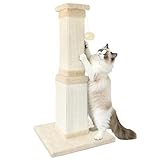
- Premium Sisal & Wood: Crafted from 100% all-natural, durable sisal rope and sturdy wood, this sisal cat scratcher is non-toxic and feline-friendly. Unlike paper or cardboard scratch pads, our sisal scratching post won't leave scraps all over your floors.
- Protect Your Furniture: Save your couch, curtains, and carpets! This tall cat scratcher provides a healthy outlet for scratching, diverting your cat's energy from furniture. This cat scratch post is the perfect tool for your cat to stretch, play, and shed dead claw layers.
- Tall Post for Large Cats: Designed as a large cat scratching post , our 32-inch vertical post allows adult cats and large breeds to get a full, satisfying stretch. The wide, 15" x 13.8" base makes this a sturdy, safe scratching post for indoor cats adults that won't wobble or tip over.
- Easy to install: Installing this cat post is easy-peasy. All you have to do is use screws to attach the two posts and two planks, and voila! Each package includes a screwdriver and installation instructions to help you assemble the scratcher in no time.
- Don't worry: We stand by the quality of our sisal post and wood construction. If the product is damaged during normal use, we offer a 30-day 100%. If you have any questions, don't hesitate to let us know, and we'll be happy to assist you.
What about pheromone diffusers?
A feline pheromone diffuser or spray may be a reasonable optional adjunct when scratching appears connected with stress, household changes, or tension between cats. One randomized, triple-blind, placebo-controlled study reported reductions in the frequency and intensity of undesired scratching with a synthetic pheromone diffuser. That supports possible benefit for some cats; it does not mean every cat will respond or that scratching will stop.
Manufacturer information also cautions that results vary. A diffuser cannot substitute for a stable, well-placed scratcher, environmental enrichment, conflict reduction, or veterinary care. If you try one, use it alongside—not instead of—the redirection plan. A cat pheromone diffuser for scratching is most relevant when the pattern suggests stress rather than a simple preference for the sofa’s texture.
Furniture-scratching checklist
- Can the cat stretch fully on the vertical scratcher?
- Does the post stay stable when the cat pulls against it?
- Have you tested vertical, horizontal, or angled formats?
- Does the texture resemble the material the cat already chooses?
- Is the scratcher beside the problem area and near a sleeping spot?
- Are desired interactions rewarded consistently?
- Is the furniture protected temporarily without making the cat fearful?
- Have you avoided dragging the paws, yelling, and spraying water?
- Has a veterinarian been consulted about sudden, widespread, compulsive, or pain-associated scratching?
The short version
Start with a stable scratcher that matches your cat’s preferred direction and texture, and put it directly beside the furniture being damaged. Protect the furniture while rewarding voluntary use of the alternative. Add claw care only as damage control, not as a replacement for scratching outlets. If the behavior changes suddenly or comes with signs of stress, conflict, or illness, involve a veterinarian before treating it as a training problem.
Frequently Asked Questions
Can you train a cat to stop scratching?
No. Scratching is normal and helps cats maintain their claws, stretch, mark territory, and sometimes play. The goal is to redirect scratching to suitable surfaces rather than stop it entirely.
Free tools Windows power users keep installed
One-click scans. No signup required.
Where should I put a cat scratching post?
Place a stable scratcher directly beside the furniture the cat targets. Choose a vertical post for upward scratching, a horizontal scratcher for rugs or floors, or an angled model for an intermediate posture. Reward voluntary investigation and use.
Will trimming claws stop furniture scratching?
Yes, but only as supplementary damage control. Trimming blunts the claw tips, and temporary nail caps reduce claw contact with surfaces. Neither option replaces the cat’s need for appropriate scratching outlets.
When should furniture scratching be checked by a veterinarian?
A sudden increase or widespread change can be associated with stress, conflict, pain, or illness. Consult a veterinarian if scratching comes with hiding, appetite loss, excessive grooming, aggression, vocalization, stiffness, or other behavior changes.
The Bottom Line
The humane solution is redirection, not elimination. Match the scratcher to your cat, place it where the cat already scratches, reward voluntary use, protect the furniture during the transition, and investigate sudden or stress-related changes with a veterinarian.
Recommended Free Tools
Quick Recap
Product prices and availability are accurate as of the date/time indicated and are subject to change. Any price and availability information displayed on Amazon at the time of purchase will apply.




