Recommended Free Tools
Head shaking, scratching, redness, odor, swelling, or discharge can signal an ear problem, but these signs do not show whether the cause is mites, bacteria, yeast, allergy, a foreign object, or another condition. A veterinarian may need to examine the canal with an otoscope and check ear debris under a microscope to diagnose the cause. Do not try peroxide, vinegar, or unapproved drops or home remedies; treatment should follow veterinary assessment.
Arrange veterinary assessment for new or persistent ear symptoms. Head tilt, poor coordination, trouble walking, or abnormal eye movements need prompt veterinary attention because they can indicate middle- or inner-ear involvement.
What are the symptoms of cat ear infections?
Otitis externa affects the external ear canal. Signs can include:
- Head shaking, scratching, or rubbing the ears.
- Redness, swelling, or scaly skin.
- Unusual odor or increased discharge.
- Pain or itching in the ear.
One or both ears may be affected, and signs can begin suddenly or persist. These symptoms indicate a possible ear problem, but they cannot identify its cause. Black discharge and scratching alone do not confirm ear mites.
Quick wins for a faster PC:
Clear out junk files and repair common Windows errorsFree Scan →Fix the driver behind crashes, sound loss and screen glitchesFind Drivers →#1 Best Overall

- Developed in Collaboration with Veterinary Dermatologists: Recommended for the routine cleansing of sensitive ears in dogs, cats, puppies, and kittens of any age.
- Ideal for Allergic & Active Pets: A powerful yet gentle ear cleaner for dogs and cats with allergies, frequent swimmers, and breeds with floppy ears that are prone to moisture buildup and microbial overgrowth.
- Soothing, Non Irritating Solution: Designed to be sting free with a neutral pH, this solution is well tolerated by sensitive skin and won't interfere with other ear treatments; Can be used 2–3 times per week.
- Cleans Ear Canal: Limits the bonding of microorganisms to the ear canal surface by removing debris and excess wax.
- Patented Anti-Odor Technology: Features a patented formula that doesn't just mask smells but eliminates them, leaving your pet’s ears smelling fresh and clean.
What can cause a cat’s ear problem?
Ear mites are an important possible cause, especially in kittens and outdoor cats, and may be accompanied by secondary bacterial or fungal infection. Other causes or contributors include allergies, foreign material, obstructive growths such as polyps, and chronic inflammation. Recurrent or one-sided symptoms should be assessed rather than assumed to be a simple infection.
Untreated or recurrent disease can cause painful swelling of the ear flap, called an aural hematoma. Deeper ear disease can damage the eardrum or hearing and may affect balance.
How does a veterinarian diagnose a cat ear infection?
Diagnosis may involve a history, examination of the ear canal and eardrum with an otoscope, and microscopic examination of ear debris for mites, bacteria, or yeast. Pain, blockage, or difficulty tolerating the examination may make sedation or anesthesia necessary. Culture and susceptibility testing may be considered in severe or chronic cases.
Rank #2

- HELPS ALLEVIATE – This dog and cat ear cleaner was formulated with properties to help promote healthy ear canals. Rinse pet's ears daily with solution and massage area
- DAILY MAINTENANCE – Helps breakdown buildup in the canal that may be causing foul odors and itching, scratching, and head shaking. Excellent for daily care and maintenance
- GENTLE FOR SENSITIVE EARS – Alcohol-free, mildly scented, and a non-irritating formula, this cat and dog ear wash is suitable for sensitive ears and gentle enough for frequent use
- FOR YOUR PETS – Clinical Care Ear Therapy is great for dogs, cats, and small animals over 12 weeks for daily care and to maintain the ear health of your pet
- EFFECTIVE & AFFORDABLE – Our premium products are high-quality at an affordable price.
Do not clean the ear before the appointment unless the clinic has instructed you to do so. Ear debris may help with diagnosis.
Free tools Windows power users keep installed
One-click scans. No signup required.
How are cat ear infections treated?
Treatment depends on the cause, the examination and test findings, whether the eardrum is intact, and whether disease is limited to the outer canal or involves the middle or inner ear. A veterinarian may recommend antiparasitic medication for mites, topical medication selected for the organisms and inflammation present, pain management, or cleaning when debris prevents medication from working effectively. Oral or injectable medication may be considered for chronic inflammation or suspected middle-ear involvement.
Do not choose over-the-counter drops, human ear drops, or leftover medication without veterinary guidance. Some medicines can harm hearing if the eardrum is ruptured. Follow the veterinarian’s directions for application and duration; a recheck may be needed to confirm resolution.
Rank #3
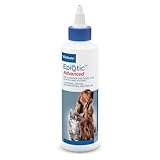
- Developed in Collaboration with Veterinary Dermatologists: Recommended for the routine cleansing of sensitive ears in dogs, cats, puppies, and kittens of any age.
- Ideal for Allergic & Active Pets: A powerful yet gentle ear cleaner for dogs and cats with allergies, frequent swimmers, and breeds with floppy ears that are prone to moisture buildup and microbial overgrowth.
- Soothing, Non Irritating Solution: Designed to be sting free with a neutral pH, this solution is well tolerated by sensitive skin and won't interfere with other ear treatments; Can be used 2–3 times per week.
- Cleans Ear Canal: Limits the bonding of microorganisms to the ear canal surface by removing debris and excess wax.
- Patented Anti-Odor Technology: Features a patented formula that doesn't just mask smells but eliminates them, leaving your pet’s ears smelling fresh and clean.
Are there safe natural remedies for cat ear infections?
No home remedy in the cited veterinary guidance is established as a safe substitute for diagnosis and treatment. Merck Veterinary Manual advises: “Pets shouldn’t be treated with home remedies like hydrogen peroxide or vinegar.” These substances can irritate inflamed canals and increase secretions, which may promote bacterial or yeast infection.
Do not use oils, herbal preparations, alcohol, or human ear drops as alternatives. The sources do not establish them as safe treatments for feline ear infections. Use only ear products and cleaning methods recommended by your veterinarian. Healthy cats generally do not need routine ear cleaning unless a veterinarian advises it.
A veterinarian may teach you to clean your cat’s ear as part of a specific care plan. That does not mean routine or forceful cleaning is appropriate for every cat.
Rank #4

- Veterinarian Formulated to Gently Clean, Deodorize, Acidify and Dry Your Pets Ears
- Safe And Gentle Ear Cleanser with Aloe Vera for Daily Use. Won't Sting, Burn or Aggravate the Ear Canal
- Eliminates Build Up of Wax, Fluid, Dirt & Debris to Stop Itching, Scratching, Head Shaking and Irritation.
- Helps Relieve Ear Infections Caused by Growths, Buildup, and Itching.
- Made in the USA in Federally Regulated Manufacturing Facilities to Ensure Quality and Safety.
When should I seek veterinary care?
Arrange veterinary assessment for new discharge, odor, redness, swelling, pain, persistent scratching, or head shaking. Seek prompt veterinary attention for a head tilt, trouble walking or rising, poor coordination, or side-to-side eye movements, as these signs can indicate deeper ear involvement.
Independent reader supportYour contribution helps us test, update, and keep practical guides available for everyone.Why can ear symptoms return?
Recurring symptoms may mean the original cause still needs attention, or that a deeper or chronic problem is present. Reassessment can help identify the cause and determine whether the treatment needs to change. Follow-up may also be needed to confirm that the condition has resolved.
Frequently Asked Questions
Does black ear discharge mean my cat has ear mites?
No. Black discharge and scratching are not enough to diagnose mites. A veterinarian can examine the ear and check debris under a microscope for mites and other causes.
Best Value

- Cat and dog ear cleaner – quickly and effectively clean non-infected ears in pets of all ages
- Gentle, non-toxic and non-irritating solution free from harsh detergents, veterinarian recommended
- LP3 Enzyme System helps to gently maintain healthy, fresh smelling ears
- Cat and dog ear cleaner solution to manage dirty ears, safe for flushing the ears after an infection
- Proudly USA made in a Federally Regulated Manufacturing Facility, cruelty-free and easy to use
Can I use vinegar or hydrogen peroxide in my cat’s ear?
No. Merck Veterinary Manual advises against these home remedies. They can irritate inflamed canals and increase secretions, potentially promoting bacterial or yeast infection.
Can I clean my cat’s ears at home?
Only if your veterinarian recommends cleaning and explains which product and method to use. Healthy cats generally do not need routine ear cleaning unless a veterinarian advises it.
Why does my cat need an ear recheck?
Symptoms can return if the underlying cause remains or if deeper or chronic disease needs further attention. A recheck can help assess whether treatment has worked and whether the condition has resolved.
Quick Recap
Product prices and availability are accurate as of the date/time indicated and are subject to change. Any price and availability information displayed on Amazon at the time of purchase will apply.




