Feline chronic gingivostomatitis (FCGS) is a painful, long-lasting inflammation that affects the gums and the mucous membranes inside a cat’s mouth—not just the gumline. Drooling, blood-tinged saliva, bad breath, trouble eating, or weight loss warrant a veterinary examination. Treatment often involves removing some or all teeth, followed by additional care based on the cat’s response. Only a veterinarian can assess whether a cat has FCGS or another oral condition.
What is stomatitis in cats?
“Stomatitis” describes inflammation inside the mouth and can refer to different conditions. This article focuses on feline chronic gingivostomatitis, commonly abbreviated FCGS and also called feline or caudal stomatitis. It causes severe, chronic inflammation of the gums and oral mucosa—the soft tissue lining the mouth. Unlike ordinary gingivitis, FCGS extends beyond the gumline and often affects tissue toward the back of the mouth.
As an Amazon Associate I earn from qualifying purchases.
Lesions may also occur beneath the tongue, on the lips, or on the roof of the mouth. The extent and location vary, so a cat’s symptoms alone cannot establish the diagnosis.
Do these 3 things before closing this tab:
1Clear out junk files and repair common Windows errors2Fix the driver behind crashes, sound loss and screen glitches3Repair Windows errors before they cause bigger problemsWhat causes stomatitis in cats?
The cause of FCGS is not fully established. A leading explanation is that an abnormal or excessive immune response to plaque and other persistent substances in the mouth drives inflammation. Cornell Feline Health Center’s dentistry and oral surgery chief, Jennifer Rawlinson, DVM, describes the immune system as becoming overly reactive to plaque, with inflammation spreading from around an affected tooth into nearby tissue.
#1 Best Overall

- Dog multivitamins chewable for skin & coat : Dog multivitamin is rich in Omega-3 fatty acids and vitamin E,which can relieve skin allergies,dryness,itching and other problems.Multivitamin for dogs nourishes skin follicles.Long-term consumption of dog vitamins multivitamin can make dog hair stronger and smoother,and reduce coat loss.The COQ10 in dog multivitamin chewable can resist oxidation and delay cell aging.Dogs with skin injuries can eat dog vitamins and supplements to promote wound healing
- Dog multivitamin relieves joint inflammation: Dog vitamins for hip and joint can supplement high-quality MSM, glucosamine, and chondroitin sulfate to promote cartilage development and repair. Long-term consumption of dog multivitamins chewable can enhance the elasticity and toughness of joint cartilage, improve joint flexibility, and move more freely. Dog multivitamin chews can reduce joint friction and relieve joint pain. Dog vitamins and supplements can prevent and improve dog joint problems
- Dog multivitamin chews are good for the gut: Vet-endorsed formula dog vitamins and supplements made from natural ingredients.Dog vitamins multivitamin chewables contain a rich blend of probiotics to support intestinal and digestive health.Dog vitamins for small dogs can regulate the balance of intestinal flora,help calcium absorption,and promote bone development.Dog multivitamins chewables improve energy metabolism,converting food into energy, making dogs more energetic in their daily activities
- Dog multivitamin chews protect overall health:Senior dog vitamins and supplements help improve blood circulation and prevent cardiovascular disease.Dog multivitamins chewable support normal liver function,promote liver detoxification,and improve negative mood.For dog with heart problems and older dog,taking dog vitamins and supplements in moderation is an auxiliary health care measure.Dog vitamins multivitamin helps enhance white blood cell activity,improve immunity,prevent infection and disease
- Dog multivitamins chewable promote brain development: The DHA in krill oil in multivitamin for dogs is an important component of the brain and retina. Dog vitamins and supplements can improve dog cognitive ability. When training puppies to learn basic commands, puppies who are properly supplemented with dog vitamins multivitamin will behave more intelligently and improve memory.Dog supplements & vitamins can prevent and relieve eye problems such as dry eyes and tear stains, and keep eyes healthy
Viral infections, including feline calicivirus and retroviruses, are associated with the disease and may contribute to disease processes. However, an association does not prove that a virus directly causes FCGS in every cat. Cornell notes that a direct causal relationship with associated viral, bacterial, nutritional, or hormonal conditions has not been established.
What are the signs of stomatitis in cats?
Mouth pain can make everyday behaviors—eating, grooming, or being touched around the face—uncomfortable. Signs can include:
- Drooling or saliva tinged with blood
- Red, swollen, ulcerated, or bleeding gums, or sores elsewhere in the mouth
- Bad breath
- Pawing at the mouth
- Reduced appetite, difficulty eating, or approaching food but being unable to eat comfortably
- Weight loss
These signs can occur with other oral problems, too. A cat that cannot eat, has visible mouth bleeding or ulcers, or is losing weight needs prompt veterinary attention. Do not try to brush a mouth that may be affected: Cornell specifically discourages brushing in affected cats because it can be painful.
The Tool Desk
Outbyte Driver Updater FREEFix the driver behind crashes, sound loss and screen glitchesFind Drivers →Outbyte PC Repair FREERepair Windows errors before they cause bigger problemsFix Now →Rank #2
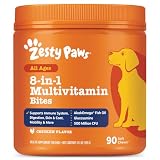
- 8-in-1 Formula - Zesty Paws Multifunctional Bites are functional supplement chews with premium ingredients that support physical performance, antioxidants, hip & joint, heart, immune, skin, liver, & gut health for dogs of all ages, breeds, and sizes.
- Skin Health & Antioxidants – For animals with sensitive skin, this formula contains Cod Liver Fish Oil and Vitamin E to help maintain normal moisture and CoQ10 to help reduce oxidative stress.
- Hip, Joint & Performance Support - Each dog chew features OptiMSM, a premium form of MSM for muscular support, which works synergistically with the Glucosamine HCl and Chondroitin Sulfate in these chews for hip and joint support plus Cod Liver Oil and B-Complex Vitamins support normal physical performance.
- Gut Health & Probiotics - These chews also contain a six-strain Gut Health Blend (500 million cfu per chew) and a Digestive Health Blend to promote gut flora while supporting normal bowel function for dogs.
- Heart, Liver & Immune Health - Multifunctional Bites feature powerful antioxidants, premium CoQ10, Cod Liver Oil and Vitamins A, C, & E to promote healthy cardiovascular function, support liver health and enhance immune response.
How common is feline stomatitis?
Published estimates use different populations and measures, so they should not be treated as one universal rate.
| Estimate | Population or measure |
|---|---|
| 3–5% | Jennifer Rawlinson, DVM, as quoted by the Cornell Feline Health Center; the page does not state the estimate’s study year. |
| 0.7%–12% | Share of feline cases seen in veterinary practices, as reported in a 2023 Cornell University College of Veterinary Medicine news item. |
| Up to 26% | Domestic cats, depending on the population studied, according to the American Veterinary Dental College (AVDC), in a position adopted in October 2023. |
| 26.6% | Feral cats studied in Korea; this population-specific result is listed in the 2025 FelineVMA oral health guidelines. |
The figures describe different groups and contexts. In particular, the Korean feral-cat result is not a general estimate for household cats.
How does a veterinarian diagnose FCGS?
A veterinarian evaluates the mouth along with the cat’s overall health. A painful cat may not tolerate a complete conscious examination; Merck Veterinary Manual notes that sedation is often needed to examine the mouth fully. Cornell reports that many cases can be recognized by examining the mouth, but a biopsy may be needed for a conclusive diagnosis in some cases. A visual examination does not rule out other oral disease.
Rank #3

- COMPLETE 26-IN-1 DAILY WELLNESS FORMULA: Our advanced multivitamin for dogs is formulated to help support 26 vital nutritional areas as part of a daily routine. With essential vitamins A, C, D3, and E, these gummies help support the immune system and contribute to overall heart and brain health for dogs of all sizes.
- ADVANCED HIP AND JOINT MOBILITY SUPPORT: Formulated with Glucosamine HCl, Chondroitin, and MSM to help support cartilage health, joint flexibility, and everyday mobility — making them a great daily supplement for large breed dogs and active senior dogs.
- SKIN & COAT SUPPORT: Packed with Norwegian Salmon Oil and Biotin, our dog multivitamin helps nourish skin from within and supports a soft, glossy coat. Omega 3 fatty acids contribute to healthy skin and coat as part of a complete daily nutritional routine.
- PROBIOTICS & DIGESTIVE SUPPORT: Features a Six-Probiotic Blend (500 Million CFU) and Digestive Enzymes to help support gut health, smooth digestion, and nutrient absorption. Cranberry Powder is included as part of this comprehensive daily wellness formula.
- UNBEATABLE VALUE 250 COUNT JAR: Our 250-count jar provides lasting daily support in a delicious chicken flavor. Made in the USA in a GMP-certified facility, our soft chews are grain-free and suitable for puppies, adult, and senior dogs alike.
Dental radiographs and assessment for other mouth problems can help the veterinarian plan treatment. Radiographs are also important after extractions to check for retained tooth roots or fragments.
Free tools Windows power users keep installed
One-click scans. No signup required.
How is stomatitis in cats treated?
Treatment is individualized, but extraction surgery is often central to care. The veterinarian considers where and how extensively the lesions are distributed, the cat’s health and ability to undergo surgery, and the response to treatment. The AVDC describes surgical management as the primary intervention when a cat can undergo extractions; medication may be added or continued according to the response.
Partial or full-mouth extraction
Depending on disease distribution, a veterinarian may remove the premolars and molars or recommend full-mouth extraction. A veterinary dental specialist may be appropriate to consider because these procedures can be extensive and the inflamed tissues are fragile. Owners should discuss the options with the veterinarian rather than trying to choose a procedure from symptoms alone.
Rank #4

- Joint Health Supplement for Dogs: Cosequin is the #1 vet recommended retail joint health supplement brand, supporting joint health in dogs for over 25 years
- Contains Glucosamine for Dogs: Cosequin contains glucosamine hydrochloride (FCHG49) and sodium chondroitin sulfate (TRH122), plus methylsulfonylmethane (MSM). This unique combination of ingredients supports healthy joints
- For Any Breed or Size: Whether you have a young or senior dog, a small or large breed, Cosequin helps support their joint health
- Tasty Chews for Daily Use: Cosequin comes in a tasty chewable tablet, making daily administration easy and convenient
- Exceptional Quality: Cosequin is backed by science, undergoing thorough quality inspections to ensure your dog receives a safe, high-quality product. It is manufactured in the United States with globally sourced ingredients
Medical and supportive care
Medication may be used to control inflammation or bacterial proliferation, and further medical management may be needed after surgery. Antibiotics and other medicines must be selected by a veterinarian; they are not owner-directed remedies. Pain control and nutritional support around treatment should also be discussed with the veterinary team for the individual cat.
Recovery and likely outcome
Merck Veterinary Manual says that after early full-mouth extraction, with radiographs confirming no retained roots or fragments, 60–80% of affected cats appear cured or dramatically improved. Cornell reports that about 60% of cats need no further medical management after full-mouth extraction and can have a good quality of life. These are different reported outcomes, not guarantees for an individual cat. Cornell’s overview gives a recovery period of about five to ten days after full-mouth extraction.
What’s actually slowing this PC down?
Pick the symptom - the matching free tool is one click away.
Can stomatitis in cats be cured?
Some cats improve dramatically after extraction, while others need ongoing medical management. The outcome figures above measure different results and do not guarantee a cure. Your veterinarian can explain what response is realistic for your cat and how follow-up will be assessed.
Best Value

- Itch & Allergy Relief with Omega-3 for Dogs - with 500mg of Omega (EPA+DHA) per serving, our chewable supplement helps with hot spots, dry itchy skin, ease itching, irritated skin, stops shedding.
- Skin & Coat + Hip & Joint Supplement Combined - Omega 3 is a vital element to keep your pet active, support healthy hip and joints, brain, heart, immune health. Can be served with regular pet food.
- Bark&Spark Commitment - we are keen to give best to our furry customers and we take NO compromise when it comes to product quality. Our omega 3 bites are made in the USA, with human grade ingredients.
- Up to 3 Month Supply - with 180 salmon oil treats per jar you keep your pet healthy while not spending a fortune on overpriced supplements. Best value.
- Is Your Dog a Picky Eater? We stick to simple formulas rich in natural flavors, that could tempt a fussy eater. No hassle with pills, powder, tablets or capsules.
Will my cat need all its teeth removed?
Not necessarily. Depending on lesion location and extent, the veterinarian may recommend removing the premolars and molars or all teeth. The choice is based on the cat’s disease and treatment plan, not on a general rule that every cat with stomatitis needs the same operation.
Can I brush my cat’s teeth if it has stomatitis?
No—not when the mouth is actively affected and painful. Cornell specifically discourages brushing affected cats because it can cause pain. Ask the veterinarian whether any oral care is appropriate while the condition is being evaluated or treated.
What to do if you suspect mouth pain
- Arrange a veterinary appointment, particularly if your cat is struggling to eat, has visible bleeding or ulcers, or is losing weight.
- Describe the changes you have noticed, such as drooling, blood in saliva, bad breath, pawing at the mouth, or approaching food without eating comfortably.
- Ask how the mouth will be examined, whether sedation or further testing may be needed, and what treatment options fit the distribution of disease.
- If surgery is recommended, discuss pain control, nutritional support, postoperative radiographs, follow-up, and whether referral to a veterinary dental specialist is appropriate.
Do not try to treat suspected FCGS with brushing, over-the-counter oral remedies, or medication without veterinary guidance.
Quick Recap
Sources
- Cornell Feline Health Center: Gingivostomatitis
- American Veterinary Dental College: Feline Chronic Gingivostomatitis
- Merck Veterinary Manual: Mouth Disorders in Cats
- Cornell University College of Veterinary Medicine: 2023 report on feline oral health problems
- FelineVMA: 2025 oral health guidelines
Product prices and availability are accurate as of the date/time indicated and are subject to change. Any price and availability information displayed on Amazon at the time of purchase will apply.




