
What’s actually slowing this PC down?
Pick the symptom - the matching free tool is one click away.
Some links on this page are affiliate links: if you buy through them we may earn a commission, at no extra cost to you.
Cat toothpaste used with a toothbrush is the better-supported first choice for controlling plaque. Veterinary dental guidelines identify regular toothbrushing as the most effective home plaque-control method. A dental water additive can help when a cat will not accept a brush, but it is passive, formulation-specific and not proven equivalent to brushing. The practical plan is to train your cat gradually for brushing, use a cat-specific toothpaste, and add a veterinary-accepted water product only as an adjunct or fallback. Neither option can diagnose or treat established periodontal disease, which may require an anesthetized examination, dental radiographs and professional treatment.
Is cat toothpaste better than a dental water additive?
Yes, when the cat tolerates brushing. Brushing physically disrupts plaque on the tooth surfaces, while an additive delivers active ingredients through drinking water without removing plaque mechanically. The World Small Animal Veterinary Association (WSAVA) calls active home care the gold standard and describes toothbrushing as the most effective plaque-control method. The Veterinary Oral Health Council (VOHC) and American Veterinary Dental College (AVDC) recommend daily brushing when practical.
As an Amazon Associate I earn from qualifying purchases.
PC Slower Than It Used to Be?
A free scan shows the junk files, broken settings and background clutter dragging Windows down - then fixes them in one click.Free scan · Windows 10 & 11Crashes, No Sound, or Screen Glitches?
Random freezes, missing sound and display glitches usually trace back to one bad driver. Find and replace yours safely.Free scan · under a minuteThere is no identified published head-to-head trial that directly compares cat-toothpaste brushing with dental water additives. The conclusion therefore comes from the strength and consistency of the available guidance, not from a single comparative experiment.
| Factor | Toothpaste and toothbrush | Dental water additive |
|---|---|---|
| How it works | Brush bristles physically disturb plaque where they contact the teeth. | Active ingredients are diluted in drinking water and contact the mouth during drinking. |
| Evidence position | Guideline-supported gold standard for active home care. | Evidence varies by formula, dose and study; products are not one uniform evidence class. |
| Surface coverage | Direct, deliberate access to each reachable tooth surface. | Passive exposure may not reach every surface equally. |
| Owner effort | Requires training, handling and a regular routine. | Requires measuring and replacing treated water but little physical handling. |
| Cat cooperation | Essential for a useful session. | Usually no cooperation beyond continuing to drink. |
| Clinical limits | Removes plaque, not hardened calculus or hidden disease. | Also cannot remove calculus, examine the mouth or treat periodontal pockets. |
For a healthy, cooperative cat, choose brushing first. For a cat that consistently refuses a brush, a VOHC-accepted additive may be a sensible way to provide some home care while you continue working on cooperation or arrange veterinary advice. Calling the additive an equivalent replacement overstates what the evidence shows.
Popular on Amazon

- FOR DOGS AND CATS: Enzymatic toothpaste specifically formulated using an enzyme system for dogs and cats to reduce plaque, freshen breath, and ensure a clean mouth. Poultry flavor pets love
- 100% SAFE: Includes no foaming agents, so this toothpaste is safe for pets to swallow
- VET RECOMMENDED: Virbac is the #1 Recommended dental brand by Veterinary professionals; Made in the USA
- USE WITH A TOOTHBRUSH: Use a soft-bristled toothbrush such as the C.E.T. Dual-Ended Toothbrush. Apply daily or as directed by your veterinarian. Your veterinarian may give you specific directions; follow this professional advice closely
- SATISFACTION GUARANTEED: Virbac is committed to your experience of great satisfaction with our products. Let us help with your questions and we would love to hear your comments at 1-844-484-7222
Why does brushing have the strongest support?
Plaque is a biofilm that adheres to teeth and can mineralize into calculus. WSAVA states that plaque can attach within 24 hours after cleaning, which is why frequent home care matters. A brush acts directly on the biofilm instead of relying on an ingredient to circulate through the mouth.
Guidelines favor daily brushing
WSAVA recommends daily home care and identifies properly performed toothbrushing as the most effective plaque-control technique. VOHC/AVDC guidance also recommends daily brushing when practical, while acknowledging that some cats will not cooperate with a complete brushing sequence. Their practical message is important: any brushing activity used regularly is better than none. A short, calm session that reaches a few outer surfaces can be a useful starting point.
Recommended Free Tools
Mechanical contact is the key advantage
Brushing lets you aim at the areas where plaque accumulates, especially the outer surfaces of the cheek teeth. You can adjust the angle, pressure and duration for the individual cat. An additive cannot guarantee that every tooth receives the same exposure, and it does not physically wipe away an established film.
Use only feline formulations
Choose toothpaste or gel labeled for cats. American Animal Hospital Association and Cornell guidance warn against human toothpaste because ingredients can be toxic to pets, and cats should not be expected to spit and rinse as people do. Never substitute a human product, baking mixture or essential-oil preparation for a veterinary-formulated product.
Do cat dental water additives actually work?
Some do show benefits, but results are product-specific rather than universal. WSAVA cites a 2006 study by Clarke reporting reduced plaque and calculus accumulation in cats using a xylitol drinking-water additive. The same guideline notes that another veterinary product lacked peer-reviewed veterinary evidence. Those observations mean that the phrase water additive does not describe one consistent treatment.
What determines whether an additive is credible?
- Formula: The active ingredient, concentration and stability matter.
- Dosage: A result from one measured dose cannot automatically be applied to a different dilution.
- Study quality: Controlled veterinary data carry more weight than testimonials or laboratory claims.
- Safety information: The label should identify use in cats and provide clear directions.
- Independent acceptance: A current VOHC seal indicates that the product met that organization’s submitted criteria; it does not make every additive interchangeable.
Passive care has practical limitations
An additive is easy to use, but convenience can hide adherence problems. A cat may drink less if the taste changes, and a multi-cat household may make it difficult to know how much treated water each animal consumed. If drinking falls, maintaining hydration takes priority: provide the cat’s usual plain water and contact a veterinarian if reduced intake persists.
Also popular on Amazon
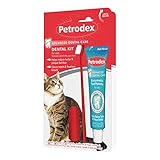
- Complete Oral Care System: Enzymatic toothpaste plus toothbrush cleans teeth and fights bad breath in one kit
- Reduces Plaque & Tartar Buildup: Patented enzyme formula works without rinsing required
- Malt-Flavored Formula Cats Tolerate Well: Makes at-home brushing easier to stick with
- Everything Needed to Start a Dental Routine: Ideal for new kittens or first-time brushers
- Formulated Specifically for Pets: Non-foaming, no-rinse enzymatic formula that's safe if swallowed
An additive also cannot tell you whether the cat has gingivitis, a painful tooth or a periodontal pocket. It should be viewed as an additional exposure, not a diagnostic or treatment system.
Which VOHC-accepted cat products are available?
The VOHC list includes several categories rather than one winning format. Examples listed for cats include HealthyMouth Water Additive for Cats, HealthyMouth Nutrineeds for Cats Water Additive, the HealthyMouth Toothpaste/Brush Kit Combination for Cats, HealthyMouth Anti-Plaque Wipes, ProDen PlaqueOff powders, feline dental diets and dental treats.
VOHC seals, product formulations and availability can change. Check the live VOHC cat-products list before buying, and verify that the exact product and species claim are current. Acceptance of a water additive does not mean it has the same mechanism or evidence base as a toothpaste-and-brush kit.
How do I decide between brushing and an additive?
Use the option your cat can tolerate consistently, while keeping brushing as the preferred goal. The following decision path avoids treating convenience as proof of effectiveness.
Choose brushing first when
- Your cat allows gentle handling around the mouth.
- You can perform short sessions most days.
- The gums are not severely inflamed or obviously painful.
- You want the most direct plaque removal available at home.
Use an additive as an adjunct when
- You already brush but cannot reach every session or every surface.
- You want another VOHC-accepted home-care measure alongside brushing.
- Your veterinarian has recommended a particular formulation for your cat.
Use an additive as a fallback while retraining when
- Your cat panics, bites or hides when a brush appears.
- You need a low-handling option while building cooperative-care skills.
- A temporary medical issue prevents brushing, and your veterinarian agrees that the additive is appropriate.
Arrange a veterinary assessment before choosing a home routine when
- The cat has bleeding, marked redness, swelling, loose teeth, drooling, facial swelling or difficulty eating.
- The mouth appears painful, or the cat resists because touching it hurts.
- There is a strong odor combined with visible deposits or a change in appetite.
In these situations, home products should not delay an examination. Brushing an inflamed mouth can be painful and can make a cat more fearful of future care.
How do I brush a cat’s teeth safely?
Build the behavior in small steps. The goal is a calm, repeatable routine, not a forced full-mouth scrub on the first day.
Also popular on Amazon
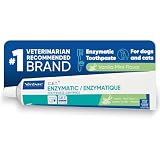
- VET RECOMMENDED: C.E.T. is the #1 Recommended dental brand by Veterinary professionals and our pet toothpaste is made in the USA with globally sourced ingredients.
- ENZYMATIC TOOTHPASTE FOR DOGS AND CATS: toothpaste specifically formulated using an enzyme system to reduce plaque, freshen breath, and ensure a clean mouth.
- SAFE FOR DAILY USE: Includes no foaming agents, so this toothpaste is safe for pets to swallow
- USE WITH A TOOTHBRUSH: Use a soft-bristled toothbrush such as the C.E.T. Dual-Ended Toothbrush. Apply daily or as directed by your veterinarian. Your veterinarian may give you specific directions; follow this professional advice closely
- VANILLA MINT FLAVOR: Helps eliminate mouth odors with vanilla mint flavor pets love!
- Pick a quiet time. Work when your cat is relaxed, not immediately after a stressful event or vigorous play. Use a stable surface and keep the first sessions brief.
- Reward mouth handling without a brush. Touch the cheek, lift the lip for a second and release. Pair each calm response with a reward your veterinarian considers suitable.
- Introduce the taste. Let the cat lick a tiny amount of cat toothpaste from your finger. Do not push the paste into the throat and do not use human toothpaste.
- Show the tool separately. Offer a cat toothbrush or a soft finger brush for sniffing. Reward investigation; do not chase the cat with it.
- Start on the outside surfaces. Lift the lip and make a few gentle strokes on the outer cheek teeth. These surfaces are usually easier to reach than the tongue-side surfaces.
- Increase coverage gradually. Add a few teeth or a few seconds only while the cat remains relaxed. Several short sessions are preferable to one struggle.
- Use light pressure. The purpose is to disturb plaque, not to scrub the gums. Stop if the cat shows pain, persistent bleeding or escalating fear.
- Make the routine regular. Daily is the target supported by WSAVA and VOHC/AVDC guidance. If daily brushing is not immediately possible, establish the most frequent calm schedule you can maintain and build from there.
Do not pry the mouth open, restrain the head forcefully or continue through obvious pain. If cooperation deteriorates suddenly, have a veterinarian check for dental disease rather than assuming the cat is simply stubborn.
How should I use a dental water additive?
- Confirm the species and product claim. Use a formulation labeled for cats, preferably one with current independent acceptance or veterinary recommendation.
- Read the current label. Measure the stated amount for the actual volume of water. Do not extrapolate a dog dose, change the concentration or combine products unless a veterinarian tells you to.
- Prepare fresh treated water. Replace it as directed by the manufacturer and keep bowls clean. A dirty bowl can undermine any dental routine.
- Watch drinking behavior. Make sure your cat continues to drink normally. If the taste appears to reduce intake, return to the cat’s familiar plain water and seek veterinary advice if intake does not normalize.
- Track the routine. In a multi-cat home, note which cats use the bowl and whether one avoids it. An additive cannot help a cat that does not consume the treated water.
- Keep veterinary care in the plan. Continue examinations and recommended treatment; the additive is home care, not a substitute for dental diagnosis.
Can a water additive replace toothbrushing?
Not on the current evidence. Brushing has the clearest guideline support because it directly disrupts plaque. Additive studies are mixed and tied to particular formulas, and no direct trial establishing equivalence between the two approaches was identified.
Quick wins for a faster PC:
Clear out junk files and repair common Windows errorsFree Scan →Scan for outdated or missing drivers - takes under a minuteDriver Scan →If a cat will not tolerate a brush, using a suitable additive is still more constructive than abandoning home care. Treat it as a fallback while practicing cooperative handling, and discuss other VOHC-accepted options such as dental wipes, diets or treats with your veterinarian. Those alternatives also vary in evidence and should not be assumed to match brushing.
What can home products not fix?
Brushing removes soft plaque; it does not remove hardened calculus. Neither brushing nor an additive can reveal disease below the gumline, extract a damaged tooth or treat an established periodontal infection.
Why an anesthetized dental examination may be necessary
FelineVMA describes anesthetized periodontal examination with charting and full-mouth radiographs as essential for evaluating the entire mouth. Anesthesia allows the veterinary team to probe each tooth safely, image roots and bone that are hidden from view, and perform indicated cleaning or treatment.
AAHA likewise emphasizes that home brushing does not eliminate the need for anesthetized examinations, radiographs or professional care. A mouth that looks acceptable at home can still contain painful root or periodontal disease.
Also popular on Amazon

- VET RECOMMENDED: C.E.T. is the #1 Recommended dental brand by Veterinary professionals and our pet toothpaste is made in the USA with globally sourced ingredients.
- ENZYMATIC TOOTHPASTE FOR DOGS AND CATS: toothpaste specifically formulated using an enzyme system to reduce plaque, freshen breath, and ensure a clean mouth.
- SAFE FOR DAILY USE: Includes no foaming agents, so this toothpaste is safe for pets to swallow
- USE WITH A TOOTHBRUSH: Use a soft-bristled toothbrush such as the C.E.T. Dual-Ended Toothbrush. Apply daily or as directed by your veterinarian. Your veterinarian may give you specific directions; follow this professional advice closely
- SEAFOOD FLAVOR: Helps eliminate mouth odors with seafood flavor pets love!
When brushing may be harmful
Cornell advises consulting a veterinarian before brushing severe gingivitis because inflamed gums can hurt. Pain during handling can create lasting avoidance, so pause the routine and obtain an examination if the gums are very red, swollen or bleeding, or if the cat stops eating.
Independent reader supportYour contribution helps us test, update, and keep practical guides available for everyone.What are the most common mistakes?
Using human toothpaste
Human toothpaste may contain ingredients that are unsafe for pets and is designed for rinsing and spitting. Use only cat-formulated toothpaste or gel.
Expecting instant removal of calculus
A brush can slow new plaque accumulation, but visible hard deposits generally require veterinary scaling. Scraping at home can injure the mouth and does not address disease beneath the gumline.
Forcing a complete session
Force can turn a manageable behavior into a fear response. Return to an easier step, reward calm behavior and progress in smaller increments.
Assuming every additive is interchangeable
Evidence and safety depend on the exact formulation and dose. Check the current label and, where possible, the current VOHC listing rather than choosing solely by the words dental water.
Delaying care for visible symptoms
Bad breath, drooling, appetite changes, bleeding or facial swelling can signal disease that home care cannot treat. Arrange a veterinary examination instead of increasing the additive concentration or brushing harder.
Also popular on Amazon

- COMPLETE CAT DENTAL KIT: Includes 2.5 oz tuna flavor enzymatic toothpaste, a toothbrush for hard-to-reach areas, and a finger brush, so you can start a home teeth cleaning routine for your cat or kitten with one purchase.
- TUNA FLAVOR CAT TOOTHPASTE: Enzymatic cat toothpaste in a tuna flavor made for cats and kittens. Net wt. 2.5 fl oz (67.5 g). Pet-friendly formula designed for use at home as part of a regular cat dental care routine.
- FRESH BREATH AND TARTAR CONTROL: The enzymatic formula helps with tartar control and fresh breath. Brushing regularly with this cat toothpaste is an easy way to support cat teeth cleaning and freshen bad cat breath at home.
- BAKING SODA PLUS CALCIUM: Contains baking soda and calcium in a pet-friendly formula for cats. The added calcium is for stronger teeth, and the baking soda formula comes from Arm & Hammer, the Standard of Purity brand.
- TOOTHBRUSH FOR HARD-TO-REACH AREAS: The included regular toothbrush has an orange handle and white bristles for brushing hard-to-reach areas of your cat's mouth. Use it with the tuna flavor toothpaste for a full brushing session.
What does a realistic home-care routine look like?
For a cooperative cat, offer a short brushing session at roughly the same time each day, concentrating on the outer cheek teeth and gradually expanding coverage. Keep the toothpaste cat-specific and stop before the cat becomes distressed. Record which areas you reached so you can improve consistency without repeatedly handling the same sore spot.
For a brush-averse cat, provide a veterinarian-approved additive at the labeled dilution, monitor normal drinking and continue low-pressure handling practice several times a week. Once the cat accepts lip lifting and the toothpaste taste, reintroduce the brush for only a few seconds. The additive can remain an adjunct, but the long-term objective is still cooperative mechanical cleaning when feasible.
The Tool Desk
Outbyte Driver Updater FREEScan for outdated or missing drivers - takes under a minuteDriver Scan →Outbyte PC Repair FREEClear out junk files and repair common Windows errorsFree Scan →What is the bottom-line choice for most cats?
Start with cat toothpaste and a toothbrush because brushing has the strongest guideline support and directly removes plaque. Add a current, cat-labeled, preferably VOHC-accepted water additive when brushing is incomplete or impossible, but present it honestly as supplementary or fallback care. In every case, schedule veterinary examinations and do not use either product to postpone treatment of painful or established dental disease.
Frequently Asked Questions
How long should I train a cat before introducing a toothbrush?
There is no universal timetable. Advance only when your cat stays relaxed at the current step; some cats progress in days, while others need weeks. A veterinarian or qualified behavior professional can help if fear or aggression persists.
Can I put cat toothpaste in my cat’s drinking water?
Only do so if that exact product is labeled for water use and provides a dilution. Toothpaste intended for a brush should not be improvised as a drinking-water additive, because the concentration, taste and safety instructions may differ.
What should I do if my cat refuses water containing the additive?
Offer the cat’s normal plain water immediately so hydration is not compromised, and stop the additive if refusal continues. Ask your veterinarian about another formulation or a different home-care method rather than increasing the dose.
Are dental treats enough for a cat that will not accept brushing?
A dental treat can be another option when it carries current VOHC acceptance for cats, but acceptance does not make it equivalent to brushing. Treats should fit the cat’s calorie needs and be discussed with a veterinarian if dental disease is suspected.
Should I keep brushing after my cat has a professional dental cleaning?
Yes, once the veterinary team says the mouth has healed and brushing is comfortable. Professional cleaning addresses deposits and disease found during the procedure; regular home care helps slow new plaque buildup afterward.





Leave a Reply