A cataract is clouding of the lens inside a cat’s eye. It may have little effect on sight when small, but a more extensive cataract can impair vision or cause blindness in that eye. Because other conditions can also make an eye look cloudy, only a veterinary examination can confirm the cause. There is no proven eye drop or supplement that reverses a cataract; a veterinary ophthalmologist can determine whether surgery is appropriate.
What causes cataracts in cats?
The lens focuses incoming light onto the retina. A cataract is an opacity in that lens: the more of the lens affected, the more light may be blocked and the more vision may be reduced. Cataracts can occur in one or both eyes.
Cornell’s feline health overview lists aging and metabolic problems among possible causes. In cats, cataracts may also be associated in rare cases with diabetes or hypertension. Injury to the lens and exposure to certain drugs or harmful substances, radiation, or electric shock are other possible causes. In many cases, the cause is unknown. These are feline-specific possibilities; diabetes should not be assumed to be the usual cause of cataracts in cats.
If a veterinarian identifies an associated condition such as diabetes or hypertension, follow their guidance for treating it. Managing the underlying disease may help slow cataract progression in some cases, but it does not clear an existing cataract.
Do these 3 things before closing this tab:
1Scan for outdated or missing drivers - takes under a minute2Clear out junk files and repair common Windows errors3Fix the driver behind crashes, sound loss and screen glitches#1 Best Overall

- Our formula contains various beneficial ingredients for dog & cat Eye Infection Treatment, Soothe Infection Allergy, Relieve Dry Eyes & Red Eye,Eye Cleaner And Tear Stain Remover such as Artifcial Musk, Gentian Tablets, Borneol,Aloe, chrysanthemum, Cassia Seed.
- Product effectiveness: Under normal circumstances, significant improvement can be seen after three days of continuous use. If the condition is more complicated and serious, you can continue to use this product for your pet. The product ingredients are natural and mild, and the safety of your pet is guaranteed.
- Daily Dosage and Frequency: 1. For initial use, apply 2 drops twice daily to your pet for 15 consecutive days. Starting on the 16th day, apply once daily. 2. Under normal circumstances, apply once daily. If the condition has recovered, apply once every two days.
- Product safety: This product uses natural plant extracts, so the ingredients are non-irritating and can be used normally for your pets. The product is gentle and effective, and is very effective for pet recovery.
- Effect after use: Using this product can keep your pet's eyes bright, moisturized and comfortable, avoiding various eye problems caused by the external environment, making your pet's daily life more pleasant.
What are the symptoms of cataracts in cats?
A cloudy-looking eye may be the first visible clue, but changes in behavior can be easier to notice. A cat with reduced vision may:
- Bump into familiar furniture or move less confidently.
- Have trouble finding its food bowl or litter box.
- Avoid unfamiliar areas or seem hesitant in new surroundings.
- Move cautiously on stairs or show reduced agility.
Any unusual eye change, visible cloudiness, or behavior suggesting a change in vision warrants a veterinary appointment. These signs indicate an eye or vision problem, but they do not establish that the cause is a cataract.
Does a cloudy eye always mean a cataract?
No. Age-related nuclear sclerosis can give the lens a blue-gray or hazy appearance even though it remains transparent and sight is usually not significantly affected. A cataract is a true opacity of the lens. The American College of Veterinary Ophthalmologists (ACVO) explains this distinction in its overview of the eye lens and cataracts.
Rank #2
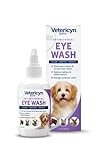
- SOOTHE PET'S IRRITATED EYES: Vetericyn Plus Eye Wash works to effectively flush the pet's eye and provide relief from symptoms of pink eye and other eye irritations
- DAILY PET EYE CLEANING: Safe to use daily to reduce allergy symptoms and redness, and can even help clean and remove tear stains
- ANTIBIOTIC FREE & NON-TOXIC: Vetericyn Plus Eye Rinse is a cost-effective, safe, and pain-free alternative to antibiotics ointments or expensive eye drops that may cause your pet discomfort
- VETERINARIAN RECOMMENDED: An essential pet first aid product giving you the ability to care for your pets from the comfort of your own home
- TRUSTED BRAND: Vetericyn is a leader in at-home animal health products manufactured to help pet owners take the best care of their animals
A photograph or visual inspection at home cannot reliably distinguish these conditions. A veterinarian examines the eye and may refer the cat to a veterinary ophthalmologist, a specialist in animal eye disease. A specialist examination can include checks such as measuring tear production and eye pressure, dilating the pupil, and additional tests as needed; the specific evaluation depends on the cat.
How are cataracts in cats treated?
Treatment depends on the diagnosis, how much vision is affected, the cause, and the cat’s general and eye health. A veterinarian may recommend monitoring and managing an associated illness when appropriate. For a suitable candidate, a veterinary ophthalmologist may recommend surgery to remove the opaque lens material using phacoemulsification; an artificial lens is usually implanted. The specialist assesses whether the eye and the cat’s overall health make surgery worthwhile and whether useful vision is likely to be restored.
The available sources do not establish a feline surgical success percentage. Outcome figures and cost information on Cornell’s ophthalmology service page are dog-specific and should not be applied to cats.
Rank #3
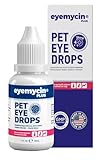
- Daily Cleaning - This eye drop for dogs and cats is suitable for daily eye care of pets, removes tear stains and smudges, restores the shine of the hair around the eyes and soothes canine, feline, and dog eye infection treatments, itchy foreign body discharge and other symptoms
- Effective, Gentle, and Safe - The active ingredient of our eye drops for cats is Hypochlorous Acid (HOCI). HOCI is a naturally occurring substance produced by mammalian white blood cells to boost your pet's immune system. We synthesize a stable immune factor, the HOCI molecule, through EYEMYCIN PET HOCI technology, which has revolutionized safe animal care for all pets and their owners
- Reliable Solution - This dog eye drops for infection are gentle, non-irritating, no alcohol added. Developed to strict standards and trusted by professionals, its natural ingredients and proven effectiveness make it a reliable solution for maintaining optimal eye health in your furry friend
- Easy and Precise Eye Care - EYEMYCIN PET’s innovative nozzle design ensures precise and easy dispensing of each drop, while also protecting your buddies’ eyes from accidental injury. This unique design makes the application of eye rinse quick, safe, and gentle, reflecting our genuine care for your pet’s comfort and health
- For Cats ,Dogs , Horses & Birds - This pet eye drop is suitable for cats and dogs, easy to operate, and can easily provide eye care for your furry friend. Whether indoors or outdoors, it can be used for cleaning anytime and anywhere
Can cataracts in cats be treated with eye drops?
No proven medical treatment is known to reverse or slow cataract progression or prevent cataracts from forming. The ACVO also warns that some promoted agents can worsen cataracts. Do not use over-the-counter drops, supplements, or home remedies as cataract treatment or as a substitute for an examination. Ask a veterinarian before putting any product in your cat’s eye.
How can you help a cat with impaired vision at home?
Keep the environment predictable. Cornell recommends keeping the food bowl and litter box in precisely the same locations. Avoid moving familiar resources unnecessarily, and make a veterinary appointment if you notice cloudiness, other unusual eye changes, or behavior that suggests your cat’s vision has changed.
If cataracts are suspected or confirmed, ask your veterinarian whether referral to a veterinary ophthalmologist is appropriate. The ACVO’s specialist referral information can help owners understand how to find an ophthalmologist; referral options and availability vary by location.
Quick Recap
Product prices and availability are accurate as of the date/time indicated and are subject to change. Any price and availability information displayed on Amazon at the time of purchase will apply.




