The Community Cat Programs Handbook is a free, 28-chapter operational reference for shelters, animal-services teams, veterinary partners, rescue groups and community cat caregivers. It covers the planning and day-to-day work behind community cat programs, including trap-neuter-return-monitor (TNRM), return-to-field (RTF), veterinary partnerships, trapping, recovery, returns and community outreach. Best Friends Animal Society’s current landing page describes the handbook as revised and updated with latest research and effective practices; the hosted PDF itself is labeled “Revised 2020.” Get the handbook from Best Friends.
What the handbook covers
The handbook treats a community cat program as coordinated work across shelter administration, field operations, veterinary care and the community—not simply a trapping effort. Its 28 chapters are grouped into three broad areas:
- Administration: staffing, volunteers, marketing and public relations, legal issues, finances, facilities, outreach, caregiver resources and sustainability.
- Operations: outcomes, field services, shelter staff, veterinary clinics, local TNVR and rescue groups, trapping, housing, post-surgery recovery, returns, worker safety, data, complaints, kittens and safety equipment.
- Supplemental programs: additional lifesaving work, working-cat programs and disaster preparedness.
The handbook is a planning resource, not a substitute for local law, veterinary judgment, clinic policy or a plan tailored to local conditions. The landing page describes the revised handbook as updated with latest research and effective practices, while the PDF’s title material says “Revised 2020”; its hosting path alone does not establish that the PDF content was revised in 2026. Best Friends Animal Society handbook page.
Choose the right program model: TNRM or return-to-field
TNRM and RTF both involve sterilization and return, but they begin in different places. ASPCA identifies TNRM as its most important and effective approach for decreasing community-cat populations, while emphasizing that population decline depends on sufficient sterilization over time and suitable outdoor conditions. Decline may not be feasible everywhere or with every level of resources. ASPCA position statement on community cats.
Do these 3 things before closing this tab:
1Clear out junk files and repair common Windows errors2Scan for outdated or missing drivers - takes under a minute3Repair Windows errors before they cause bigger problems#1 Best Overall

- High Quality Materials:SZHLUX Live Animal Cage Trap use low carbon steel wire and medium frequency welding. In this way, the product surface is flat, the welding is firm, and it is not easy to solder off.Weather and rust resistant.
- Convenient Design: Our cat trap is foldable and can be easily loaded into the trunk of the car.It only takes 4 simple steps to set up,from nearly flat to assembled in seconds--no tools needed.
- Humane Live Animal Trap: Our raccoon trap use oblong support frame to secure the cage shape and use fixing clips to fix rear door,smoothed internal edges protect and prevent trapped animal being injured.All you need is some bait to catch and then release them back to the wild.
- User-friendly Design: The top cover guard board of the cage prevents people injured by the trapped animal's mistake.The connecting rod of the pedal mechanism is set inside the cage to prevent animals from touching the mechanism by mistake.A new tool has been designed to extend the safe distance when releasing the animal.
- Dimensions: Product Size: 32inch*10inch*12inch; Package Size: 38.2inch*11.8inch*3.15inch.Excellent choice when attempting to capture smaller animals such as stray cats, raccoons, squirrel, skunk, mole, groundhog, armadillo, rabbit and small dogs.
| Program | Where the cat enters | Core use and considerations |
|---|---|---|
| TNRM | In the community; cats receive services without shelter admission. | Used to manage community cats through trap, sterilization, return and monitoring. Population reduction is a possible goal, not a guaranteed result; success depends on conditions including sterilization coverage and outdoor suitability. |
| RTF | A free-roaming cat is admitted to a shelter and then returned to its origin after services. | Consider for an eligible cat who is unowned and a poor fit for adoption, whose exact origin is known and return is possible, and who appeared to thrive there without known threats. ASPCA says RTF should be paired with other programming intended to reduce the population. |
Before treating a socialized cat as unowned, check for a microchip and other identification and make reasonable local efforts to find an owner. A known, exact return location and the cat’s safety there matter to an RTF decision; local law and policy determine eligibility. ASPCA position statement.
Set a goal you can measure
Population reduction is only one reason a community may run a program. A shelter may aim to reduce admissions or euthanasia, respond to nuisance complaints, provide veterinary care, or pursue several of these goals. Define the intended outcome before choosing measures: sterilization rate, shelter outcomes, complaint response and population change are different metrics. Conditions such as geography, climate, other animals, existing programs and cultural norms affect what is feasible. ASPCA guidance.
Rank #2

- HUMANE CAPTURE: This large live animal trap safely captures raccoons, cats, possums, and other small animals with a 1-door design that allows full entry before closing, reducing escape chances for effective pest control
- HEAVY-DUTY CONSTRUCTION: Built with galvanized wire mesh and solid steel door, this raccoon trap resists rust and corrosion while providing long-lasting durability for outdoor use in all weather conditions
- SAFETY FIRST: Features smooth internal edges to prevent animal injuries and protective handle guards for safe handling, making this humane animal trap ideal for both novice and experienced users in wildlife management
- PROFESSIONAL DESIGN: Engineered with a refined trip mechanism specifically calibrated for heavier animals like bobcats and coyotes, this live trap minimizes false triggers while ensuring reliable capture performance
- VERSATILE SOLUTION: Perfect as a feral cat trap, skunk trap, or armadillo trap, this large animal cage trap handles a wide range of pest control situations effectively for comprehensive wildlife management
Build the operating plan before trapping
Reliable fieldwork depends on decisions made in advance. The handbook assigns distinct chapters to administration, field operations, veterinary partnerships, recovery, returns and data because each affects whether cats can be handled safely and returned appropriately. Before launch, write procedures and coordinate the people and services involved.
- Define the program’s purpose and eligibility. Decide whether the work is community-based TNRM, shelter-based RTF or another service pathway. Set criteria consistent with local law and policy.
- Secure veterinary capacity. Agree on appointment flow, services, accepted cats, transport, records and post-operative instructions with the clinic or clinics before scheduling trapping.
- Set field and shelter procedures. Clarify who responds to requests, who traps or transports cats, how staff and volunteers are trained, and how caregivers receive updates.
- Prepare recovery and return arrangements. Identify appropriate holding space and a method to document each cat’s exact capture location so the return can be made to the correct site.
- Establish records and follow-up. Track services and outcomes, maintain caregiver contact, monitor colonies and determine how the program will respond to new, sick, injured or complaint-related cases.
- Check local requirements before each operation. Confirm applicable law, clinic eligibility, required training, approved trap specifications, individual recovery instructions and whether the return site is safe.
Choose a veterinary service model that fits local capacity
The handbook describes several ways to arrange surgery; it does not establish a universal best model or provide a standard cost comparison. The workable option depends on surgical capacity, funding, caregiver access, geographic reach, transport, staffing and recovery support. Make the arrangement before trapping begins.
Rank #3
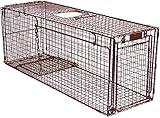
- Works for cats, skunks, rabbits, and other small animals
| Service model | What to plan for |
|---|---|
| In-house shelter veterinary suite | Clinic capacity, staffing, workflow and recovery space within the shelter operation. |
| Network of private veterinarians | Agreed surgery volumes, consistent protocols, appointment coordination and transport among providers. |
| Community-cat clinic day | Scheduled access, caregiver coordination, intake flow and sufficient space and staffing on clinic days. |
| High-volume spay-neuter clinic | Eligibility, booking, travel, service capacity and a clear handoff for recovery and return. |
| Combination of providers | Consistent procedures and records across locations, with responsibilities clearly assigned. |
These are models identified in Best Friends’ handbook, not a ranked list. Local agreements should specify what each provider can deliver and how cats move from capture through surgery, recovery and return. Community Cat Programs Handbook.
Plan trapping, recovery and return around the individual cat
Trap design, training, clinic rules and recovery instructions are local and may vary. Ask the treating clinic or local TNR program what equipment it accepts and whether training or trap rental is available before buying equipment or setting a trap. Toronto’s municipal program, for example, requires prior training, appointment confirmation and a two-door trap with identifying information; those requirements apply to that program, not everywhere. City of Toronto TNR program.
Rank #4

- Wide Application: As urban and wilderness ecosystems intertwine, animals may disturb your life. Our cat trap is a versatile solution for various animals, including cats, raccoons, rabbits, groundhogs, armadillos, and opossums. It effectively addresses issues such as farmland invasion, release, and harassment.
- Humanized Designs: We prioritize humane care with our raccoon trap. The L-shaped lever ensures the trap won't harm animals when triggered. The dense mesh prevents escapes and protects against external attacks or stolen food. Smooth wire edges prevent animals from panicking or biting the wire, ensuring their safety.
- Sturdy and Durable: Our animal trap is built to last. It is constructed with sturdy, thickened wires that withstand animal bites and impacts without deformation or cracking. The galvanized coating provides excellent corrosion resistance, ensuring stability and durability in all weather conditions.
- Simple and User-friendly: Our live trap is designed for your convenience. It comes pre-assembled, saving you from tedious setup steps. Just unfold the cage, secure the rear door, and connect the trap mechanism to start using it quickly. This saves time and effort, allowing you to engage in capture work promptly.
- Portable and Easy to Store: Our efficient groundhog trap is portable and easy to store. It features a convenient handle for easy mobility, with an extended design that prevents accidental injuries from animals. The collapsible design allows for easy storage, freeing up space when not in use.
Toronto’s recovery guidance is a local example
The City of Toronto page, modified July 3, 2026, advises holding cats in traps for 24–72 hours after surgery in a warm, quiet, dry, temperature-controlled space. It says males can usually be released after 24 hours if alert and eating; females generally need 48–72 hours; nursing mothers may be released once fully awake and stable so they can return to their kittens. These are Toronto program instructions, not national standards. Follow the treating clinic’s directions for the individual cat, monitor for complications, and return the cat to the exact trapping location when cleared. Toronto TNR program and recovery instructions.
Confirm safe return conditions
Record where the cat was found, assess whether the cat may be owned or socialized, and consider medical vulnerability and threats at the proposed return site. For RTF, ASPCA’s considerations include knowing the exact origin and whether the cat appeared to thrive there without known threats. A return that cannot be made safely or to the correct location should not be treated as an automatic step; follow local policy and veterinary guidance. ASPCA position statement.
Best Value

- Safe & Humane Trapping – Designed with animal welfare in mind, this live trap safely captures animals without injury, making it ideal for humane relocation.
- Durable Galvanized Steel Build – Constructed from high-strength, rust-resistant steel for long-lasting performance in any weather condition.
- Reliable Trigger Mechanism – Features a highly sensitive trip plate and spring-loaded door to ensure fast and secure captures, every time.
- Spacious & Versatile Size – Accommodates a range of medium-sized animals including raccoons, groundhogs, armadillos, and stray cats.
- Simple Assembly– Folding to save space and easy assembly with no tools required—perfect for homeowners, farmers, or pest control professionals.
Coordinate with caregivers and community partners
Caregivers can help identify cats, share site knowledge, support monitoring and report new or concerning cases. A durable program provides a clear contact point, explains eligibility and procedures, and keeps communication going after initial surgery or return. The handbook includes caregiver resources, outreach, volunteer engagement, complaint response and sustainability, reflecting how community relationships support the operational work.
Toronto’s coalition illustrates how local support can extend beyond surgery: its page lists training, trap rental, surgery, recovery space, winter shelters, food donations and help with kitten adoptions. These services and eligibility are specific to Toronto; another community may have different resources or none of the same supports. City of Toronto TNR program.
Track outcomes without promising population decline
Use measures that correspond to the program’s stated purpose. A count of surgeries can show service activity, but by itself does not establish reduced shelter intake, fewer complaints or a declining outdoor population. ASPCA describes population reduction as dependent on sufficiently high sterilization over time and suitable conditions, and notes that it may not be feasible in every setting. Review the program’s data over time and adapt to local conditions rather than treating the presence of a TNRM program as proof of a particular outcome. ASPCA position statement.
Where the handbook fits—and where local guidance takes over
Use the handbook to organize roles, services, field procedures, outreach and program planning. For decisions that depend on jurisdiction or an individual animal, verify local law, clinic policy, veterinary advice, wildlife and environmental considerations, and local service availability. The handbook’s scope makes it useful as an operational reference, but no single protocol in the cited materials establishes universal trapping, recovery, return or eligibility rules.
Free tools Windows power users keep installed
One-click scans. No signup required.
Quick Recap
Product prices and availability are accurate as of the date/time indicated and are subject to change. Any price and availability information displayed on Amazon at the time of purchase will apply.




