The Tool Desk
Outbyte Driver Updater FREEScan for outdated or missing drivers - takes under a minuteDriver Scan →Outbyte PC Repair FREERepair Windows errors before they cause bigger problemsFix Now →Ovid’s story names no animals that King Midas turns to gold—and it does not contain a list of ten. In Book 11 of Metamorphoses, Midas tests his wish on objects and plants, then discovers that food and drink become inedible. The familiar search for “10 golden animals touched by Midas” does not match the ancient account.
What does Ovid say Midas turns to gold?
After Midas returns Silenus to Bacchus, the god offers him a reward. Midas asks, “Cause whatsoever I shall touch / at once to yellow gold,” in Brookes More’s translation of Metamorphoses, Book 11. Ovid describes him testing the power on a twig, a stone, a clod of earth, grain, an apple, and a doorway. None is an animal. Read Ovid’s Book 11 in the Perseus Digital Library.


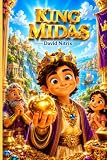

Why are there no ten golden animals?
The number ten and the animal list are not details supplied by Ovid’s account. The story’s transformation examples are inanimate objects and crops; its central danger is that Midas cannot eat or drink once his meal turns to gold. Later retellings may add or alter details, but this account cannot establish what every adaptation includes.
How does the Golden Touch become a curse?
Food and drink turn to gold
At the table, Midas finds that food, meat, and wine transform when he touches them. The wish that seemed to promise limitless wealth instead prevents him from meeting basic needs.
#1 Best Overall
Bacchus tells him how to be freed
Midas asks Bacchus to take the power away. Bacchus directs him to wash at the source of a river; in Ovid’s narrative, the power leaves Midas and gold becomes associated with the river landscape. The Pactolus episode is a literary explanation within the myth, not historical evidence that the events occurred.
How old is the Golden Touch story?
A 2015 article in the Penn Museum’s Expedition identifies a passage in Aristotle’s Politics as the earliest reference to the Golden Touch that it discusses. In the passage, Midas dies of hunger because the food served to him turns to gold. The article describes Ovid’s first-century CE account as the fullest version it discusses, including Midas’s return of Silenus, his wish, his distress, and his washing at the Pactolus. Read the Penn Museum’s account of the Midas myth.
Rank #2
Could real gold-colored textiles have influenced the myth?
The Penn Museum article discusses a burial textile associated with Midas’s father that may have had a golden sheen from goethite pigment. Its authors suggest this could have contributed to traditions of golden-looking elite garments. That is a proposed explanation, not a proven origin for the Golden Touch story.
Quick Recap
Product prices and availability are accurate as of the date/time indicated and are subject to change. Any price and availability information displayed on Amazon at the time of purchase will apply.
Recommended Free Tools




