Diet supports insulin treatment in a diabetic dog; it does not replace it. For a dog with diabetes mellitus (DM), the practical priorities run in a fixed order: choose a food the dog reliably eats, keep portions and mealtimes consistent, adjust calories toward a healthy body condition, and line up meals with the insulin schedule the veterinarian has prescribed. The right details depend on the dog’s weight status, appetite, insulin regimen, and any other illness it has.
Why insulin still comes first
The Merck Veterinary Manual states that dietary management and weight loss alone will not control diabetes in dogs. Food is an adjunct to insulin. A good diet makes blood glucose easier to predict and helps with weight, but it does not take the place of injections.
The four priorities, in order
- Choose food the dog eats well. A complete and balanced diet only helps if the dog eats all of it, every day. Appetite comes before any ideal formula on paper.
- Keep portions and timing steady. Measure each meal, feed at the same times, and avoid unplanned extras that change how much the dog eats.
- Set calories against body condition. The goal is a dog that is slowly losing weight if it is overweight, or regaining weight and muscle if it is underweight. Treats count toward the total.
- Coordinate food with insulin. Meal timing and the amount eaten before each injection are part of the insulin plan, not a separate chore.
Does a diabetic dog need prescription diabetic food?
Not necessarily. The American Animal Hospital Association (AAHA) says dogs with DM may do well on any complete and balanced diet, provided it is palatable, served in appropriate portions, and fed at consistent times. The recommendation still has to suit the dog’s body condition and any other medical needs. AAHA’s 2026 canine diabetes management guidelines (Section 6, published August 31, 2026) put it this way:
“Dogs with DM can do well on any diet that is complete and balanced, fed at consistent times and in appropriate portions, and has palatability that supports a consistent appetite.”
#1 Best Overall

- Dog multivitamins chewable for skin & coat : Dog multivitamin is rich in Omega-3 fatty acids and vitamin E,which can relieve skin allergies,dryness,itching and other problems.Multivitamin for dogs nourishes skin follicles.Long-term consumption of dog vitamins multivitamin can make dog hair stronger and smoother,and reduce coat loss.The COQ10 in dog multivitamin chewable can resist oxidation and delay cell aging.Dogs with skin injuries can eat dog vitamins and supplements to promote wound healing
- Dog multivitamin relieves joint inflammation: Dog vitamins for hip and joint can supplement high-quality MSM, glucosamine, and chondroitin sulfate to promote cartilage development and repair. Long-term consumption of dog multivitamins chewable can enhance the elasticity and toughness of joint cartilage, improve joint flexibility, and move more freely. Dog multivitamin chews can reduce joint friction and relieve joint pain. Dog vitamins and supplements can prevent and improve dog joint problems
- Dog multivitamin chews are good for the gut: Vet-endorsed formula dog vitamins and supplements made from natural ingredients.Dog vitamins multivitamin chewables contain a rich blend of probiotics to support intestinal and digestive health.Dog vitamins for small dogs can regulate the balance of intestinal flora,help calcium absorption,and promote bone development.Dog multivitamins chewables improve energy metabolism,converting food into energy, making dogs more energetic in their daily activities
- Dog multivitamin chews protect overall health:Senior dog vitamins and supplements help improve blood circulation and prevent cardiovascular disease.Dog multivitamins chewable support normal liver function,promote liver detoxification,and improve negative mood.For dog with heart problems and older dog,taking dog vitamins and supplements in moderation is an auxiliary health care measure.Dog vitamins multivitamin helps enhance white blood cell activity,improve immunity,prevent infection and disease
- Dog multivitamins chewable promote brain development: The DHA in krill oil in multivitamin for dogs is an important component of the brain and retina. Dog vitamins and supplements can improve dog cognitive ability. When training puppies to learn basic commands, puppies who are properly supplemented with dog vitamins multivitamin will behave more intelligently and improve memory.Dog supplements & vitamins can prevent and relieve eye problems such as dry eyes and tear stains, and keep eyes healthy
A prescription or therapeutic food is therefore a choice made for a reason, usually a concurrent condition or a weight goal the veterinarian has set. It is not a default requirement for every diabetic dog.
How body condition changes the goal
Weight status decides whether the diet should push weight down or pull it up. The AAHA guidance treats overweight and underweight dogs differently.
Overweight or obese dogs
For an obese dog, AAHA gives a gradual weight-loss target of 1–2% of body weight per week. This is a target in the guideline, not a promise of how any individual dog will respond. Calorie needs are calculated from lean body mass rather than total body weight. Higher soluble and insoluble fiber may help reduce post-meal hyperglycemia and support active weight loss, which is why a higher-fiber option is often considered for these dogs.
Underweight dogs
For an underweight dog, the priority reverses. AAHA says the first aims are normalizing body weight, increasing muscle mass, and stabilizing metabolism. A high-quality maintenance diet, or a diabetic diet that is not formulated for weight loss, is suggested. A moderate-carbohydrate, higher-calorie, higher-fat option may be acceptable when weight gain is needed, with fiber added only if appropriate. A high-fiber, lower-calorie diet can work against this goal.
Do these 3 things before closing this tab:
1Scan for outdated or missing drivers - takes under a minute2Repair Windows errors before they cause bigger problems3Fix the driver behind crashes, sound loss and screen glitchesRank #2
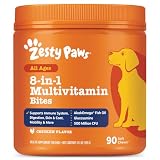
- 8-in-1 Formula - Zesty Paws Multifunctional Bites are functional supplement chews with premium ingredients that support physical performance, antioxidants, hip & joint, heart, immune, skin, liver, & gut health for dogs of all ages, breeds, and sizes.
- Skin Health & Antioxidants – For animals with sensitive skin, this formula contains Cod Liver Fish Oil and Vitamin E to help maintain normal moisture and CoQ10 to help reduce oxidative stress.
- Hip, Joint & Performance Support - Each dog chew features OptiMSM, a premium form of MSM for muscular support, which works synergistically with the Glucosamine HCl and Chondroitin Sulfate in these chews for hip and joint support plus Cod Liver Oil and B-Complex Vitamins support normal physical performance.
- Gut Health & Probiotics - These chews also contain a six-strain Gut Health Blend (500 million cfu per chew) and a Digestive Health Blend to promote gut flora while supporting normal bowel function for dogs.
- Heart, Liver & Immune Health - Multifunctional Bites feature powerful antioxidants, premium CoQ10, Cod Liver Oil and Vitamins A, C, & E to promote healthy cardiovascular function, support liver health and enhance immune response.
| Body condition | Primary goal (AAHA) | Dietary direction | Fiber consideration |
|---|---|---|---|
| Overweight or obese | Gradual loss of 1–2% of body weight per week | Calories calculated from lean body mass, with treats included | Higher soluble and insoluble fiber may help post-meal hyperglycemia and weight loss |
| Underweight | Restore body weight and muscle; stabilize metabolism | High-quality maintenance diet or a diabetic diet not formulated for weight loss; moderate-carbohydrate, higher-calorie, higher-fat option may be acceptable | High fiber may work against weight gain; add fiber only if appropriate |
Fiber: useful for some dogs, counterproductive for others
AAHA describes dietary therapy as a way to help achieve or maintain ideal body weight and to reduce post-meal hyperglycemia. For dogs already eating a standard-fiber food, the guideline lists possible fiber additions, including canned pumpkin, green beans, psyllium, and wheat dextrin. Discuss any addition with the veterinarian before starting it, because the right choice depends on the dog’s weight goal and how well its stomach tolerates the change.
The Merck Veterinary Manual favors diets high in fiber and complex carbohydrates and advises avoiding foods high in simple sugars, including semimoist foods. Those general preferences work best as a starting point. A dog that is losing weight may do well on a higher-fiber food, while a dog that needs calories may not.
Calories, treats, and monitoring
Consistency includes the extras. The steps below are the practical core of the AAHA guidance:
- Calculate daily calorie needs from lean body mass, not the dog’s total weight, and include calories from daily treats and snacks.
- Weigh the dog and assess body and muscle condition at least once or twice a month.
- Use the same scale and the same scoring system each time so changes can be compared accurately.
- Bring the records to each visit so the veterinarian can adjust intake.
A kitchen scale is a useful way to weigh food portions. The guideline does not endorse any particular scale, and weighing food does not set the dog’s calorie target; that number comes from the veterinary plan.
Rank #3

- COMPLETE 26-IN-1 DAILY WELLNESS FORMULA: Our advanced multivitamin for dogs is formulated to help support 26 vital nutritional areas as part of a daily routine. With essential vitamins A, C, D3, and E, these gummies help support the immune system and contribute to overall heart and brain health for dogs of all sizes.
- ADVANCED HIP AND JOINT MOBILITY SUPPORT: Formulated with Glucosamine HCl, Chondroitin, and MSM to help support cartilage health, joint flexibility, and everyday mobility — making them a great daily supplement for large breed dogs and active senior dogs.
- SKIN & COAT SUPPORT: Packed with Norwegian Salmon Oil and Biotin, our dog multivitamin helps nourish skin from within and supports a soft, glossy coat. Omega 3 fatty acids contribute to healthy skin and coat as part of a complete daily nutritional routine.
- PROBIOTICS & DIGESTIVE SUPPORT: Features a Six-Probiotic Blend (500 Million CFU) and Digestive Enzymes to help support gut health, smooth digestion, and nutrient absorption. Cranberry Powder is included as part of this comprehensive daily wellness formula.
- UNBEATABLE VALUE 250 COUNT JAR: Our 250-count jar provides lasting daily support in a delicious chicken flavor. Made in the USA in a GMP-certified facility, our soft chews are grain-free and suitable for puppies, adult, and senior dogs alike.
Meal timing and insulin schedules
Meal timing is set by the insulin regimen. The Merck Veterinary Manual notes that most dogs need two insulin doses daily and describes two equal-calorie meals given just before those doses. Merck Animal Health offers examples for its Vetsulin product, which show how schedules differ. Treat these as illustrations of the logic, not a universal schedule, and confirm the exact plan with your veterinarian.
Once-daily insulin
In the Merck Animal Health example for Vetsulin on a once-daily schedule, two-thirds of the daily ration is fed before the morning injection and the remainder later in the day.
Twice-daily insulin
In the same example for twice-daily treatment, half the ration is fed with each dose.
| Insulin schedule | Example from Merck Animal Health (Vetsulin) | What to confirm with your veterinarian |
|---|---|---|
| Once daily | Two-thirds of the daily ration before the morning injection; the rest later | Exact split, timing of the second feeding, and whether the dog’s appetite supports it |
| Twice daily | Half of the daily ration with each injection | Whether the two meals are equal in calories and whether they fit the dog’s schedule |
When your dog won’t eat
Food refusal is the point where diet and insulin most often collide. AAHA’s client education material gives the following sequence. Make it part of your dog’s written plan with the veterinary team rather than a set of instructions to improvise from.
Free tools Windows power users keep installed
One-click scans. No signup required.
Rank #4

- Joint Health Supplement for Dogs: Cosequin is the #1 vet recommended retail joint health supplement brand, supporting joint health in dogs for over 25 years
- Contains Glucosamine for Dogs: Cosequin contains glucosamine hydrochloride (FCHG49) and sodium chondroitin sulfate (TRH122), plus methylsulfonylmethane (MSM). This unique combination of ingredients supports healthy joints
- For Any Breed or Size: Whether you have a young or senior dog, a small or large breed, Cosequin helps support their joint health
- Tasty Chews for Daily Use: Cosequin comes in a tasty chewable tablet, making daily administration easy and convenient
- Exceptional Quality: Cosequin is backed by science, undergoing thorough quality inspections to ensure your dog receives a safe, high-quality product. It is manufactured in the United States with globally sourced ingredients
- Offer the scheduled meal at the scheduled time.
- Give the full insulin dose only after the dog has eaten at least half of the meal. AAHA’s 2026 client education guidance states this as at least 50% of the meal consumed before a full insulin dose.
- If the dog is intentionally fasted or eats less than half of the meal, the guidance is to give half the normal dose, as directed in the veterinary plan.
- Contact the veterinarian if the dog fails to eat at least half of two consecutive meals.
Keep a simple log of what the dog ate and when each injection was given. It makes the call to the clinic faster and more accurate.
Independent reader supportYour contribution helps us test, update, and keep practical guides available for everyone.Choosing between diet options
When comparing two diets or feeding approaches, the decision usually turns on six points. Work through them in this order:
- Body condition and calorie density: weight loss versus weight gain or maintenance.
- Fiber and carbohydrate profile: whether higher fiber supports the goal and is tolerated.
- Palatability and repeatability: whether the dog will eat the same suitable food in the same portion every day.
- Insulin schedule: whether meal timing can be coordinated with the prescribed regimen.
- Concurrent disease: whether another medical diet takes priority.
- Practicality: whether you can measure portions and count treats in the calorie plan.
Merck Animal Health notes that a carefully controlled nonprescription diet can work. It also notes that complete canned food may be easier for some fussy eaters to accept. Neither point settles the choice on its own; appetite, calories, and body condition do.
Water and monitoring
Fresh water should stay freely available. Merck Animal Health’s guidance is not to restrict water. A change in drinking alone is not a reliable measure of control, so AAHA emphasizes clinical signs, body weight, and veterinary monitoring.
Crashes, No Sound, or Screen Glitches?
Random freezes, missing sound and display glitches usually trace back to one bad driver. Find and replace yours safely.Free scan · under a minutePC Slower Than It Used to Be?
A free scan shows the junk files, broken settings and background clutter dragging Windows down - then fixes them in one click.Free scan · Windows 10 & 11Best Value

- Itch & Allergy Relief with Omega-3 for Dogs - with 500mg of Omega (EPA+DHA) per serving, our chewable supplement helps with hot spots, dry itchy skin, ease itching, irritated skin, stops shedding.
- Skin & Coat + Hip & Joint Supplement Combined - Omega 3 is a vital element to keep your pet active, support healthy hip and joints, brain, heart, immune health. Can be served with regular pet food.
- Bark&Spark Commitment - we are keen to give best to our furry customers and we take NO compromise when it comes to product quality. Our omega 3 bites are made in the USA, with human grade ingredients.
- Up to 3 Month Supply - with 180 salmon oil treats per jar you keep your pet healthy while not spending a fortune on overpriced supplements. Best value.
- Is Your Dog a Picky Eater? We stick to simple formulas rich in natural flavors, that could tempt a fussy eater. No hassle with pills, powder, tablets or capsules.
When another illness takes priority
A diet tailored to a concurrent condition can override the ideal diabetic-food profile. AAHA names kidney disease, pancreatitis, and intestinal malabsorption as examples where that intervention can take precedence. In those cases the diabetic goals are balanced against the other condition, and the veterinarian decides the order.
What this guidance does and does not establish
This is general veterinary guidance, not an individual feeding or insulin plan. The AAHA recommendations are written to be adjusted for concurrent disease and to include treat calories. The guidance does not give a figure for how much a particular diet lowers blood glucose, so progress should be judged from clinical signs, weight, body condition, and the veterinarian’s monitoring. The aim is a stable, workable plan that supports good quality of life, not a belief that diet alone can cure diabetes.
Do not change insulin, switch foods abruptly, or start supplements without veterinary input.
Sources: American Animal Hospital Association, canine diabetes management guidelines, Sections 6 and 8, published August 31, 2026; American Animal Hospital Association client education guidance, 2026; Merck Veterinary Manual; Merck Animal Health guidance on Vetsulin.
Recommended Free Tools
Quick Recap
Product prices and availability are accurate as of the date/time indicated and are subject to change. Any price and availability information displayed on Amazon at the time of purchase will apply.




