Dilated cardiomyopathy (DCM) is a serious heart-muscle disease that makes a dog’s heart weak and commonly enlarged. It can be inherited, nutritional, toxic, viral, or idiopathic, and early disease may be silent. If your dog has labored breathing, collapse, fainting, blue or gray gums, or severe weakness, seek emergency veterinary care now.
Because symptoms overlap with other heart and lung conditions, DCM cannot be diagnosed from a diet, breed, or symptom alone. A veterinarian may need an echocardiogram, chest X-rays, ECG or Holter monitoring, and laboratory testing to identify the problem and choose treatment safely.
As an Amazon Associate I earn from qualifying purchases.
Dilated cardiomyopathy (DCM) is a serious disease of the heart muscle in which the heart becomes weak and often enlarged. Because the heart cannot contract and pump blood normally, affected dogs may develop low stamina, weakness, abnormal heart rhythms, fluid in the lungs or abdomen, collapse, or sudden death. Early disease may cause no visible symptoms.
Quick wins for a faster PC:
Fix the driver behind crashes, sound loss and screen glitchesFind Drivers →Repair Windows errors before they cause bigger problemsFix Now →DCM has several possible causes, including inherited disease, nutritional or taurine-associated disease, toxic exposure, viral disease, and cases in which no cause is found. A breed, food label, or symptom cannot establish the cause by itself. Diagnosis usually requires a veterinary examination plus tests such as echocardiography, chest radiographs, an electrocardiogram, and sometimes 24-hour Holter monitoring and taurine testing.
#1 Best Overall

- Advanced Heart Health Support - CardioMAX combines L-Taurine, L-Carnitine, CoQ10, Hawthorn, Arginine, Omega-3 fatty acids (EPA & DHA), Magnesium, and Folic Acid to support cardiovascular function, healthy heart muscles, and overall heart wellness in dogs of all ages.
- Supports Dogs With Heart Concerns - Formulated to support dogs with heart murmurs, early-stage valve concerns, breed-related heart risks, or mild DCM concerns. Helps maintain healthy circulation, oxygen delivery, and heart muscle function.
- Promotes Healthy Circulation & Heart Function - A blend of antioxidants, amino acids, and essential fatty acids helps support normal blood flow, vascular health, and protection against oxidative stress for long-term heart support.
- Convenient 60-Chew Supply - Each 10.1 oz container provides 60 soft chews for easy daily administration and delivers approximately one month of heart support for medium to large dogs, or longer for smaller breeds.
- Veterinarian Formulated & Made in the USA - Developed with veterinary expertise and manufactured in an NASC-certified facility in the USA using high-quality ingredients for trusted quality, safety, and consistency.
What is dilated cardiomyopathy in dogs?
In DCM, the heart muscle—especially the ventricles—loses contractile strength. The chambers commonly become dilated, or enlarged, as the heart struggles to move blood forward. This is primarily a problem of systolic function: the heart does not squeeze effectively enough with each beat.
That failure creates two related problems:
- Reduced forward blood flow: Less blood reaches the body, which can cause tiredness, exercise intolerance, weakness, and fainting.
- Backward pressure: Blood pressure builds behind the weakened heart. Fluid may accumulate in the lungs, causing congestive heart failure and breathing problems, or in the abdomen, causing a distended belly.
DCM may also affect the heart’s electrical system. Atrial or ventricular arrhythmias can reduce effective circulation and may cause collapse or sudden death, sometimes before a dog develops obvious fluid accumulation.
Which dogs are at risk?
Inherited DCM is particularly important in certain large and giant breeds. Breeds commonly associated with a higher risk include:
- Doberman Pinschers
- Boxers
- Great Danes
- Irish Wolfhounds
- Newfoundlands
- Scottish Deerhounds
- Saint Bernards
Cocker Spaniels and some other breeds may develop distinct forms of myocardial disease, including forms in which nutrition may play a role. Breed risk does not mean that every dog of that breed will develop DCM, and dogs outside the classic risk groups can still be affected.
Age, family history, diet, medical history, medication exposure, and other illnesses may all be relevant. A veterinarian may recommend screening for a dog from a high-risk breed even when the dog appears healthy because early DCM can be silent.
What causes DCM?
In an individual dog, the cause may remain uncertain even after testing. The main recognized categories include the following.
Inherited or genetic disease
Some dogs inherit a tendency to develop progressive heart-muscle disease. This form is especially recognized in Doberman Pinschers, Boxers, Great Danes, Irish Wolfhounds, Newfoundlands, Scottish Deerhounds, and Saint Bernards. The disease may first appear as an electrical abnormality, reduced pumping function, chamber enlargement, or a combination of these findings.
The Tool Desk
Outbyte Driver Updater FREEScan for outdated or missing drivers - takes under a minuteDriver Scan →Outbyte PC Repair FREEClear out junk files and repair common Windows errorsFree Scan →Inherited DCM is generally managed rather than cured. Screening and follow-up can sometimes identify disease before severe heart failure develops, but a normal examination on one day does not guarantee that a predisposed dog will never develop DCM.
Rank #2
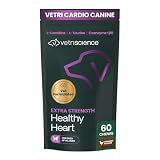
- Daily Heart Support: A heart-health supplement for dogs designed to promote healthy circulation, a strong heartbeat, normal blood pressure, strong heart muscles, and easier breathing
- Vitamins for Heart Health: Made with CoQ10, Carnitine, and heart-healthy vitamins and minerals to offer extra-strength cardio support for small, medium, and large breed dogs
- Taurine Supplement for Dogs: Powerful taurine heart supplement recommended for dog breeds including Cavalier King Charles Spaniels, Dobermans, Boxers, Golden Retrievers, Great Danes, and Poodles
- For Dogs of All Ages: While heart-support supplements are often recommended for senior and geriatric dogs, Extra Strength Healthy Heart chews are appropriate for all dogs needing additional cardio support
- Delicious Soft Chews: Chicken-flavored soft chews are easy to split and specifically formulated to be irresistible to dogs, with a drool-worthy scent and a chewy texture dogs love
Nutritional and taurine-associated disease
Taurine is relevant to some canine DCM cases. Unlike cats, dogs can normally synthesize taurine, so taurine is not a universal dietary requirement for dogs in the same way it is for cats. Nevertheless, selected dogs may have a nutritional or metabolic problem involving taurine, and some nutritionally mediated cases have improved after the diet was changed and targeted supplementation was provided under veterinary supervision.
Reports of diet-associated DCM have involved dogs eating many different types of food. University investigations, including work from UC Davis, have described cases involving diets containing legumes or potatoes, among other formulations. These reports do not establish that one ingredient is universally harmful, that every grain-free diet causes DCM, or that one commercial brand is proven safe for every dog.
In a peer-reviewed case series involving Golden Retrievers, most dogs improved after a diet change and taurine supplementation, with or without L-carnitine, and follow-up testing showed normalization of whole-blood taurine in the dogs tested. That finding supports the possibility of a potentially reversible, nutritionally mediated phenotype. It does not prove that supplements treat inherited DCM or mean that every dog with DCM should receive taurine.
Toxins, infections, and other medical causes
Recognized cause categories also include toxic exposure—such as exposure to the chemotherapy drug doxorubicin—viral disease such as parvovirus, nutritional deficiency, and idiopathic disease, meaning no specific cause can be identified. The relevant history may include current and previous medications, possible toxin exposure, infections, diet changes, and other illnesses.
Symptoms alone cannot distinguish inherited DCM from nutritional DCM, myocarditis, valve disease, an arrhythmia, or another cause of heart failure.
Symptoms of DCM in dogs
Early DCM can be difficult for owners to recognize because some dogs have no outward signs. A dog may seem normal at home while already having an abnormal rhythm or reduced heart function. As the disease progresses, owners may notice:
- Faster breathing while resting or sleeping
- Increased effort or difficulty breathing
- Coughing or gagging
- Reduced stamina or reluctance to exercise
- Weakness, lethargy, or a quieter demeanor
- Weight loss or reduced appetite
- A swollen or distended abdomen
- Collapse or fainting
- Sudden death, particularly when a serious arrhythmia occurs
When is DCM an emergency?
Seek urgent veterinary care for labored breathing, collapse, repeated fainting, blue or gray mucous membranes, or severe weakness. These signs can indicate inadequate circulation, pulmonary edema, a dangerous arrhythmia, or another emergency.
Keep the dog calm and minimize exertion while contacting a veterinary hospital. Do not try to manage suspected heart failure with over-the-counter supplements, human medication, or leftover prescriptions. A medication that helped another dog can be dangerous for the wrong diagnosis or dose.
Rank #3

- Potent Heart-Supporting Blend: This taurine supplement for dogs is crafted with taurine, coenzyme q10, dog fish oil and L-carnitine for dogs. This powerful combination supports healthy heart function, smooth circulation and overall cardiovascular health
- Heart Health: As an essential amino acid, dog taurine supplement with coq10 for dogs supports healthy cardiac function and muscle strength, especially vital for senior dogs. It is also ideal for any dog needing a little cardiovascular boost, making it a key nutrient for overall vitality and long-term wellness
- Cardiovascular Health: This dog heart supplement contains magnesium to help maintain normal heart rhythm, plus high-quality fish oil for dogs, supplying vital dog omega 3 fatty acids to help sustain healthy blood circulation and support stable cardiovascular function for lasting cardio health in dogs
- Chicken Flavor Dogs Love: Developed for canines of all breeds and sizes, these heart supplements for dogs come in a delicious natural chicken flavor even picky eaters love. Unlike taurine powder for dogs, no mixing is needed—just serve daily as a tasty treat or training reward
- Large-Capacity Supply: Each package provides a generous 7.76 oz of dog taurine supplements & vitamins – a substantial amount for extended daily use. It delivers reliable daily support, making it perfect for multi-pet households and convenient for consistent, long-term cardiac care
How veterinarians diagnose DCM
There is no reliable home test for DCM. Veterinarians combine the dog’s history and examination findings with imaging, rhythm assessment, and laboratory testing.
1. Physical examination and auscultation
The veterinarian listens for a murmur, abnormal heart sounds, or an irregular rhythm and evaluates pulse quality, gum color, breathing effort, and respiratory rate. The examination may also identify signs of fluid accumulation or another condition that resembles heart disease.
2. Echocardiography
An echocardiogram is the key structural and functional test for DCM. It uses ultrasound to assess chamber size, wall movement, valve function, and how effectively the heart contracts. It can help distinguish DCM from other causes of an enlarged heart or poor circulation.
Do these 3 things before closing this tab:
1Repair Windows errors before they cause bigger problems2Fix the driver behind crashes, sound loss and screen glitches3Clear out junk files and repair common Windows errorsIf a dog has suspected or confirmed DCM, ask whether referral to a board-certified veterinary cardiologist is appropriate. A cardiologist can interpret advanced cardiac imaging and help evaluate treatment, prognosis, and screening needs.
3. Chest radiographs
Thoracic X-rays can show whether the heart is enlarged and whether there is pulmonary edema or another lung abnormality. Radiographs are particularly useful when a dog is coughing or breathing abnormally, although they do not replace an echocardiogram.
4. Electrocardiography
A standard ECG records the heart’s electrical activity during the test. It may identify an arrhythmia that changes treatment or prognosis, but a brief ECG can miss intermittent abnormalities.
5. Holter monitoring
A 24-hour Holter monitor records the rhythm during ordinary activity and rest. It can detect intermittent or clinically important atrial and ventricular arrhythmias that are not present during a short clinic ECG. Holter monitoring is especially relevant in breeds and individuals known to be vulnerable to rhythm disturbances.
6. Blood and taurine testing
Blood work helps assess concurrent illness and may be important before and during treatment. When a nutritional component is suspected, the veterinarian may recommend whole-blood and plasma taurine testing. Results must be interpreted alongside the dog’s diet, breed, clinical signs, echocardiogram, and other tests; a taurine result alone does not diagnose every form of DCM.
Rank #4

- Fun Ingredients for Your Furry Friend - Each chewable also includes Hawthorn Berry, L Arginine, Vitamin E (as D Alpha Tocopherol), and Folic Acid to give pets heart support.
- Healthy Heart = Happy Pup! = Zesty Paws Cardio Bites are premium pet chewables that contain a blend of ingredients that promote healthy cardiovascular function for your canine companion.
- Featuring AlaskOmega Fish Oil - Each salmon flavored chew contains AlaskOmega, a traceable and sustainable fish oil that provides Omega-3 fatty acids (EPA and DHA) that support cardiovascular health.
- Plus Coenzyme Q10 - At 20 mg per chew, CoQ10 supports normal cardiovascular function and health.
- Amino Acid Support - This supplement contains Taurine and L-Carnitine. Together, these amino acids support circulation and normal function of the cardiac muscle to help dogs feel their best.
The cause should not be inferred from a food label, a breed, or symptoms alone. A complete history gives the veterinarian a better chance of identifying a potentially reversible contributor.
How is DCM treated?
Treatment depends on the dog’s pumping function, heart rhythm, presence or absence of congestive heart failure, kidney function, blood pressure, suspected cause, and response to therapy. The main goals are to improve forward blood flow, reduce the heart’s workload, control fluid accumulation, and manage dangerous arrhythmias.
Depending on the findings, a veterinarian may use:
- Pimobendan: In appropriate cases, this medication supports cardiac contraction and reduces vascular resistance.
- Diuretics: Furosemide and, in some cases, spironolactone may be used when congestive heart failure causes fluid retention.
- ACE inhibitors or other vasodilator and neurohormonal therapy: These may be prescribed when clinically indicated to reduce certain stresses on the cardiovascular system.
- Antiarrhythmic medication: Clinically significant atrial or ventricular arrhythmias may require specific rhythm treatment.
- Diet change and targeted supplementation: These may be appropriate when the history, testing, and veterinary assessment support a nutritionally mediated form of disease.
These medication names are included for context, not as a prescribing guide. Do not start, stop, combine, or change the dose of a cardiac drug without the treating veterinarian. Some drugs, including digoxin and antiarrhythmics, can require close monitoring because of toxicity or rhythm-related risks. The correct combination depends on the dog’s cardiac status, kidney function, blood pressure, and other medications.
Free tools Windows power users keep installed
One-click scans. No signup required.
Medication organization at home
Dogs with DCM may need several medications at different times of day. A 7-day pill organizer for pet medications may help some households keep doses organized, but it is only an adherence aid—not a treatment. Use one only when its compartments, labeling, and storage method are compatible with the medication instructions. Keep medicines in their original labeled containers when required, and confirm the system with the veterinary team or pharmacist.
Independent reader supportYour contribution helps us test, update, and keep practical guides available for everyone.Diet, grain-free food, and taurine: what owners should know
Diet-associated DCM is an area of ongoing investigation, and responsible advice needs to reflect the limits of the evidence.
If your dog has DCM or a veterinarian is concerned about diet-associated disease, bring a complete diet history to the appointment. Include:
- The exact food name and formula
- How long the dog has eaten it and any recent food changes
- Treats, chews, table food, and toppers
- Homemade or raw-food components
- All supplements, including taurine or L-carnitine
- Medications and appetite changes
The veterinarian may recommend changing to a nutritionally appropriate diet and may consider taurine testing, particularly when the dog’s breed, diet, or test results suggest possible taurine sensitivity. A veterinary nutritionist for dogs can help review the complete diet and plan a therapeutic change when the case is complicated. No single commercial diet can responsibly be called universally safe or appropriate for every dog with, or at risk of, DCM.
Outdated Drivers Are Slowing You Down
One free scan finds every outdated or missing driver and matches the right update for your exact hardware.Free scan · exact hardware matchWindows Errors? Fix Them Before They Spread
Repair common Windows errors and clear accumulated junk for a smoother, more stable PC - no reinstall needed.Free scan · no reinstallAvoid these conclusions:
- Grain-free food causes DCM in every dog.
- Peas, lentils, or potatoes always cause taurine deficiency.
- Adding taurine prevents all DCM.
- A supplement can replace cardiac medication.
- One brand or formula is proven safe for every dog.
Do not make a major diet change or begin a supplement solely because of an online claim. A diet change may be important in a particular case, but it does not replace echocardiography, rhythm evaluation, treatment for heart failure, or follow-up testing.
Best Value
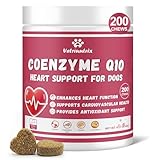
- ADVANCED HEART & IMMUNE SUPPORT: Our premium heart supplement for dogs boosts cardiovascular function with CoQ10. It defends the immune system against oxidative stress to maintain long-term heart health, keeping your pet active and protected every day
- POWERFUL TAURINE & L-CARNITINE: Our targeted taurine supplement for dogs combines L-Carnitine and vital nutrients to support strong heart muscles and healthy circulation. This formula ensures maximum cardiac support for dogs of all sizes, from puppies to aging seniors
- TASTY CHEWS: Our delicious heart-shaped chews end the pill-hiding struggle. Pets crave these treats, making daily dosing easy. Perfect for picky eaters or crumbling over food at mealtime to ensure your dog never misses a dose
- CLEAN INGREDIENTS, NO FILLERS: Our formula strictly excludes palm oil, corn, wheat, or soy. Made in GMP-certified facilities, these safe chews provide essential heart support without additives or common allergens for your total peace of mind
- VITALITY FOR ALL LIFE STAGES: Whether for a senior dog needing an energy boost or an active breed maintaining stamina, our formula restores natural vitality. See improved agility and quality of life in Month 1 and enduring stamina by Month 2
Monitoring a dog with DCM
Follow-up is part of treatment. The veterinarian may repeat an echocardiogram, ECG, Holter recording, chest X-rays, blood tests, or taurine testing depending on the dog’s condition and therapy.
At home, keep a simple record of:
- Breathing rate and effort while resting or sleeping
- Coughing, gagging, weakness, or exercise tolerance
- Appetite, weight, and abdominal size
- Collapse or fainting episodes
- Every medication and the time it was given
- Any diet, treat, or supplement change
Tracking a sleeping or resting respiratory rate can help identify a trend, but it is not a diagnosis. Ask your veterinarian what rate or change from your dog’s baseline should prompt a call. Contact the veterinary team promptly for worsening breathing, new weakness, poor appetite, fainting, collapse, or other deterioration; seek emergency care for breathing difficulty or collapse.
Prognosis for dogs with DCM
There is no single survival estimate that applies to all dogs. Outlook depends on the breed and underlying cause, the stage at diagnosis, whether congestive heart failure is present, the severity of arrhythmias, kidney and other organ function, and how the dog responds to treatment.
What’s actually slowing this PC down?
Pick the symptom - the matching free tool is one click away.
Dogs diagnosed before overt congestive heart failure may have more management options. A dog that presents with congestive heart failure generally has a poorer outlook, and serious arrhythmias can worsen the prognosis or cause sudden death. Inherited DCM is usually managed rather than cured.
Some nutritionally mediated cases can improve substantially after the underlying problem is addressed. Improvement in one group of dogs does not mean that every case is reversible, so follow-up imaging and rhythm evaluation remain important even when a dog seems better.
What to do if you are worried about DCM
- Call your veterinarian for persistent exercise intolerance, cough, weakness, faster resting breathing, or any other new cardiovascular sign.
- Use emergency care for labored breathing, collapse, fainting, blue or gray gums, or severe weakness.
- Bring the complete diet history, including treats, supplements, homemade food, and recent changes.
- Ask which tests are appropriate: echocardiography, ECG, Holter monitoring, chest radiographs, blood work, and taurine testing may each answer different questions.
- Give prescriptions exactly as directed. Do not alter doses or substitute supplements for heart medication.
- Ask about referral to a veterinary cardiologist or veterinary nutritionist when advanced heart testing or diet formulation is needed.
- Track trends in breathing, appetite, weight, stamina, and medication administration and report changes promptly.
Frequently Asked Questions
Does grain-free food cause DCM in every dog?
No. Reports of diet-associated DCM have involved different diet types, including some diets containing legumes or potatoes, but the evidence does not show that every grain-free food causes DCM or that one ingredient is universally responsible. Review the dog’s complete diet with a veterinarian rather than relying on an ingredient blacklist.
Can DCM be reversed in dogs?
Sometimes, but not every case is reversible. Selected nutritionally mediated cases may improve after an appropriate diet change and veterinarian-directed supplementation. Inherited DCM is generally managed rather than cured, and improvement in symptoms does not eliminate the need for follow-up testing.
Recommended Free Tools
Should I give my dog taurine if I am worried about DCM?
Do not begin taurine or L-carnitine on your own. Dogs can normally synthesize taurine, and supplementation is relevant only to selected cases. A veterinarian may recommend whole-blood or plasma taurine testing and targeted supplementation when the history and test results support a nutritional component.
What DCM symptoms require emergency veterinary care?
Labored breathing, collapse, repeated fainting, blue or gray gums, and severe weakness can be emergencies. Contact an emergency veterinary hospital immediately. Do not give leftover heart medication or over-the-counter supplements while waiting for advice.
What tests diagnose DCM in dogs?
A veterinarian may use echocardiography to assess structure and pumping function, chest radiographs to look for enlargement or pulmonary edema, ECG or Holter monitoring for arrhythmias, and blood or taurine testing when indicated. The appropriate combination depends on the dog’s signs and examination.
The Bottom Line
DCM is a potentially life-threatening weakening of the heart muscle, but it is not one single disease with one single cause. Prompt veterinary evaluation is the safest response to breathing changes, weakness, fainting, collapse, or reduced stamina. Testing is needed to distinguish inherited, nutritional, toxic, infectious, and idiopathic disease and to choose safe treatment.
Quick Recap
Product prices and availability are accurate as of the date/time indicated and are subject to change. Any price and availability information displayed on Amazon at the time of purchase will apply.




