
Do these 3 things before closing this tab:
1Clear out junk files and repair common Windows errors2Scan for outdated or missing drivers - takes under a minute3Repair Windows errors before they cause bigger problemsSome links on this page are affiliate links: if you buy through them we may earn a commission, at no extra cost to you.
Dogs can appear different in spring, but there is no established, universal “spring behavior” change in companion dogs. Longer days, warmer weather, more outdoor stimulation and a changed household schedule can alter what you see. A dog may become more active because walks are longer, bark at new outdoor sounds, or sleep differently as the family spends more time outside. Those are plausible responses to changed circumstances, not proof of a canine version of “spring fever.”
The available studies mostly examine reproductive hormones or free-roaming dog populations. They do not demonstrate that household dogs generally become happier, more energetic, more reactive or depressed in spring. If a behavior change is sudden, persistent or worrying, arrange a veterinary examination rather than assuming the season is responsible.
As an Amazon Associate I earn from qualifying purchases.
Quick wins for a faster PC:
Repair Windows errors before they cause bigger problemsFix Now →Fix the driver behind crashes, sound loss and screen glitchesFind Drivers →Clear out junk files and repair common Windows errorsFree Scan →What is actually known about spring behavior in dogs?
There is no well-established population-wide pattern showing that pet dogs act differently simply because the calendar has reached spring. Companion dogs live in very different climates, homes and routines. A dog in a cool northern city, a dog in a tropical climate and a dog whose exercise schedule never changes are not experiencing the same “spring.” Age, health, temperament, training, social opportunities and the owner’s schedule can all influence behavior more strongly than the season itself.
What owners notice is often a change in the dog’s circumstances. Daylight lasts longer, temperatures may make outdoor activity easier, windows and doors may stay open, and neighborhood sounds and smells can increase. Families may shift walk times, spend more hours outdoors or alter work and school routines. Any of those changes can affect arousal, sleep, attention and activity. The seasonal timing is real; a single biological spring switch in all pet dogs has not been demonstrated.
Popular on Amazon

- The #1 name in flea and tick protection
- Trusted by pet owners for over 20 years**
- Fast-acting, long-lasting flea and tick treatment thats waterproof 24 hours after application
- Protects from fleas and ticks for a full month
- Kills adult fleas, flea eggs, flea larvae, ticks, and chewing lice
| Evidence type | Population studied | What was measured | What the finding can support |
|---|---|---|---|
| Owner-facing veterinary guidance | Pets reported by their owners | Observed winter changes in energy, mood and behavior | Seasonal-looking changes are reported; they are not diagnostic criteria for a seasonal disorder |
| Male-dog study in Bari, Italy (2013) | Male dogs monitored for one year | Monthly testosterone and semen parameters | Some reproductive measures varied by month; it does not measure household mood or activity |
| Street-dog study in three Indian cities (2022) | Free-roaming dogs presented at sterilization clinics in Jamshedpur, Dehradun and Vadodara | Oestrus, pregnancy and puppy-production indicators | Reproductive timing differed among locations; it cannot establish a spring behavior pattern in pets |
This distinction matters. A measurable change in reproductive physiology is not the same as a dog choosing to play more, becoming anxious on walks or sleeping less at home. Likewise, a pattern in street dogs living with seasonal food, rainfall and human-provisioning changes cannot be transferred directly to a neutered or intact companion dog with a controlled diet and indoor shelter.
Why your dog may seem more energetic when spring arrives
More opportunities for activity
Warmer or drier weather can make walks, training sessions and outdoor play easier. If your dog was moving less during cold, wet or dark months, a return to the previous exercise routine can look like a sudden surge in energy. The change may reflect restored opportunity rather than a new seasonal mood.
A busier sensory environment
Spring can bring more people, animals, vehicles, open windows and outdoor gatherings into a dog’s environment. New scents and sounds may produce excitement, vigilance or barking. A dog that seems “more reactive” may simply be encountering more triggers or spending more time near them.
Household schedules change
Longer daylight can shift feeding, walking and bedtime routines. Children may be home outdoors, and owners may return from work later after an evening walk. Dogs often respond to this predictability—or to its absence—so map the schedule before assigning a seasonal cause.
Also popular on Amazon

- Same Active Ingredients as Frontline Plus: PetArmor Plus contains fipronil and (S)-methoprene, providing the same proven dual-action flea and tick protection
- Kills All Flea Life Stages: Eliminates adult fleas, flea eggs, flea larvae, ticks, and chewing lice; starts killing fleas within 24 hours of application
- Breaks the Flea Life Cycle: (S)-methoprene targets flea eggs and larvae to prevent reinfestation; more comprehensive than fipronil-only treatments
- Waterproof Monthly Protection: One application lasts 30 days; waterproof formula provides nose-to-tail coverage; 6-dose supply for 6 months of protection
- Large Dog Formula: For dogs and puppies 45-88 lbs, 12 weeks and older; vet-quality flea and tick control without a prescription or vet visit
Individual temperament still governs the response
One dog may enjoy extra activity while another finds crowded parks or unfamiliar outdoor noise stressful. Age, pain, hearing or vision changes, previous learning and current health can modify the response. “Spring behavior” is therefore an observation to investigate, not a diagnosis.
Can dogs have seasonal affective disorder?
Seasonal affective disorder (SAD) is not a scientifically established diagnosis in pets. In a January 29, 2024 PetMD article, veterinarian Barri J. Morrison, DVM, wrote: “There’s no known scientific evidence that SAD affects pets—however, behavioral and mood changes in pets during the fall and winter months have been suggestive of SAD.” The wording is important: reported changes are observations, not proof that dogs have SAD or that spring reverses it.
What’s actually slowing this PC down?
Pick the symptom - the matching free tool is one click away.
The same article describes owner-reported winter signs including sleeping more, low energy, appetite or mood changes, barking, destructive behavior, reduced interest in activity, withdrawal, clinginess and shedding. Those signs have many possible explanations, including pain, illness, stress, a disrupted routine or insufficient stimulation. They are not a validated checklist for a seasonal disorder.
PetMD also cites a report that about one-third—approximately 30 million—pets show winter changes in mental state or energy. The article does not identify a primary study for that estimate, so treat it as a figure reported by PetMD from pet-parent accounts, not as a confirmed prevalence rate for dogs. It cannot tell you how many dogs will change in spring or why an individual dog has changed.
Also popular on Amazon

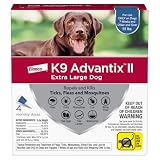
- K9 Advantix II Extra Large Dog 30-day treatment & prevention protects dogs over 55 lbs. from fleas, ticks, mosquitoes, biting flies and lice
- Kills fleas within 12 hours of application
- Vet-recommended formula kills & repels on contact so fleas don’t have to bite your dog to die
- Easy-to-apply topical treatment is fragrance-free and waterproof after 24 hours
- No prescription needed
What reproductive seasonality studies can—and cannot—tell you
The 2013 Bari, Italy study
Albrizio and colleagues followed male dogs in Bari, Italy, with monthly measurements over one year. Environmental conditions did not alter the annual serum-testosterone profile in the way a simple weather explanation might suggest. Seminal testosterone was highest in October and lowest in April, while progressive sperm motility also varied with environmental cues. The authors cautioned that grouping data into broad seasons can conceal important month-to-month variation.
These are reproductive measurements, not tests of friendliness, exercise drive, sleep, barking or anxiety. A low seminal testosterone value in April does not mean male pet dogs become less energetic, and an October peak does not predict household behavior. The study is useful for understanding reproductive physiology in the dogs measured, not for assigning a spring personality to all dogs.
Outdated Drivers Are Slowing You Down
One free scan finds every outdated or missing driver and matches the right update for your exact hardware.Free scan · exact hardware matchPC Slower Than It Used to Be?
A free scan shows the junk files, broken settings and background clutter dragging Windows down - then fixes them in one click.Free scan · Windows 10 & 11The 2022 Indian street-dog study
A 2022 analysis in Frontiers in Veterinary Science examined reproductive indicators from street dogs seen at sterilization clinics in Jamshedpur, Dehradun and Vadodara. Oestrus and pregnancy peaked in the late or post-monsoon period. Puppy proportions rose later, with a peak extending from winter into early summer. The timing differed among cities.
The authors discuss climate, food availability, rainfall, daylight, human provisioning and management practices as possible influences. Those are interacting conditions in free-roaming populations, not a controlled demonstration that daylight causes a mood change. The paper also notes that domestic dogs have generally been considered nonseasonal breeders and that seasonality is not universal among free-roaming or confined populations.
Also popular on Amazon

- Same Active Ingredients as Frontline Plus: PetArmor Plus contains fipronil and (S)-methoprene, providing the same proven dual-action flea and tick protection
- Kills All Flea Life Stages: Eliminates adult fleas, flea eggs, flea larvae, ticks, and chewing lice; starts killing fleas within 24 hours of application
- Breaks the Flea Life Cycle: (S)-methoprene targets flea eggs and larvae to prevent reinfestation; more comprehensive than fipronil-only treatments
- Waterproof Monthly Protection: One application lasts 30 days; waterproof formula provides nose-to-tail coverage; 3-dose supply for 3 months of protection
- Large Dog Formula: For dogs and puppies 45-88 lbs, 12 weeks and older; vet-quality flea and tick control without a prescription or vet visit
Street-dog reproductive timing therefore cannot establish that a household dog will be more restless, affectionate or difficult in spring. It also should not be used to predict fertility in an individual dog without veterinary advice.
How to assess a springtime change in your own dog
Use the season as a prompt to collect observations, not as an explanation that ends the investigation.
- Describe the change precisely. Record what is different: duration of sleep, appetite, walk behavior, barking, destructive activity, social contact, elimination or response to handling. “Acting strange” is too broad to guide a decision.
- Note when it began and how often it occurs. A behavior that appears only beside an open window has a different pattern from a change present indoors, outdoors and overnight. A simple dated log can reveal whether the change tracks a new schedule rather than the season itself.
- List environmental changes. Write down altered walk times, longer outings, visitors, construction noise, open windows, new animals nearby, temperature, rainfall and time spent alone. These details give your veterinarian useful context.
- Check health before labeling it behavioral. Morrison advises contacting a veterinarian whenever a pet’s behavior changes so medical causes can be ruled out before treating it as a seasonal behavior issue. This is especially important when the change is abrupt, continues despite a stable routine, or occurs with altered appetite, energy, movement or other physical signs.
- Make one manageable routine adjustment at a time. If your dog is healthy, adjust exercise or enrichment gradually and observe the response. Changing several variables at once makes it difficult to know what helped or created additional stress.
Practical, low-risk ways to provide spring enrichment
Enrichment should match the individual dog’s age, health, training and tolerance. It is an option for meeting activity and problem-solving needs, not a treatment for SAD.
- Regular walks: Keep a predictable schedule while allowing safe opportunities to sniff. Increase duration or intensity gradually if your dog has been inactive.
- Food puzzles: A puzzle feeder can make part of a meal a supervised problem-solving activity. PetMD lists food puzzles as one possible way to provide stimulation; no specific product has been shown to treat a seasonal condition.
- Scent work: Hide a few pieces of the dog’s normal food in easy-to-find places and increase difficulty only when the dog is succeeding calmly.
- Play and training: Short sessions of familiar cues, retrieve or tug can provide mental and physical activity without requiring a long outing.
- Social activity: If your dog enjoys other dogs or people, choose interactions that remain relaxed. More social exposure is not automatically better for a dog that is fearful or easily over-aroused.
Watch the dog’s body language and recovery after activity. A dog that cannot settle, avoids the activity or becomes increasingly reactive may need less stimulation, greater distance from triggers or professional guidance rather than a busier schedule.
Also popular on Amazon
- K9 Advantix II Extra Large Dog 30-day treatment & prevention protects dogs over 55 lbs. from fleas, ticks, mosquitoes, biting flies and lice
- Kills fleas within 12 hours of application
- Vet-recommended formula kills & repels on contact so fleas don’t have to bite your dog to die
- Easy-to-apply topical treatment is fragrance-free and waterproof after 24 hours
- No prescription needed
When a veterinarian should be involved
Do not wait for a season to pass if the change is sudden, persistent or concerning. Contact your veterinarian to discuss any notable shift and arrange an examination when advised. The goal is to rule out medical causes before assuming a behavioral explanation. A seasonal pattern can coexist with illness; timing alone does not separate the two.
Bring your behavior log, medication and supplement list, recent routine changes and short videos if they can be obtained safely. Explain the dog’s normal baseline and the exact situations in which the new behavior appears. This information is more useful than describing the dog as simply “hyper” or “depressed.”
The practical answer
Some dogs look different in spring because their days are different: more daylight, outdoor opportunities, sensory stimulation and household activity can change behavior. Current evidence does not show a universal spring shift in companion dogs, and seasonal affective disorder has not been established as a veterinary diagnosis. Reproductive findings from male dogs in Italy and street dogs in India describe narrower biological and population-specific patterns, not a general rule for pets.
Observe the specific behavior, account for environmental changes, provide suitable enrichment and involve a veterinarian for sudden, lasting or worrisome changes. That approach respects what is known without dismissing what you are seeing.





Leave a Reply