Quick wins for a faster PC:
Fix the driver behind crashes, sound loss and screen glitchesFind Drivers →Repair Windows errors before they cause bigger problemsFix Now →Scan for outdated or missing drivers - takes under a minuteDriver Scan →Yes, dogs can get cold. Some can tolerate freezing weather for a while, but no breed is immune to discomfort, hypothermia, or frostbite. The safest walking temperature depends on more than the thermometer: coat type, body size, age, health, body condition, wind, wetness, and how long your dog stays outside all matter.
Use temperature ranges as cautious starting points, then let your dog’s behavior determine when to turn back. A dog that shivers, lifts its paws, slows down, or repeatedly tries to go home is already telling you the conditions are too cold.
How cold is too cold for a dog walk?
There is no universal cutoff that applies to every dog. A healthy, acclimated dog with a thick double coat may cope better than a small, short-haired dog, but even a heavily coated dog can become dangerously cold when it is wet, exposed to wind, or outside for too long.
| Outdoor temperature | Practical guidance |
|---|---|
| Above 45°F (7°C) | Most healthy dogs can usually walk comfortably, though cold-sensitive dogs may still need a coat or a shorter outing. |
| 32–45°F (0–7°C) | Watch small, lean, thin-coated, clipped, elderly, very young, sick, and underweight dogs closely. Wet or windy weather makes this range more uncomfortable. |
| Below 32°F (0°C) | Limit exposure for vulnerable dogs and monitor every dog for signs of discomfort. Protect paws from ice, snow, salt, and de-icers. |
| Around 20°F (-7°C) or lower | Even short walks can become risky, particularly with wind or moisture. A 5–10 minute outing may be more appropriate than a normal walk. |
| Below 20°F (-7°C) | Make outdoor time primarily a brief bathroom break unless your veterinarian has given different advice. Do not leave your dog outside unattended. |
These are conservative guidelines, not medical limits. Wind chill, damp fur, snow, and inactivity can make a dog colder faster than the air temperature alone suggests.
#1 Best Overall

- Durable Protection For Active Dogs: Durable dog coat with iconic roots for the hardest working dogs. Fully insulated firm-hand duck canvas perfect for dogs who need a tough, reliable dog winter jacket in cold, windy conditions
- Built For Tough Conditions: Built with heavy duty firm-hand duck canvas the 12-Ounce exterior shell is crafted to handle the toughest outdoor conditions, offering durability and protection against wind and cold weather. The triple needle stitch on main seams ensures a long lasting product
- Insulated Interior For Cold Weather| Designed as a dog winter coat, this insulated dog jacket features a quilted liner and corduroy-lined collar for added warmth, keeping your dog comfortable even in cold temperatures. Warmer than a traitonal dog puffer jacket
- Easy To Adjust And Wear: The improved neck and chest tabs, along with loop-lined straps for chest and waist, ensure a secure, adjustable fit for small, medium, and large dogs
- Sizing: Offering dog jackets for small dogs(Chest Girth: 16"- 21"), dog jackets for medium dogs (Chest Girth 22"- 28"), dog jackets for large dogs (Chest Girth 25"- 38"), and dog jackets for extra large dogs (Chest Girth 30"- 45") See sizing chart in images
Which dogs get cold fastest?
Cold tolerance varies substantially between individual dogs. Extra caution is appropriate for:
- Small and toy breeds, which lose body heat quickly
- Short-haired, hairless, or closely clipped dogs
- Puppies and senior dogs
- Underweight, poorly conditioned, or unacclimated dogs
- Dogs with arthritis, heart disease, diabetes, poor circulation, or other chronic illness
- Dogs that are wet from rain, melting snow, or bathing
A thick double coat improves insulation but does not make a dog invulnerable. A Husky, Malamute, or similar breed can still become cold or develop frostbite if it remains outside for a long time, gets wet, or encounters strong wind. Avoid shaving a dog’s coat short during winter unless a veterinarian or groomer has a specific reason.
Weather conditions that make a walk dangerous sooner
Temperature is only one part of the risk. Shorten the walk or skip it when:
- Wind makes the air feel significantly colder.
- Your dog’s coat or paws become wet.
- Snow packs between the paw pads.
- Ice, salt, or chemical de-icers are covering the route.
- Your dog will be standing still rather than actively walking.
- The route passes frozen ponds, rivers, or lakes. Thin ice can break and expose a dog to drowning and severe cold exposure.
Signs your dog is too cold
End the walk and take your dog indoors if you notice:
- Shivering or trembling
- Whining, anxiety, or repeated attempts to turn around
- Lifting paws, refusing to put paws down, or licking them repeatedly
- Stiff walking, limping, or reluctance to move
- Hunching, curling up, or holding the tail unusually close to the body
- Weakness, unusual tiredness, confusion, or reduced alertness
Do not wait for dramatic shivering. A seriously hypothermic dog may become weak, confused, collapse, breathe shallowly, or lose consciousness. The absence of shivering does not prove that a dog is warm enough.
How to check for frostbite after a cold walk
Frostbite most often affects poorly insulated areas such as the ear tips, paws, and tail. Early skin changes may include pallor, redness, swelling, or pain. Damaged tissue can later become hard, black, or dead-looking.
Rank #2
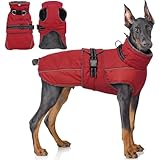
- SNOW & WATER RESISTANT DOG COAT: The dog winter coat is made of premium water-resistant fabric with fleece lining. The windproof dog jacket turtleneck design can keep the dog warm even in cold weather. Ideal for indoor and outdoor activities
- EASY TO WEAR: Quick release buckle and adjustable strap on back make the large dog coat easy to put on and take off. There are adjustable elastic straps on collar that can adjust the tightness and prevent wind and snow. QBLEEV dog clothes can machine washable
- REFLECTIVE DOG COAT WITH HARNESS BUILT IN: This dog winter jacket is designed with reflective strips, which ensuring your dog's safety in low-light conditions. There are two D-rings on the neck, which can be attached to a leash, making outdoor walking more convenient
- WATERPROOF THERMAL DOG JACKET FOR COLD DAYS: Our dog cold weather coats are great for walking, hiking, running, climbing, snow skiing, jogging, camping. Also provides optimal warmth and dryness in foggy, lightly rainy, and snowy conditions. QBLEEV warm dog coat is ideal for winter daily wear
- 6 SIZES AVAILABLE FOR SMALL MEDIUM LARGE DOGS: S, M, L, XL, XXL, XXXL. The fleece dog coat fits for nearly all kinds of breed furry friend. Such as Chihuahua, Beagle, Poodle, Bulldog, Schnauzer, Labrador, Golden Retriever, Teddy, Yorkshire Terrier, Maltese, Pekingese, Pomeranian, Cocker Spaniel, Jack Russel, Pug, Husky, Samoyed, Boston Terriers, etc
Check your dog’s ears, tail, and feet after exposure, especially if the fur was wet or the weather was windy. Do not rub, massage, or vigorously manipulate skin that may be frostbitten.
What to do if your dog is dangerously cold
- Bring your dog indoors. Move to a warm, dry area immediately.
- Dry the coat. Use towels, including on the belly and feet.
- Warm gradually. Wrap the dog in blankets. Warm water bottles may be used only when wrapped in towels and placed beside—not directly against—the body.
- Avoid direct heat. Do not use very hot water, heating pads, hair dryers on high heat, or other intense heat sources.
- Call a veterinarian promptly. Suspected frostbite, marked weakness, confusion, breathing changes, collapse, or unconsciousness requires urgent veterinary care.
A dog’s usual body temperature is approximately 100.0–102.5°F (37.8–39.2°C). A reading below 99°F (37.2°C) or above 104°F (40°C) warrants veterinary attention, but taking a temperature should never delay emergency care when severe symptoms are present.
How to make winter walks safer
- Shorten the route. Stay close to home as temperatures fall so you can return quickly.
- Use a properly fitted coat. A weather-resistant coat can help small, thin-coated, lean, elderly, or medically vulnerable dogs. Introduce it indoors and check that it does not restrict movement.
- Protect the paws. Boots can help with snow, ice, salt, and de-icing chemicals. Introduce them gradually rather than putting them on for the first time immediately before a walk.
- Inspect and dry the feet. Remove snowballs from between the toes and look for cracks, redness, bleeding, or irritation.
- Wipe paws after every treated-surface walk. Prevent your dog from licking salt or ice melt from its feet or the ground. De-icers can irritate paws and may cause vomiting, diarrhea, electrolyte problems, tremors, or seizures if enough is swallowed.
- Keep antifreeze away. Never let a dog drink from a puddle or spill near a vehicle. Ethylene glycol antifreeze is highly toxic and suspected ingestion needs immediate veterinary or poison-control advice.
What to do instead of a walk
On dangerously cold days, replace the usual long walk with brief bathroom trips and indoor activity. Scent games, food puzzles, trick training, hide-and-seek, fetch in a safe room, and short obedience sessions can provide exercise and mental stimulation without prolonged cold exposure.
Independent reader supportYour contribution helps us test, update, and keep practical guides available for everyone.Common winter misconceptions
“32°F is the exact cutoff for every dog.”
It is not. Some dogs show discomfort above freezing, while healthy, acclimated, heavily coated dogs may tolerate colder conditions for limited periods. The dog, weather, and duration must all be considered.
“A double-coated dog cannot get cold.”
False. Coat type helps, but wetness, wind, exposure time, health, and individual tolerance still matter.
“Shivering is the only warning sign.”
False. Paw lifting, stiffness, reluctance to move, weakness, confusion, and collapse can also indicate dangerous cold exposure.
Outdated Drivers Are Slowing You Down
One free scan finds every outdated or missing driver and matches the right update for your exact hardware.Free scan · exact hardware matchWindows Errors? Fix Them Before They Spread
Repair common Windows errors and clear accumulated junk for a smoother, more stable PC - no reinstall needed.Free scan · no reinstallRank #3

- 【Triple-Shield Protection】This dog coat features a windproof, waterproof, and dirt-resistant softshell, keeping your dog warm and dry in harsh winter weather.
- 【3-Layer Fabric】Built with durable 150D 4-way stretch outer layer, TPU waterproof breathable membrane, and soft thermal fleece lining for comfort and warmth.
- 【Functional Fit for All Dogs】Adjustable neck buckle, elastic belly band, rear leg straps, and tail-end buckle provide a secure fit for small, medium, and large dogs.
- 【Pet-Friendly Design】High collar blocks cold wind, U-shaped belly cut ensures no interference for male or female dogs, while dual zipper leash opening makes walks easier.
- 【Safety in Low Light】Reflective strips increase visibility during evening walks, ensuring your dog stays safe outdoors. Available in multiple sizes from S to 2XL for breeds like Pomeranian, Corgi, Labrador, and Golden Retriever.
“Pet-safe ice melt is automatically harmless.”
There is no single standard that makes every product with that label safe to ingest. Wipe your dog’s paws and prevent licking after walks.
FAQ
Can dogs get cold at 50°F?
Most healthy dogs can walk comfortably at 50°F, but small, short-haired, lean, elderly, young, or ill dogs may become uncomfortable, particularly in rain or wind. Watch your dog rather than relying on the number alone.
How long can a dog stay outside in freezing weather?
There is no safe duration for every dog. Around 20°F, a 5–10 minute outing may be appropriate for some dogs, while vulnerable dogs may need only a quick bathroom break. Below 20°F, avoid extended outdoor time and never leave a dog outside unattended.
Should my dog wear a coat in winter?
A coat may help small, thin-coated, hairless, lean, elderly, or medically vulnerable dogs, and dogs that get cold quickly. It should fit properly, allow free movement, and be introduced indoors before use outside.
The Tool Desk
Outbyte PC Repair FREERepair Windows errors before they cause bigger problemsFix Now →Outbyte Driver Updater FREEFix the driver behind crashes, sound loss and screen glitchesFind Drivers →What should I do if my dog shows signs of hypothermia?
Bring the dog indoors, dry it, and warm it gradually with blankets. Do not rub suspected frostbite or use heating pads, very hot water, hair dryers on high heat, or direct intense heat. Contact a veterinarian immediately for weakness, confusion, breathing changes, collapse, unconsciousness, or suspected frostbite.
The Bottom Line
Dogs do get cold, and freezing temperatures are not automatically safe just because a dog has a thick coat. Shorten walks as the temperature drops, take wind and wetness seriously, protect the paws, and turn around at the first sign of discomfort. At about 20°F or lower, keep outings brief; below 20°F, treat outdoor time mainly as a bathroom break. Seek urgent veterinary help for weakness, confusion, collapse, breathing changes, or possible frostbite.
Quick Recap
Product prices and availability are accurate as of the date/time indicated and are subject to change. Any price and availability information displayed on Amazon at the time of purchase will apply.




