The Tool Desk
Outbyte Driver Updater FREEScan for outdated or missing drivers - takes under a minuteDriver Scan →Outbyte PC Repair FREEClear out junk files and repair common Windows errorsFree Scan →The tick behind this warning is the invasive Asian longhorned tick (Haemaphysalis longicornis). It can transmit Theileria orientalis Ikeda, a parasite that causes bovine theileriosis, a potentially serious cattle disease. Ticks can be difficult to spot, and the disease can resemble anaplasmosis, so a tick sighting or symptoms alone cannot confirm infection. Regular checks and tick-control measures can reduce risk; suspected illness needs prompt veterinary assessment and testing.
Which tick and disease are the concern?
The Asian longhorned tick is an invasive livestock pest. USDA APHIS reports that U.S. ticks transmitted Theileria orientalis in laboratory studies, and the parasite has also been detected in field-collected ticks. Transmission to cattle is primarily associated with this tick, though reuse of needles and blood transfusions can also spread the parasite, according to USDA’s January 2024 bovine theileriosis information sheet.
The parasite type identified by USDA as causing severe illness in U.S. cattle is T. orientalis Ikeda. Infection is a cattle-health concern, not a known human disease: the January 2024 USDA sheet says Theileria are not known to be human pathogens.
How to recognize the tick—and why a visual check can miss it
According to USDA APHIS’s Asian longhorned tick guidance, unfed ticks range from reddish-tan to dark reddish. Fed adult females become grey-green with yellowish markings and grow to about the size of a pea. Immature ticks may be sesame-seed-sized or smaller, so an animal that appears clear on a quick glance may still have ticks.
Recommended Free Tools
#1 Best Overall

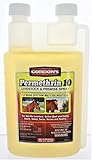
- Maintain Pest Control: Permectrin II is an insecticide for use on animals and in animal resting areas that provides up to 30 days of lasting effects
- All-Around Insecticide: Use this spray to control flies, lice, mites and ticks for livestock pest control
- Active Ingredient Permethrin: This pyrethroid insecticide is an emulsifiable spray that can be applied as a spray, mist blower, fogger, back-rubber, or as a paint-on
- Use as Directed: This insecticide is for use on beef and dairy cattle as well as poultry, swine, sheep, horses, and goat structures
- Contains one (1) 1 qt. of Permectrin II Insecticide
APHIS says U.S. populations are parthenogenetic, meaning females can reproduce without mating. The agency reports collections across many areas in the Eastern half of the country, from New York south to Georgia and west to Missouri; its page includes a county map. Ticks are generally active from March through November, although activity varies by year.
What signs of theileriosis should cattle owners watch for?
USDA’s January 2024 sheet lists these possible signs of T. orientalis Ikeda infection:
Rank #2

- Rapid-kill livestock insecticide concentrate
- SAFE: Permethrin is highly toxic to insects but not to animals or humans
- APPROVED FOR USE ON: Dairy cattle, beef cattle, horses, sheep, goats, dogs, swine, poultry, livestock premises and homes
- BROAD SPECTRUM: Kills darkling beetles, bed bugs, poultry lice, fowl mites, horn flies, house flies, face flies, fleas, ticks, lice, and mange mites
- INDOOR AND OUTDOOR CONTROL: Safe to use in homes and non-food areas of poultry houses, dairies, cattle barns, milking parlors, horse barns, swine houses, warehouses, restaurants, and kennels
- Weakness or fever
- Reluctance to walk
- Loss of appetite
- Difficulty breathing or foamy nasal discharge
- Reduced milk production
- Abortion
- Pale or yellow mucous membranes, which may reflect anemia
The signs can resemble bovine anaplasmosis and other illnesses. USDA says a diagnostic test is required to confirm theileriosis. A veterinarian can assess the animal and select appropriate testing; the sheet says PCR may be the most specific test, while IFA and ELISA may also be used.
How serious is bovine theileriosis?
The January 2024 USDA information sheet reports mortality averaging 1–5% of infected cattle, with reports as high as 50%. These are reported figures in that dated sheet, not a current national forecast for an individual herd. USDA identifies pregnant heifers and calves as particularly susceptible.
Do these 3 things before closing this tab:
1Scan for outdated or missing drivers - takes under a minute2Clear out junk files and repair common Windows errors3Fix the driver behind crashes, sound loss and screen glitchesRank #3
The same sheet says cattle may remain carriers for life after infection. It stated that no treatment for bovine theileriosis was approved in the United States at the time it was published. That date matters: the cited source does not establish whether treatment approval has changed since January 2024, so a veterinarian should advise on current options.
What can you do to reduce tick risk?
APHIS recommends a layered approach rather than relying on a single product or tactic. Its current guidance advises regular livestock checks and tick treatments, along with habitat changes where suitable.
Rank #4
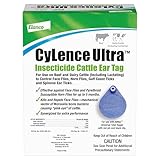
- Multi-Species Control: Cylence Ultra Insecticide Cattle Ear Tags control face flies, horn flies, gulf coast ticks and spinose ear ticks on beef and dairy cattle
- Lasting Protection: This insect killer is effective against face flies and horn flies for up to five months
- Beta-cyfluthrin: A synergized fifth-generation pyrethroid insecticide and is one of the active ingredients
- Use as Directed: These ear tags are for all mature beef and dairy cattle, including lactating cows and calves 3 months of age and older
- Contains one (1) box of CyLence Ultra Cattle Ear Tags, with 2 pouches of 10 ear tags each
- Check cattle regularly. Look closely rather than relying on a quick visual scan, since immature ticks are tiny.
- Discuss treatments with a veterinarian or extension agent. Use only products labeled for the animal and intended use, and follow the current label, including handling and withdrawal directions. State and local requirements apply to acaricides used in tick habitats.
- Manage habitat where practical. APHIS identifies mowing grass, clearing understory, and reducing shade or removing trees where appropriate as ways to make habitat less favorable to ticks. The right choices depend on the property and its land-use needs.
- Use clean needles between animals. Reusing needles can spread the parasite, according to USDA’s disease sheet.
The September 2022 Successful Farming account described one Virginia producer’s practices, including pasture-edge mowing, pour-ons, sprays, ear tags, changing needles, and quarantining new cattle. Those are reported farm practices from 2022, not a universal protocol. Product selection and quarantine procedures should be tailored with veterinary advice.
There is no basis in the cited guidance for assuming that a pour-on, spray, or ear tag eradicates ticks, prevents infection completely, or treats the parasite. Product duration and permitted use vary by label and product; compare livestock species, herd class and production stage, application method, attachment sites, stated duration, withdrawal requirements, season, and local tick pressure before choosing an approach.
PC Slower Than It Used to Be?
A free scan shows the junk files, broken settings and background clutter dragging Windows down - then fixes them in one click.Free scan · Windows 10 & 11Crashes, No Sound, or Screen Glitches?
Random freezes, missing sound and display glitches usually trace back to one bad driver. Find and replace yours safely.Free scan · under a minuteBest Value

- INSECT CONTROL FOR CATTLE & HORSES: Gardatis Pour-On contains 5.0% permethrin and 3.0% diflubenzuron; the same active ingredients as Clean-Up II Pour-On Insecticide with IGR. This dual-active formula delivers proven fighting power against flies and lice on cattle and horses.
- KILL LICE WITH A DOUBLE PUNCH: Gardatis Pour-On contains a proven insecticide and insect growth regulator to knock out adult lice and lice eggs in a single application. Powered with two actives, Gardatis Pour-On controls sucking and chewing lice, cattle ticks, and problematic flies including house, stable, horse, black, horn, and deer. Refer to the product label for a complete list of insects controlled.
- READY-TO-USE PROTECTION: Powerful animal protection shouldn’t come with a ton of extra labor. Our pour-on formula comes ready for topical application to beef cattle, dairy cattle (including lactating), calves, and mature horses. Gardatis Pour-On may also be applied as a wipe-on to horses and foals. See the product label for complete use directions.
- APPLY ON YOUR SCHEDULE: With a zero-day pre-slaughter interval and milk discard period, Gardatis Pour-On makes it easy to keep your operation on track.
- TAKE THE BITE OUT OF HORN FLIES: Gardatis Pour-On goes beyond topical insect control. In manure of treated cattle, Gardatis prevents horn fly larvae emergence, stopping them from developing into biting, feeding adults.
Tick distribution is not the same as disease distribution
APHIS’s tick page describes where Asian longhorned ticks have been collected and provides a county map. Separately, USDA’s January 2024 theileriosis sheet listed 15 states with findings of T. orientalis Ikeda. That dated disease list is not a count of states where ticks occur, and it should not be treated as a current distribution update for either ticks or infection.
A Virginia herd account is a warning, not a prevalence estimate
In the September 2022 Successful Farming report, Virginia producer Steve Hopkins described a herd blood test that found Theileria in 95% of his herd. The report says initial suspected anaplasmosis did not respond to antibiotics, prompting veterinary evaluation and testing. This is one reported herd’s experience at that time; it does not show how common infection is nationally or establish the cause of illness in another animal.
Quick Recap
Product prices and availability are accurate as of the date/time indicated and are subject to change. Any price and availability information displayed on Amazon at the time of purchase will apply.




