Yes, tuna fish contains mercury, chiefly methylmercury, but the amount varies by species and product. Canned light tuna, including skipjack, is an FDA/EPA Best Choice; albacore and yellowfin are Good Choices; bigeye tuna has the highest mercury category. Cooking does not remove mercury from tuna.
The key distinction is that “tuna” is not one uniform product. Canned light tuna is different from canned albacore, fresh yellowfin, and bigeye tuna, and pregnancy, breastfeeding, childhood, and local-catch guidance require extra care.
Key takeaways
- All tuna contains some mercury, primarily methylmercury, but mercury levels vary substantially by species, size, age, product form, and catch location.
- Canned light tuna, including skipjack, is an FDA/EPA “Best Choice,” while albacore or white tuna and yellowfin tuna are “Good Choices.”
- Bigeye tuna is listed as a “Choice to Avoid: Highest Mercury Levels” for the populations covered by the FDA/EPA advice.
- According to FDA monitoring data from 1990–2012, canned light tuna had a 0.126 ppm mean mercury concentration, compared with 0.350 ppm for canned albacore tuna.
- Cooking, cleaning, draining, trimming, or freezing tuna does not remove its mercury; choosing a lower-mercury species and following serving guidance are the practical controls.
- People who might become pregnant, pregnant or breastfeeding people, and children should follow the FDA/EPA fish chart and local advisories rather than treating every tuna product as equivalent.
What kind of tuna has the least mercury?
Canned light tuna, which includes skipjack tuna, is the lower-mercury tuna choice among the common tuna products listed in the FDA/EPA consumer advice. Albacore or white tuna and yellowfin tuna are placed in the next category, while bigeye tuna is specifically listed among the highest-mercury choices to avoid.
| Tuna type or product | FDA/EPA category | What the category means |
|---|---|---|
| Canned light tuna, including skipjack | Best Choice | The most practical lower-mercury tuna option among the common products listed by FDA. |
| Canned albacore or white tuna | Good Choice | Typically contains more mercury than canned light tuna; FDA says the typical difference is about threefold. |
| Fresh or frozen albacore | Good Choice | Still belongs to the albacore/white-tuna category; serving frequency should follow the applicable official guidance. |
| Yellowfin tuna | Good Choice | A higher-mercury category than canned light tuna under the FDA/EPA chart. |
| Bigeye tuna | Choice to Avoid: Highest Mercury Levels | A large predatory tuna specifically placed in the highest-mercury avoid category for the chart’s target populations. |
See the FDA’s current Advice about Eating Fish for the complete species chart and serving recommendations. The FDA/EPA categories describe typical risk by fish type; they do not guarantee a particular mercury level in every can, steak, brand, batch, or fishing area.
#1 Best Overall

- 555 Sardines Product of Philippines
Is canned tuna high in mercury?
Canned tuna contains mercury, but canned light tuna is classified as a Best Choice rather than a high-mercury choice in the FDA/EPA advice. Canned albacore contains more mercury on average, so the label “canned tuna” is not specific enough for a meaningful comparison.
According to the U.S. Food and Drug Administration’s 1990–2012 monitoring data, canned light tuna had a 0.126 ppm mean mercury concentration, while canned albacore tuna had a 0.350 ppm mean mercury concentration. These are historical monitoring averages, not laboratory results for every individual can.
FDA states that “Albacore tuna, also known as white tuna, typically contains three times more mercury than canned light tuna.” The difference is why canned light tuna and canned albacore should be treated as separate choices even when both products are sold in cans.
Why does tuna contain mercury?
Tuna contains mercury because mercury can be converted in aquatic environments into methylmercury, which enters the food chain. Larger, older, longer-lived predatory fish eat many smaller fish and can accumulate higher concentrations over time. Tuna species and the waters where tuna are caught also affect typical mercury levels.
Recommended Free Tools
Methylmercury is the form of mercury most relevant to seafood exposure. According to the FDA’s mercury guidance, methylmercury can affect the developing brain and nervous system. Potential long-term effects depend on the amount consumed, a person’s age, the duration and frequency of exposure, and other exposures. Fetuses, infants, and children are particularly vulnerable during active brain development.
FDA also says that most seafood does not contain mercury at levels expected to cause health effects for adults when eaten in average amounts. The federal advice is designed to help everyone choose lower-mercury seafood, with particular attention to people who might become pregnant, pregnant or breastfeeding people, and children.
Rank #2
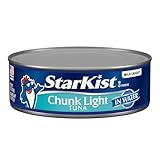
- MILD FLAVOR: Enjoy wild caught, dolphin safe chunk light tuna packed with a naturally mild flavor that lets your favorite seasonings shine. Our canned tuna in water is great for sandwiches, salads or high protein seafood meals
- LEAN PROTEIN SNACK: Each 5 oz can is a natural source of Omega 3s and delivers 20g protein and 90 calories, making this tuna fish can perfect for Mediterranean, Weight Watchers, Paleo and Keto diets and are gluten free and soy free
- QUALITY TUNA: Our tuna fish canned in water is a dependable pantry staple, delivering consistent taste and performance for quick meals and classic tuna recipes
- VERSATILE: Our tuna in water can makes quick meals effortless. Also available in 25% less sodium and in oil, our tuna can is great for topping fresh salads, fueling protein‑packed rice bowls or grabbing a wholesome seafood snack
- SINGLE PACK CONVENIENCE: Keep a tuna can on hand for a wholesome addition to meals and snacks. Our tuna can is easy to store and great to have handy for when hunger strikes at the office or at home
How much tuna is safe during pregnancy or breastfeeding?
People who might become pregnant, pregnant people, and breastfeeding people should eat 2 to 3 servings per week from the FDA/EPA Best Choices category, totaling 8 to 12 ounces per week for adults. Canned light tuna is a Best Choice, whereas albacore or white tuna and yellowfin tuna are Good Choices, and bigeye tuna is in the highest-mercury avoid category.
A typical adult serving is 4 ounces, so the 8-to-12-ounce weekly recommendation corresponds to two or three servings. The FDA/EPA consumer Q&A also provides age-specific serving guidance for children ages 1 through 11. Children should not simply be given an adult portion or adult weekly limit without applying the child guidance.
Do these 3 things before closing this tab:
1Fix the driver behind crashes, sound loss and screen glitches2Clear out junk files and repair common Windows errors3Scan for outdated or missing drivers - takes under a minuteThe pregnancy and child recommendations are general federal guidance, not individualized medical advice. Anyone with unusually high tuna intake, a suspected mercury exposure, or a medical concern should ask a qualified clinician or public-health authority for advice.
Does cooking tuna remove mercury?
No. Cooking, cleaning, draining, trimming, and freezing do not remove the mercury in tuna. FDA states: “No. Mercury is found throughout the tissue in fish, so cleaning or cooking will not reduce the amount.”
The practical way to reduce dietary mercury exposure is to choose a lower-mercury fish or tuna category, vary the seafood eaten, and follow the applicable weekly serving guidance. Do not rely on a cooking method or draining canned tuna as a mercury-removal technique.
Does fresh tuna have the same mercury risk as canned tuna?
Fresh tuna is not automatically equivalent to canned tuna because species and size matter. Fresh or frozen albacore remains in the albacore/white-tuna category, while a fresh tuna steak could come from a different species, such as yellowfin or bigeye, with a different FDA/EPA mercury category.
Rank #3

- Icelandic wild cod liver: Cod liver from Iceland is packed in its own oil with salt, offering a rich, savory flavor and smooth, tender texture
- Three simple ingredients: Made with Iceland cod liver, cod oil and salt, with no additional ingredients listed on the product label; allergen information: contains fish
- Ready to serve: Enjoy directly from the can or serve chilled on toast and crackers, alongside salads, or as part of spreads and appetizer plates
- Versatile pantry seafood: Pair with lemon, onions, fresh herbs or black pepper, or gently mash the cod liver to prepare a simple savory spread
- Two pack-size options: Choose one 4.06 oz (115 g) can or a pack containing three 4.06 oz cans, depending on your household and pantry needs
Product form alone does not determine mercury concentration. Before comparing products, identify the tuna species, whether the product is canned light or canned albacore, and whether the fish came from a commercial source or a local catch.
What should you do with locally caught tuna or fish?
Check the state, tribal, territorial, or local public-health advisory before eating recreationally caught fish. Local catches can have different contamination patterns from commonly purchased commercial seafood, and fish of the same species can vary by geographic location.
The FDA commercial-fish chart should not be treated as a universal rule for every fish caught in every waterway. If no local advisory is available, contact the relevant local authority rather than assuming that a commercial canned-tuna category applies. FDA provides additional context in its guidance on selecting and serving fresh and frozen seafood safely.
How should you choose tuna at the store?
- Read the species and product description. “Canned light tuna” and “canned albacore” are different categories. Light tuna commonly includes skipjack; white tuna means albacore.
- Prefer the FDA/EPA category that fits your circumstances. Canned light tuna is a Best Choice; albacore/white and yellowfin are Good Choices; bigeye is in the highest-mercury avoid category.
- Do not infer mercury content from a brand name or package appearance. FDA averages describe categories and historical monitoring samples, not guaranteed results for a specific product.
- Vary the seafood you eat. Eating a range of lower-mercury seafood reduces reliance on one tuna product and makes it easier to follow weekly guidance.
- Apply local advice to local catches. Commercial canned-tuna guidance does not replace a local fish-consumption advisory.
For readers specifically looking for the lower-mercury canned category, canned light tuna or skipjack tuna is the relevant product description. A store listing cannot establish the mercury concentration of a particular can, so the product category should not be presented as a brand-specific laboratory guarantee.
Quick wins for a faster PC:
Repair Windows errors before they cause bigger problemsFix Now →Scan for outdated or missing drivers - takes under a minuteDriver Scan →What is the bottom line for tuna and mercury?
Yes, tuna fish contains mercury, chiefly methylmercury. Tuna can still fit into a balanced diet when the species and serving frequency are considered: choose canned light tuna more often than higher-mercury tuna categories, treat albacore and yellowfin as separate Good Choices, avoid bigeye tuna under the FDA/EPA chart, and follow special guidance for pregnancy, breastfeeding, children, and locally caught fish.
Medical and public-health note: This article summarizes FDA/EPA consumer guidance and does not diagnose mercury exposure or replace advice from a qualified clinician or public-health authority.
Rank #4

- Moist cat food made with fish and poultry for the tastes cats crave with savory gravy or sauce to add flavor and moisture
- Three tasty Friskies cat food recipes keep her interested in mealtime with tender textures to please her palate
- Tempting canned cat food aroma entices your cat to her dish, where she’ll be rewarded with 100 percent complete and balanced nutrition for adult cats with no artificial colors or preservatives
- Adult cat food variety pack makes it easy to stock your cat's pantry
- Wet food for cats crafted by Purina, a trusted leader in pet nutrition, formulated to meet industry standards for cat food and checked for quality and safety
Frequently Asked Questions
Does tuna fish contain mercury?
Yes. Tuna fish contains mercury, primarily methylmercury, but mercury levels vary by species, size, age, product form, and catch location. Canned light tuna is a Best Choice, while bigeye tuna is in the highest-mercury avoid category in the FDA/EPA advice.
Which tuna has the least mercury?
Canned light tuna, including skipjack, is generally the lower-mercury tuna choice among common tuna products listed by FDA. Canned albacore or white tuna typically contains about three times more mercury than canned light tuna, according to FDA.
Does cooking tuna remove mercury?
Cooking does not remove mercury from tuna. FDA says mercury is found throughout fish tissue, so cleaning or cooking does not reduce the amount; choosing a lower-mercury species is the practical approach.
How much canned tuna is safe during pregnancy?
For people who might become pregnant, pregnant people, and breastfeeding people, FDA/EPA advises 2 to 3 servings weekly from the Best Choices category, totaling 8 to 12 ounces for adults. Canned light tuna is a Best Choice, while albacore and yellowfin are Good Choices.
The Bottom Line
Bottom line: Yes, tuna fish contains mercury, but the amount depends on the species and product. Canned light tuna, including skipjack, is a Best Choice; albacore and yellowfin are Good Choices; and bigeye tuna is in the highest-mercury avoid category. Cooking does not remove mercury, so species selection and serving limits matter most.
Quick Recap
Product prices and availability are accurate as of the date/time indicated and are subject to change. Any price and availability information displayed on Amazon at the time of purchase will apply.
The Tool Desk
Outbyte PC Repair FREERepair Windows errors before they cause bigger problemsFix Now →Outbyte Driver Updater FREEScan for outdated or missing drivers - takes under a minuteDriver Scan →



