
Some links on this page are affiliate links: if you buy through them we may earn a commission, at no extra cost to you.
If your dog is growling, lunging, snapping, or threatening to bite, calmly create distance first. Move children, visitors, and other animals away; do not touch, corner, chase, scold, or physically restrain the dog. Keep the dog away from whatever triggered the episode, then arrange a veterinary assessment and qualified behavior help. If the dog is injured or appears seriously ill and approaching is unsafe, call professional or emergency services rather than trying to handle the dog yourself.
“Aggressive” describes a range of behaviors, not a diagnosis. The safest response depends on what happened, whether anyone is at risk, and whether pain or illness could be involved.
As an Amazon Associate I earn from qualifying purchases.
What aggressive behavior can look like
Aggression may begin with subtle warnings or appear suddenly. A dog can become still and rigid, stare, bark threateningly, lunge, growl, show its teeth, snap, or bite. Several signs may occur together, and there is no guaranteed sequence that gives a person time to react. Treat any threatening display seriously, even if the dog has never bitten.
- Freezing or stiffening: the dog may stop moving, hold its body rigid, or fix its gaze.
- Vocal warnings: growling or threatening barking can signal that the dog wants distance.
- Forward movement: lunging, charging, or rushing toward a person or animal increases the immediate risk.
- Mouth warnings: lip lifting, showing teeth, snapping, or air-snapping can precede contact, but a bite can also occur without every earlier sign.
- Biting: any bite requires attention to the injured person and a plan to prevent another incident.
Do not punish a warning because it is inconvenient. A growl can provide valuable information that the dog is distressed or feels threatened. Suppressing the warning without changing the underlying problem can leave people with less notice next time.
Popular on Amazon
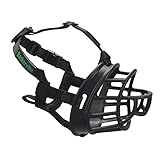
- DOGS CAN PANT AND DRINK: The Baskerville Ultra Muzzle PATENTED HUMANE DESIGN allows dogs to pant (when hot or stressed) and drink. SUITABLE FOR DAILY WALKS and longer periods of wear.
- SHAPE FOR CUSTOM FIT: Like a mouth-guard, the Ultra Muzzle can be HEAT SHAPED using warm water to fit DIFFERENT DOG NOSE SHAPES. See fitting guide for more info and to find the BEST SIZE for your dog.
- IDEAL FOR REACTIVE DOGS: you can TRAIN and REWARD treat your dog if they are reactive around other dogs, people or in new situations like the vet.
- STRONG & SAFE: Built with strong Thermo Plastic Rubber (TPR) the Ultra Muzzle is SAFE TO PREVENT BITES. Extra secure with LOCKABLE NECK STRAP CLIP, HEADSTRAP and COLLAR ATTACHMENT if needed.
- COMFORTABLE FIT: Comes in 6 sizes with PADDED STRAPS and NO METAL WORK ON DOGS FACE. Great for dog owners looking for SMALL, MEDIUM or LARGE sized dog muzzles.
What to do during an aggressive episode
1. Make distance your first move
Stay as calm and quiet as you can. Turn your body slightly rather than advancing, and use barriers such as a closed door, baby gate, car door, or solid piece of furniture if one is already within reach. Move other people and animals away without sending anyone toward the dog. If you are outside, create space by backing away slowly. ASPCA bite-prevention guidance advises not to run or scream around a threatening dog, because sudden movement can intensify the encounter.
Do not reach for a collar, harness, muzzle, food bowl, toy, or the dog’s body while it is aroused. Even a familiar dog may bite the person who tries to hold it when it is frightened, painful, frustrated, or redirected.
What’s actually slowing this PC down?
Pick the symptom - the matching free tool is one click away.
2. Stop the trigger without confronting the dog
If a visitor, child, unfamiliar dog, object, handling procedure, or resting place preceded the behavior, remove the person or animal from view and give the dog time to settle. Do not force the dog to approach the trigger, “say hello,” give up an object, or leave a hiding place while it is still tense. Keep doors, gates, and leashes arranged so the dog cannot immediately re-enter the situation.
3. Decide whether this is an emergency
Call emergency or professional help if a person or animal is badly injured, the dog cannot be safely contained, or the dog appears seriously ill, disoriented, or in severe pain. ASPCA advises calling for help when an injured dog is aggressive; attempting a rescue without a safe plan can add another bite or delay urgent care. Keep bystanders away and tell responders that the dog is injured and behaving aggressively so they can prepare.
4. Wait for calm before doing anything else
Once everyone is separated, do not immediately test the dog, lecture it, or recreate the event. Lower noise and activity, provide a secure area, and observe from a safe distance. A dog that looks quiet may still be ready to react if someone approaches too soon.
Reactive is not automatically aggressive
Dogs may bark, pull, spin, or lunge because they are frightened, frustrated, overexcited, or unable to reach a person or animal. Those behaviors are commonly described as reactivity, but the label alone does not determine whether a bite will occur. Cornell University College of Veterinary Medicine states: “Reactive dogs are not necessarily aggressive dogs, but reactivity can turn into aggression, so your attention to training becomes extremely important.”
Quick wins for a faster PC:
Fix the driver behind crashes, sound loss and screen glitchesFind Drivers →Repair Windows errors before they cause bigger problemsFix Now →Scan for outdated or missing drivers - takes under a minuteDriver Scan →Also popular on Amazon

- 【ADJUSTABLE SIZE】: The adjustable strap connecting to the neck help to keep the dog muzzle securely in place, ensuring it is snug and anti-slipped. Adjustable at snout and neck strap. Keep the muzzle tight enough to control his bite. Attention: picture shows measuring tip of dogs nose, so definitely measure the tip of the snout, not the widest part.
- 【COMFORTABLE AND BREATHABLE】: The dog muzzle practical and reliable is made with high-quality nylon material, soft breathable mesh and soft fabric. The interior of the muzzle has extra soft padding providing the ultimate comfort for your pet.
- 【UPGRADE HUMANIZED DESIGN】: The humane design solves the inconvenience of traditional dog muzzle that can't drink water, can leave a proper space for your dog mouth to breathe, gasp and drink. While preventing biting and muzzle for dogs used for safe socialization.
- 【EASY TO WEAR AND CLEAN】: The ergonomic design of the dog muzzle ensures that the mask stays securely in place. Can easily be secured with a hook and loop fastener to prevent loose ends. Most dogs don't adapt to wear muzzle at the begining, so we have to take time to make them adapt muzzle patiently. It could be washed by the washing machine, and dry flat.
- 【CUSTOMER SERVICE】: Please measure the right size before buying and we have provided a chart and measuring instructions, If you have any trouble with finding the right size, we offer great customer support and will work hard to fix your problem.
Use the behavior you can observe, rather than assuming a motive. Record what the dog did, how close the trigger was, whether the dog could eat or respond to its name, and how long recovery took. A professional can then distinguish a dog that is alarmed at a distance from one that is actively attempting to make contact.
Why a dog may act aggressively
There is no single explanation that fits every incident. Context matters, and several factors can overlap.
Guarding food or objects
A dog may react when someone reaches for food, a chew, a toy, stolen clothing, or another valued object. Taking the item by force can make future guarding more intense. Prevent access to objects that are likely to cause conflict and ask a professional to design a safe exchange or management plan.
Being disturbed or handled
Some dogs react when woken, moved from a resting place, brushed, restrained, groomed, examined, or physically threatened. Respect the dog’s need for space and use gates or a separate room to prevent accidental handling until a veterinarian and behavior professional have assessed the situation.
Crashes, No Sound, or Screen Glitches?
Random freezes, missing sound and display glitches usually trace back to one bad driver. Find and replace yours safely.Free scan · under a minutePC Slower Than It Used to Be?
A free scan shows the junk files, broken settings and background clutter dragging Windows down - then fixes them in one click.Free scan · Windows 10 & 11Fear, frustration, or redirected behavior
A frightened dog may try to drive away a person or animal. Frustration can build when a dog sees a trigger but cannot reach it, such as behind a window, fence, or leash. Redirected aggression occurs when the dog is aroused by one target but bites or threatens another person or animal who comes within reach. Do not place your hands between fighting dogs or grab a dog that is focused on another target.
Pain or illness
Pain can cause an otherwise gentle dog to growl or snap. Cornell’s pain guidance identifies uncharacteristic snapping or growling as a possible pain sign. A sudden or unusual behavior change therefore deserves veterinary assessment, even when the dog appears normal between episodes. Medical problems can affect behavior, movement, sleep, senses, or tolerance for handling, and they need to be considered before a behavior plan is chosen.
Also popular on Amazon
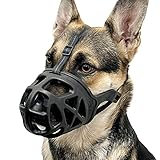
- The Only Muzzle You Need: Say goodbye to your old muzzle. The BARKLESS practical muzzle has features you need to prevent your dog from nipping, destroying, fighting and digging and eating everything while the basket-style design gives all-around mouth protection allowing your pet unrestricted drinking and panting. This muzzle for dogs make it the ideal choice for reactive dogs’ daily walks, occasional use, dog park socialization, grooming, vet visits, training, traveling, and walking
- Safe & Humane: Friendly dog muzzles are more pliable and softer, making them comfortable for the dog. Humane muzzle for dogs allow your dog to pant, drink and treat train while being worn with the uniquely designed bar spacing which forms the canine muzzle
- Easy to Use: Comfort-fit design for most sizes of breeds with adjustable head and neck straps allow you to quickly adjust the size to fit your dog, making it ideal for the puppy, small, medium, and large dogs. The twist on each side of the strap is part of a unique design, ensuring a better fit for your dog’s head shape. This is a thoughtful feature, not a defect, aimed at providing a more comfortable and secure fit
- Prevent Muzzle Slippage: An incorrect size, improper fit, or lack of muzzle training can cause the dog to remove the cage muzzle. Adjust the straps to ensure a snug fit—secure enough to keep the basket muzzle for dogs in place without causing discomfort. Check the head strap to prevent slippage. Refer to the included instructions to help your dog adjust to the dog muzzles to prevent biting
- Desensitizing Your Dog to a Muzzle: Many dogs may resist wearing cage muzzles for dogs initially, especially if they've never worn one before. To help them adjust, use gradual desensitization training—start with short periods and reward calm behavior. Over time, your dog will accept it as part of their routine
Record the pattern safely
After the immediate risk has passed, write down the details while they are fresh. This is not a reason to stage another encounter. It is a way to help the veterinarian and behavior professional identify patterns without exposing anyone to another incident.
- What happened immediately beforehand: note eating, resting, handling, play, a delivery, a visitor, a passing dog, a loud sound, or an attempt to take an object.
- Who or what was present: include adults, children, unfamiliar people, household animals, wildlife, and specific objects.
- Where it happened: record the room, doorway, yard, vehicle, crate, sofa, food area, or walking route.
- What the dog did: describe posture, vocalization, movement, teeth, snapping, contact, and whether the dog could disengage.
- What ended it: note whether the trigger left, a barrier was placed, the dog retreated, or people moved away.
- Recovery: record how long the dog remained tense and whether another approach caused a second reaction.
Do not film from close range or ask someone to provoke the dog for a better record. A written description from a safe distance is more useful than a preventable injury.
Arrange a veterinary assessment
ASPCA recommends that a dog with an aggression problem see a veterinarian before behavior treatment, so medical causes can be evaluated. Make the appointment promptly after a new, unusual, escalating, or unexplained incident. Tell the clinic about the behavior when booking so staff can plan a safe arrival.
Describe the first occurrence, any change in frequency or intensity, appetite and sleep changes, mobility problems, sensitivity to touch, medication, recent injury, and every person or animal involved. Ask the clinic how to transport and handle the dog safely. Do not assume that a dog is “just being dominant” or that a training issue rules out pain.
If the veterinarian finds or suspects a medical contributor, follow the treatment plan and report whether the behavior changes. If no medical cause explains the incident, that does not mean the behavior is imaginary; it means the next step is a structured behavior assessment.
Choose qualified behavior support
Ask for help from a veterinary behaviorist, an applied animal behavior professional, or a trainer who can demonstrate specific experience treating aggression. ASPCA emphasizes an individualized professional plan rather than a generic obedience package.
Also popular on Amazon
- The Only Muzzle You Need: Say goodbye to your old muzzle. The BARKLESS practical muzzle has features you need to prevent your dog from nipping, destroying, fighting and digging and eating everything while the basket-style design gives all-around mouth protection allowing your pet unrestricted drinking and panting. This muzzle for dogs make it the ideal choice for reactive dogs’ daily walks, occasional use, dog park socialization, grooming, vet visits, training, traveling, and walking
- Safe & Humane: Friendly dog muzzles are more pliable and softer, making them comfortable for the dog. Humane muzzle for dogs allow your dog to pant, drink and treat train while being worn with the uniquely designed bar spacing which forms the canine muzzle
- Easy to Use: Comfort-fit design for most sizes of breeds with adjustable head and neck straps allow you to quickly adjust the size to fit your dog, making it ideal for the puppy, small, medium, and large dogs. The twist on each side of the strap is part of a unique design, ensuring a better fit for your dog’s head shape. This is a thoughtful feature, not a defect, aimed at providing a more comfortable and secure fit
- Prevent Muzzle Slippage: An incorrect size, improper fit, or lack of muzzle training can cause the dog to remove the cage muzzle. Adjust the straps to ensure a snug fit—secure enough to keep the basket muzzle for dogs in place without causing discomfort. Check the head strap to prevent slippage. Refer to the included instructions to help your dog adjust to the dog muzzles to prevent biting
- Desensitizing Your Dog to a Muzzle: Many dogs may resist wearing cage muzzles for dogs initially, especially if they've never worn one before. To help them adjust, use gradual desensitization training—start with short periods and reward calm behavior. Over time, your dog will accept it as part of their routine
| Provider | What to ask about | Why it matters |
|---|---|---|
| Veterinarian | Medical examination, pain and illness assessment, safe handling and referral | Medical contributors must be considered before behavior treatment is selected. |
| Veterinary behaviorist | Risk assessment, behavior diagnosis, treatment plan, and medication when appropriate | This combines veterinary training with advanced behavior expertise. |
| Applied animal behavior professional | Experience with the specific trigger, household setup, and bite risk | The plan should fit the dog and the people who must carry it out. |
| Trainer with aggression experience | References or clearly described aggression cases, humane methods, coaching, and follow-up | General obedience experience alone does not establish competence with aggression. |
During an initial conversation, ask how the professional prevents bites while working, how they measure progress, what they do if the dog becomes more stressed, and how they involve every household member. Be cautious of anyone who promises a guaranteed cure, insists that every case has one cause, or proposes physical intimidation as the main treatment.
Cornell lists the American College of Veterinary Behaviorists and the American Veterinary Society of Animal Behavior as additional resources. Cornell’s Behavior Medicine Service currently states that no primary-veterinarian referral is required, while in-person appointments are required at least every 6–12 months for treatment recommendations and prescriptions. Those are Cornell-specific logistics and may change, so verify current requirements directly before arranging a referral.
Build a management plan before training
Management prevents rehearsal of the dangerous behavior while assessment and treatment are underway. It is not a failure or a permanent verdict; it is how you reduce opportunities for another incident.
- Use doors, gates, pens, or separate rooms when visitors arrive or household activity is unpredictable.
- Keep children away from a dog that has growled, snapped, guarded, or bitten; never leave them to “work it out.”
- Plan walks at quieter times and choose routes with room to turn away from triggers.
- Use secure equipment recommended by a professional. Do not rely on equipment that requires you to grab the dog during an episode.
- Tell groomers, walkers, boarding staff, and veterinary staff about the behavior before they handle the dog.
- Remove or control high-conflict items and prevent access to doors, windows, fences, or other locations where the dog repeatedly reacts.
Management must be consistent. One unplanned greeting, forced removal from a resting place, or uncontrolled encounter can set back safety and make the next episode harder to predict.
How gradual, reward-based behavior work is structured
Training should begin only after a professional has assessed the risk and shown the household how to work safely. Cornell describes a gradual approach: present the trigger at a distance where the dog remains comfortable, reward calm behavior, and decrease the distance only while the dog stays relaxed.
- Identify a workable starting distance. The dog should be able to notice the trigger without stiffening, barking, lunging, or losing the ability to respond. If that distance is across a room, behind a barrier, or outdoors, start there.
- Pair the trigger with something valuable. When the trigger appears at the safe distance, deliver a reward for calm observation. Dog training treats may be useful as the reward, but they do not treat aggression by themselves.
- End before stress rises. Remove the trigger or increase distance while the dog is still coping. Several short, successful sessions are safer than one prolonged exposure.
- Change one variable at a time. A closer distance, longer exposure, busier location, or moving trigger can each increase difficulty. Do not combine changes until the dog is reliably calm at the current level.
- Back up at the first sign of stress. If the dog stiffens, stops taking food, scans, growls, barks, or lunges, increase distance and contact the professional about adjusting the plan.
Do not force a dog to “face” a trigger or immerse it in a situation that causes fear. Cornell warns that overwhelming exposure can increase fear and worsen behavior. ASPCA also cautions that poorly selected techniques can worsen aggression and increase bite risk. Punishment, dominance-based handling, and forced exposure are not safe shortcuts.
Also popular on Amazon

- 🐾 𝐅𝐢𝐧𝐝 𝐭𝐡𝐞 𝐏𝐞𝐫𝐟𝐞𝐜𝐭 𝐅𝐢𝐭: : The Evollax dog muzzle for large dogs fits snout circumferences of 7.9” at the start of mouth and 9.4” under the eyes. Available in 5 sizes, please measure your dog’s snout length and circumference carefully as size depends on measurements, not breed or weight. Not suitable for short-snouted breeds such as Shih Tzu, Pit Bull, or Boxer. For any size or fit issues, contact us through Amazon, we’re happy to solve your issues. Buy with confidence!
- 🐾 𝐁𝐫𝐞𝐚𝐭𝐡𝐞 𝐄𝐚𝐬𝐲, 𝐒𝐭𝐚𝐲 𝐂𝐨𝐦𝐟𝐨𝐫𝐭𝐚𝐛𝐥𝐞: Evollax muzzle for large sized dog made from soft and durable mesh, this soft muzzle for dogs has mesh holes for better airflow and easy breathing. Dog mouth guard soft padding around the nose helps prevent rubbing and keeps your dog comfortable and protected.
- 🐾 𝗘𝗮𝘀𝘆 𝘁𝗼 𝗪𝗲𝗮𝗿 & 𝗖𝗮𝗿𝗿𝘆: The adjustable large dog muzzle neck strap helps keep the muzzle securely in place, while the quick-release buckle makes it easy to put on and remove. Dog muzzles to prevent biting lightweight, foldable design is easy to pack and store in a pocket or travel bag.
- 🐾 𝗤𝘂𝗶𝗰𝗸 & 𝗦𝗶𝗺𝗽𝗹𝗲 𝗖𝗹𝗲𝗮𝗻𝗶𝗻𝗴: The soft mesh dog muzzle material is easy to clean and maintain. Simply rinse muzzle for dogs with water or wipe it down after use to keep it ready for your next outing.
- 🐾 𝗚𝗲𝗻𝘁𝗹𝗲 𝗖𝗼𝗻𝘁𝗿𝗼𝗹, 𝗘𝘃𝗲𝗿𝘆𝗱𝗮𝘆 𝗖𝗼𝗺𝗳𝗼𝗿𝘁: This soft muzzle provides a secure, temporary solution for grooming, vet visits, nail trimming, walks, training, or meeting new people. Dog muzzle for grooming helps reduce biting, nipping and chewing while allowing your dog to pant, drink, and enjoy treats comfortably.
What improvement can and cannot mean
Some forms of aggression can be reduced and sometimes eliminated, but ASPCA says a complete cure cannot be guaranteed. The practical goal may be safer choices, fewer incidents, lower intensity, and a household that knows how to prevent triggers. Some dogs need ongoing management and restricted exposure for the rest of their lives.
Continue precautions even after a long quiet period. A dog may react again when pain, illness, stress, unfamiliar circumstances, or a previously controlled trigger changes the situation. Progress is best judged by the dog’s ability to remain safe and recover, not by whether a person can repeatedly test the old trigger.
Free tools Windows power users keep installed
One-click scans. No signup required.
Common situations and safer responses
Your dog growls when you approach its bowl
Stop approaching while the dog is eating, keep people and animals away from the feeding area, and do not take the bowl to prove control. Feed in a quiet, separated space and ask a professional to assess resource guarding and teach a safe plan.
Your dog lunges at dogs on walks
Turn away before the other dog is close, use available space or a visual barrier, and avoid crowded routes until you have guidance. Do not allow on-leash greetings as a test. Record the distance at which your dog can notice another dog and still respond to you.
Your dog snaps when touched or lifted
Stop the handling and arrange a veterinary examination, especially if the change is new or the dog shows stiffness, limping, reluctance to move, or sensitivity in one area. Keep children and visitors from attempting the same touch.
Your dog bites another dog or person
Separate the animals or people without reaching into a fight, obtain medical care for injuries, and report the bite as required by local rules. Secure the dog and contact your veterinarian and a qualified behavior professional. Do not arrange another meeting to see whether the dog is “over it.”
Recommended Free Tools
When you should seek help immediately
- A bite broke skin, a person or animal was knocked down, or injuries may be serious.
- The dog is injured, suddenly disoriented, or appears to be in severe pain.
- The dog cannot be safely separated from people or animals.
- A previously calm dog has an abrupt, unexplained change in behavior.
- Episodes are becoming more frequent, intense, or difficult to predict.
- Someone in the household cannot reliably follow the safety plan.
Tell responders and the veterinary clinic exactly what happened, including whether the dog is contained, injured, or still reacting. Clear information helps them choose safer handling procedures.
Quick Recap
A concise action plan
- Move people and animals away and create a physical barrier.
- Do not run, scream, touch, corner, scold, or grab the dog.
- Prevent another encounter with the known trigger.
- Call emergency or professional help if the dog is injured, seriously ill, or unsafe to approach.
- Write down the trigger, setting, behavior, and recovery without provoking the dog.
- Arrange a veterinary assessment for medical contributors, especially pain.
- Use a veterinary behaviorist, applied animal behavior professional, or aggression-experienced humane trainer for an individualized plan.
- Follow gradual, reward-based work only at a distance where the dog remains comfortable, and maintain management throughout treatment.





Leave a Reply