
Free tools Windows power users keep installed
One-click scans. No signup required.
Some links on this page are affiliate links: if you buy through them we may earn a commission, at no extra cost to you.
Wash a dog bite immediately with soap and running water, using a thorough 15-minute flush when rabies exposure is possible. Control heavy bleeding with firm pressure, gently pat the wound dry, and cover it with a clean or sterile dressing. Do not try to close the wound yourself. A deep, crushed, badly torn or uncontrollably bleeding bite needs emergency care; any bite that breaks the skin deserves prompt medical advice, especially on the hands, feet, face, head or neck. Tetanus status and the dog’s vaccination, health and availability also affect what happens next.
How do I clean and dress a dog bite?
Make the area safe, stop dangerous bleeding, flush the wound thoroughly, remove only loose contamination, then cover it with a clean dressing. These steps are first aid, not a substitute for assessment when the skin is broken or the exposure could involve rabies. Even a small-looking puncture can extend below the visible opening, so the appearance at the surface does not by itself establish that the injury is minor.
As an Amazon Associate I earn from qualifying purchases.
Recommended Free Tools
1. Make the scene safe and check bleeding
Separate the injured person from the dog without creating another bite. If the dog is still agitated, do not attempt to restrain it yourself. Have another person contact emergency services or public-health authorities if that can be done safely.
If the wound is bleeding heavily, press firmly with a clean, dry cloth or dressing. Keep steady pressure in place rather than repeatedly lifting the cloth to look at the wound. Call emergency services if bleeding will not stop or the person becomes faint, weak or otherwise unwell. Severe pain, loss of function or exposed tissue are also reasons for emergency assessment.
Popular on Amazon

- Ideal for cleaning minor cuts, scrapes, or burns
- Ultra soft material
- Extra absorbent
- 12-Ply
- Packaging may vary from images shown
Disposable examination gloves are optional when you are helping someone with a bleeding wound. If you use them, wash your hands before and after care; gloves do not replace handwashing. If gloves are not available, do not delay essential wound washing and bleeding control.
2. Flush with soap and running water
Wash the bite as soon as possible under running water with soap. Flush every visible part of the wound rather than wiping only the surface. The Centers for Disease Control and Prevention (CDC) specifically advises washing wounds immediately with soap and water for 15 minutes to flush out rabies virus. This thorough flush is especially important when the dog is unknown, stray, ill-appearing or unavailable for assessment, or when wildlife was involved.
For an ordinary minor bite, the NHS, CDC and MedlinePlus all emphasize prompt soap-and-water cleaning. Do not postpone washing while trying to find the owner, confirm vaccination records or decide whether the wound seems serious. Cleansing is the immediate action that applies across those situations.
Use running water to carry contamination away. Wash around the wound as well as the opening, while avoiding aggressive scrubbing that causes additional trauma. If the person is a child or cannot manage the flush alone, provide assistance and arrange medical advice afterward when the skin is broken.
3. Remove only contamination that comes away easily
If loose dirt, hair or another object is sitting on the surface and lifts away readily, remove it while rinsing. Do not probe, dig into a puncture or pull at material that may be embedded. Teeth, hair, dirt or other retained debris require professional evaluation.
A narrow opening can conceal a deeper tract, and forcing an object out can worsen tissue damage. If you are unsure whether a tooth fragment, hair or dirt remains, treat that uncertainty as a reason for prompt clinical review rather than continuing to explore the wound at home.
What’s actually slowing this PC down?
Pick the symptom - the matching free tool is one click away.
4. Pat dry and cover
Gently pat the surrounding skin dry with a clean towel or dressing. Apply a clean or sterile dressing or bandage that protects the wound without pressing painfully into it. A sterile gauze pad or clean wound dressing is a practical item for this step. Covering the injury helps protect it while the person arranges assessment, but a dressing does not make a skin-breaking bite low risk.
Keep the covering clean and dry until the wound has been assessed or is clearly healing. If the dressing becomes contaminated, replace it with another clean dressing without probing the wound. Follow any clinician’s instructions about dressing changes, medicines and follow-up rather than relying on general home-care advice.
5. Check the wound and the person
Continue to watch for worsening pain, redness, warmth, swelling, fluid, odor, red streaks, fever or a general feeling of illness. Those changes can signal infection and need medical advice rather than more home treatment. A person who becomes weak, faint or otherwise unwell needs urgent attention, even if the bleeding has stopped.
Also popular on Amazon

- 100% Cotton Sterile Gauze Pads 4x4: Made from high-strength, high-quality cotton. They are soft, breathable, comfortable, and free from harmful chemicals, causing no irritation
- No Thin, Flimsy Medical Pads Like Other Brands: The wound packing gauze 4x4 boasts a 12-ply formation making it sturdy & suitable for the cleaning, prepping, packing, dressing, and debriding of wounds
- Each Gauze Pad Individually Wrapped To Avoid Wastage: The gauze pads come in individual packaging that is easy to peel back & allows quick access to the exact amount of sterile gauze required
- Versatile 4 x 4 Gauze Pads For All Skin Types: Our pads for wounds cause no discomfort, making them perfect for all types of wound care like small cuts, abrasions, scrapes, minor burns etc.
Do not wait for every infection sign to appear. Increasing pain or swelling after cleaning and dressing is enough to call for advice, particularly for a puncture, crush or torn wound or a bite on the hand, foot, face, head or neck.
Crashes, No Sound, or Screen Glitches?
Random freezes, missing sound and display glitches usually trace back to one bad driver. Find and replace yours safely.Free scan · under a minutePC Slower Than It Used to Be?
A free scan shows the junk files, broken settings and background clutter dragging Windows down - then fixes them in one click.Free scan · Windows 10 & 11Which dog bites need emergency care now?
Go to an emergency department or call emergency services for a wound that is large, deep, severely torn or crushed, exposes tissue, causes severe pain or loss of function, or keeps bleeding despite firm direct pressure. Emergency help is also appropriate when the injured person feels faint or weak. Maintain direct pressure while waiting for help unless doing so is unsafe.
| Finding | What to do |
|---|---|
| Bleeding will not stop with firm pressure, or the person feels faint or weak | Call emergency services while maintaining pressure. |
| Large or deep wound, exposed tissue, severe pain, major tearing or crushing | Seek emergency care immediately. |
| Bite to the hand, fingers, foot, face, head or neck | Arrange prompt professional assessment; these locations are specifically flagged in first-aid guidance. |
| Puncture, crush or torn wound that breaks the skin | Obtain prompt medical review even if the opening looks small. |
| Teeth, hair, dirt or another object may remain in the wound | Have a clinician examine and clean it; do not dig for the material at home. |
Location matters because a small opening near a hand, foot, face, head or neck can still affect important structures. The decision is not based on bleeding alone: depth, tissue damage, contamination, pain and function all matter.
When should I arrange prompt medical review after a bite?
Arrange prompt care for any bite that breaks the skin, not only for dramatic injuries. A clinician should also review bites in people with higher medical risk, uncertain tetanus vaccination, or wounds in locations where a small opening can still cause substantial damage.
- Skin-breaking injuries: punctures, crushes and torn wounds all warrant assessment.
- High-risk locations: hands, fingers, feet, face, head and neck.
- Possible retained material: teeth fragments, hair, dirt or another foreign object.
- Uncertain immunization: you do not know when the last tetanus dose was given.
- Higher-risk patient: a child, older adult or person whose medical condition increases infection or healing risk should receive individualized advice promptly.
If none of these applies and the bite is genuinely superficial, first aid can begin at home while you contact a healthcare professional for advice. Do not use an apparently small puncture as a reason to delay if the skin is broken. A clinician can decide whether additional cleaning, medication, closure or follow-up is appropriate.
Quick wins for a faster PC:
Clear out junk files and repair common Windows errorsFree Scan →Fix the driver behind crashes, sound loss and screen glitchesFind Drivers →How do I choose between home first aid and professional care?
Use the wound, the injured person and the dog exposure together rather than relying on a single detail such as the amount of bleeding. A bite that stops bleeding can still need review because of its depth, location, contamination, infection risk or rabies implications. The following framework shows which factors push the decision toward urgent assessment.
| Decision factor | Lower-concern pattern | Higher-concern pattern |
|---|---|---|
| Depth and tissue damage | Superficial scrape with no visible tissue damage | Puncture, deep opening, crush injury, torn edges or exposed tissue |
| Bleeding | Stops with brief, firm pressure | Continues despite pressure, or causes weakness or faintness |
| Location | Area away from joints and sensitive structures | Hand, fingers, foot, face, head or neck |
| Contamination | No visible debris after rinsing | Possible tooth, hair, dirt or other retained object |
| Infection | No increasing symptoms while monitored | Increasing redness, warmth, swelling, pain, drainage, odor, red streaks, fever or feeling unwell |
| Tetanus | Vaccination history is documented and current under local guidance | History is uncertain or the last dose may be outside the applicable interval |
| Rabies exposure | Healthy, identifiable dog with verifiable vaccination and access for assessment | Unknown, stray, sick-acting or unavailable dog, or wildlife exposure |
| Person’s health | No condition that raises infection or healing concerns | Child, older adult or person with higher medical risk |
This comparison is a triage aid, not a diagnosis. When more than one higher-concern pattern applies, arrange care promptly rather than trying to balance one reassuring feature against several warning signs. For example, a clean-looking puncture on a finger with uncertain vaccination history still warrants professional advice.
How do I know if a dog bite is infected?
Infection is more likely when symptoms worsen instead of gradually settling. Seek medical advice for increasing redness, warmth, swelling or pain; pus or other fluid; an unpleasant odor; red streaks extending from the wound; fever; or feeling generally unwell.
Do not wait for every sign to appear. A bite that becomes more painful or swollen after cleaning and dressing should be reviewed, particularly if it is on a hand, foot, face, head or neck or if the wound is a puncture or crush injury. Increasing symptoms are a reason to contact a clinician, not to apply more ointment or tighten the dressing.
Also popular on Amazon
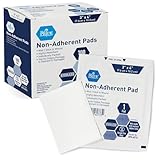
- PAIN-: Experience the comfort and ease of our non stick pads for wounds, designed by MED PRIDE for pain- removal and switching. Ideal for individuals dealing with wounds, these wound pads minimize discomfort during dressing changes, promoting faster healing and recovery.
- STERILIZED: Discover the convenience of our non stick gauze pads 3x4, individually wrapped to ensure long-lasting sterilization. These non adhesive pads for wounds aid in preventing infection and promoting faster healing, making them a reliable choice for wound care.
- VERSATILE: Explore the high versatility and absorbency of our non stick gauze pads, perfect for mildly exuding wounds-stage II, and III. Whether dealing with cystic acne, burns, ulcers, smaller post-op wounds, or dermatitis, these nonstick gauze pads provide optimal care.
- CUSTOMIZABLE: Choose from a variety of sizes to meet your specific needs with our wound dressing, available in sizes
- QUALITY: Trust in the quality of MED PRIDE Sterile Non-Adherent Pads, your go-to bandages for wounds. Quality is paramount in wound care as it directly impacts healing outcomes, and with our dressing, you're choosing a product that prioritizes your health and wellbeing.
Do I need a tetanus shot after a dog bite?
A clinician should review tetanus protection after a dog bite. CDC guidance flags wounds when more than five years have passed since the last tetanus shot, while NHS guidance flags uncertain vaccination or more than ten years; the correct decision depends on the wound classification, your immunization history and local clinical guidance.
Tell the clinician the date of your last dose if you know it, or say clearly that you are unsure. Bring an immunization record if one is readily available, but do not delay urgent care while searching for it. Do not self-administer a booster or assume that a previously completed series removes the need for review after a contaminated wound.
When should I get rabies advice or post-exposure treatment?
Contact a healthcare or public-health professional promptly if the dog’s rabies vaccination is unknown, the dog is stray, appears ill, cannot be located for assessment, or the exposure involved wildlife. Rabies decisions are time-sensitive and depend on the animal, the bite and local epidemiology; treatment is not automatically the same for every dog bite.
Ask the owner for proof of the dog’s rabies vaccination when it is safe to do so. Record the dog’s description and the owner’s contact details, and tell the clinician when and where the bite occurred. Do not delay wound washing while trying to obtain records. If the dog is available, public-health or veterinary professionals may use its health and vaccination information in the risk assessment.
The CDC states that more than four million Americans report being bitten by animals each year and that more than one million Americans receive rabies-related medical care from local or state health departments; the accessed page does not provide a publication year for those figures. The World Health Organization says dog bites account for over 50% of animal-related injuries in travellers, also without a publication year on the accessed page. These figures underline why prompt cleaning and timely risk assessment matter.
The WHO identifies early medical management, cleansing with soap and running water for 15 minutes, tetanus assessment and rabies post-exposure treatment when indicated as core principles. The American Veterinary Medical Association likewise advises: “Clean the bite wound with soap and water as soon as possible.”
What should I put on a dog bite?
For immediate care, the essential treatment is soap, running water and a clean or sterile dressing. Some first-aid guidance mentions antibiotic cream or ointment for a minor wound, but use depends on the product label, allergy history and clinician advice. Ointment cannot remove deep contamination, prevent every infection or replace medical review.
Do not put an unapproved substance into a puncture or use ointment to seal the opening. If a product causes irritation, stop using it and ask a healthcare professional what to do. A clean dressing is the priority after washing; disposable gloves can protect a caregiver’s hands during bleeding control but are optional and do not replace handwashing.
Clinicians may prescribe antibiotics for selected high-risk bites or established infections. They decide whether a wound should remain open, be closed with stitches or receive another treatment. Never try to stitch, glue, staple or tightly tape a dog bite closed at home. Closing contaminated tissue without professional cleaning can interfere with appropriate treatment.
Also popular on Amazon

- Ideal for cleaning minor cuts, scrapes, or burns
- Ultra soft material
- Extra absorbent
- 12-Ply
- Packaging may vary from images shown
How should I prepare for a medical assessment?
Bring the information that changes tetanus, infection and rabies decisions. If possible, note the time and place of the bite, the wound’s location, how the injury occurred, whether the dog is available, and the owner’s contact details. Ask for vaccination proof rather than relying on memory, and tell the clinician about allergies, medications, medical conditions and the date of your last tetanus dose.
Describe whether the skin was broken, how long bleeding lasted, whether you flushed the wound and for how long, and whether you saw dirt, hair or a tooth fragment. These details help a clinician understand the exposure without requiring you to manipulate the wound further.
If bleeding, pain or weakness is severe, do not delay emergency care to gather paperwork. A description of the dog and the circumstances can be supplied later to healthcare or public-health authorities. If the dog is unknown or unavailable, say so clearly because that affects the rabies assessment.
Do these 3 things before closing this tab:
1Repair Windows errors before they cause bigger problems2Scan for outdated or missing drivers - takes under a minute3Clear out junk files and repair common Windows errorsWhat should I do while watching a minor wound?
Keep the dressing clean and observe the wound and the person’s overall condition. If symptoms progress, if the covering becomes contaminated, or if you discover deeper damage or retained debris, seek medical advice. A wound that initially looks minor can still require assessment because punctures may extend below the visible opening.
Do not repeatedly squeeze, probe or reopen the wound to check it. Continue ordinary hand hygiene before and after touching the dressing. If another person is helping, explain the warning signs so everyone knows when to escalate.
Follow any instructions given by a clinician about dressing changes, medicines and follow-up. If you were advised to monitor the dog or communicate with public-health authorities, follow those instructions rather than making an independent rabies decision. If new redness, warmth, swelling, drainage, odor, red streaks, fever or worsening pain appears, contact a healthcare professional promptly.
Independent reader supportYour contribution helps us test, update, and keep practical guides available for everyone.What mistakes should I avoid?
- Delaying washing: Clean immediately; do not wait to identify the dog or obtain records.
- Using appearance as reassurance: A tiny puncture may be deeper than it looks.
- Digging for debris: Remove only material that lifts away easily; leave embedded material for a clinician.
- Closing the wound yourself: Never stitch, glue, staple or tightly tape a dog bite at home.
- Relying on ointment alone: Antibiotic cream is conditional and cannot replace cleaning or assessment.
- Ignoring the animal history: Unknown vaccination, stray status, illness or unavailability requires prompt rabies advice.
- Forgetting tetanus: Tell the clinician when the last dose was given or that the history is uncertain.
How do first-aid supplies fit in?
A small supply of soap, clean running water access, sterile gauze or clean dressings and, optionally, disposable examination gloves can support immediate care. Keep the emphasis on washing and escalation, not on filling a wound-care kit with products that might delay assessment. Antibiotic ointment is a secondary, conditional item and should be used only according to its label, allergy considerations and professional advice.
Frequently Asked Questions
Is a tiny puncture from a dog bite still worth calling about?
Yes. Puncture wounds can be deeper than their skin opening suggests, and first-aid guidance treats punctures as injuries for prompt medical review. Wash the area immediately, cover it, and contact a healthcare professional even if bleeding is minimal.
What if I cannot tell whether the teeth actually broke the skin?
Rinse the area with soap and running water anyway. If you find a break, puncture mark, abrasion, or increasing tenderness, treat it as a skin-breaking bite and seek advice; uncertainty about the wound or the dog’s vaccination status is itself a reason to call.
Also popular on Amazon

- QUICK & EASY TO USE! Sticky around the edges but not in the middle, Healqu Bordered Gauze Island Dressings protect fresh cuts and scrapes without sticking to the wound, for good protection while healing. Simply peel & stick, and get on with the rest of your day!
- COMFORTABLE, FASTER HEALING! Breathable Bordered Gauze Pads allow cuts & wounds to breathe while absorbing excess moisture, helping wounds & the affected area to heal much faster than normal plasters & gauze!
- PERFECT HOUSEHOLD ESSENTIAL! Great for everyday cuts, scrapes, small wounds, protecting stitches, post surgery incisions, and hundreds of other common household uses – just add a box to your cupboard and be prepared for any emergency!
- PAINLESS TO REMOVE! Easily sticks to all parts of the body and can be easily peeled off when fully healed without painful skin pulling & tugging as with most other Bordered Dressings! Good adhesion – great for sticking to awkward body contours!
- SUPER VALUE, INDIVIDUAL PACKETS! Sterile & separately wrapped Latex Free Island Dressing Pads, in great value 30 packets per box. Simply grab a handful and add to a home first aid kit, or day bag for safe wound dressing whenever you need!
Are rabies shots given after every dog bite?
No. A healthcare or public-health professional weighs the animal’s health, vaccination evidence, availability for assessment, the type of exposure and local rabies patterns. Because the decision is time-sensitive, obtain advice promptly rather than waiting for symptoms.
What details are most useful when I call for advice?
Give the time and location of the bite, the wound’s location and appearance, your tetanus history, and whether the dog is identifiable and available. The dog’s description, owner contact information and vaccination proof can help authorities make a rabies assessment.
The Tool Desk
Outbyte PC Repair FREEClear out junk files and repair common Windows errorsFree Scan →Outbyte Driver Updater FREEScan for outdated or missing drivers - takes under a minuteDriver Scan →Should I wash for 15 minutes even if the bite looks superficial?
Wash every dog bite promptly with soap and running water. The CDC specifies a 15-minute wash to flush out rabies virus, particularly important when rabies exposure is possible. Do not delay washing while deciding how serious the bite looks.
Can I remove a tooth fragment or dirt myself?
Remove only loose contamination that lifts away easily during rinsing. Do not probe or pull at material that may be embedded. Teeth, hair, dirt or another retained object should be assessed and removed by a clinician.
What if the dog’s owner says the rabies vaccine is current?
Ask for vaccination proof when safe, record the dog’s description and the owner’s contact details, and still contact a healthcare or public-health professional when the skin is broken. Rabies decisions depend on the animal, exposure and local epidemiology, not on an unsupported verbal assurance alone.
Can I put antibiotic ointment on every dog bite?
Not automatically. Some guidance mentions ointment for a minor wound, but product directions, allergy history and clinician advice matter. Ointment never replaces thorough washing, a clean dressing or medical review for a skin-breaking, deep, contaminated or infected bite.
The Tool Desk
Outbyte Driver Updater FREEFix the driver behind crashes, sound loss and screen glitchesFind Drivers →Outbyte PC Repair FREEClear out junk files and repair common Windows errorsFree Scan →How will a clinician decide whether to stitch the wound?
The clinician decides whether the bite should remain open, be closed with stitches or receive another treatment after considering contamination, depth, tissue damage and infection risk. Do not attempt to close it yourself.
What if I do not know when my last tetanus shot was?
Tell the clinician that the history is uncertain. CDC guidance flags more than five years for some wound decisions, while NHS guidance flags uncertain vaccination or more than ten years; the applicable recommendation depends on wound classification, immunization history and local guidance.
The Bottom Line
Wash a dog bite immediately with soap and running water, flushing for 15 minutes when rabies exposure is possible. Apply firm pressure for heavy bleeding, cover the cleaned wound with a clean or sterile dressing, and never close it at home. Get emergency help for uncontrolled bleeding, deep, crushed or badly torn wounds, and arrange prompt professional advice for any skin-breaking bite, infection signs, uncertain tetanus protection or rabies concerns.





Leave a Reply