Dental disease is common in dogs and cats, and it often goes unnoticed because pets tend to hide pain. The reliable path is a veterinary oral exam, a full professional cleaning under anesthesia when your veterinarian recommends one, and daily tooth brushing with pet-specific products between visits. A cleaning done while the pet is awake can make teeth look and smell better, but it cannot check or treat the areas below the gumline, where much of the disease occurs.
Signs that mean your pet needs a veterinary dental exam
The American Animal Hospital Association (AAHA) lists these as possible signs of dental disease in its owner guidance (last updated February 22, 2024):
- Bad breath
- Excessive drooling
- Yellow or brown discoloration of the teeth
- Red or swollen gums
- Blood on chew toys
- Tilting the head while eating, or chewing on only one side of the mouth
- Dropping food from the mouth
- Nasal or eye discharge
- Facial swelling
Any of these is a reason to book an examination. Do not try to judge disease from the amount of visible tartar alone. A pet with heavy tartar may have little pain, and a pet with clean-looking teeth may have problems under the gumline. AAHA also cautions that many pets show no obvious signs at all, so a pet that still eats normally can have significant disease. Routine oral checks during regular visits are the only dependable way to catch it early.
How dental disease develops
According to AAHA, disease begins as plaque and bacteria build up on the teeth and under the gumline. That leads to inflammation and then to damage of the structures that hold teeth in place. Complications AAHA lists include painful or bleeding gums, loose or missing teeth, tooth-root abscesses, an oronasal fistula (an abnormal opening between the mouth and nasal cavity), and possible effects on the rest of the body. The last point should be read as a possibility, not a certainty: the presence of dental disease does not mean a pet will develop organ damage.
Free tools Windows power users keep installed
One-click scans. No signup required.
#1 Best Overall
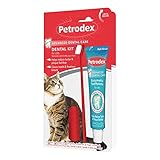
- Complete oral care system: enzymatic toothpaste plus toothbrush cleans teeth and fights bad breath in one kit
- Reduces plaque & tartar buildup: patented enzyme formula works without rinsing required
- Malt-flavored formula cats tolerate well: makes at-home brushing easier to stick with
- Everything needed to start a dental routine: ideal for new puppies, kittens, or first-time brushers
- Formulated specifically for pets: non-foaming, no-rinse enzymatic formula that's safe if swallowed
What a professional dental cleaning includes
A veterinary dental procedure is a medical treatment, and the plan is set by your veterinarian based on the mouth as examined. A typical sequence, as described in AAHA’s owner guidance, looks like this:
- Oral assessment and pre-anesthetic check. The veterinarian examines the mouth and oral structures. Blood work or another pre-anesthetic assessment is used to judge whether anesthesia is safe for that animal.
- Anesthesia with close monitoring. The pet is kept under anesthesia, and vital signs are monitored throughout the procedure.
- Dental radiographs. X-rays show the roots and the bone around them, which cannot be seen by looking into the mouth.
- Periodontal probing. The team measures the depth of the gum pockets around each tooth to find disease that is not visible.
- Scaling above and below the gumline. Plaque and calculus are removed from the crown and from beneath the gumline.
- Polishing. The tooth surfaces are smoothed after scaling.
- Treatment of diseased teeth. Extraction is performed when a tooth cannot be saved.
Antibiotics may be prescribed in some extensive cases. They are not a routine part of every cleaning, so ask your veterinarian whether they are part of your pet’s plan and why.
Periodontal therapy and home care
AAHA’s 2019 dental guidelines describe a structured protocol for oral health assessment, cleaning, and periodontal therapy. The guidelines treat periodontal probing and radiographs as part of evaluating dental disease, and they note that home care affects how well periodontal treatment works over time.
Rank #2
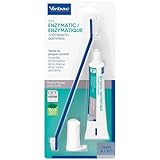
- #1 BRAND CHOSEN BY VETERINARIANS: Proven effective and trusted for over 30 years, C.E.T. is the top recommended dental brand by veterinary professionals to reduce plaque & tartar buildup
- Dual-sided toothbrush designed specifically for canine mouths with soft bristles for comfortable brushing
- Long handle with reverse angle allows for easy use and soft bristles for comfortable brushing while the finger-brush slips over finger for ease of use and better control
- Great tasting poultry-flavored toothpaste is ideal for dogs and cats that quickly build up plaque and tartar
- Complete kit with everything pet owners need to start a program of regular oral hygiene for their dog or cat. Ideal to help acquaint dogs/cats and their owners with the tooth brushing experience
How often pets need a professional cleaning
AAHA’s owner guidance says most pets need a professional cleaning every one to two years. Cats, small dogs, and certain breeds may need cleanings more often. Treat this as a general orientation rather than a fixed schedule. AAHA says the veterinarian should set the timing based on oral health, age, and risk factors. The American Veterinary Medical Association (AVMA) recommends that a veterinarian check a pet’s teeth and gums at least once a year.
Recommended Free Tools
Breed-specific intervals are not established by the guidance cited here, so ask your veterinarian which schedule fits your pet rather than relying on a breed chart.
How common dental disease is
In an AAHA article published October 2, 2026, the organization reports that about 80% of dogs and 70% of cats show signs of periodontal disease by three years of age. Treat this as AAHA’s published estimate. The article’s summary available for this review did not identify the underlying study or its methods, so it should be read as an approximate figure rather than a precise rate.
Rank #3

- Patent-Pending Design: Paw Science's dental finger wipes are hypoallergenic and pH balanced for your pet's oral cavity.
- Fast & Easy Cleaning: Convenient no-rinse dental wipes replace toothbrushes and toothpaste.
- Freshens Breath & Promotes Dental Health: With regular use, removes plaque, helps fight tartar buildup, and supports healthy gums.
- Vet-Formulated with Simple Ingredients: Vet-approved ingredients that gently clean your cat's and dog's teeth.
- Suitable for both small and large breeds, including puppies, kittens, cats, and large dogs.
Why anesthesia is used, and why anesthesia-free cleanings fall short
The key difference is access. Anesthesia keeps the pet still and allows a complete examination and treatment of the areas beneath the gumline. AVMA, AAHA, and the American Veterinary Dental College (AVDC) do not recommend cleanings without anesthesia, because those cleanings cannot clean or inspect below the gumline, where much dental disease occurs. They can also put the pet or the operator at risk of injury.
Emily Singler, VMD, AAHA Veterinary Content Specialist, put it this way in AAHA’s 2026 article: “without anesthesia, there’s no way to fully assess and address your pet’s dental health. Non-anesthetic dental cleanings may make your pet’s teeth look and smell better in the short term, but they create a false sense of security and don’t really make your pet’s mouth healthier.”
| Capability | Full veterinary dental procedure under anesthesia | Anesthesia-free cleaning |
|---|---|---|
| Examine and clean below the gumline | Yes | No; limited to visible surfaces |
| Take dental radiographs | Yes | No |
| Probe periodontal pockets | Yes | No |
| Diagnose disease that is not visible | Yes | No |
| Treat diseased teeth, including extraction when needed | Yes, when the veterinarian finds it necessary | No |
| Cosmetic result (teeth look and smell better) | Yes | Yes, in the short term |
Pricing for either option is not covered here. Ask your clinic for a written estimate that itemizes pre-anesthetic testing, radiographs, and any extractions.
Rank #4

- VOHC ACCEPTED FOR TARTAR CONTROL IN DOGS: The only naturally derived pet toothpaste with the VOHC Seal of Acceptance. Validated in two independent, randomized controlled studies. Reduces calculus, reduces plaque, freshens breath.
- EVERYTHING NEEDED FOR A COMPLETE DENTAL ROUTINE: Includes a 3 oz. tube of PRO CARE toothpaste, a soft-bristle toothbrush, and a finger brush. One kit, one daily habit.
- GRADUATE AT YOUR DOG'S PACE: Start with a finger application your dog can lick. Move to the finger brush. Then the toothbrush. A natural progression that builds trust over time.
- DRAWING ONLY ON INGREDIENTS FROM NATURE: Formulated with coconut oil, miswak, malic acid, zinc citrate, and kaolin clay. Free from parabens, artificial dyes, sulfates, sweeteners, and animal by-products.
- FOUNDED ON DECADES OF PREVENTIVE DENTISTRY SCIENCE: Developed from the research legacy of Dr. George K. Stookey, a founding member of the Veterinary Oral Health Council and one of the pioneering figures in modern preventive dentistry.
Home care between veterinary visits
Home care supports ongoing plaque control. It does not diagnose or treat disease that is already established, and it does not replace veterinary exams or professional cleanings.
Daily brushing
AAHA calls daily brushing the best way to help reduce plaque accumulation. Use a soft-bristled pet toothbrush with pet-specific toothpaste. Never use human toothpaste, which can be toxic to pets.
- Get a soft-bristled toothbrush made for pets and a pet toothpaste. A dog toothbrush and toothpaste kit is one common option; this article does not endorse particular brands.
- Let your pet taste the toothpaste first, so the routine feels familiar.
- Lift the lips and brush the outer surfaces of the teeth, where most tartar forms. Work up to a short, steady routine rather than a long session on the first day.
- If your pet resists, stop before the animal becomes stressed, and ask your veterinarian for a technique suited to your pet.
Other home-care options
| Option | What AAHA and VOHC say | What to check |
|---|---|---|
| Dental chews | AAHA recommends choosing chews that carry the Veterinary Oral Health Council (VOHC) seal. VOHC lists products shown effective in retarding plaque or calculus accumulation. | Check VOHC’s current accepted-products list before choosing a product, because acceptance and availability can change. Confirm the chew suits your pet’s species, size, health, and diet. |
| Water additives | Named by AAHA as a possible home-care approach. | Ask your veterinarian whether a product is appropriate for your pet. Acceptance status varies by product. |
| Specially formulated dental diets | Named by AAHA as a possible home-care approach. | Ask your veterinarian before changing diet, especially if your pet has other health conditions. |
| Hard chews such as bones or antlers | AAHA warns that items too hard to bend or break easily can fracture teeth. | Avoid using these as a generic dental solution. |
VOHC states that its accepted products are shown to help control plaque or calculus, and it recommends periodic veterinary examination. Some pets still need professional scaling even when they use accepted products.
Best Value

- 🐶PROFESSIONAL PET TOOTH TOOL - 4 styles of dental cleaning care tools include dental probe, tartar scraper, sickle scaler and round plaque remover. easily clean the mouth of stubborn stains, food debris, remove plaque and tartar, keep your pet's breath fresher.
- 🐶CARE FOR PET DENTAL HEALTH - Our pet tooth cleaning kit is widely applicable, suitable for pets of different sizes and different breeds, such as cats, dogs, etc. you can confidently provide professional-level dental care for your pets, saving a lot of time and energy.
- 🐶EASY TO USE - This pet tooth dental pick oral hygiene tool is designed in different shapes, which allows easy and convenient access to different spots, with anti-slip handles to increase friction and stability in operation, you can easily solve the in the hard-to-reach areas of the mouth.
- 🐶HIGH QUALITY STAINLESS STEEL - The pets dental kit is made of food-grade high-quality stainless steel, which allows rust resistance, durability and safety, easy to clean and sterilize. Comes with a durable storage box to keep your pet's tooth cleaning tools clean and tidy.
- 🐶SATISFIED SERVICE - This pet oral care product is suitable for pet dogs and cats. We will provide worry-free warranty for all the comsumers if you have any issues with this product you could contact us for solutions, we will give you the best shopping experience without any worries!
What this guidance does not settle
The sources behind this article do not establish procedure pricing, individual anesthesia risk for a given pet, or breed-specific cleaning intervals. For those questions, your veterinarian’s assessment of your pet’s age, health, and oral findings is the appropriate guide.
If your pet shows any sign listed above, schedule a veterinary oral exam. If your pet has never had one, ask your veterinarian to check the mouth and recommend a plan based on what they find.
Quick Recap
Product prices and availability are accurate as of the date/time indicated and are subject to change. Any price and availability information displayed on Amazon at the time of purchase will apply.




