
Recommended Free Tools
Some links on this page are affiliate links: if you buy through them we may earn a commission, at no extra cost to you.
Dog dental disease is usually a bacterial infection process that starts with plaque at the gumline. It can progress from reversible gingivitis to permanent loss of the bone and ligament supporting the teeth. Bad breath, red or bleeding gums, tartar, drooling, dropped food, chewing on one side, loose teeth, facial swelling, or a sudden behavior change warrant a veterinary dental examination. Treatment costs range from routine cleaning to more than $1,500 when advanced disease and extractions are involved. Daily brushing with dog toothpaste is the most effective prevention, but it cannot remove disease already below the gumline.
As many as 80% of dogs have some level of periodontal disease by age two, according to a 2024 review in the Merck Veterinary Manual. Because dogs may keep eating despite painful teeth, a normal appetite does not rule out significant disease.
As an Amazon Associate I earn from qualifying purchases.
Quick wins for a faster PC:
Fix the driver behind crashes, sound loss and screen glitchesFind Drivers →Repair Windows errors before they cause bigger problemsFix Now →Scan for outdated or missing drivers - takes under a minuteDriver Scan →What is dental disease in dogs, and why does it matter?
Dental disease generally begins when plaque, a sticky bacterial biofilm, accumulates where the tooth meets the gum. Minerals in saliva can harden that plaque into tartar (calculus). Inflammation limited to the gums is gingivitis. Once infection damages the periodontal ligament and the bone around a tooth, it is periodontitis.
Gingivitis can usually be reversed with a professional cleaning and reliable plaque control at home. Periodontitis destroys the tooth’s support permanently; advanced teeth may loosen, become infected, and require extraction. More than half of a tooth’s structure lies below the gumline, so a crown that looks only mildly dirty can conceal substantial bone loss or a diseased root.
Advanced oral infection causes local pain, bleeding, loose teeth, and tooth loss. Veterinary references also describe associations between severe oral infection or bacteria entering the bloodstream and changes involving the heart, liver, and kidneys. Those findings are associations, not proof that dental disease alone caused a particular organ disorder, but they are an important reason to prevent and treat mouth disease.
Popular on Amazon
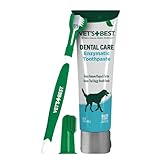
- DOG TOOTH BRUSHING KIT: Keep your dog's teeth and gums healthy with our dog toothbrush and toothpaste kit; our toothpaste is made with aloe, neem oil, grapefruit seed extract, baking soda, and enzymes to keep you dog's mouth fresh
- DOG DENTAL CARE MADE EASY: Our dog tooth paste gently cleans away plaque and tartar, serving as an effective dog breath freshener; rid your dog of bad breath and gift them a healthier mouth with our dog tooth brushing kit.
- TRIPLE HEAD TOOTHBRUSH: Our dog dental cleaning kit features a triple-sided dog tooth brush that cleans all sides of your dog's teeth at once, making tooth brushing faster and more efficient; no more struggling to clean those hard to reach back teeth
- NATURAL FLAVORS: Our toothpaste for dogs has natural flavors that your furry friend will love, making dog tooth brushing a more enjoyable experience even for the pickiest of pups, so you can keep their dog breath fresh without any fuss
- DENTAL KIT FOR DOGS OF ALL SIZES: Regular teeth cleaning supports your pet’s health. Use our dog toothbrush and toothpaste between vet visits to maintain oral hygiene, reduce plaque and tartar buildup, and keep your dog’s mouth fresh and healthy.
What are the signs of dental disease in dogs?
Bad breath is often the first sign an owner notices; persistent foul odor is not normal dog breath. Watch for changes at the mouth and changes in how your dog eats or behaves.
- Red, swollen, tender, or bleeding gums
- Yellow or brown tartar on the teeth
- Excessive drooling, pawing at the mouth, or rubbing the face
- Dropping food, chewing on one side, taking longer to eat, or avoiding hard food
- Reduced appetite or refusal to eat
- Loose, fractured, discolored, or missing teeth
- Nasal or ocular discharge, especially on one side
- Facial swelling or a draining spot beneath an eye
- New irritability, withdrawal, or other behavior changes consistent with pain
Dogs often continue eating despite painful periodontal disease, so appetite alone is a poor screening test. A dog that cannot eat, has facial swelling, significant oral bleeding, severe pain, or marked lethargy needs prompt veterinary assessment. Those signs can indicate advanced periodontal infection, a tooth-root abscess, or another oral disorder.
What stage is my dog’s periodontal disease?
Veterinarians stage periodontal disease by measuring loss of attachment—the support connecting each tooth to the jaw—and by examining dental radiographs. Tartar color or the amount visible above the gumline cannot reliably distinguish early from advanced disease.
| Stage | What the veterinarian finds | Reversibility and likely care | Extraction risk and outlook |
|---|---|---|---|
| 0 | Healthy periodontal tissues; no detectable disease | Routine examinations and preventive home care | No disease-related extraction risk; prognosis is normal with prevention |
| 1 | Gingivitis only, with no attachment loss | Anesthetized scaling above and below the gumline, polishing, irrigation, and home plaque control | Inflammation is generally reversible after cleaning and prevention |
| 2 | Early periodontitis with less than 25% attachment loss | Stage 1 treatment plus subgingival therapy; local antimicrobials may be used for selected sites | Some support is lost; teeth may be retained when treatment and home care control progression |
| 3 | Established periodontitis with 25%–50% attachment loss | Periodontal therapy or extraction when a tooth cannot be predictably saved, followed by consistent home care | Tooth stability and prognosis vary; extraction becomes more likely for badly damaged teeth |
| 4 | Advanced disease with more than 50% attachment loss | Extraction or advanced periodontal surgery, depending on the tooth and remaining support | Prognosis is guarded because supporting tissues are extensively destroyed |
Stage 2 and stage 3 can look similar when you inspect only the visible crown. Full-mouth radiographs reveal bone loss, root disease, retained roots, and other lesions that cannot be seen through the gums. Your veterinarian can assign a stage tooth by tooth rather than giving the entire mouth one misleading label.
Also popular on Amazon

- COMPLETE DOG DENTAL KIT: Includes a 2.5 oz tube of chicken flavor enzymatic dog toothpaste, a long-handled double-ended toothbrush, and a finger brush, giving you a full at-home dog tooth brushing kit in one pack.
- ENZYMATIC BAKING SODA FORMULA: This Arm & Hammer enzymatic toothpaste for dogs uses baking soda for fresh breath and helps with tartar control*. Added calcium is part of the formula for stronger teeth.
- CHICKEN FLAVOR TOOTHPASTE: The chicken flavored dog toothpaste is made to make brushing more appealing. Start with a small amount so your dog can adjust to the flavor, then build a steady brushing habit over time.
- TARTAR CONTROL SUPPORT: Brushing regularly with this dog toothpaste and toothbrush helps with tartar control* and fresh breath. Use the toothpaste with either brush as part of a consistent at-home dental care routine.
- TWO BRUSH SIZES INCLUDED: The long-handled double-ended toothbrush and the finger brush give you two brush sizes to suit all size pets. The finger brush is made for training and for sensitive pets.
How does a veterinarian diagnose and treat dental disease?
A complete dental procedure combines an examination under anesthesia with imaging and treatment below the gumline. The usual sequence is:
Free tools Windows power users keep installed
One-click scans. No signup required.
- Pre-anesthetic assessment: The veterinarian reviews age, medical history, medications, and examination findings. Blood work is performed when indicated to help assess anesthetic risk and identify conditions that could change the plan.
- Anesthesia and monitoring: General anesthesia keeps the airway protected, prevents movement and pain, and permits a thorough examination. Monitoring is adjusted to the individual dog.
- Full-mouth radiographs: X-rays assess every tooth, including roots and supporting bone. They are essential for finding hidden attachment loss and deciding whether a tooth can be saved.
- Scaling and polishing: Hardened deposits are removed above and below the gumline, then surfaces are polished to reduce microscopic roughness that can retain plaque.
- Periodontal probing: The clinician measures pockets and attachment around each tooth and records findings on a dental chart.
- Definitive treatment: Depending on findings, treatment may include subgingival therapy, local antimicrobials, periodontal surgery, or extraction of teeth with an unfavorable prognosis. Pain control and any indicated medication are prescribed.
- Recovery and recheck: The practice explains feeding, medication, and home-care instructions and schedules follow-up when disease severity or surgery warrants it.
The American Animal Hospital Association notes that more than 50% of a tooth is below the gumline. Removing visible tartar without examining this hidden area cannot establish the true stage or treat infected pockets.
Why are anesthesia-free dental cleanings not an equivalent treatment?
Anesthesia-free scraping may make the visible teeth look cleaner or smell better briefly, but it cannot safely probe pockets, obtain diagnostic radiographs, or clean and polish the entire subgingival surface. A dog that is awake may move suddenly, making injury to the mouth possible, and stress can prevent a complete examination.
Emily Singler, VMD, an AAHA Veterinary Content Specialist, explains that without anesthesia there is no way to fully assess and address a pet’s dental health; a non-anesthetic cleaning can create a false sense of security rather than make the mouth healthier. The American Veterinary Medical Association advises that dental procedures be performed by a veterinarian or a board-certified veterinary dentist, subject to local rules.
Also popular on Amazon
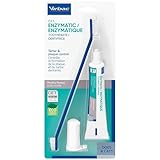
- #1 BRAND CHOSEN BY VETERINARIANS: Proven effective and trusted for over 30 years, C.E.T. is the top recommended dental brand by veterinary professionals to reduce plaque & tartar buildup
- Dual-sided toothbrush designed specifically for canine mouths with soft bristles for comfortable brushing
- Long handle with reverse angle allows for easy use and soft bristles for comfortable brushing while the finger-brush slips over finger for ease of use and better control
- Great tasting poultry-flavored toothpaste is ideal for dogs and cats that quickly build up plaque and tartar
- Complete kit with everything pet owners need to start a program of regular oral hygiene for their dog or cat. Ideal to help acquaint dogs/cats and their owners with the tooth brushing experience
How much does dog teeth cleaning cost?
U.S. prices depend on geography, your dog’s size and age, disease severity, anesthesia and monitoring, blood work, radiographs, the number and complexity of extractions, medications, and whether a general veterinarian or a specialist performs the procedure. The figures below are planning references, not guaranteed quotes.
| Service or situation | Published U.S. planning figure | What can change the final bill |
|---|---|---|
| Dog dental cleaning, national average | $388 average; $307–$702 range (CareCredit, 2026) | Region, anesthesia, monitoring, blood work, radiographs, and treatment found during the procedure |
| Routine professional cleaning | Commonly $350–$500 (PetMD, 2025) | Whether the estimate includes full-mouth X-rays, periodontal probing, and all peri-anesthetic services |
| Advanced dental care | Can exceed $1,500 (PetMD, 2025) | Periodontal surgery, multiple extractions, specialist care, medications, and rechecks |
| Extraction | $500–$2,500 per tooth, depending on complexity (PetMD, 2025) | Tooth size and root shape, surgical difficulty, radiographs, closure, pain control, and monitoring |
Ask for an itemized estimate before anesthesia. It should state whether the quoted amount includes the anesthetic, monitoring, blood work, full-mouth radiographs, scaling and polishing, periodontal therapy, extractions, pain medication, antibiotics when indicated, and recheck care. Many practices obtain authorization for a range because radiographs can reveal teeth that need treatment only after the dog is anesthetized.
How can I clean my dog’s teeth at home?
Daily brushing with a soft-bristle dog toothbrush and toothpaste made for pets is the most effective home-care measure. It removes plaque before it mineralizes; it cannot remove established tartar or reverse bone already lost to periodontitis.
- Choose safe supplies: Use a soft dog toothbrush or finger brush and pet-specific toothpaste. Never use human toothpaste, which may contain ingredients unsafe for dogs.
- Introduce taste first: Let your dog lick a small amount of pet toothpaste from your finger for several days while rewarding calm behavior.
- Touch the lips and gums: Gently lift the lip and massage the outer gum surfaces with a finger for a few seconds. Stop before your dog becomes distressed.
- Add the brush: Brush the outer surfaces of a few teeth with small, gentle motions. The cheek side is the highest-yield area because the tongue naturally cleans some inner surfaces.
- Build duration gradually: Add a few teeth at a time until you can brush all accessible surfaces daily. Keep sessions brief and positive rather than forcing the mouth open.
- Keep the routine: Consistency matters more than a long occasional session. If gums bleed heavily, brushing causes marked pain, or a tooth is loose, stop and arrange a veterinary examination.
Which dental chews, diets, gels, and water additives help?
Chews, dental diets, water additives, oral gels, and sprays can supplement brushing for some dogs, but none replaces a veterinary examination or removes established subgingival disease. The American Animal Hospital Association recommends looking for products accepted by the Veterinary Oral Health Council and discussing suitability with your veterinarian.
Also popular on Amazon

- SUPERIOR FORMULA FOR DOGS & PUPPIES - Upgrade to a professional-grade pet toothpaste crafted from natural ingredients. Our superior pet dental care formula ensures unparalleled oral hygiene without the harsh chemicals.
- IRRESISTIBLY DELICIOUS BACON & CHICKEN FLAVORS – Dogs and cats go absolutely wild for our real bacon and chicken flavors! They lick the brush clean and beg for more, turning daily tooth brushing into the highlight of their day instead of a battle.
- DOUBLE ENZYMATIC PLAQUE BUSTER - Unlock a brighter smile for your furry friend! Our enzymatic puppy toothpaste for small dog is enriched with the dual power of papaya and pineapple enzymes. Our natural pet teeth cleaning formula eliminates plaque and tartar buildup, ensuring a radiant smile.
- GOODBYE BAD BREATH - Harness the natural power of extra virgin coconut oil in our dog and cat toothpaste. Say goodbye to bad dog and cat breath and reduce the risk of dental issues like plaque and gum disease.
- NATURALLY SOOTHING & MOISTURIZING - Soothe inflamed gums and promote oral health with our dog and cat toothpaste's Virgin Hemp Seed Oil and Calendula Oil. Our toothpaste is an essential component of your pet tooth brushing kit in preventing gum disease and oral discomfort.
| Option | Potential role | Important limits and safety checks |
|---|---|---|
| VOHC-accepted chew | Mechanical cleaning or plaque-control support between brushings | Choose the correct size; supervise chewing and avoid products hard enough to fracture teeth |
| Dental diet | Kibble design may increase tooth contact and reduce plaque for some dogs | Must fit calorie needs, medical diets, allergies, and the dog’s ability to chew safely |
| Water additive, gel, or spray | May reduce odor or help control plaque as an adjunct | Does not clean pockets or treat bone loss; verify ingredients and veterinary suitability |
| Tooth brushing | Most effective daily home measure for disrupting plaque | Requires gradual training and pet toothpaste; cannot remove hardened tartar |
How often should my dog have a dental check?
The AVMA recommends at least annual veterinary dental checks. More frequent examinations may be appropriate when a dog is older, belongs to a higher-risk breed, has a medical history that affects the mouth, or already has periodontal disease. Your veterinarian can set the interval after examining the gums, teeth, and prior radiographs.
At each routine visit, mention changes in breath, chewing, drooling, appetite, or behavior even if the teeth look acceptable at home. Small dogs and dogs with crowded teeth may accumulate plaque in areas owners cannot see, making professional monitoring especially valuable.
What should I do if I suspect dental disease today?
- Book a veterinary oral examination rather than waiting for a loose tooth or refusal to eat.
- Seek prompt care for facial swelling, inability to eat, severe pain, substantial bleeding, or lethargy.
- Do not scrape tartar with household tools or give human pain medicine.
- Until examined, offer food your dog can comfortably eat and avoid forcing the mouth open.
- Request a written, itemized estimate that separates routine cleaning from possible radiographs, periodontal therapy, and extractions.
Frequently Asked Questions
Why can a dog have serious dental disease while still eating?
Dogs often mask oral pain and may continue eating by swallowing food, choosing softer pieces, or chewing on one side. Appetite therefore does not show whether roots or jawbone are infected; probing and radiographs are needed to assess hidden damage.
Will removing a bad tooth make it harder for my dog to eat?
Most dogs adapt well after diseased teeth are removed because the painful source is gone. The veterinary team should explain expected feeding changes for your dog’s specific extraction and provide pain-control instructions.
Can a dental chew replace brushing?
No. A chew may provide supplemental mechanical plaque control, but it cannot reach every tooth or remove disease under the gums. Select products accepted by the Veterinary Oral Health Council and use them alongside, not instead of, brushing and examinations.
When should a puppy first have its mouth checked?
Have the mouth examined during regular puppy visits so a veterinarian can identify retained baby teeth, crowding, or early gum inflammation. Starting gentle handling and toothpaste training before adult teeth are fully established makes daily care easier.





Leave a Reply