Recommended Free Tools
For routine ear cleaning, use an appropriate dog ear-cleaning solution recommended by your veterinarian—not water in the ear canal. Keep water out while bathing, and gently dry the accessible parts of the ear after swimming. If an ear is painful, red, itchy, smelly, or discharging, stop cleaning and contact a veterinarian.
The right choice depends on what is happening: cleaner may help loosen debris in an otherwise comfortable ear, while water should be kept out of the canal rather than used to rinse it. Some dogs do not need routine cleaning at all. When an ear looks or feels abnormal, home cleaning is not a substitute for finding out why.
As an Amazon Associate I earn from qualifying purchases.
Dog ear cleaner and water have different jobs
A suitable ear cleaner is used to loosen debris when cleaning is appropriate. Water is not a substitute for that cleaner, and it should not be allowed to run into the ear canal during a bath. After swimming, the aim is to gently dry the ear rather than flush it.
It helps to separate three situations that can otherwise seem similar. First, an ear that is comfortable and has visible dirt or debris may be a candidate for gentle cleaning with a dog ear solution recommended by a veterinarian. Second, bathing and swimming involve water exposure, so the goal is to keep water out during a bath and dry or wipe the accessible ear afterward. Third, an ear with pain, redness, odor, discharge, itching, or frequent head shaking is not simply a dirty ear to be cleaned more thoroughly; it needs veterinary attention.
#1 Best Overall

- Developed in Collaboration with Veterinary Dermatologists: Recommended for the routine cleansing of sensitive ears in dogs, cats, puppies, and kittens of any age.
- Ideal for Allergic & Active Pets: A powerful yet gentle ear cleaner for dogs and cats with allergies, frequent swimmers, and breeds with floppy ears that are prone to moisture buildup and microbial overgrowth.
- Soothing, Non Irritating Solution: Designed to be sting free with a neutral pH, this solution is well tolerated by sensitive skin and won't interfere with other ear treatments; Can be used 2–3 times per week.
- Cleans Ear Canal: Limits the bonding of microorganisms to the ear canal surface by removing debris and excess wax.
- Patented Anti-Odor Technology: Features a patented formula that doesn't just mask smells but eliminates them, leaving your pet’s ears smelling fresh and clean.
| Situation | What to do | Why |
|---|---|---|
| Comfortable ear with visible dirt or debris | Use a veterinarian-recommended dog ear-cleaning solution as directed, then wipe away loosened debris from the accessible part of the ear. | A suitable cleaner can help with cleaning; plain water is not the recommended cleaning solution. Cornell University College of Veterinary Medicine’s Riney Canine Health Center provides this general approach in its guidance, last updated October 21, 2025. |
| Bathing | Keep water out of the ear canal. | Merck Veterinary Manual advises avoiding water in the ears during bathing. |
| After swimming | Gently dry or wipe the accessible ear as your veterinarian advises; do not flush the canal with water. | Cornell explains that a warm, moist ear canal can favor yeast and bacteria. |
| Red, painful, itchy, odorous, or discharging ear | Do not clean at home; contact a veterinarian. | These signs need assessment, and cleaning solution is not a diagnosis or a substitute for treatment. |
So, if the question is “Can I use water instead of dog ear cleaner?” the practical answer is no: water is not the recommended cleaner, and it should not be put into the canal to rinse it. If the question is “Should I use cleaner every time my dog gets wet?” that is also not automatic. Dry gently after swimming, and follow an individual veterinary care plan if your dog has one.
Does every dog need routine ear cleaning?
No. A healthy ear does not automatically need a scheduled cleaning. Cornell’s guidance says routine cleaning is needed when dirt or debris is present, because overcleaning can irritate the ears. VCA likewise notes that some healthy dogs may never need their ears cleaned.
Use the dog’s visible ear condition and individual veterinary plan rather than a fixed calendar interval. If your veterinarian has recommended regular cleaning for your dog, follow that schedule and the product instructions. Without that advice, avoid cleaning an ear that looks clean and feels comfortable just because a routine has been suggested for dogs in general.
The Tool Desk
Outbyte PC Repair FREEClear out junk files and repair common Windows errorsFree Scan →Outbyte Driver Updater FREEFix the driver behind crashes, sound loss and screen glitchesFind Drivers →There is no single interval that applies to every dog. Cornell describes maintenance cleaning as depending on the dog’s needs, and VCA cautions that unnecessary cleaning can irritate the ear canal. A weekly, monthly, or other universal schedule would imply that all dogs need the same care, which the veterinary guidance does not support. The sensible starting point is to look for visible debris and consider how the ear appears and feels, rather than clean by calendar alone.
If your veterinarian has set a schedule for your dog, that individualized direction takes priority over general advice. Ask what signs should prompt a cleaning, how often the prescribed product should be used, and what to do after swimming or bathing. If there is no specific plan and the ear appears clean and comfortable, there may be no need to put anything into it. If you notice new debris or a change in the ear, consider the other signs described below before cleaning.
How to clean a comfortable ear safely
Use a solution intended for dog ears that your veterinarian recommends, and follow both the label and any veterinary directions. The general method below reflects Cornell’s guidance; a veterinarian’s instructions for your dog take priority. This is for an ear that is otherwise comfortable and does not look inflamed or abnormal—not a home treatment for a painful or infected ear.
Rank #2
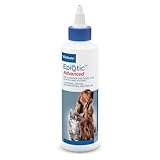
- Developed in Collaboration with Veterinary Dermatologists: Recommended for the routine cleansing of sensitive ears in dogs, cats, puppies, and kittens of any age.
- Ideal for Allergic & Active Pets: A powerful yet gentle ear cleaner for dogs and cats with allergies, frequent swimmers, and breeds with floppy ears that are prone to moisture buildup and microbial overgrowth.
- Soothing, Non Irritating Solution: Designed to be sting free with a neutral pH, this solution is well tolerated by sensitive skin and won't interfere with other ear treatments; Can be used 2–3 times per week.
- Cleans Ear Canal: Limits the bonding of microorganisms to the ear canal surface by removing debris and excess wax.
- Patented Anti-Odor Technology: Features a patented formula that doesn't just mask smells but eliminates them, leaving your pet’s ears smelling fresh and clean.
- Check the ear first. Do not begin if it is painful, red, inflamed, or producing discharge, or if your dog reacts as though the ear hurts. Contact your veterinarian instead. Itching, a strong or unpleasant odor, excess wax, and frequent head shaking are also reasons to seek veterinary advice rather than simply clean more.
- Use an appropriate solution. Choose a dog ear-cleaning product recommended for your dog and follow its label. Do not assume that a product is appropriate just because it is sold for ears or is available over the counter. Merck Veterinary Manual advises veterinarian-recommended solutions and cautions against unapproved over-the-counter wax removers.
- Apply the solution gently. Use the amount and method on the product label or specified by your veterinarian. Do not forcefully squeeze the bottle into the canal. If you are uncertain about the amount or where to apply it, ask your veterinarian rather than guessing.
- Massage the base of the ear. Gently massage the ear base to help loosen debris, as directed by Cornell’s general cleaning method. Keep the action gentle; the aim is to help the solution work, not to press or rub a sore ear.
- Let your dog shake. Allow the dog to shake its head before wiping. This is part of Cornell’s general method for loosening debris before you wipe the accessible area.
- Wipe only within easy reach. Use a cotton ball, soft pad, or gauze to remove loosened debris from the accessible inner ear, wiping outward. Do not reach farther than a finger can easily go. Merck and Cornell advise against putting cotton swabs into the ear canal.
- Stop if it hurts. If the dog shows pain or distress during cleaning, stop and ask a veterinarian what to do next. Do not try to complete the cleaning by holding the dog still or pushing farther into the ear.
The important limit is reach: clean only the portion you can comfortably wipe with a finger and a soft material. Do not try to probe the canal or retrieve debris from farther inside. A cotton ball, pad, or gauze is for wiping the accessible ear, not for pushing into the canal. If debris seems too deep to reach safely, or if the ear is difficult to handle, ask your veterinarian for guidance.
Follow the cleaner’s directions even if you have used another product before. The sources support the use of an appropriate, veterinarian-recommended solution, not a single universal formula or a particular brand. A veterinarian can advise whether a product is appropriate for your dog and how it fits an individual plan. If directions from a product label and a veterinarian’s specific instructions seem to conflict, check with the veterinarian before proceeding.
What not to put in the ear
- Do not use water as an ear-cleaning substitute. Keep it out of the canal during bathing; after swimming, dry gently rather than flushing. The role of water here is something to keep out of the canal, not something to pour in to remove debris.
- Do not insert cotton swabs into the canal. Use a cotton ball, pad, or gauze only on the part you can comfortably reach with a finger. Merck and Cornell both caution against cotton swabs in the ear canal.
- Do not force cleaner into the canal. Apply it gently and follow the product label and veterinarian’s instructions. A more forceful application is not a safer or more appropriate way to clean.
- Avoid unapproved wax removers and home remedies. Merck advises against unapproved over-the-counter wax removers. The American Kennel Club’s general guidance also cautions against hydrogen peroxide. Ask a veterinarian before using a product that was not recommended for your dog.
- Do not overclean. Cleaning ears that do not need it can irritate the canal. A clean, comfortable ear does not need to be cleaned simply because a routine interval has arrived.
These cautions are useful when choosing between a cleaner, water, and an improvised alternative. The fact that water is readily available does not make it a substitute for an ear solution. Nor does the fact that a product is described as a wax remover establish that it is suitable for your dog. Use only an appropriate solution recommended for your dog, and do not add a home remedy when the cause of an ear problem is unclear.
After swimming or bathing
During a bath, take care to keep water out of the ear canal. If your dog has been swimming, gently dry or wipe the accessible part of the ear as advised by your veterinarian. Moisture remaining in the canal can create conditions that favor yeast and bacteria, according to Cornell’s guidance on itchy ears.
Drying is not the same as cleaning: do not put water into the ear to rinse it, and do not use a cotton swab or push a towel into the canal. If your dog swims often or has a veterinary plan for ear care, ask the veterinarian how to handle moisture exposure for that dog.
The distinction is practical. During a bath, prevention means taking care not to let water run into the canal. After swimming, gentle drying or wiping of the accessible ear helps address the water exposure without turning it into a rinse. A towel or other soft material should not be pushed down the canal, and a cotton swab should not be used there. Cornell’s explanation is that a warm, moist canal can favor yeast and bacteria; it is not a reason to try to disinfect or flush the ear at home.
Rank #3

- Veterinarian Formulated to Gently Clean, Deodorize, Acidify and Dry Your Pets Ears
- Safe And Gentle Ear Cleanser with Aloe Vera for Daily Use. Won't Sting, Burn or Aggravate the Ear Canal
- Eliminates Build Up of Wax, Fluid, Dirt & Debris to Stop Itching, Scratching, Head Shaking and Irritation.
- Helps Relieve Ear Infections Caused by Growths, Buildup, and Itching.
- Made in the USA in Federally Regulated Manufacturing Facilities to Ensure Quality and Safety.
If you are uncertain what “dry the ear” means for your dog, keep to the accessible part and ask your veterinarian for individualized advice, particularly if swimming is frequent or your dog already has a care plan. Do not assume that every dog needs a cleaner after every swim, or that a cleaner should be used to counteract water exposure. The cited guidance supports gentle drying or wiping and veterinary direction, not an automatic product routine.
When to stop and call a veterinarian
Do not try to solve an abnormal or painful ear by changing cleaners or rinsing it with water. Contact a veterinarian if you notice any of the following:
- Pain or distress during cleaning
- Redness or inflammation
- Itching or frequent head shaking
- Discharge, excess wax, or an unpleasant odor
- Discomfort or another change that makes the ear seem abnormal
These signs can have different causes. A cleaner may be appropriate for routine debris removal, but it cannot establish what is causing symptoms or replace veterinary treatment. If you are unsure whether the ear is healthy enough to clean, pause and ask your veterinarian before putting anything in it.
Free tools Windows power users keep installed
One-click scans. No signup required.
In particular, do not treat pain as a sign that the ear merely needs a more thorough cleaning. Stop if your dog reacts as though the process hurts. Redness, inflammation, discharge, odor, itching, excess wax, and head shaking also call for veterinary input. A cleaner may be part of care when cleaning is appropriate, but the signs alone do not tell you what is causing the problem. A veterinarian can assess the ear and advise what should happen next.
Until you have veterinary guidance, avoid putting water, an unapproved wax remover, or a home remedy into an abnormal or painful ear. Switching to a different cleaner or trying to wash away discharge does not answer what is causing the symptoms. If you are on the fence about whether a symptom is significant, pausing is safer than continuing a home cleaning attempt.
Choosing a cleaner
Choose an ear-cleaning solution intended for dogs and recommended by your veterinarian for your dog’s needs. Follow the label and veterinary directions rather than assuming that any ear product—or a product intended for another purpose—is suitable. The veterinary guidance cited here supports the category of an appropriate, veterinarian-recommended solution; it does not establish one brand as best for every dog.
Rank #4

- GENTLE CLEANING & EXCELLENT DESIGN: The soft and convenient finger wiping design fits your fingers, is not easy to slip off, and fits the structure of cats and dogs' ears better. The wet wipes are made of high-quality non-woven fabric and are designed with exquisite pearl patterns on both sides, which increases friction, provides deep cleaning and is more comfortable. It is quick and convenient to use and can safely and effectively remove wax accumulation and other debris from the sensitive ears
- NATURAL INGREDIENTS & PLANT FORMULA: Wet wipes are added with natural plant formula, which is non-irritating and does not contain alcohol or any other harmful chemicals. Will help safely and gently remove buildup and discharge that can cause odor, and prevent infections caused by dirt, buildup, and earwax, keeping cats and dogs fresh and healthy at all times!
- REGULAR CLEANING & GROOMING ESSENTIALS: Ear care is an important part of regular pet grooming. Pets’ ear canals need to be cleaned regularly, otherwise they will have odor and be prone to ear canal diseases. MEDUWEDU makes it easy with convenient ear cleaning wipes. Using our disposable wipes helps safely and gently remove dirt from the ear canal, effectively improving ear canal problems. Using dog ear wipes is safer than cotton swabs.
- EASILY DEODORIZE & SOOTHE DISCOMFORT: Fruity scent can reduce odor and leave a pleasant smell, bringing you closer to your pet friends, while reducing the discomfort of shaking your pet's head, scratching, and clawing caused by infection.
- FOCUS ON PET EAR CARE: Our products are not only safe in ingredients, but also come in a variety of sizes (Regular, Large) and a variety of refreshing fruit flavors (Mint, Coconut, Peach, Grapefruit.) for you to choose from. I believe your pet will love ear cleaning. Although the price is affordable, the quality is high. Please rest assured that if you are not satisfied with the product you purchased, please feel free to contact us and we will provide you with the best solution.
Plain cotton balls, soft pads, or gauze are useful for wiping the accessible ear after the solution has loosened debris. They are not a reason to reach deeper into the canal: keep the wipe within easy finger reach, and stop if the dog shows pain.
When comparing products, focus on suitability and instructions rather than a claim that one brand is best for all dogs. The relevant guidance is to use an appropriate solution recommended by a veterinarian, follow its directions, and avoid unapproved wax removers. If a product has not been recommended for your dog, check with your veterinarian before using it. The sources do not establish that one named brand, ingredient, or formula is right for every dog.
If you are buying supplies, the practical category is a dog ear cleaner, with cotton balls or soft gauze as supporting supplies for wiping. These supplies do not replace veterinary advice when an ear is abnormal. Nor should shopping for a cleaner delay a veterinary call for pain, redness, odor, itching, discharge, or other concerning changes.
Independent reader supportYour contribution helps us test, update, and keep practical guides available for everyone.Frequently asked questions
Can I clean my dog’s ears with plain water?
Water is not the recommended substitute for an appropriate dog ear-cleaning solution. Keep water out of the canal during bathing, and do not flush the canal after swimming. For an otherwise comfortable ear with visible debris, use a veterinarian-recommended cleaner as directed; after swimming, gently dry or wipe the accessible ear.
Should I put dog ear cleaner in my dog’s ear after every swim?
Not automatically. The guidance supports gently drying or wiping the accessible ear after swimming and following any individual veterinary plan. Some healthy dogs may never need routine cleaning. Ask your veterinarian what to do if your dog swims often or has a specific ear-care plan.
Quick wins for a faster PC:
Fix the driver behind crashes, sound loss and screen glitchesFind Drivers →Repair Windows errors before they cause bigger problemsFix Now →How often should I clean my dog’s ears?
There is no universal schedule. Clean when debris is present or follow the schedule your veterinarian gives you. Cornell and VCA both caution that unnecessary or excessive cleaning can irritate the ears, and some healthy dogs may not need routine cleaning at all.
Best Value

- Vet Strength Formula: Medicated otic cleaner with soothing aloe vera that helps calms and relieves irritated pet ears.
- Effectively treats itchy or smelly ears, swimmer’s ear, ear infections, and symptoms such as inflammation, redness, and irritation in both cats and dogs.
- Safe for Regular Use: Gently cleans and dries the ear canal, helping to reduce wax buildup and eliminate unpleasant ear odors. Helps soothe ear discomfort and minimize head shaking and ear scratching.
- Sting-Free & Gentle: Vet-approved solution for all dog and cat breeds, including puppies and kittens.
- Made in the USA: Manufactured in an FDA-registered facility. NDC Code: 86207-002-08.
Can I use a cotton swab if I’m careful?
No. Do not insert cotton swabs into the ear canal. Use a cotton ball, soft pad, or gauze to wipe only the accessible part of the ear, no farther than a finger can easily reach.
What if my dog’s ear smells bad or has discharge?
Stop home cleaning and contact a veterinarian. Odor and discharge, as well as redness, itching, excess wax, pain, or frequent head shaking, warrant veterinary attention. A cleaner does not identify the cause or replace treatment.
Can I use hydrogen peroxide or an over-the-counter wax remover?
Do not use an unapproved wax remover or home remedy. Merck advises against unapproved over-the-counter wax removers, and the American Kennel Club cautions against hydrogen peroxide in its general guidance. Ask your veterinarian before using a product that has not been recommended for your dog.
Do these 3 things before closing this tab:
1Fix the driver behind crashes, sound loss and screen glitches2Clear out junk files and repair common Windows errors3Scan for outdated or missing drivers - takes under a minuteFrequently Asked Questions
Is water ever okay in a dog’s ear canal?
Do not pour water into the canal to clean or rinse it. During bathing, keep water out; after swimming, gently dry or wipe the accessible ear as your veterinarian advises.
Does a dog with clean, healthy-looking ears need cleaning?
Not necessarily. Some healthy dogs may never need routine cleaning. Clean when debris is present or follow your veterinarian’s individual plan; overcleaning can irritate the ear.
How do I safely wipe my dog’s ears?
For an otherwise comfortable ear, use an appropriate veterinarian-recommended dog ear solution as directed, let your dog shake, then wipe loosened debris outward with a cotton ball, soft pad, or gauze. Do not insert a cotton swab or reach farther than a finger can easily go.
When should I stop cleaning and call a veterinarian?
Stop if cleaning hurts or if the ear is red, inflamed, itchy, odorous, discharging, or accompanied by frequent head shaking or excess wax. These signs need veterinary assessment.
What’s actually slowing this PC down?
Pick the symptom - the matching free tool is one click away.
The Bottom Line
Use a veterinarian-recommended dog ear cleaner only when cleaning is appropriate; water is not a substitute and should be kept out of the canal. Dry or wipe the accessible ear gently after swimming, avoid cotton swabs and overcleaning, and contact a veterinarian about pain or other abnormal signs.
Quick Recap
Product prices and availability are accurate as of the date/time indicated and are subject to change. Any price and availability information displayed on Amazon at the time of purchase will apply.




