
Some links on this page are affiliate links: if you buy through them we may earn a commission, at no extra cost to you.
For most healthy dogs, a reputable commercial food labeled complete and balanced for the dog’s life stage is the safer and more nutritionally reliable default. The U.S. Food and Drug Administration (FDA) explains that this statement means the food is intended to be fed as the sole diet and meets an AAFCO nutrient profile or has passed an AAFCO feeding trial. Homemade meals can be suitable, but only when a qualified veterinary nutritionist formulates them and the recipe is followed precisely. Raw homemade diets add pathogen, dental, obstruction and gastrointestinal-perforation hazards. There is no good evidence that homemade food is universally healthier than appropriate commercial food.
What is the safest, most nutritious choice for most dogs?
Start with a commercial diet that carries the correct complete-and-balanced nutritional adequacy statement for your dog’s life stage. This is the most practical way to provide all required nutrients consistently without calculating a recipe or purchasing supplements. It is not a guarantee that every product or every feeding practice is ideal, so read the label, match the food to the dog and monitor body condition.
As an Amazon Associate I earn from qualifying purchases.
Do these 3 things before closing this tab:
1Repair Windows errors before they cause bigger problems2Scan for outdated or missing drivers - takes under a minute3Clear out junk files and repair common Windows errorsWhat does complete and balanced mean on dog food?
According to the FDA, a product making a complete-and-balanced claim is formulated to be fed as a pet’s sole diet and must either meet an AAFCO nutrient profile or pass an AAFCO feeding trial. Look for the nutritional adequacy statement, not just phrases such as premium, natural or holistic. Marketing language does not establish that a food supplies every nutrient in the amounts a dog needs.
Why does the life-stage designation matter?
AAFCO’s framework distinguishes growth and reproduction from adult maintenance. A food suitable for a healthy adult is not automatically appropriate for a puppy, a pregnant dog or a nursing mother. Select the statement that matches the dog’s current stage, and ask your veterinarian about a therapeutic diet when disease changes nutrient requirements.
Popular on Amazon

- Pedigree Goodness Promise: Every bowl of this dry dog food serves up to 100% complete adult nutrition supporting 6 health essentials, including digestion, immunity, skin & coat, heart, strong bones, and dental care
- Vitamin Goodbites: Pedigree Adult Dry Dog Food Grilled Steak & Vegetable Flavor recipe includes Vitamin Goodbites pieces with elevated levels of essential vitamins for a nutrient boost your dog will love
- Highly Digestible Dog Food Recipe: Pedigree Adult Dry Dog Food Grilled Steak & Vegetable Flavor provides prebiotic fiber to support healthy digestion
- Supports Healthy Immunity: This Pedigree dog kibble recipe is fortified with vitamins and minerals to support a healthy immune system
- High-Quality Pet Food: Pedigree dry dog food is a high-quality dog food recipe that provides protein to support strong muscles, including the heart
What else should I check on a commercial label?
- Confirm that the food is intended for complete feeding rather than intermittent or complementary use.
- Check the life-stage designation and calorie information so portions can be matched to body condition.
- Keep the manufacturer’s contact details and lot information in case a question or recall arises.
- Use the feeding directions as a starting point, then adjust with veterinary guidance and regular body-condition checks.
“Commercial” describes how a food is made, not whether every product is equally suitable. The adequacy statement, life stage, calorie density, manufacturing information and your dog’s response matter more than ingredient-list marketing.
Is homemade dog food healthier than kibble?
Not by default. Homemade food can be an excellent option when it is professionally formulated and prepared exactly as directed, but most owner-created recipes are not nutritionally complete. The available studies show frequent deficiencies and associations rather than proof that homemade meals improve health compared with all commercial diets.
Outdated Drivers Are Slowing You Down
One free scan finds every outdated or missing driver and matches the right update for your exact hardware.Free scan · exact hardware matchPC Slower Than It Used to Be?
A free scan shows the junk files, broken settings and background clutter dragging Windows down - then fixes them in one click.Free scan · Windows 10 & 11What did the 2025 Dog Aging Project analysis find?
Researchers examined 1,726 owner-reported home-prepared diets. Only 6% had the potential to be complete under AAFCO adult-maintenance standards. About 90% of owners included meat, 65% included vegetables and 45% also used a commercial diet or topper. Those ingredients may look wholesome, yet appearance does not show whether the final diet supplies the right amino acids, fatty acids, vitamins and minerals in the right proportions.
Why do plausible recipes develop deficiencies?
Many nutrients are difficult to estimate from ordinary portions. A 2023 analysis of 11 homemade-style products found selenium deficiency in 10 of 11 products (90.9%); copper and zinc were each deficient in five of 11. Only three products (26.2%) met AAFCO standards except for selenium. These findings illustrate why adding meat, vegetables or a general multivitamin is not a substitute for a calculated formulation.
What does the broader health evidence show?
A large observational Dog Aging Project analysis reported associations between feeding patterns and health outcomes, but its cross-sectional design cannot show that a diet caused a particular result. A small prospective study found health maintenance on one commercial plant-based formula; that result also does not establish a universal winner. No reviewed study is a randomized, long-term trial proving that homemade meals are healthier than all complete commercial diets.
Also popular on Amazon
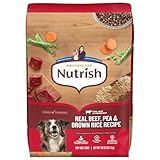
- REAL BEEF DOG FOOD RECIPE: Get ears perking up with every bowl of Rachael Ray Nutrish Beef Dog Food Recipe made with real beef as the #1 ingredient for a balanced meal
- ADULT DRY DOG FOOD: Turn each meal into a tail-wagging moment with this dry dog food for adult dogs, suitable for small, medium, and large adult dogs of all breeds
- VETERINARIAN REVIEWED FORMULA: This specially crafted dry dog food recipe is veterinarian reviewed and backed by our team of nutrition and dog experts
- NATURAL DOG FOOD: Natural food with added vitamins, minerals & nutrients for your dog's daily meals. Made with no artificial flavors, it offers real taste that dogs love
- RACHAEL RAY FOUNDATION: Each bag of dry dog food is made with purpose – ensuring nourishing adult dog food while helping support animals in need through The Rachael Ray Foundation
How do commercial, cooked homemade and raw diets compare?
The three approaches differ most in nutritional control, food-safety exposure and the amount of owner precision required.
| Option | Nutritional adequacy | Safety profile | Consistency and effort | Best fit |
|---|---|---|---|---|
| Commercial complete-and-balanced food | Designed to meet an AAFCO nutrient profile or supported by an AAFCO feeding trial when the label makes the adequacy claim. | Does not carry the specific raw-meat hazards identified by Merck; safe storage and handling are still necessary. | Standardized formula; portioning and calorie control remain the owner’s responsibility. | Most healthy dogs when the life-stage statement and calorie needs are appropriate. |
| Cooked homemade meals | Potentially adequate only when a board-certified veterinary nutritionist formulates the recipe and it is followed exactly. | Cooking avoids the specific raw-meat hazards, but an unbalanced recipe can cause chronic nutrient problems. | Requires precise weighing, specified supplements, careful storage and resistance to casual substitutions. | Owners able to follow a professional recipe, including dogs with selected medical or preference-related needs. |
| Raw homemade meals | Can be unbalanced unless professionally formulated. | Merck lists pathogen exposure, nutrient imbalance, dental injury, gastrointestinal obstruction and gastrointestinal perforation. WSAVA also warns about pathogen shedding and risks from preparation, storage and substitutions. | Highest food-safety and handling burden; a healthy-looking dog can still shed pathogens. | No dog should receive a raw plan without a veterinarian weighing its risks, particularly in households with vulnerable people or animals. |
How can I choose a commercial food safely?
Use the label as a screening tool, then match the food and portion to the individual dog.
- Find the nutritional adequacy statement. It should say the food is complete and balanced for a named life stage, such as adult maintenance or growth and reproduction. If it says intermittent or supplemental feeding only, it is not intended to supply the entire diet.
- Match the life stage. Puppies, pregnant dogs and nursing mothers have different requirements from healthy adults. Do not assume an adult-maintenance food covers growth or reproduction.
- Check calorie information. Two complete foods can have different calorie densities. Use the stated calories and your dog’s body condition to set a portion rather than comparing cups alone.
- Verify that the product is meant to be the sole diet. A topper, treat or complementary food can be useful in small amounts but should not silently replace the nutrients supplied by the complete food.
- Record manufacturer details. Keep the company’s contact information, lot code and package date. Those details make it possible to ask about formulation or respond quickly to a safety notice.
- Monitor the dog, not just the package. Track weight, body condition, stool quality, appetite, skin and coat, and energy. A persistent change warrants veterinary assessment rather than repeated brand switching.
Ingredient order can help explain a recipe, but it cannot replace the adequacy statement. A long list of recognizable ingredients does not prove that calcium, phosphorus, selenium, copper, zinc, vitamins or essential fatty acids are balanced.
Can I feed my dog homemade meals every day?
Yes, but daily homemade feeding should be treated as a formulated diet, not an improvised dinner. The American Animal Hospital Association (AAHA) reports that most recipes found in books and online are not complete and balanced, including some written by veterinarians. A board-certified veterinary nutritionist should create or check the recipe before it becomes the dog’s sole diet.
What a professionally formulated plan requires
- Provide a full medical and diet history. Give the nutritionist the dog’s age, weight, body condition, activity, diagnoses, medications, allergies, treats and current food.
- Use exact ingredients and weights. The recipe may specify a particular cut, fat level, cooking method or commercial supplement. Weigh ingredients rather than substituting by volume or intuition.
- Follow the supplement instructions. Calcium, trace minerals and vitamins are often the parts that make a recipe complete. Omitting or changing a supplement can alter the nutrient profile substantially.
- Do not make casual substitutions. Replacing one meat, oil, grain or vegetable with another changes calories and nutrient ratios. Ask the formulator for an approved substitute instead.
- Prepare and store food consistently. Follow the recipe’s cooking, cooling, refrigeration and freezing directions, and prevent cross-contamination between raw ingredients and ready-to-eat food.
- Review the recipe at least annually. AAHA recommends yearly updates because dogs age, health status changes and owners commonly alter ingredients or supplements over time.
When can a homemade diet be especially complicated?
Therapeutic diets for kidney, liver, gastrointestinal, urinary or endocrine disease may require narrow limits on nutrients or minerals. A recipe that was appropriate before a diagnosis can become unsuitable afterward. Puppies, pregnant dogs, nursing mothers, seniors with disease and dogs taking medication should receive individualized veterinary guidance rather than a generic internet recipe.
Also popular on Amazon

- 100% Complete and Balanced: Every bowl of this dry dog food serves 100% complete and balanced nutrition for your adult dog
- Protein Goodbites: Pedigree High Protein Adult Dry Dog Food with Real Beef and Lamb Flavor blends together wholesome kibble with Protein Goodbites, which are meaty-flavored pieces made with real beef
- Pet Food Made with Real Beef: This recipe has 25% more protein compared to Pedigree Adult Grilled Steak and Vegetable Flavor and is made with real beef, giving your dog the meaty taste they love
- Supports Everyday Health: This high-quality dry dog food recipe provides 36 vitamins, minerals, and nutrients to support your active dog's health and vitality
- Supports Healthy Digestion: Pedigree High Protein Adult Dry Dog Food with Real Beef and Lamb Flavor has prebiotic fiber to support healthy digestion, plus it is made with only natural flavors
What are the risks of raw homemade meals?
Raw feeding is not simply a fresher version of a cooked homemade diet. It adds a separate food-safety and physical-injury problem while retaining the formulation risk of any homemade plan.
Pathogens and shedding
Merck identifies exposure to foodborne pathogens as a risk of raw-meat diets. WSAVA advises clinicians to evaluate preparation, storage, recipe substitutions and the possibility that a dog will shed pathogens even when it appears healthy. Handling bowls, utensils, surfaces and waste therefore affects people and other animals in the household, not only the dog eating the meal.
Bones and physical injury
Merck lists dental injury, gastrointestinal obstruction and gastrointestinal perforation among raw-diet hazards. A bone that seems appropriate can fracture a tooth, lodge in the digestive tract or injure tissue. Grinding or choosing softer material does not eliminate the need for a veterinarian to assess the specific plan.
Nutrient imbalance
Raw recipes can miss the same vitamins and minerals as cooked recipes. Meat-heavy feeding does not automatically provide a balanced calcium-to-phosphorus ratio or adequate trace minerals. A raw plan should never be considered complete merely because it contains muscle meat, organs and bones.
How should puppies, pregnant dogs, seniors and sick dogs be fed?
Life stage and medical status can change the correct answer more than an owner’s preference for commercial or homemade food.
Also popular on Amazon

- Hard kibble dog food combined with tender, shredded pieces for taste and texture dogs love
- High protein dog food formula, with real chicken as the first ingredient
- Dry dog food fortified with guaranteed live probiotics for digestive and immune health
- Dog food formula used to be known as SAVOR Shredded Blend Chicken and Rice Formula
- Hard dog food with vitamin A and omega-6 fatty acids to nourish skin and coat
| Dog or situation | Why the choice needs extra care | Practical approach |
|---|---|---|
| Puppy | Growth is covered by a different AAFCO framework from adult maintenance; excesses and deficiencies can affect development. | Use a complete-and-balanced growth or all-life-stages food selected with veterinary advice, or a recipe specifically formulated for growth. |
| Pregnant or nursing dog | Reproduction has distinct nutrient and energy demands. | Choose a product labeled for growth and reproduction or obtain an individualized formulation; do not rely on an adult-maintenance label. |
| Healthy adult | Needs a dependable maintenance diet and appropriate calorie control. | A complete-and-balanced adult-maintenance food is the simplest default. A homemade plan is reasonable only with professional formulation and exact adherence. |
| Senior dog | Age alone does not define one nutrient profile, but disease becomes more common and can change requirements. | Have weight, muscle condition and medical status assessed before changing the diet. |
| Dog with disease or on a therapeutic diet | Specific nutrient limits, medications and laboratory results may determine what is safe. | Follow the treating veterinarian or veterinary nutritionist rather than adapting a general recipe. |
What if I mix homemade food with commercial food or use toppers?
Combining foods does not automatically correct an incomplete recipe. In the Dog Aging Project analysis, 45% of owners reported using a commercial diet or topper alongside home-prepared food, but the presence of a commercial product does not show that the combined daily ration met AAFCO standards.
If a complete food is the nutritional foundation, keep toppers and homemade additions small enough that they do not displace a substantial share of the balanced calories. If homemade food is intended to replace a meaningful portion of the ration, have the entire combination calculated by a veterinary nutritionist. Write down every treat, chew, oil, supplement and topper so the professional can assess the actual daily intake.
Independent reader supportYour contribution helps us test, update, and keep practical guides available for everyone.What mistakes make either feeding option unsafe?
| Common mistake | Why it causes trouble | Safer correction |
|---|---|---|
| Choosing a food by ingredient marketing alone | Words such as natural or premium do not demonstrate nutrient adequacy or life-stage suitability. | Read the complete-and-balanced statement and match the life stage. |
| Feeding an adult food to a puppy or reproducing dog | Adult maintenance and growth/reproduction have different nutrient frameworks. | Select the appropriate statement or obtain individualized advice. |
| Using an online homemade recipe without review | Most published recipes are incomplete, and deficiencies may be invisible initially. | Have a board-certified veterinary nutritionist formulate or check the recipe. |
| Changing ingredients because one is unavailable | Substitutions alter calories, minerals and vitamin concentrations. | Use only substitutions approved by the formulator. |
| Skipping or estimating supplements | Trace minerals and vitamins are often the nutrients a recipe misses. | Weigh and add the specified supplement exactly. |
| Assuming raw meat is safer than cooked food | Raw diets add pathogen exposure, shedding and physical hazards. | Discuss the risks with a veterinarian; do not feed raw by assumption. |
| Ignoring body condition because the ingredients look healthy | Calorie excess or deficiency can occur with either commercial or homemade diets. | Track weight and body condition and adjust portions with professional guidance. |
| Failing to update a long-used recipe | The dog’s age, health and available ingredients can change over time. | Review a homemade recipe at least annually and whenever health changes. |
How do I decide between commercial and homemade food?
Use the following decision path to keep the choice focused on safety and nutritional adequacy.
- Start with the dog’s needs. Identify life stage, body condition, activity, medical diagnoses, medications and any documented food reaction.
- For a healthy adult, begin with a complete-and-balanced adult-maintenance food. This provides a standardized nutritional baseline and avoids the calculation burden of homemade feeding.
- If you prefer homemade food, obtain professional formulation before replacing the commercial diet. Ask for precise ingredient weights, cooking instructions, supplements, storage directions and approved substitutions.
- Exclude raw feeding from the default choice. Evaluate pathogen, shedding, dental, obstruction and perforation risks separately, especially if children, older adults or immunocompromised people live in the home.
- Reassess when the dog or household changes. Growth, pregnancy, illness, medication, weight change or an inability to prepare the recipe consistently is a reason to revisit the plan.
The safest diet is the one that is nutritionally complete for the individual dog, prepared and stored safely, fed in an amount that maintains healthy body condition and followed consistently. For most healthy adult dogs, that means a properly labeled commercial food. A carefully formulated cooked homemade diet can work, but it demands the same precision as a therapeutic nutrition plan.
Frequently Asked Questions
What does “intermittent or supplemental feeding only” mean on a dog-food label?
That wording means the product is not designed to supply every nutrient when fed as the sole diet. It may be used as a treat, topper or part of a ration, but the remaining food must provide a complete-and-balanced foundation.
Also popular on Amazon

- Pedigree Goodness Promise: Every bowl of this dry dog food serves 100% complete adult nutrition supporting 6 health essentials, including digestion, immunity, skin & coat, heart, strong bones, and dental care
- Vitamin Goodbites: Pedigree Adult Dry Dog Food Roasted Chicken & Vegetable Flavor recipe includes Vitamin Goodbites pieces with elevated levels of essential vitamins for a nutrient boost your dog will love
- Highly Digestible Dog Food Recipe: Pedigree Adult Dry Dog Food Roasted Chicken & Vegetable Flavor provides prebiotic fiber to support healthy digestion
- Supports Healthy Immunity: This Pedigree dog kibble recipe is fortified with vitamins and minerals to support a healthy immune system
- High-Quality Pet Food: Pedigree dry dog food is a high-quality dog food recipe that provides protein to support strong muscles, including the heart
Can adding vegetables or organ meat balance a homemade dog diet?
No single ingredient reliably corrects all vitamin and mineral gaps. Adding foods without recalculating the recipe can dilute calories, change mineral ratios or create new excesses, so substitutions should be approved by a veterinary nutritionist.
Should treats and chews be included when a diet is evaluated?
Yes. Treats, chews, oils, supplements and toppers contribute calories and may contain nutrients that affect the overall balance. Give the nutritionist a complete daily inventory rather than describing only the main meals.
Recommended Free Tools
Can a healthy-looking dog hide a diet deficiency?
Yes. Weight, stool and coat can appear normal while a trace-mineral or vitamin shortfall develops gradually. Regular veterinary examinations and periodic review of a homemade recipe are more reliable than appearance alone.
What records should I bring to a veterinary nutrition appointment?
Bring the exact recipe, ingredient brands, weights, cooking method, supplement labels, feeding amounts, treats and recent medical records. Photos of package labels and a short feeding diary can help the nutritionist identify substitutions or portion changes.





Leave a Reply