A dog rash is a description of the skin, not a diagnosis. Rashes can result from parasites, infections, allergies, fungal disease, trauma, immune-mediated disease, or less commonly tumors, and more than one cause may be present. The safest home care is to prevent further skin damage while arranging veterinary advice; there is no general-purpose home remedy that treats every rash safely.
Do not assume a rash is an allergy or apply essential oils, leftover antibiotics, or human creams without veterinary advice. Seek emergency care for serious symptoms such as breathing trouble, facial swelling, collapse, or severe weakness.
As an Amazon Associate I earn from qualifying purchases.
When a dog rash is an emergency
Go to an emergency veterinarian immediately if a rash occurs with:
The Tool Desk
Outbyte PC Repair FREEClear out junk files and repair common Windows errorsFree Scan →Outbyte Driver Updater FREEScan for outdated or missing drivers - takes under a minuteDriver Scan →- Trouble breathing
- Marked swelling of the face or muzzle
- Collapse, inability to stand, or severe weakness
- Repeated vomiting or diarrhea after an insect sting, vaccination, or suspected exposure
- Possible poisoning
These signs can indicate anaphylaxis or another emergency. Do not wait to see whether a home remedy works.
#1 Best Overall

- HELPS SUPPORT HEALTHY SKIN - With a wash and soaking of the coat for 5-10 minutes, our powerful ingredients work to help soothe red, scaly, greasy, or smelly skin that may cause your pet discomfort
- FAST ACTING – Works fast to soothe your pet's sensitive skin that may be affected by environmental stressors
- VET-RECOMMENDED – This pet shampoo is pH balanced for your pet's skin and is paraben and soap-free to promote overall skin and coat health without damaging detergents
- FOR DOGS AND CATS – Our cat and dog shampoo is intended for pets over 12 weeks of age. Use twice weekly until skin clears up, then once a week to help maintain skin health
- APPLICATION: This product is intended for topical use only. Read directions carefully before applying to your pet's coat. Test on a small area to avoid further sensitivity before using
When to book a veterinary appointment
Arrange an appointment promptly for a persistent or rapidly spreading rash, continuous scratching, pain, hair loss, crusts, foul smell, pus, an open or draining wound, or recurrent ear infections. A wet lesion that grows noticeably over a few hours may be a hot spot and can become much larger through continued licking and chewing.
Merck Veterinary Manual lists a rash, persistent scratching, moderate itching, and excessive shedding among reasons to contact a veterinarian within 24 hours.
Common causes of rashes in dogs
Location, speed of onset, itch, seasonality, odor, and exposure history can offer clues, but appearance alone usually cannot confirm the cause.
Do these 3 things before closing this tab:
1Fix the driver behind crashes, sound loss and screen glitches2Repair Windows errors before they cause bigger problems3Scan for outdated or missing drivers - takes under a minute| Possible cause | Clues that may fit | Important point |
|---|---|---|
| Flea allergy dermatitis | Intense itching, especially around the tail base and rear body; hair loss or small scabs | A dog can react strongly to flea saliva even when live fleas are not obvious. |
| Environmental allergy | Recurring itch, paw licking or chewing, face rubbing, redness, hair loss, or recurring ear and skin infections | Triggers may include pollens, molds, dust mites, and dander. Atopic dermatitis is usually managed long term rather than cured. |
| Food allergy | Itching or recurring skin and ear problems; sometimes gastrointestinal signs | History and appearance cannot reliably distinguish food allergy from environmental allergy. |
| Bacterial or yeast infection | Odor, greasy skin, scaling, pustules, crusts, discharge, hair loss, or itchy feet and face | Infection may be primary or secondary to allergies, parasites, or damaged skin. |
| Hot spot | A rapidly developing, red, wet, painful, sometimes pus-containing patch | Self-trauma from licking, chewing, or scratching can make it enlarge dramatically within hours. |
| Sarcoptic mange | Sudden severe itching, redness, crusts, and hair loss, often on the abdomen, chest, ears, elbows, or hocks | It spreads among dogs and can cause an itchy infestation or rash in people. Negative skin scrapings do not always rule it out. |
| Ringworm | Hair loss, scaling, crusting, redness, or small bumps; itch may vary | It is a fungal infection, not a worm, and can spread to people and other animals. |
| Contact irritation or hives | Localized redness or raised welts after a new shampoo, plant, chemical, bedding, medication, sting, or vaccine | Facial swelling or whole-body symptoms require urgent care. |
Less common causes include autoimmune disease, deep bacterial infection, unusual fungal disease, endocrine disease, and skin tumors. Persistent, recurrent, painful, ulcerated, blistering, nodular, or nonhealing lesions warrant veterinary examination rather than prolonged home treatment.
Rank #2
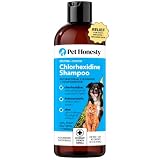
- A HEALING CLEAN : Yes, it’s shampoo for dogs! Yes, it’s shampoo for cats! And yes, it’s shampoo that cleans & heals! It soothes irritated skin, providing itch relief for cats, & dogs. An effective shampoo for dogs with allergies & cats, it promotes a shiny coat, reduces inflammation, & helps heal hot spots. This cat & dog antibacterial shampoo also reduces smelly odors associated with bacteria & fungus. Basically, our cat & dog shampoo for yeast & itching is 16 ounces of a better clean routine.
- FROM THE INSIDE OUT: Made with a veterinary strength formula, our shampoo for dogs with itchy skin & cats is made with soothing aloe & without sulfates, parabens, phthalates, alcohol, & artificial colors. Our shampoo with chlorhexidine & ketoconazole for dogs & cats is a gentle, safe & effective way to help heal skin issues while keeping your pet comfortable & clean.
- THE PET, PET WASH: You know our cat & dog shampoo for sensitive skin provides relief for itchy skin, soothes irritated & inflamed skin, targets smelly odors, & promotes a shiny coat. But did you know that’s it’s the #1 chlorhexidine shampoo on Amazon*? Don’t wait to give your pet the healing wash they deserve. *Based on Stackline Atlas data (had to combine all grooming & other pet health supplies to capture entire market*L52W as of December 2024
- ON THE RIGHT SCENT: Not only does our medicated dog shampoo for itchy skin soothe irritation, promote a health coat & leave your pet feeling fresh & clean, it also has a light cucumber melon scent that helps with unpleasant odors from fungus & bacteria.
- THE HONEST DIFFERENCE: Our products are made with clean, science-backed ingredients for results you can trust, & with no fillers, artificial preservatives, colors, or flavors, you'll have no doubt your dog is getting the best. Proudly supporting pets in need nationwide & using recycled plastic in our packaging, there's also no doubt that we're committed to doing our best. -- All products are made in the U.S.A. | NASC Member Company
What a veterinarian may do
A useful appointment starts with a detailed history and skin examination. Be ready to explain:
- When the rash began, where it started, and whether it is spreading
- How much the dog is licking, chewing, or scratching
- Whether the problem is seasonal or recurrent
- Recent food, treats, supplements, medications, vaccines, grooming products, travel, outdoor exposure, and contact with other animals
- When flea prevention was last given and which product was used
- Whether other pets or people in the home are itchy or have skin lesions
Depending on the findings, the veterinarian may perform:
- Skin scrapings to look for mites
- Skin cytology to identify bacteria or yeast
- Flea evaluation
- Fungal testing, such as direct examination, culture, or PCR, when ringworm is suspected
- Bacterial culture for selected or recurrent infections
- A veterinarian-directed elimination diet and food challenge
- Bloodwork or a skin biopsy when the pattern suggests systemic, immune-mediated, or unusual disease
Allergy blood tests and intradermal tests do not, by themselves, diagnose atopic dermatitis or food allergy. They are generally used to identify environmental allergens for immunotherapy after other causes have been evaluated.
Quick wins for a faster PC:
Clear out junk files and repair common Windows errorsFree Scan →Scan for outdated or missing drivers - takes under a minuteDriver Scan →Repair Windows errors before they cause bigger problemsFix Now →How dog rashes are treated
Treatment depends on the cause:
- Fleas or mites: Use an effective veterinary-recommended parasite-control plan for the affected dog and, where appropriate, other animals in the household.
- Bacterial or yeast infection: The veterinarian may prescribe topical or systemic treatment suited to the organism and severity. Treating an underlying allergy or parasite problem may also be needed to prevent recurrence.
- Ringworm: Treatment may combine medication for the dog with environmental cleaning and measures to reduce spread. Treatment may take 6–12 weeks.
- Food allergy: Confirmation requires a strict elimination diet followed by a controlled food challenge. Treats, table food, flavored medicines, and supplements can invalidate the trial.
- Environmental allergy: Management may combine bathing or other topical care with itch-control medication, treatment of secondary infections, trigger reduction, and sometimes allergen-specific immunotherapy. Atopic dermatitis commonly needs ongoing monitoring and can flare periodically.
- Hot spots: The area may need professional clipping and cleaning, along with treatment for infection, parasites, allergy, or another trigger. Painful lesions may make home clipping unsafe.
Veterinary allergy treatments can include topical therapy, glucocorticoids, oclacitinib, cyclosporine, lokivetmab, and allergen-specific immunotherapy. The appropriate choice depends on the dog’s diagnosis, age, health, infection status, and treatment goals.
Rank #3

- Supports healthy skin for animals
- Formulated for dogs, cats and horses
- Supports restoring dry, damaged skin
- Made in the USA.
Safe home care while you arrange help
- Stop self-trauma. Use an Elizabethan collar or another veterinarian-approved barrier to prevent licking and chewing, especially for wet or rapidly enlarging lesions.
- Keep the area clean and dry. Use only products labeled for dogs or specifically recommended by a veterinarian. Topical care may help with surface problems but will not identify or cure the underlying cause.
- Take photographs. Photograph the rash in good light, ideally with a familiar object for scale. Repeat from the same angle to track whether it is spreading.
- Write down the timeline. Record foods, treats, medications, grooming products, outdoor exposure, travel, contact with other animals, and flea-prevention dates.
- Reduce possible exposure. Stop using a new shampoo, detergent, bedding, or topical product until your veterinarian advises you. If the dog is stable, avoid making multiple changes at once so the history remains useful.
- Use precautions around contagious disease. If ringworm or mange is possible, limit contact with other pets, wash your hands after handling the dog, and ask your veterinarian about cleaning and household precautions.
Do not shave a painful or wet rash at home. In particular, do not use scissors on a hot spot: they can cut fragile skin. Clipping may be painful and may need to be performed by a veterinary professional, sometimes with sedation.
Home remedies to avoid
Tea tree oil and concentrated essential oils
Do not apply tea tree oil or concentrated essential oils directly to a dog’s skin. A dog can be poisoned through skin exposure or by licking the product. Reported effects include weakness, incoordination, vomiting, low body temperature, tremors, seizures, breathing problems, organ injury, and skin irritation. Contact a veterinary poison service or emergency veterinarian if exposure has occurred.
Human creams and medicines
Human products are not automatically safe for dogs. Dogs may lick topical creams, and some ingredients can be toxic or interfere with treatment. Ask a veterinarian before using hydrocortisone, antibiotic ointment, antifungal cream, pain medicine, or any other human product.
Outdated Drivers Are Slowing You Down
One free scan finds every outdated or missing driver and matches the right update for your exact hardware.Free scan · exact hardware matchPC Slower Than It Used to Be?
A free scan shows the junk files, broken settings and background clutter dragging Windows down - then fixes them in one click.Free scan · Windows 10 & 11Antihistamines without veterinary direction
Antihistamines are not a reliable universal treatment for canine itching, and research does not support them as a dependable itch-relief treatment in dogs. Products may also contain additional ingredients that are unsafe. Do not use a human product or dose unless your veterinarian has advised you.
Rank #4

- Supports healthy skin for animals with conditions
- Helps prevent and treat fungal skin
- Can be used on cats, dogs and horses
Leftover antibiotics
Red skin does not prove that bacteria are responsible. Leftover antibiotics may be the wrong medication, mask important signs, cause side effects, or contribute to resistance. A veterinarian should select the drug and duration after assessment.
How to think about a rash at home
Location can offer a starting clue, but it cannot establish a diagnosis. Tail-base itching raises suspicion for fleas; paw licking and face rubbing often occur with allergies; a foul-smelling, greasy rash may involve yeast; and a circular area of hair loss may occur with ringworm. These patterns overlap, and mange, infection, and allergy can look similar. A secondary infection can continue causing itch after the original trigger has gone.
The practical goal is not to diagnose a rash from a photograph or choose a universal remedy. Prevent further injury, look for urgent warning signs, avoid hazardous products, and give the veterinarian an accurate timeline.
What’s actually slowing this PC down?
Pick the symptom - the matching free tool is one click away.
Sources
- Merck Veterinary Manual: Dermatological problems in animals
- Merck Veterinary Manual: Itching in dogs
- AAHA: Management of allergic skin diseases in dogs and cats
- Cornell University College of Veterinary Medicine: Atopic dermatitis
- VCA Animal Hospitals: Hot spots in dogs
- Pet Poison Helpline: Tea tree oil
FAQ
What can I put on my dog’s rash at home?
While arranging veterinary care, prevent licking and chewing, keep the area clean and dry, and use only a product labeled for dogs or recommended by your veterinarian. Do not apply tea tree oil, concentrated essential oils, human creams, or leftover medication.
Best Value

- CLINICALLY PROVEN RESULTS: DOUXO S3 is proven to show results in as soon as 7 days.
- ANTISEPTIC CHLORHEXIDINE DOG SHAMPOO FOR YEAST AND BACTERIAL SKIN INFECTIONS: Formulated for dogs with bacterial or yeast skin infections – DOUXO S3 PYO chlorhexidine dog shampoo provides an antiseptic cleansing while hydrating the skin.
- #1 TOPICAL BRAND RECOMMENDED BY VETS: Confirmed by veterinary and scientific expertise. DOUXO provides the best and the safest care for your pet.
- ENRICHED WITH OPHYTRIUM: Contains 0.5% Ophytrium, a purified, natural ingredient that helps soothe irritated skin and support skin hydration.
- FREE FROM soaps, sulphates, parabens, colorants, nanoparticles, and phthalates.
How can I tell whether my dog’s rash is an allergy?
You usually cannot tell reliably from appearance alone. Fleas, mites, bacterial or yeast infections, ringworm, and other diseases can resemble allergies. A veterinarian may use skin tests, cytology, parasite evaluation, and, when appropriate, a strict elimination diet and food challenge.
Can I give my dog an antihistamine for itching?
Do not give an antihistamine or choose a dose without veterinary direction. Antihistamines are not a dependable itch treatment for dogs, and some human products contain ingredients that may be dangerous.
Are dog rashes contagious to people or other pets?
Some are. Ringworm can spread to people and animals, and sarcoptic mange spreads among dogs and can cause an itchy infestation or rash in people who contact an infested dog. Ask your veterinarian about isolation, handwashing, and cleaning if either condition is possible.
Free tools Windows power users keep installed
One-click scans. No signup required.
When should I take my dog to the vet for a rash?
Seek emergency care for breathing trouble, marked facial swelling, collapse, inability to stand, severe weakness, repeated vomiting or diarrhea after a sting or vaccination, or possible poisoning. Arrange prompt veterinary care for a persistent, spreading, painful, wet, odorous, or draining lesion.
A dog rash needs a cause-specific plan, not a universal home remedy. Prevent licking, keep the skin dry, avoid oils and human medications, and document changes for your veterinarian.
Quick Recap
Product prices and availability are accurate as of the date/time indicated and are subject to change. Any price and availability information displayed on Amazon at the time of purchase will apply.




