
Quick wins for a faster PC:
Repair Windows errors before they cause bigger problemsFix Now →Scan for outdated or missing drivers - takes under a minuteDriver Scan →Some links on this page are affiliate links: if you buy through them we may earn a commission, at no extra cost to you.
For dry chill, brief outings, or extra warmth indoors, a well-fitted dog sweater is usually enough. Choose a dog-specific winter coat when rain, snow, wind, freezing conditions, or a long time outside is involved. The right choice depends on your dog’s size, age, coat, health, acclimation and behavior as well as the weather. Small, short-haired, lean, young, senior and medically affected dogs lose heat faster; thick-coated dogs often tolerate short outings better, but no coat makes a dog immune to hypothermia or frostbite in extreme exposure.
Think of a sweater as an insulating layer and a coat as weather protection with insulation. Fit is a safety requirement, and your dog’s body language matters more than a temperature number that cannot account for every dog and every outing.
As an Amazon Associate I earn from qualifying purchases.
Free tools Windows power users keep installed
One-click scans. No signup required.
Do dogs need sweaters or jackets in winter?
Some dogs need clothing for comfort and safety, while others do not need it for short, dry walks. Cornell University’s veterinary guidance says cold tolerance varies with age, size, nutritional status, health and coat thickness. The sensible decision combines those traits with wind, precipitation, ground conditions, time outside and what your dog is actually showing you.
Cold tolerance is individual
Give extra consideration to clothing for:
- Small-bodied dogs, whose higher surface-area-to-volume ratio can make heat loss faster.
- Puppies that are still developing temperature regulation.
- Older dogs, which may have less muscle, lower activity or conditions that reduce heat tolerance.
- Short-coated, thin-coated or recently clipped dogs.
- Lean breeds, including greyhound-type dogs with little body fat and a fine coat.
- Short-legged dogs whose bellies and chests are close to snow, slush and cold ground.
- Dogs with illnesses or medications that affect circulation, metabolism or temperature regulation.
A thick double coat can provide substantial insulation, but it is not a guarantee. The American Kennel Club cautions that even heavily coated dogs remain vulnerable to hypothermia and frostbite during extreme or prolonged exposure. Wet fur, strong wind and inactivity can overwhelm natural insulation.
Popular on Amazon

- COMFORTABLE & WARM DOG VEST JACKET: This dog winter jacket is made of high-quality water-resistant fabric with fleece lining. The windproof dog fleece vest can keep your dog warm when outdoors. It is suitable for indoor and outdoor activities
- REFLECTIVE DOG COAT WITH HARNESS BUILT IN: There is a reflective strip on the neckline of the large dog coat, which can position your dog in the dark and keep them safe. There are two D-rings on the back, which can be attached to a leash or poop bag
- PLUSH TURTLENECK LARGE DOG COAT: The thick and soft fur collar is soft to the touch. The turtleneck collar can protect the dog's neck in cold weather. There is an elastic drawstring on the collar that can adjust the tightness and prevent wind and snow
- CREATIVE DESIGN: The back zipper closure is not easy to jam the dog's hair. The elastic band on the abdomen will not let your dog have a sense of oppression, with thickened edges on the cuff, which will not hurt the dog due to pulling. Machine washable
- IDEAL DOG COLD WEATHER COATS: The dog clothes have thirteen colors and seven sizes (XS-3XL)to select, almost suitable for all breed dogs, such as Yorkie, Shih Tzu, Boxer, Border Terrier, Great Dane, Labrador, Pitbull, Bulldog, Doberman, etc
Why there is no universal “too cold” temperature
Published veterinary and welfare guidance does not establish one temperature cutoff that applies to every breed and situation. A still, dry day and a windy, wet day at the same air temperature create different risks. A dog that is acclimated to winter may cope differently from one that normally lives indoors, and a ten-minute toilet break is not equivalent to an hour of running or standing still.
Use the forecast as a warning signal, not a permission slip. Shorten the outing, add protection or return indoors when your dog’s behavior changes. That approach is more reliable than relying on a single thermometer reading.
The Tool Desk
Outbyte PC Repair FREEClear out junk files and repair common Windows errorsFree Scan →Outbyte Driver Updater FREEFix the driver behind crashes, sound loss and screen glitchesFind Drivers →What is the difference between a dog sweater and a winter coat?
A sweater primarily adds insulation. A winter coat or jacket is designed to block weather as well as retain heat, so it is the better tool for wet, windy, snowy or prolonged exposure. Product names are not standardized, so judge the fabric, coverage and construction rather than the label alone.
| Feature | Dog sweater | Winter coat or jacket |
|---|---|---|
| Main job | Adds a warm layer in dry conditions or indoors | Shields the dog from rain, snow and wind while adding insulation |
| Weather resistance | Often breathable but may absorb water; verify the fabric | Normally has a water-resistant or waterproof outer layer; verify the manufacturer’s specification |
| Best use | Dry cold, brief walks, resting in a chilly room | Wet weather, strong wind, freezing conditions or longer outings |
| Coverage | Usually covers the torso; neck, chest and belly coverage varies | Typically extends farther over the back and chest, with adjustable closures and sometimes belly or leg panels |
| Warmth | Light to moderate insulation, depending on knit or fleece thickness | Insulation can be combined with a wind- and water-blocking shell |
| Mobility and toileting | Should permit full stride and easy elimination | Must do the same; bulk, straps and belly panels need special checking |
| Visibility and adjustability | May have limited reflective detail or adjustment | Often offers reflective trim, fasteners and adjustment points, but features differ by design |
When a sweater is the practical choice
Choose a breathable sweater for a dry, cool walk when your dog chills easily, for a recently clipped dog in mild conditions, or for a dog that needs an extra layer while resting indoors. It should sit smoothly without squeezing the neck or chest and should stay dry. A damp sweater can conduct heat away from the body, so remove it and dry your dog if it becomes wet.
When a coat is the safer choice
Use a weatherproof coat for rain, sleet, snow, wet grass, strong wind or a long time outside. The outer fabric should shed precipitation, and the design should cover the back and chest without restricting the shoulders. A coat is also useful when snow or slush repeatedly wets a low-slung dog’s underside.
Also popular on Amazon

- Durable Protection For Active Dogs: Durable dog coat with iconic roots for the hardest working dogs. Fully insulated firm-hand duck canvas perfect for dogs who need a tough, reliable dog winter jacket in cold, windy conditions
- Built For Tough Conditions: Built with heavy duty firm-hand duck canvas the 12-Ounce exterior shell is crafted to handle the toughest outdoor conditions, offering durability and protection against wind and cold weather. The triple needle stitch on main seams ensures a long lasting product
- Insulated Interior For Cold Weather| Designed as a dog winter coat, this insulated dog jacket features a quilted liner and corduroy-lined collar for added warmth, keeping your dog comfortable even in cold temperatures. Warmer than a traitonal dog puffer jacket
- Easy To Adjust And Wear: The improved neck and chest tabs, along with loop-lined straps for chest and waist, ensure a secure, adjustable fit for small, medium, and large dogs
- Sizing: Offering dog jackets for small dogs(Chest Girth: 16"- 21"), dog jackets for medium dogs (Chest Girth 22"- 28"), dog jackets for large dogs (Chest Girth 25"- 38"), and dog jackets for extra large dogs (Chest Girth 30"- 45") See sizing chart in images
Why “jumper,” “jacket” and “coat” can be confusing
Welfare organizations may use those words broadly. The RSPCA, for example, discusses a jacket, coat or jumper while emphasizing comfortable fit and normal behavior. Two products with different names can perform the same job, while two products called “coats” can have very different insulation and waterproofing. Read the specification and inspect the actual coverage.
Which dogs are most likely to need extra winter protection?
Prioritize an individual assessment for dogs that have less insulation, a greater exposed surface area, limited ability to generate heat or a medical reason to lose heat quickly.
Small, young and short-coated dogs
Toy and small breeds often cool quickly, especially when standing on cold pavement or snow. Puppies have immature regulation and may not communicate discomfort clearly. Dogs with a fine or sparse coat, including many short-haired breeds, generally benefit from a layer sooner than a heavily coated adult.
Lean, short-legged and recently clipped dogs
Lean dogs have less insulating body fat. Short legs bring the belly close to frozen ground, slush and salt. Clipping can remove insulating hair just when temperatures fall, so a dog that normally manages winter may need protection after a trim.
Senior or medically affected dogs
Age-related muscle loss, arthritis, reduced activity and some illnesses can make cold harder to tolerate. Ask your veterinarian whether a diagnosed condition or medication changes your dog’s winter plan; clothing should support, not replace, medical advice.
Also popular on Amazon
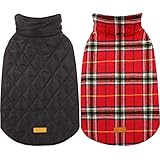
- PERFECT FIT FOR ALL DOGS: Kuoser dog winter coat comes in 7 sizes to fit breeds like Yorkie, Shih Tzu, Boxer, Border Terrier, Great Dane, Labrador, Pitbull, Bulldog, Doberman, etc. Make sure to measure your pet accurately to ensure the perfect fit. If in doubt, size up for optimum comfort
- WEATHERPROOF: Our dog jacket is made of windproof and waterproof polyester to protect your furry friend from bad weather (The solid-colored side is waterproof). The double-layer fleece lining guarantees maximum warmth for indoor and outdoor activities. Kuoser dog cold weather coats is an ideal pick for chilly weather
- REVERSIBLE & ADJUSTABLE: With easy-to-use magic stickers around the neck and belly, the Kuoser warm dog vest is reversible for versatility. The elastic band around the belly keeps your dog comfortable while wearing our clothes without tight constriction.
- CONVENIENT LEASH HOLE: A reserved leash hole is designed on the upper back of the dog coat. You can directly connect the dog leash or harness without removing the whole jacket, which brings great convenience for daily walking and outdoor activities
- CLASSIC PATTERN: Our Kuoser dog winter snowsuit comes in 16 different colors of a vintage British-style plaid pattern. It's a must-have for any cold-weather occasion like Christmas, Thanksgiving Day, Halloween, or misty rainy days. Keep your dog warm in style
Thick-coated dogs still need observation
A dense coat can make a short, active outing comfortable, but wet fur, wind and extended exposure remain hazards. Do not assume a northern or double-coated breed can stay outside indefinitely, and watch for changes in gait or behavior even when the coat looks substantial.
How do you choose the right sweater or coat?
Start with the outing, then select a garment whose construction solves that problem. For dry chill, prioritize breathable insulation. For precipitation or wind, prioritize a weather-resistant shell over the insulating layer. In every case, mobility, toileting and accurate sizing matter more than decorative features.
Match the garment to the conditions
| Situation | Useful starting point | What to verify |
|---|---|---|
| Cool, dry indoor room | Light sweater if the dog is visibly cold | Breathable fabric, relaxed neck and no overheating while resting |
| Dry, brief outdoor break | Sweater for a small, short-haired, lean or clipped dog | Free shoulder movement and a clear toilet area |
| Cold wind | Coat with a wind-blocking outer layer | Coverage over the chest and back; secure closures that do not flap |
| Rain, sleet or wet snow | Waterproof or water-resistant dog coat | Seams, opening design and belly coverage that limit water entry |
| Longer winter outing | Insulated weatherproof coat, with boots considered separately | Warmth, visibility, adjustability and the dog’s ability to move normally |
| Snow, ice or salt-treated pavement | Coat plus paw protection or a paw-cleaning routine | Boot tolerance, secure fit and easy removal after the walk |
Features worth checking before purchase
- Weather resistance: Look for a stated water-resistant or waterproof outer material when precipitation is expected; a knitted sweater alone is not a rain shell.
- Coverage: The garment should protect the back and chest and, where designed to do so, the belly without dragging in snow or interfering with elimination.
- Freedom of movement: Shoulder and elbow areas need room for a normal stride, running and sitting. Leg openings must not rub.
- Fasteners and adjustability: Closures should stay secure but allow you to fine-tune the fit over fur and a harness.
- Visibility: Reflective panels or bright fabric can make a dog easier to see in short winter daylight, but they do not substitute for a leash and supervision.
- Washability: Choose a garment you can clean according to its care label, particularly if it will contact mud, salt or wet snow.
- Harness and collar compatibility: Ensure the leash attachment remains accessible and that straps do not press on the throat.
How to measure your dog
Manufacturers do not use identical sizing, so take measurements and then compare them with the specific brand’s chart.
- Have your dog stand naturally on a level surface.
- Measure back length from the base of the neck, where the collar normally rests, to the base of the tail. Do not measure to the tail tip.
- Measure the widest part of the chest, usually immediately behind the front legs, while the tape lies flat without compressing the coat.
- Measure the neck if the chart requests it, keeping the tape comfortably loose.
- Use the largest relevant measurement and the manufacturer’s stated range rather than choosing by breed name or weight alone.
How to perform a fit check
- Slide two fingers under the neck and chest areas; the fabric should not pinch or force the head into an unnatural position.
- Watch several steps, a turn, a sit and a lie-down. The garment should not twist, bunch behind the elbows or alter the stride.
- Confirm that the dog can urinate and defecate without contacting the fabric.
- Check that zippers, buckles and seams do not rub the armpits, groin or base of the tail.
- Inspect under the garment after the first short use for redness, dampness, tangled fur or pressure marks.
How can you introduce clothing without stressing your dog?
AAHA recommends gradual introduction because some dogs dislike the sensation or sound of clothing. A slow process also reveals fit problems before a cold-weather outing.
- Place the garment near your dog’s bed or feeding area for a day so its smell and appearance become familiar.
- Reward calm investigation, such as sniffing, without forcing the dog to put its head through an opening.
- Touch the sweater or coat to the shoulders and sides, reward relaxation, then remove it.
- Put it on for a few seconds indoors. Pair the experience with a favorite treat or quiet play.
- Increase wearing time in small increments while checking gait, posture and breathing.
- Practice attaching the leash and harness, sitting, turning and toileting before going outside.
- Start the first outdoor session with a short route close to home. Remove the garment if the dog freezes, repeatedly paws at it, backs away or shows distress.
Never leave a dressed dog unsupervised around heating equipment, crates, fences or other places where fasteners can snag. Clothing is an aid for a supervised outing, not a reason to extend exposure.
Also popular on Amazon

- Waterproof Dog Fleece Jacket: SUNFURA dog coat is lined with soft polar fleece for extra warmth and comfort during chilly days. In addition, a windproof furry collar with elastic drawstring built-in to keep your furry friend warm when walking
- Zip Up & Easy to On and Off: Our small to large dog jacket winter comes in a zippered closure, which is easy to put on and take off. In addition, a liner under the zipper ensures that the dog's hair is not easily stuck
- Reflective Trims for Additional Visibility: The reflective strip is on the back of the dog fleece sweater coat, providing enhanced visibility in the case of oncoming headlights and ensuring dogs' safety in low light conditions
- Dog Coat with Harness Built In: This waterproof dog winter jacket features a built-in harness and sturdy D-ring for easy leash attachment, ensuring your pup stays secure and comfortable during walks and outings
- Suitable for All Breeds of Dogs: SUNFURA winter dog padded vest is suitable for small medium large dogs. Such as Labrador Retriever, Golden Retriever, Doberman, Boston Terrier, West Highland, French Bulldog, Jack Russel, Yorkshire
How do you know if your dog is too cold outside?
Watch behavior and body language continuously. A dog may be cold before the coat feels cold to your hand, and some dogs become quiet rather than dramatic.
| What you observe | What it can mean | What to do |
|---|---|---|
| Shivering, whining, tucked posture or repeatedly seeking shelter | Early cold stress or discomfort | End the outing, move indoors and dry or warm the dog gradually |
| Picking up paws, limping from cold ground or reluctance to walk | Paws or body are becoming too cold; ice, snow or salt may also hurt | Stop, check the paws, remove ice or debris and return to a warm, dry place |
| Sudden anxiety, weakness, drowsiness or confusion | More serious cold injury may be developing | Contact a veterinarian promptly while warming gradually |
| Pale or cool skin, slow breathing or collapse | Possible hypothermia or frostbite emergency | Seek urgent veterinary care; do not apply direct high heat |
| Persistent panting, heavy drooling or restless attempts to remove the garment | Overheating or an overly warm, poorly ventilated layer | Remove the garment, move to a comfortable environment and seek veterinary advice if signs persist |
What to do when cold stress is suspected
- End the walk immediately and carry a small dog if walking is no longer comfortable.
- Bring the dog into a dry, warm room and remove wet clothing.
- Dry the coat with towels and wrap the dog in dry blankets.
- Warm gradually; avoid hair dryers on high heat, heating pads, hot-water bottles or other direct heat that can burn chilled skin.
- Call a veterinarian for weakness, unusual drowsiness, confusion, pale or cool skin, slow breathing, collapse or any concern about frostbite.
Do dogs need boots as well as a sweater or coat?
Boots address a different problem: contact with ice, snow, frozen ground and de-icing salt. Cornell notes that small, short-haired dogs may need boots for longer exposure and that dogs walking on salt-treated surfaces may need boots or careful paw washing. A coat cannot protect paw pads.
When boots are useful
- Long walks on icy or snow-covered surfaces.
- Areas treated with salt or chemical de-icers.
- Dogs that lift their feet or develop irritated pads in winter.
- Dogs whose paws collect packed snow between the toes.
Introduce booties indoors using the same gradual approach as clothing. They should be secure without cutting into the leg, and you should remove them if they cause altered gait or distress.
Recommended Free Tools
Post-walk paw care
AAHA recommends wiping paws after winter walks to remove salt and debris, drying between the toes and considering a pet-safe paw balm. Check for cracks, redness, swelling, ice balls and tenderness. If your dog will not tolerate boots, diligent paw cleaning can still reduce exposure to residues, but it does not replace supervision on very cold or icy ground.
Independent reader supportYour contribution helps us test, update, and keep practical guides available for everyone.What should your dog wear in common winter conditions?
Use this decision guide as a starting point, then adjust for your dog’s behavior and health.
Also popular on Amazon
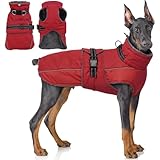
- SNOW & WATER RESISTANT DOG COAT: The dog winter coat is made of premium water-resistant fabric with fleece lining. The windproof dog jacket turtleneck design can keep the dog warm even in cold weather. Ideal for indoor and outdoor activities
- EASY TO WEAR: Quick release buckle and adjustable strap on back make the large dog coat easy to put on and take off. There are adjustable elastic straps on collar that can adjust the tightness and prevent wind and snow. QBLEEV dog clothes can machine washable
- REFLECTIVE DOG COAT WITH HARNESS BUILT IN: This dog winter jacket is designed with reflective strips, which ensuring your dog's safety in low-light conditions. There are two D-rings on the neck, which can be attached to a leash, making outdoor walking more convenient
- WATERPROOF THERMAL DOG JACKET FOR COLD DAYS: Our dog cold weather coats are great for walking, hiking, running, climbing, snow skiing, jogging, camping. Also provides optimal warmth and dryness in foggy, lightly rainy, and snowy conditions. QBLEEV warm dog coat is ideal for winter daily wear
- 6 SIZES AVAILABLE FOR SMALL MEDIUM LARGE DOGS: S, M, L, XL, XXL, XXXL. The fleece dog coat fits for nearly all kinds of breed furry friend. Such as Chihuahua, Beagle, Poodle, Bulldog, Schnauzer, Labrador, Golden Retriever, Teddy, Yorkshire Terrier, Maltese, Pekingese, Pomeranian, Cocker Spaniel, Jack Russel, Pug, Husky, Samoyed, Boston Terriers, etc
| Conditions and outing | Likely approach | Stop or change plan when |
|---|---|---|
| Chilly room, dog resting | Light sweater only if the dog seeks warmth or shows discomfort | The dog pants, cannot settle or feels hot under the layer |
| Dry morning toilet break | No clothing for a comfortable thick-coated dog; sweater for a vulnerable or visibly cold dog | The dog shivers, lifts paws or refuses to continue |
| Cold, windy walk | Weatherproof coat for vulnerable dogs; keep the route shorter than usual | Wind penetrates the garment or the dog becomes reluctant to move |
| Rain or wet snow | Waterproof dog coat; dry the dog promptly afterward | The coat becomes saturated, rubs or traps moisture against the skin |
| Deep snow or icy trail | Insulated coat and, if tolerated, boots; avoid prolonged standing | Paws are lifted repeatedly, snow packs between toes or gait changes |
| Salt-treated sidewalks | Coat as needed plus boots or immediate paw wiping and washing | Pads look irritated or the dog licks them persistently |
What mistakes make winter clothing less safe?
- Choosing by breed or weight alone: Individual coat, body condition, age, health and behavior are more informative than a label such as “small breed.”
- Assuming waterproof means warm: A shell can block rain and wind but may have little insulation. Match the lining and insulation to the cold and activity level.
- Ignoring wet fabric: Remove and dry a soaked sweater or coat; moisture against the body can increase heat loss and cause rubbing.
- Leaving the toilet area covered: A garment that forces the dog to soil itself will create discomfort and skin problems and does not meet the basic fit requirement.
- Overlooking movement: A coat that looks secure while standing may restrict a trot, jump or turn. Observe normal movement before a long outing.
- Extending the walk because clothing is on: Clothing reduces exposure but does not eliminate cold injury risk. Keep watching the dog.
- Skipping paw checks: Salt, ice and packed snow can injure pads even when the torso is warm.
When should a veterinarian assess a cold-exposed dog?
Seek veterinary help promptly when a dog shows weakness, marked drowsiness, confusion, pale or cool skin, slow breathing or collapse after cold exposure. Frostbite can be difficult to judge immediately, so ask for advice if ears, tail, paws or other extremities become unusually pale, cool, swollen or painful. Warm the dog gradually while arranging care and never rub suspected frostbitten tissue or apply intense direct heat.
A veterinarian can also help design a winter plan for a senior dog, a puppy, a very lean dog or one with a condition that affects circulation or temperature regulation. Bring the garment to an appointment if you suspect it is causing rubbing, anxiety or overheating; the fit and material can be evaluated alongside the medical issue.
Frequently Asked Questions
Can my dog wear a sweater under a winter coat?
Layering can work for a very cold, dry outing only when the outer coat is designed to fit over the inner layer without compressing the chest or restricting the shoulders. Check the combined fit, keep the toilet area clear and watch for panting or damp fur; remove a layer if the dog becomes warm.
How long can a dog stay outside in winter?
There is no safe universal duration because risk changes with wind, moisture, activity, acclimation, body size, coat and health. Plan short, supervised intervals and return indoors at the first behavioral sign of discomfort rather than extending the time because the dog is wearing clothing.
Should a dog wear a sweater indoors at night?
Only if the room is genuinely chilly and the dog appears uncomfortable or seeks constant external warmth. Use a light, breathable layer, allow the dog to move away from heat, and remove it if the dog pants, cannot settle or develops dampness under the fabric.
Are fleece sweaters waterproof?
Fleece and knitted fabrics can provide insulation but generally are not substitutes for a waterproof shell. In rain or wet snow, use a coat with a stated weather-resistant outer layer, or keep the outing brief and dry the dog immediately.
PC Slower Than It Used to Be?
A free scan shows the junk files, broken settings and background clutter dragging Windows down - then fixes them in one click.Free scan · Windows 10 & 11Outdated Drivers Are Slowing You Down
One free scan finds every outdated or missing driver and matches the right update for your exact hardware.Free scan · exact hardware matchHow do I remove road salt safely after a winter walk?
Wipe each paw with a damp, clean cloth, rinse if residue remains, and dry carefully between the toes. Inspect for cracks or redness and prevent persistent licking; contact a veterinarian if the pads are painful, swollen or injured.





Leave a Reply