
Do these 3 things before closing this tab:
1Scan for outdated or missing drivers - takes under a minute2Repair Windows errors before they cause bigger problems3Fix the driver behind crashes, sound loss and screen glitchesSome links on this page are affiliate links: if you buy through them we may earn a commission, at no extra cost to you.
No—there is no sound reason to reject a shelter dog because its coat is black. “Black dog syndrome” describes the belief that black dogs are adopted more slowly, but the evidence is inconsistent. A four-year analysis of two Pacific Northwest shelters found no significant difference in adoption availability or euthanasia rates for black dogs compared with other coat colors. Age and breed group showed clearer associations with outcomes. Choose the individual dog’s temperament, health, history and fit with your household; treat color as description, not a prediction.
Are black dogs harder to adopt?
Not necessarily. Adopt-a-Pet uses “black dog syndrome” for the belief that black dogs are less likely to leave shelters, while also noting that studies generally give more weight to personality and temperament than to coat color.
As an Amazon Associate I earn from qualifying purchases.
The strongest quantitative evidence in this guide is a 2015 analysis by HJ Svoboda and CL Hoffman. It examined four years of intake and outcome records from two shelters and found that black dogs did not have significantly longer waits for adoption or significantly higher euthanasia rates than dogs of other colors. Older dogs stayed available longer and had higher-than-expected euthanasia, while bully-breed dogs had longer stays at both shelters and higher-than-expected euthanasia.
That study does not create a national adoption rate or prove that color never affects an individual’s first impression. It shows why a universal rule—“black dogs are always overlooked”—goes beyond the available evidence. The shelters were two Pacific Northwest facilities, so their results should be read as useful local evidence rather than a nationwide estimate.
Popular on Amazon

- Cuddle-Sized: This well-constructed, surface-washable pup has a furry 10-inch body and slightly weighted paws that help him sit up
- Lovable Companion: Kids can snuggle with their Benson black lab during story time, enjoy pretend play, and even read to their furry friend
- Great Gift for Ages 3 Months to 3 Years: The Melissa & Doug Benson Black Lab Puppy Dog Stuffed Animal is an ideal gift for ages 3 months to 3 years. Add the Melissa & Doug Burrow Bunny Rabbit Stuffed Animal to round out the hands-on, screen-free play experience.
- “The Gold Standard in Childhood Play”: For more than 30 years, Melissa & Doug has created beautifully designed imagination- and creativity-sparking products that NBC News called “the gold standard in early childhood play.”
- 100% Happiness Guarantee: We design every toy to the highest quality standards, and to nurture minds and hearts. If your child is not inspired, give us a call and we’ll make it right. Our phone number is on every product!
Does coat color affect shelter adoption?
Color can influence how a dog is seen, but it is a weak basis for predicting behavior or household fit. Several explanations have been proposed for why dark-coated dogs might attract less attention in some settings.
Photography and lighting
Dark fur can lose detail in kennel photos or dim shelter runs. A picture may hide facial expression and body posture that would be obvious in person. Ask to see additional photos, a short video, or the dog in brighter natural light when possible.
Quick wins for a faster PC:
Repair Windows errors before they cause bigger problemsFix Now →Fix the driver behind crashes, sound loss and screen glitchesFind Drivers →Reading facial expressions
People may find it harder to interpret a black dog’s eyes and muzzle in low contrast. That is a visibility problem, not evidence of a less friendly temperament.
Also popular on Amazon

- This plush is approx. 4" x 8" x 4" in size
- Made from deluxe materials for a cloud-like softness!
- This light and fluffy Puppy plush makes for a great cuddling partner
- Mini Flopsies are designed to lay resting on its belly for easy, fun play
- To ensure stability and quality, this plush contains bean pellets suitable for all ages
Superstition and stereotypes
Historical associations with bad luck, along with a stereotype that a large black dog is threatening, may shape snap judgments. These are proposed mechanisms, not proof that black dogs behave differently. Research summarized by Adopt-a-Pet also includes samples in which coat color was unimportant or even preferred.
Should I avoid adopting a black dog?
No. Avoiding a dog solely for color discards information that matters far more. Darris Cooper, CPDT-KA, FFCP, national dog training manager at Petco, puts the welfare principle plainly: “All dogs deserve to be loved and receive proper care regardless of their appearance.”
Use the same assessment for a black dog that you would use for any other dog. The shelter’s observations, the dog’s history and your household’s needs should drive the decision.
Free tools Windows power users keep installed
One-click scans. No signup required.
Also popular on Amazon

- HUGGABLE COMPANION: Soft fur and floppy body make this stuffed dog a cuddly friend and the perfect companion; great for hugging or using as a pillow
- LIFE-LIKE LABRADOR: Our black lab stuffed animal features a soft, velvety fur, with friendly eyes, and a playful red tongue
- SAFETY FIRST: Our puppy stuffed animal has sturdy embroidered eyes and a fabric nose; not made to be a dog chew toy
- PREMIUM MATERIAL: Our black dog plushies are made with quality plush fabric and polyester stuffing, odor-free, soft and fluffy; quality craftsmanship for long-lasting use
- GREAT KIDS & PETS GIFT: Surface-washable; our kid puppy toy is a perfect birthday, Easter, Christmas gift or a cuddly companion for little boys, girls, kids or puppy dog lovers of all ages
What should I look for when meeting a shelter dog?
Ask staff for context, then arrange a calm meet-and-greet. Compare dogs using these practical factors:
| Factor | Questions to ask | Why it matters |
|---|---|---|
| Temperament and energy | Is the dog social, cautious, playful, easily aroused or comfortable settling? | Daily activity needs must match your routine. |
| Age and care horizon | How old is the dog, and what care changes are likely over time? | Puppy training, adult stability and senior support require different commitments. |
| Size and housing | What is the dog’s current size, strength and mobility? | Consider stairs, rental rules, transport and physical handling. |
| Health and medical needs | What examinations, medications, follow-up or dental care are documented? | Known needs affect both logistics and budget. |
| Behavior history | What is known about leash walking, handling, resource guarding, separation or bite incidents? | Specific information helps you plan management and professional support. |
| Compatibility | How has the dog responded to children, dogs, cats or visitors? | Plan controlled introductions rather than relying on assumptions. |
| Shelter support | What post-adoption advice, trial arrangements or behavior referrals are available? | Support can make the transition safer and more realistic. |
Meet the dog away from the busiest kennel area if staff can arrange it. Watch how the dog recovers after a startle, accepts gentle interaction, takes treats and engages with you, but do not treat one short visit as a final personality test.
Why can a shelter dog seem withdrawn or reactive?
Shelter noise, crowding, unfamiliar smells and disrupted routines can produce hiding, pacing, trembling, barking or withdrawal. Those signs may reflect acute stress rather than a fixed personality. Staff who have observed the dog over several days can explain patterns that a single visit cannot reveal.
Also popular on Amazon

- Bear the Black Lab plush toy features a realistic, breed specific design. This friendly Black Lab puppy stuffed animal is crafted with ultra soft materials making him extra cuddly and great for hugs.
- A popular dog breed, this pup will appeal to Labrador Retriever lovers of all ages and inspire imaginative play. Bear's bright, inquisitive eyes add personality and a sweet, lifelike expression.
- Designed in Keene, New Hampshire, U.S.A. by Douglas Cuddle Toys, makers of playful plush toys of exceptional quality for over 60 years.
- Measures 10" (25 cm) long.
- Safe for all ages over 24 months, surface washable.
Plan a decompression period
- Set up a quiet, predictable area before bringing the dog home.
- Keep meals, toilet breaks and walks on a consistent schedule.
- Limit visitors and busy outings during the first days.
- Introduce household members and resident animals gradually, using barriers and separate resources when needed.
- Reward calm choices with food, play or praise; avoid punishment for fear-based behavior.
- Increase freedom and stimulation as the dog shows reliable comfort, sleep and appetite.
Early fear or reactivity can improve as stress falls, but persistent safety concerns call for a qualified, reward-based trainer or veterinary behavior professional. Do not force contact or flood a frightened dog with new experiences.
How can I prepare before bringing the dog home?
Confirm that your household can provide exercise, supervision, veterinary care and a gradual introduction plan. Ask the shelter for vaccination, sterilization, medication and microchip records, plus any known triggers and successful calming strategies. If children or other animals live with you, follow the shelter’s introduction protocol and use separate spaces at first.
Preparation resource: Total Dog Manual (Adopt-a-Pet.com): Meet, Train and Care for Your New Best Friend (ISBN 9781616289553; ASIN 1616289554) covers basic care and training. Availability and price can vary by seller.
Also popular on Amazon
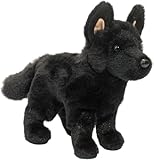
- Harko is a Black German Shepherd stuffed animal with a commanding appearance. His stately design features quality plush materials while silky polyester fill within makes him cuddly and soft.
- Harko is depicted with the large, alert ears of his breed. Pale fabric accents their interiors and adds detail. The bright eyed glance of his brown eyes lends Harko an expression that will connect emotionally with dog lovers of all ages.
- Designed in Keene, New Hampshire, U.S.A. by Douglas Cuddle Toys, makers of fine plush toys of the highest quality for over 60 years. Sewn in Indonesia by skilled toy-makers.
- Measures 8" (20 cm) long.
- Safe for all ages over 24 months, machine washable.
A second visit can be useful when the first meeting took place during a noisy or crowded period. A shelter, rescue or adoption directory may also help coordinate a longer meet-and-greet or a conversation with the dog’s foster caregiver.
What is the fairest way to decide?
Write down your non-negotiables—such as cat safety, manageable exercise needs or tolerance for apartment living—before you look at coat color. Then score each candidate on behavior, health, age, size, history and available support. If two dogs meet those needs equally well, color can be a personal preference, but it should not quietly become a proxy for danger, intelligence or affection.
Frequently Asked Questions
Can black dogs be harder to photograph at shelters?
Yes. Dim kennels and high-contrast fur can obscure eyes, muzzle detail and body posture in listings. Request brighter photos, video or an in-person meeting before deciding.
How long should I give a newly adopted dog to settle in?
Expect adjustment to unfold over days or weeks rather than during the first visit or first evening. Keep routines calm and predictable, and increase stimulation only as eating, sleeping and recovery from surprises become steadier.
What if a shelter dog growls when I approach?
Pause and create distance instead of reaching in or correcting the dog. Ask staff what they have observed, whether the response changes outside the kennel and what management plan they recommend; a veterinary or qualified behavior assessment may be appropriate.
Should my children meet the dog at the shelter?
Only with shelter approval and close adult supervision. Arrange a controlled introduction, teach children not to hug, chase or disturb the dog while eating or resting, and maintain separation until the dog’s behavior is well understood.





Leave a Reply