The Tool Desk
Outbyte Driver Updater FREEScan for outdated or missing drivers - takes under a minuteDriver Scan →Outbyte PC Repair FREERepair Windows errors before they cause bigger problemsFix Now →Not exactly: the headline’s “driving … toward extinction” wording goes beyond what EPA concluded. On June 16, 2022, the U.S. Environmental Protection Agency (EPA) said its evaluations found that three widely used neonicotinoid insecticides were “likely to adversely affect” many listed species. EPA defines that as a screening finding that at least one individual may be exposed at a level sufficient to cause an adverse effect—not a determination that a species will go extinct or is in jeopardy.
Which pesticides did EPA assess?
EPA’s June 2022 final biological evaluations covered clothianidin, imidacloprid, and thiamethoxam. The agency describes uses across crops, turf, ornamentals, and residential and commercial settings, indoors and outdoors. The evaluations considered potential effects on more than 1,700 listed species and more than 800 designated critical habitats in the United States. EPA’s release identifies the chemicals, scope, and findings.
What did EPA find?
EPA reported the following shares of species and designated critical habitats in its assessments as “likely to adversely affect” (LAA):
| Insecticide | Species with LAA finding | Critical habitats with LAA finding |
|---|---|---|
| Clothianidin | 67% | 56% |
| Imidacloprid | 79% | 83% |
| Thiamethoxam | 77% | 81% |
These percentages describe EPA’s assessment categories; they are not counts of species predicted to become extinct. The percentages also should not be read as the share of animals killed or as the proportion of a species’ population affected.
#1 Best Overall
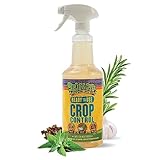
- CROP, GARDEN & HOUSEPLANT INSECT CONTROL. Trifecta Crop Control all-natural, plant-based formula effectively combats destructive spider mites, aphids, whiteflies, fungus gnats, and other soft-bodied pests on indoor and outdoor plants. Our biodegradable, eco-friendly solution is safe for use on edible crops, without chemical residues. Our gentle yet potent plant spray suffocates and dehydrates pests without harming beneficial insects or the environment, making it ideal for organic gardening.
- POWDERY MILDEW FUNGICIDE. Our commercial grade, concentrated plant fungicide delivers maximum efficacy against a wide range of plant pests and diseases, providing excellent coverage and long-lasting protection. Whether maintaining gardens, vegetable patches, or indoor houseplants, regular application restores plant hardiness by combating the damaging effects of unwanted insects and fungi. Our essential oil formula is suitable for both indoor and outdoor use without leaving residues or odors.
- TRIFECTA CROP CONTROL INSECTICIDE for indoor plants and outdoor gardens is easy to use. Simply apply our fungicide for indoor plants and outdoor gardening solution directly to plants. The fast-drying formula leaves no residue, ensuring safe application in homes, gardens, and commercial growing operations without toxicity concerns that other products may have. Our insecticide for plants is a highly effective spider mite killer, whitefly killer and plant bug killer for most soft body insects.
- MOST TRUSTED INSECTICIDE SOAP by gardeners, homeowners, and professional growers for its quality and consistent results, Trifecta Crop Control Insecticide for plants and powdery mildew treatment is a sustainable, high-performance solution for cultivating vibrant, pest-free plants. Our insecticide for vegetable gardens is the perfect choice for anyone avoiding harmful chemicals in their foods. Perfect as a house plant insect spray for a toxic free environment and as a rose bug and disease spray,
What does “likely to adversely affect” mean?
EPA uses LAA when it reasonably expects that at least one individual of a listed species may be exposed to the pesticide at a level sufficient to have an adverse effect. The agency notes that likely “take” can include unintentional harm or death, and that even one individual may be enough to trigger an LAA determination.
An LAA finding is not the same as a final finding that a pesticide will jeopardize a species’ continued existence or adversely modify its designated critical habitat. EPA explicitly cautioned in its June 16, 2022 statement: “An LAA determination, however, does not necessarily mean that a pesticide is putting a species in jeopardy.”
Rank #2
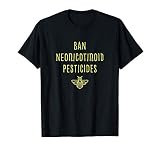
- If you believe that the use of neonicotinoid pesticides should be banned to help save the bumble and honey bees and other pollinators then this environmental message design is perfect. Show support to protect the environment and insects
- For everyone that wants to protect honey and bumble bees and other pollinating insects from the use of neonicotinoid insecticides and preserve the ecosystem this preservation design is a perfect birthday or Christmas gift
- Lightweight, Classic fit, Double-needle sleeve and bottom hem
What happens after EPA’s evaluation?
EPA said it began formal consultation with the U.S. Fish and Wildlife Service and the National Marine Fisheries Service. Those agencies, known as the Services, conduct the consultation and issue biological opinions addressing jeopardy and adverse modification. Their opinions can also include mitigation measures. The EPA evaluation is therefore an important step in the process, not the final word on jeopardy or on any resulting protections.
Are these the latest pesticide findings?
No. The three neonicotinoid evaluations were released in 2022. EPA separately announced final evaluations for bicyclopyrone and benzovindiflupyr on September 30, 2025. For bicyclopyrone, EPA reported LAA findings for 803 listed species (46%) without jeopardy or adverse-modification findings, and for 155 species (9%) with such findings. For benzovindiflupyr, it reported 441 species (26%) without and 41 species (2%) with jeopardy or adverse-modification findings. These results concern different chemicals and should not be conflated with the 2022 neonicotinoid percentages. EPA said formal consultation would follow. Details are in the agency’s 2025 release.
How can you check current pesticide protections?
EPA’s endangered-species pesticide program page links to evaluation chapters, effects determinations, pesticide restrictions, Bulletins Live! Two, and geospatial data. Restrictions and implementation details can change, so anyone checking a particular pesticide or location should consult current EPA materials and the product label rather than relying only on the 2022 headline or percentages.
Quick Recap
Best Value

- If you believe that the use of neonicotinoid pesticides should be banned to help save the bumble and honey bees and other pollinators then this environmental message design is perfect. Show support to protect the environment and insects
- For everyone that wants to protect honey and bumble bees and other pollinating insects from the use of neonicotinoid insecticides and preserve the ecosystem this preservation design is a perfect birthday or Christmas gift
- Lightweight, Classic fit, Double-needle sleeve and bottom hem
Rank #4
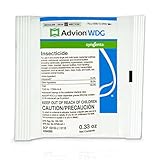
- INDOXACARB ADVANTAGE: Advion WDG insecticide from Syngenta is formulated with 20% indoxacarb — a potent, non-repellent active ingredient for trusted pest control. This high-performing, sprayable product targets a broad range of pests, including ants, cockroaches, pantry pests, and termites.
- FUNCTIONALITY AND FLEXIBILITY IN ONE: Its formulation can be used in multiple ways across commercial and residential accounts to help add convenience and flexibility. Features a non-repellent, non-pyrethroid, and non-neonicotinoid formulation that can be applied as a spray or foam, indoors and outdoors.
- TARGETED CONTROL: This sprayable Advion features the MetaActive effect, which activates the active ingredient upon ingestion by target pests, making it less likely to affect non-target organisms.
- CONVENIENT PACKAGING: Advion WDG can be easily applied indoors, outdoors, and even in food-handling establishments, providing powerful general pest control to help ensure a secure and peaceful environment. The 0.33-oz. packets come ready to mix in a one-gallon solution. The 16-oz. bottle offers more product for larger properties.
Product prices and availability are accurate as of the date/time indicated and are subject to change. Any price and availability information displayed on Amazon at the time of purchase will apply.




