
What’s actually slowing this PC down?
Pick the symptom - the matching free tool is one click away.
Some links on this page are affiliate links: if you buy through them we may earn a commission, at no extra cost to you.
Before collecting a retired service, guide or other working dog, buy a flexible starter kit: familiar food, stainless-steel bowls, identification, a standard leash, safe transport crate, bedding, grooming and cleanup supplies, treats, toys, first-aid items and a baby gate. Wait to purchase fitted harnesses, orthopedic equipment, mobility aids and specialty diets until the placing organization confirms the dog’s measurements, medical records and daily needs. A career-change dog may arrive with arthritis, allergies, sensory loss, anxiety or distractibility, so a records-based veterinary baseline and a quiet transition matter more than recreating working-dog gear.
What should I buy before bringing home a retired working dog?
Have the basics ready for pickup, but keep size- and diagnosis-dependent purchases provisional. Petfinder’s checklist, updated May 29, 2026, recommends starting with the dog’s existing food and delaying items whose size depends on information you do not yet have. Assistance-dog programs add practical arrival supplies that make travel, feeding and cleanup easier.
As an Amazon Associate I earn from qualifying purchases.
Arrival-day shopping list
- Two stainless-steel food and water bowls.
- The organization’s current food, plus an airtight storage container.
- A collar and ID tag printed with your current phone number.
- A four- to six-foot leash. Use an ordinary walking leash unless the organization specifies another option.
- A properly sized crate or hard-sided carrier for the ride home and a quiet retreat at home.
- A washable bed or several blankets.
- Waste bags, paper towels, wipes and an enzymatic cleaner for accidents.
- Treats approved by the organization, a few durable toys and a portable silicone travel-water bowl.
- Basic first-aid supplies, nail clippers, a brush or comb, dog shampoo, a toothbrush and enzymatic dog toothpaste.
- A baby gate to create a low-traffic decompression area.
Can Do Canines’ arrival guidance specifically includes two stainless-steel bowls, while assistance-dog checklists also call out food storage, waste bags, enzymatic toothpaste and an emergency cleanup kit. Confirm whether the dog already has a crate, bed, medications or grooming equipment that can travel with it so you do not create an unnecessary change on day one.
Which supplies should I postpone until the organization confirms details?
Delay expensive or fitted equipment until you have current measurements, orthopedic findings and a clear description of how the dog moves at home. A harness that rubs an arthritic shoulder, stairs that are too steep or a diet that conflicts with treatment can create avoidable problems.
Popular on Amazon

- Stainless Steel Pet Bowl: Made for daily food or water use with a simple, practical design
- Silicone Nonslip Bottom: Helps reduce sliding and noise on smooth feeding surfaces
- Wide, Stable Shape: Designed to sit steadily during everyday meals
- Easy to Clean: Smooth stainless steel surface rinses clean and is dishwasher safe
- Stackable Design: Bowls can be stacked for compact storage when not in use
| Buy before pickup | Buy after records or measurements | Why timing matters |
|---|---|---|
| Standard collar and ID tag | Harness, head collar or mobility-support harness | Neck, shoulder and gait comfort differ; the organization should demonstrate fit. |
| Washable bed or blankets | Orthopedic bed | Joint disease, pressure points and preferred sleeping positions determine the right support. |
| Crate or hard carrier sized for safe transport | Stairs, ramp or vehicle-access equipment | Mobility, car height and home layout determine whether an aid is safe. |
| Current food | Specialty or prescription diet | Change food only after the dog settles and your veterinarian agrees. |
| Basic grooming tools | Booties, mobility aids and medication organizers | Coat, paw, medication and functional needs vary by individual dog. |
Ask for the dog’s chest and neck measurements, weight, gait limitations and any handling restrictions before ordering fitted gear. Keep receipts and choose adjustable or returnable products while the dog is being evaluated.
How do I travel home with the dog safely?
Use a properly sized crate or carrier, take familiar food and water, carry records and medications, and go directly to a quiet room rather than adding errands or visitors. A portable silicone bowl is useful during the drive and at early veterinary appointments.
- Line the crate or carrier with a washable blanket carrying a familiar scent. Secure the carrier so it cannot slide or tip.
- Pack the dog’s current food, water, medications, written dosing instructions, leash, collar, waste bags and paper towels where you can reach them.
- Keep the first trip calm. Avoid forcing greetings, opening the carrier in an unsecured area or allowing off-leash stops.
- At home, take the dog to the designated toilet area, then let it enter a gated, quiet room with water and bedding.
- Follow the organization’s instructions for toileting, cues, feeding and medication before introducing the rest of the household.
Ask whether the dog has motion sickness, car anxiety, a preferred loading side or a handling sensitivity around collars and crates. Those details can change the safest travel plan.
What should the first days at home look like?
Predictability beats novelty. Keep the existing food at first, establish regular meal, toilet, rest and walk times, and introduce household rules one at a time. Petfinder advises changing diets only after the dog has settled and a veterinarian has agreed.
Create a decompression zone
Use the baby gate to provide a low-traffic room with bed, water, crate and chew-safe toys. Let the dog choose whether to rest in the crate or beside it; never use the crate as punishment. Limit visitors and crowded greetings during the first days, even if the dog appears social.
Also popular on Amazon
- Stainless Steel Pet Bowl: Made for daily food or water use with a simple, practical design
- Silicone Nonslip Bottom: Helps reduce sliding and noise on smooth feeding surfaces
- Wide, Stable Shape: Designed to sit steadily during everyday meals
- Easy to Clean: Smooth stainless steel surface rinses clean and is dishwasher safe
- Stackable Design: Bowls can be stacked for compact storage when not in use
Transfer cues accurately
Request the organization’s exact verbal cues, hand signals, release words and reinforcement routine. Use those cues exactly before adding your own household commands. Inconsistent words can make a highly trained dog appear confused when the real problem is a changed signal.
Recommended Free Tools
Introduce people and animals gradually
Ask about known triggers, cats, children, stairs, car travel, handling and time alone. Introduce resident dogs on neutral ground, walk in parallel if advised, and supervise all early interactions. Separate animals for meals, high-value chews and rest until you know their patterns.
What health supplies and veterinary checks does a retired working dog need?
Book a veterinary appointment with the complete record, medication list and organization contact. Before increasing exercise, request a baseline assessment of orthopedic function, teeth, eyes, hearing, weight and pain. Retirement is not a diagnosis: some dogs leave work because of allergies or dysplasia, while others are released for behavior, distractibility or a mismatch with children or animals.
Bring useful information to the appointment
- Vaccination, microchip, surgery and imaging records.
- Every medication, supplement, dose, timing and known side effect.
- The dog’s working history, retirement or career-change reason and current exercise tolerance.
- Videos or notes about limping, stiffness, coughing, itching, startle responses, sleep or difficulty rising.
- The organization’s contact information for follow-up questions about cues and prior care.
Ask the veterinarian to explain safe activity limits, weight targets, dental priorities, nail and coat care, pain signs and when a recheck is needed. Arthritis, hip or elbow dysplasia, cataracts, allergies, hearing loss and anxiety can all change what “normal exercise” means. Increase walks only on professional advice rather than assuming a former working dog should immediately exercise for long periods.
Plan low-stress handling
The American Animal Hospital Association’s guidance, published October 14, 2021, supports low-stress handling and clear medication instructions. Tell the clinic about harness or collar sensitivities, ask staff to obtain permission before touching equipment, and discuss side effects that could affect alertness, balance or working-like behaviors. Keep a written medication schedule and a small travel kit rather than relying on memory.
Quick wins for a faster PC:
Clear out junk files and repair common Windows errorsFree Scan →Scan for outdated or missing drivers - takes under a minuteDriver Scan →Also popular on Amazon

- STAINLESS STEEL PET BOWLS - Stainless Steel Food and Water Bowls for all your pets - Dogs, Cats, Puppies or Kittens - Bulk Economy Pack
- VERSATILE YET SIMPLE - Perfect for dry kibble, wet food, treats or water. Perfect Replacement Bowls for Elevated Food / Water Stands
- FOOD GRADE QUALITY AND NO PLASTIC - Rust and corrosion resistant, dishwasher safe and a healthy alternative to plastic; doesn’t hold odors
- NO ANNOYING STICKERS TO REMOVE - Sick of picking away at those annoying stickers? No problem. We've removed all stickers from our bowls so they are ready to use as soon as you receive them
- BUY WITH CONFIDENCE - All Greendale Products are backed by our 1 year satisfaction guaranty
How do I evaluate whether a particular retired or career-change dog fits my home?
Evaluate the individual dog, not the label. Guide Dogs of America says dogs may be released for medical reasons such as allergies, cataracts, arthritis or hip and elbow dysplasia, or for fear, distractibility, high activity or incompatibility with children or other animals. Leader Dogs for the Blind likewise notes that released dogs have varying levels of training.
| Question to ask | What a useful answer should cover |
|---|---|
| Why was the dog retired or career-changed? | Specific medical, behavioral, training or household-fit reason, not only a broad label. |
| What are the current diagnoses and likely costs? | Medication, monitoring, dental or orthopedic care, exclusions and expected follow-up. |
| How much activity is safe? | Typical walk length, rest needs, surfaces to avoid and signs to stop. |
| How does the dog behave with people, dogs, cats and children? | Observed history, known triggers, supervision requirements and management limits. |
| What cues and house manners are established? | Vocabulary, leash skills, toileting, settling, crate comfort and ability to remain alone. |
| What support and return terms apply? | Follow-up contact, trial arrangements, organization return or repossession clauses and transport obligations. |
Ask for examples rather than assurances: “What happened the last time the dog met a cat?” is more useful than “Is the dog good with cats?” Also ask whether the dog has lived in a home, used stairs, ridden in a car, tolerated grooming and slept alone. A health issue can mean additional veterinary costs, so build a realistic reserve before agreeing to adopt.
Do retired service or guide dogs need a vest, special harness or public-access training?
Usually not. The U.S. Department of Justice ADA FAQ states that the handler is responsible for feeding, grooming, toileting and veterinary care, and that the ADA does not require a vest, identification tag or special harness for a legitimate service animal. A dog released to you as a pet is no longer being represented as a working service animal; follow the placing program’s written terms and local licensing and vaccination rules.
Dogs released by the cited Guide Dogs of America and Leader Dogs programs are pet placements without ADA public-access rights. Do not take a pet career-change dog into non-pet businesses by implying it is still working. A vest may be useful for visibility or a training context if an organization recommends it, but it does not create legal access rights.
Do these 3 things before closing this tab:
1Clear out junk files and repair common Windows errors2Fix the driver behind crashes, sound loss and screen glitches3Repair Windows errors before they cause bigger problemsHow long might I wait, and what does the adoption process involve?
Availability is limited and varies by program, preference and region; there is no reliable independent statistic for the entire retired-working-dog market. Leader Dogs for the Blind reports about 100 dogs becoming available for public adoption per year and typical waits of three to 12 months, with longer waits for some preferences. Those are that organization’s figures, not a universal average.
Also popular on Amazon

- Deep Stainless Steel Bowl: Designed for everyday food or water use with a deeper shape for added capacity
- Nonslip Silicone Bottom: Silicone base helps reduce sliding and noise on smooth feeding surfaces
- Flat Rim for Easy Handling: Flat rim makes the bowl easier to pick up, move, and carry
- Easy to Clean: Smooth stainless steel surface rinses clean after use and is dishwasher safe
- Stackable Design: Bowls can be stacked for compact storage when not in use
Guide Dogs of America says applications are matched by suitability, must be renewed every 12 months and require a campus visit when a suitable dog is offered. Be prepared to describe your household, transportation, stairs, other animals, children, work schedule and ability to manage medical care. Keep your contact information current while waiting.
Retirement has no universal birthday. Service Dogs of Virginia describes approximately eight to 10 years as a common healthy working range, while AAHA emphasizes health, function and safety instead of a fixed age. A younger career-change dog and an older retiree can both be appropriate, but their exercise, dental, orthopedic and supervision needs may differ substantially.
Independent reader supportYour contribution helps us test, update, and keep practical guides available for everyone.What problems commonly appear after adoption, and how can I respond?
The dog will not eat
Offer the familiar food in a quiet area and avoid an immediate diet switch. Contact the organization or veterinarian if appetite does not return, if vomiting or diarrhea occurs, or if medication timing depends on food.
Free tools Windows power users keep installed
One-click scans. No signup required.
The dog paces, pants or cannot settle
Reduce visitors, noise and exercise intensity; provide the gated rest area and predictable schedule. Ask whether anxiety, pain, medication effects or a cue change could be contributing before adding more activity.
The dog resists stairs, jumping or long walks
Stop the activity and record what you observed. Use ramps or stairs only after the veterinarian confirms they are safe and selects an appropriate design; stiffness or reluctance can indicate pain rather than stubbornness.
Also popular on Amazon
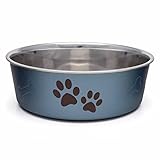
- STAINLESS STEEL & DURABLE - This Bella Bowl (27 oz, 6.75" x 2") features a stainless steel design with a poly-resin exterior great for dog food mat, which makes them dish washer safe and easy to keep clean and hygienic. Perfect cat food bowl or dog water bowl for home & travel.
- REMOVEABLE RUBBER BASE - This feature prevents and ensures no spill water bowl for dogs. It’s perfect for puppy food and makes an excellent addition to your dog feeding station. Watch the bowl stand steady on your pet food mat, making it a great complement to your dog mat and other dog stuff.
- PATENTED AWARD-WINNING DESIGN – Bella Bowls are renowned for being the bestselling bowls in the pet industry. The Bella Bowl Stainless Steel Bowls come in a variety of sizes, making this versatile dog food bowl perfect for all pets—from puppy bowls and small bowls to dog bowls large breed and everything in between! These bowls are also ideal for use as a cat water bowl, with smaller sizes being highly recommended for cat bowls for indoor cats.
- REAL STEEL STYLISH & COLORFUL DOG FEEDER – Available in a wide range of vibrant colors, this dog bowl seamlessly complements any pet supplies collection or dog accessories and makes a fantastic addition to your home’s décor. The Bella Bowls come in beautiful hues like blueberry and artichoke, making them a perfect fit for your dog bowl mat or cat food mat.
- VETERINARIAN RECOMMENDED – This stainless steel dog bowl and stainless steel cat bowls have all the benefits of stainless steel making them hygienic and clean. Bella bowls are truly a must-have for any cat feeding station and essential addition to your dog supplies.
The dog reacts to handling or equipment
Do not force a collar, harness, nail trim or examination. Tell the organization and veterinary team exactly what happened, and use low-stress handling with a gradual plan.
Household animals are tense
Separate them with gates, remove competition over food and toys, and return to neutral, supervised introductions. Seek the placing program’s behavior guidance promptly rather than waiting for a fight.
Windows Errors? Fix Them Before They Spread
Repair common Windows errors and clear accumulated junk for a smoother, more stable PC - no reinstall needed.Free scan · no reinstallOutdated Drivers Are Slowing You Down
One free scan finds every outdated or missing driver and matches the right update for your exact hardware.Free scan · exact hardware matchWhat is the practical bottom line for preparing?
Prepare for a pet with a history, not a piece of working equipment. A modest, flexible kit gets the dog home safely; records, measurements and a veterinary baseline determine everything that follows. The best adoption questions concern the reason for release, daily function, health costs, triggers, cues and support terms, because those answers—not a vest, pedigree or job title—tell you whether your home can meet this particular dog’s needs.
Frequently Asked Questions
Can I change a retired working dog’s food immediately?
Keep the organization’s current food during the initial settling period. A veterinarian can then advise whether to transition gradually, maintain the diet or use a therapeutic formula; changing food during travel and decompression can make gastrointestinal problems harder to interpret.
Should I let my new dog sleep in the bedroom on the first night?
Choose the safest arrangement you can maintain consistently, such as a gated room or crate near the household. Ask the organization whether the dog is crate-trained or accustomed to sleeping alone, and change the arrangement gradually rather than leaving the dog distressed.
What records should the adoption organization provide?
Request vaccination and microchip information, diagnoses, imaging, surgeries, medications, allergies, dental history, behavior notes, cue vocabulary and written return terms. Also obtain a contact person who can clarify the dog’s training and handling preferences after placement.
Can a career-change dog later become a service dog again?
Do not assume so. The program’s release decision may reflect health, temperament, distractibility or public-access limitations, and a pet placement may come with terms against representing the dog as working. Any future training decision should be made with qualified professionals and the organization when permitted.





Leave a Reply