Ducks are a varied group of waterfowl, not one ecological type. To identify one, consider its shape, plumage, bill, behavior, habitat, and location or season together. Those same differences help explain why one duck tips forward to feed while another dives, why species use different wetlands, and why some migrate while others stay in one region.
The examples below are North American species. Duck habits vary by species, population, place, and season, so treat them as useful patterns rather than rules for every duck.
As an Amazon Associate I earn from qualifying purchases.
How can you identify a duck?
Start by observing from a respectful distance and noting several clues, rather than relying on a single color patch or marking. A duck’s outline and size, plumage, bill, feeding behavior, and surroundings can all help narrow an identification. Location and season matter too: a species may use different habitats at different times of year, and not every species is found in every region.
- Shape and size: Note the duck’s overall outline and proportions.
- Plumage and bill: Look for patterns and markings, but compare more than one feature.
- Behavior: Watch whether it feeds at the surface, tips forward, or submerges.
- Habitat, location, and season: Use these to check whether a possible match makes sense for that place and time.
A North American waterfowl field guide can help you compare species-specific range and identification details. Cornell Lab of Ornithology’s Ring-necked Duck and American Black Duck accounts and Audubon’s Wood Duck and Mallard profiles are examples of sources that combine identification information with habitat and behavior. Binoculars can make distant field marks easier to observe, but keep a comfortable distance from birds.
#1 Best Overall

- Chew-Proof Metal Build: The top and base of this bird feeder are made of metal. Advanced metal processing techniques make it more sturdy for outdoor use and resistant to squirrel damage.
- 2 Steps Disassemble Easy Clean Thoroughly: No tools needed! Disassemble in just 30 seconds. Easy to maintain and refill weekly. Say goodbye to the hassle of cleaning and reassembling bird feeders.
- One-Handed Refilling Made Simple: Press the roof button and slide up to lock it in place on the steel cable. No need to remove the entire feeder, making refills quick and easy.
- High Guardrail Seed Tray Design: Prevents seeds from falling while birds feed, reducing waste.
- No Assembly Required – Just Unbox and Use: 360-degree perch design allows multiple birds to feed simultaneously without being limited to fixed feeding holes, providing a more comfortable and free feeding experience for your birds.This is an excellent gift choice, adding vibrant colors to your yard and enriching garden life. It brings more joy to families and children.
What is the difference between dabbling and diving ducks?
The distinction is mainly about how a duck forages. Dabbling ducks feed at or near the surface; some tip forward, raising the rear of the body while reaching for food underwater. Diving ducks submerge to forage below the surface. These are useful descriptions of common behavior, not labels that dictate every feeding action.
| Species | Feeding pattern described in the sources | Habitat or seasonal example | Nesting example |
|---|---|---|---|
| Ring-necked Duck | Dives to forage underwater; eats submerged plants and aquatic invertebrates. | Breeds in freshwater marshes and bogs in northern North America; uses shallow wetlands and other waters during migration and winter. | Nests among sedges and other emergent plants. |
| American Black Duck | Dabbles and up-ends in shallow water; plant foods are important, while animal foods become especially important during breeding. | Breeds mostly in northeastern freshwater wetlands and often winters in saltwater wetlands. | Not specified in the cited account details summarized here. |
| Wood Duck | Feeds at the surface, submerges its head and neck, and sometimes up-ends. | Some northern populations migrate; some southern females may be permanent residents. | Nests in cavities; ducklings leave the cavity after hatching. |
| Mallard | The cited profile describes a diet that includes plant material and, in some circumstances, animal foods. | Habitat and seasonal details vary; consult the species profile for local range information. | Not specified in the cited account details summarized here. |
Species details in the table come from Cornell Lab of Ornithology’s Ring-necked Duck and American Black Duck accounts and Audubon’s Wood Duck and Mallard profiles. The comparison is illustrative, not a complete identification key.
What do ducks eat?
Duck diets vary with species, habitat, and season. Plant matter is common, while aquatic invertebrates and other animal foods can also be important. The balance may change through the year: Cornell Lab’s American Black Duck account describes plant foods as important overall and animal foods as especially important during breeding. Its Ring-necked Duck account describes submerged plants and aquatic invertebrates. Audubon’s Mallard and Wood Duck profiles also describe diets that include plant material and, in some circumstances, animal foods.
Rank #2

- Squirrel Proof Bird Feeder
- Bird Feeder,Gardening Gifts for Women,Fathers.christmas gifts for dad,mom and more bird lovers
- Metal Bird Feeders for Outdoors Hanging
- Squirrel Proof Wild Bird Feeders with Finch Cardinal Chickadee
- Large Capacity Bird Feeders
That variation is one reason not to reduce wild ducks to bread-eaters or assume that every duck needs the same food. Wild-bird feeding and care for a managed domestic flock are different subjects; domestic ration guidance is not advice to feed wild ducks.
Where do ducks live?
Wetlands are important to many ducks, but “wetland” covers a range of places, including freshwater marshes, bogs, shallow waters, and saltwater wetlands. A species may use different habitats for breeding, migration, and wintering. For example, Cornell Lab reports that Ring-necked Ducks breed in freshwater marshes and bogs in northern North America and use a range of shallow wetlands and other waters during migration and winter. American Black Ducks breed mostly in northeastern freshwater wetlands and often winter in saltwater wetlands, while also using other habitats.
These examples are not a habitat checklist for all ducks. To understand a particular bird, check its species account and consider both the season and the region.
Rank #3

- FUN-TO-INSTALL: This bird feeder features a traditional oriental architectural style with a retro pagoda design. It offers a feeding spot for sparrows and provides you and your family with a delightful 1-minute assembly experience. Get ready to enjoy a fun and simple installation process
- HOW FEEDING BIRDS: The 8.2 x 8.2 x 9.8 inch feeder can hold up to 5 pounds(2 Pcs) of seeds, typically lasting 1-3 days. Sunflower and Niger seeds are more likely to attract Cardinals, Goldfinches and Chickadees
- GARDEN GIFT IDEA: Bird feeders are a unique gift idea. Create an opportunity for family, children, grandparents and even pets to see nature’s colorful wild birds up close, bring the birds and best wishes to them
- EASY BIRD FEEDING: The transparent panel allows for effortless monitoring of the remaining bird seeds, while the wide opening makes refilling straightforward
- WARM TIPS: To ensure that the bird feeder is secure, follow the user manual steps for installation
Do all ducks migrate?
No. Migration varies among species and can also differ between populations in different parts of a species’ range. Audubon describes northern Wood Ducks as migratory, while some southern females may be permanent residents. Ring-necked Ducks use different areas across breeding, migration, and winter seasons; American Black Ducks commonly shift from breeding wetlands to wintering habitat.
Do these 3 things before closing this tab:
1Fix the driver behind crashes, sound loss and screen glitches2Repair Windows errors before they cause bigger problems3Scan for outdated or missing drivers - takes under a minuteSo a duck seen in one place in one season may not follow the same schedule as members of its species elsewhere. Range maps and species accounts can help explain local patterns, but a broad claim about all ducks would be misleading.
Where do ducks nest, and how do ducklings leave?
Nesting varies too. Cornell Lab’s Ring-necked Duck account describes nests among sedges and other emergent plants. Audubon’s Wood Duck guide describes cavity nesting, with ducklings leaving the cavity after hatching. These differences are a reminder that ducks do not all nest beside open water or raise young in the same way.
Rank #4

- BUILT FOR SMALL SONGBIRDS — AND IT KEEPS THE BIG ONES OUT: Six small ports with 1.4" perches are sized for finches, chickadees, sparrows and nuthatches. Larger birds like blue jays, grackles and cardinals can't get a grip, so they stop raiding the tube and flinging the small seed on the ground to get at the big kernels. If you want cardinals or woodpeckers too, pair this with a platform or hopper feeder — this one is deliberately the small-bird station.
- WIDE LIFT-TOP + SEE-THROUGH TUBE — REFILL IN SECONDS: Lift the metal lid straight up and pour; the opening is wide enough that you are not funnelling seed through a narrow neck. The clear tube shows the level from across the yard, so you refill before it runs empty instead of checking by opening it. Holds 1.5lb of sunflower, safflower or mixed seed — a small tube on purpose: seed gets eaten before it can sit and go stale.
- HOW TO CLEAN IT: The lid lifts off and the tube is clear, so you can see exactly what needs cleaning. The base is fixed — not removable — so here is what works: tip the feeder upside down and tap to empty packed seed, run a bottle brush or pipe cleaner in through the ports, rinse, then stand it upside down until fully dry before refilling. Do this every 2-3 refills and after any spell of wet weather, so damp seed never sits at the bottom.
- METAL LID, BASE AND PORTS: The lid, base, perches and all six port surrounds are metal, so beaks and claws land on metal rather than thin plastic; the seed tube itself is clear polycarbonate, which is what lets you see the level. Note: this is not a squirrel-proof feeder — the ports are open and a determined squirrel can reach seed. If squirrels are a problem in your yard, hang it from a pole with a baffle, which is what owners who have no squirrel trouble do.
- HANG IT WHERE YOU CAN WATCH — POLE, BRANCH OR SHEPHERD'S HOOK (POLE NOT INCLUDED): The metal hanger fits a standard shepherd's hook, deck pole or tree branch. Most owners hang it within sight of a kitchen or living-room window — finches find a new feeder within days, and you get the show from inside. Works all four seasons, with the busiest months being late autumn and winter when wild food runs short. A ready gift for a parent, grandparent or anyone who watches birds.
Do not approach a nest, handle eggs, or try to move ducklings. In the United States, USDA APHIS’s Geese, Ducks, and Coots: Wildlife Damage Management Technical Series explains that migratory ducks and other listed birds receive federal protection and that specified acts involving birds, nests, eggs, and parts are unlawful unless permitted by regulation. Rules depend on jurisdiction and circumstances; consult current local wildlife authorities before intervening.
Independent reader supportYour contribution helps us test, update, and keep practical guides available for everyone.What should you feed domestic ducks?
Domestic duck nutrition is a flock-care question, not a wild-duck feeding prescription. Cornell University’s Duck Research Laboratory says feed needs depend on the flock and its access to forage, and discusses complete commercial duck rations as well as alternatives when duck feed is unavailable. That is general husbandry guidance, not individualized veterinary advice.
Quick wins for a faster PC:
Fix the driver behind crashes, sound loss and screen glitchesFind Drivers →Repair Windows errors before they cause bigger problemsFix Now →Scan for outdated or missing drivers - takes under a minuteDriver Scan →William F. Dean, Ph.D., Cornell University Duck Research Laboratory: “Ducks require the same nutrients as chickens, but in slightly different amounts, and particularly in terms of the ratio of each nutrient to the energy concentration of the diet.”
Best Value
Sale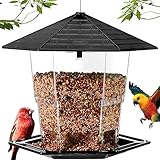 Jealoeur Bird Feeders for Outdoors Hanging Bird Feeder Wild Birds Seed, Black
- 【JEALOEUR BIRD FEEDER】Jealoeur retractable bird feeders, can be expanded to store a large amount of food. It has a unique Latch Feature, which makes it easy to open and close the top for filling and cleaning.
- 【SCENES TO BE USED】Press PUSH to open the lid, put the wild bird seeds, sunflower seeds for birds , safflower bird seed etc, into the bird feeder, close the lid, and then hang the bird feeder under the eaves or in the garden.
- 【LARGE CAPACITY】It is made of durable, high quality plastic. Holds up to 2.2 Lb of seeds. Size: 8.7 x 7.6 x 7.8 inches.
- 【HUMANIZED DESIGN】Comes fully assembled and ready to hang. With its Hexagonal roof, the bird feeder features an inclined roof to shade birds from the sun and rain. When the seeds are eaten, more seeds will naturally fill the tray.
- 【EASY TO USE】 For your convenience and the health of garden birds, please use the Jealoeur wild bird feeder that is easy to fill, empty, and clean.
For a domestic flock, choose feeding guidance for the birds’ age, purpose, and access to forage, and consult an avian veterinarian or qualified poultry specialist about individual needs. Cornell’s Duck Research Laboratory provides general duck nutrition information.
Are duck populations in trouble?
Conservation status is species-specific. Cornell Lab reports an approximately 87% decline in American Black Ducks in the United States over the North American Breeding Bird Survey period from 1966 to 2019; it reports that the Canadian population was roughly stable over the same period. The decline figure applies to American Black Ducks in the United States and that stated survey period. It is not a measure of all duck species, all of North America, or the present-day population.
For current, local conservation questions, look for updated information from wildlife authorities and conservation organizations that identify the species and region being discussed.
Quick Recap
Product prices and availability are accurate as of the date/time indicated and are subject to change. Any price and availability information displayed on Amazon at the time of purchase will apply.




