
Free tools Windows power users keep installed
One-click scans. No signup required.
Some links on this page are affiliate links: if you buy through them we may earn a commission, at no extra cost to you.
The safest choice for a home with a toddler is not a particular breed. It is an individual dog with a stable, tolerant temperament; a documented history of safe interactions; comfort with ordinary handling; manageable energy and strength; and adults who can supervise and separate dog and child every time. Breed or breed mix can provide context, but no label predicts every individual dog.
Children are more likely than adults to be bitten, and their injuries tend to be more severe. The Centers for Disease Control and Prevention (CDC) estimates that about 38% of U.S. households have at least one dog and that nearly one in five people bitten by a dog needs medical attention (2026). A safe household therefore combines careful dog selection with active supervision, toddler rules, training, veterinary care and physical barriers.
As an Amazon Associate I earn from qualifying purchases.
What’s actually slowing this PC down?
Pick the symptom - the matching free tool is one click away.
Is there a “best” dog breed for a home with toddlers?
No breed guarantees safety around a young child. The practical question is whether this particular dog can remain relaxed around noise, sudden movement, touch and interruption, and whether the adults can control the dog’s body and environment. The American Veterinary Medical Association’s prevention guidance puts it plainly: “Any dog can bite: big or small, male or female, young or old.”
Breed tendencies may help you form questions, but they cannot replace direct observation, a behavior history and a realistic household plan. A calm dog of a traditionally family-friendly type may still guard food or panic when handled. A mixed-breed or less familiar type may be an excellent fit if its behavior, health and history are well understood.
Popular on Amazon

- Auto-Close Baby Gate: Designed with an intelligent self-closing system, this dog gate automatically swings shut at angle under 90°, providing reliable protection against accidental openings
- Dual-Lock Safety: This baby gate for stairs features a secure dual-lock mechanism, ensuring curious children and pets stay safely contained while allowing adults to open it effortlessly with one hand. Parents can pass through the baby gates for doorways with ease even while carrying groceries or a baby
- Tool-Free Installation: The pressure-mounted dog gate indoor provides a secure hold while protecting your walls or furniture from damage, ideal for renters and hassle-free setups. The dog gates for doorways offer a quick, temporary solution that's both safe and convenient. The attached sticky pads are provided to keep the wall cups in place, so you don't need to drill
- Stroller-Friendly Baby Gate for Stairs: Features an anti-stumble pedal, ensuring a seamless transition between the pet gate and the floor. This design reduces the risk of tripping and allows strollers to roll through the child gate effortlessly, making the pressure mounted baby gate ideal for families with elderly members and young children
- Adjustable Pet Gate Indoor: With an adjustable width from 29 to 40 inches, the baby gate with door fits most standard doorways and stair openings, creating a safety environment for your little ones and furry friends while giving you peace of mind. Please measure the width of the openings you want to place the child gate before installation
The American Academy of Pediatrics (AAP) notes that, because many bite injuries happen to young children, it may be safest to wait until a child is older than age 4. If your family adopts while a child is still a toddler, treat supervision and separation as non-negotiable rather than assuming a gentle-looking dog will manage the situation.
What should I look for in an individual dog besides breed?
Evaluate the dog across several dimensions at the same time. A score in one area cannot compensate for a serious problem in another: a very trainable dog that freezes or guards, for example, is not a suitable toddler companion.
The Tool Desk
Outbyte PC Repair FREERepair Windows errors before they cause bigger problemsFix Now →Outbyte Driver Updater FREEFix the driver behind crashes, sound loss and screen glitchesFind Drivers →Calm, flexible temperament
Watch how the dog responds to ordinary household activity. You want loose, comfortable body language, an ability to disengage and a quick return to calm after excitement. Ask whether the dog can settle when people walk past, doors close, objects fall or visitors arrive.
Stop the adoption process and obtain a qualified behavior assessment if you see freezing, hard staring, repeated avoidance, guarding, snapping or unpredictable escalation. Do not pressure a frightened dog to “get used to” a child. A dog that repeatedly tries to leave is communicating that it needs distance.
Broad handling tolerance
Ask the shelter, rescue, breeder or foster caregiver how the dog responds to gentle contact on the paws, ears, collar, mouth area and body, as well as grooming and veterinary handling. A toddler’s movements are erratic, so a dog needs a generous comfort margin and adults who can prevent rough contact. Never test tolerance by allowing a child to pull, climb or restrain the dog.
Response to noise and fast movement
Children squeal, run, fall and wave objects. Find out how the dog reacts to running, sudden sounds and animated play. A dog that becomes intensely aroused by movement may chase or knock over a child even without aggressive intent. Look for recovery: after a startling event, can the dog orient to an adult, accept guidance and settle?
Do these 3 things before closing this tab:
1Clear out junk files and repair common Windows errors2Fix the driver behind crashes, sound loss and screen glitches3Repair Windows errors before they cause bigger problemsAlso popular on Amazon
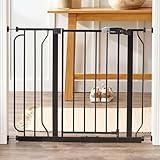
- ✅TESTED & TRUSTED BABY SAFETY GATE FOR OVER 30 YEARS: Parent-trusted safety gate certified by the Baby Safety Alliance.
- ❤️AMERICAN DESIGNED & FAMILY OWNED BABY GATE BRAND: Designed in the USA by parents, for parents. Regalo is a family-owned, US-based brand delivering trusted baby safety gates and child safety products for over 30 years.
- 🔒EXTRA WIDE BABY GATE FOR DOORWAYS & BOTTOM OF STAIRS: Expands to fit openings 29–38.5" wide and stands 30". Ideal for bottom of stairs, hallways, and doorways. FITS OPENINGS: 29–32" no extension, 35.5–38.5" with 6". DOES NOT FIT OPENINGS: 32–35.5".
- EASY SETUP WITH PRESSURE MOUNT DESIGN: ⚠️Install according to manufacturer’s instructions. ⚠️Wall cups must be used to keep the gate securely in place. ⚠️ To prevent falls, never use at the top of stairs.
- 🐾CHILD & PET SAFE | PUERTA DE SEGURIDAD PARA BEBÉS Y MASCOTAS: Walk-through safety gate designed for babies 6–24 months and small to medium pets. Features a secure safety locking system for parent convenience.
Energy and enrichment needs
Match the dog’s exercise, play and mental-enrichment requirements to the time adults actually have. Toddlers make routines unpredictable; a dog that needs extensive daily activity may become frustrated if walks and training are repeatedly postponed. Plan who will provide walks, sniffing opportunities, food puzzles, rest and training during illness, bad weather and busy weeks.
Size, strength and physical control
Size is a management issue, not a simple safety ranking. A large, powerful dog may be calm yet difficult for an adult to restrain during a sudden chase or conflict. A very small dog can be seriously injured by a toddler’s fall, grabbing or accidental drop. Choose a dog whose strength, speed and arousal level every supervising adult can physically manage.
Trainability and recovery
Prioritize a dog that can learn calm greetings, recall, “leave it,” “drop” and stationing on a mat or bed. Training gives adults more options when a child approaches, food is present or excitement rises. It never replaces supervision: a reliable cue is not permission to leave a toddler and dog together.
Age, documented history and health
An adult dog with a well-documented behavior history can be easier to assess than a puppy whose adult temperament is still developing. Ask specifically about bites, growling, surrender circumstances, guarding, fear, pain and previous contact with children. “No known history” is not the same as a proven history of safe child interactions.
Pain or illness can change behavior. Obtain veterinary care, keep preventive treatment current and provide a quiet rest area where the dog will not be disturbed. Ask how the dog behaves when tired, startled, handled while uncomfortable or approached near valued items.
Grooming, shedding and health workload
Consider whether adults can maintain grooming, nail care, dental care, medication and veterinary appointments without involving a toddler in unsafe handling. A dog that becomes distressed during brushing or ear care needs a plan for cooperative care and separation, not forced participation by a child.
Also popular on Amazon

- TESTED & TRUSTED BABY SAFETY GATE FOR OVER 30 YEARS: Parent-trusted baby safety product certified by the Baby Safety Alliance. Designed to support everyday baby proofing and safer spaces at home.
- AMERICAN DESIGNED & FAMILY OWNED BABY GATE BRAND: Designed in the USA by parents, for parents. Regalo is a family-owned, US-based brand delivering trusted baby safety gates and child safety products for over 30 years
- EXTRA WIDE BABY GATE FOR DOORWAYS & BOTTOM OF STAIRS: Expands to fit openings 29–49" wide and stands 30" tall. Ideal for bottom of stairs, hallways, and doorways. FITS OPENINGS: 29–32" no extension, 34–36.5" with 4", 41.5–44.5" with 12", 46.5–49" with 4"+12". DOES NOT FIT OPENINGS: 32–34", 36.5–41.5", 44.5–46.5".
- EASY SETUP WITH PRESSURE MOUNT DESIGN: ⚠️Install according to manufacturer’s instructions. ⚠️Wall cups must be used to keep the gate securely in place. ⚠️ To prevent falls, never use at the top of stairs.
- CHILD & PET SAFE | PUERTA DE SEGURIDAD PARA BEBÉS Y MASCOTAS: Walk-through safety gate designed for babies 6–24 months and small to medium pets. Features a secure safety locking system for parent convenience
Family capacity and child readiness
AAP guidance emphasizes the child’s maturity, the time available for care and whether a toddler makes puppy adoption impractical. Adults remain responsible for feeding, exercise, training, supervision and veterinary decisions. A child can help with an age-appropriate task only while an adult is present, and should never be responsible for a dog’s safety.
How do I assess a dog before adoption?
Use a structured process rather than relying on a brief, exciting meeting. Ask the same questions of every candidate and record what you observe.
- Request the full known history. Ask about previous homes, children, bites, fights, guarding, fear, noise sensitivity, escape behavior, surrender reasons, medical conditions and medications. Ask what the caregiver has directly observed versus what is unknown.
- Observe the dog at rest. Look for loose posture, normal breathing, the ability to settle and willingness to move away from people without being pursued. Do not interpret a shut-down or unusually still dog as automatically calm.
- Discuss handling with the caregiver. Ask for specific examples involving paws, ears, collar, mouth area, grooming, lifting and veterinary procedures. If a safe, qualified adult demonstrates ordinary handling, watch the dog’s recovery and whether it can opt out.
- Ask about childlike triggers. Find out how the dog responds to running, squealing, dropped objects, sudden approaches, toys, food and a person taking an item away. Do not create a stressful “test” with a real toddler.
- Check adult control. Confirm that each supervising adult can safely hold the leash, move the dog behind a barrier and interrupt arousal. Consider stairs, doorways, yard access, car loading and visitors.
- Arrange professional input when needed. A qualified behavior professional or veterinarian can help interpret guarding, fear, repeated growling, pain or an uncertain history. If serious warning signs cannot be assessed safely, choose another candidate.
- Use a trial plan only with safeguards. If an organization offers a foster-to-adopt arrangement, establish where the dog will eat and sleep, how barriers will be used, who supervises and what behavior triggers a return or professional consultation.
What household setup keeps toddlers and dogs safer?
Management prevents many risky encounters before training is tested. Set up separation before the dog arrives.
- Create a dog-only retreat. Use a room, crate, pen or gated area where the toddler cannot follow. The retreat must contain water and a comfortable resting place, and adults must protect it from chasing or intrusion.
- Separate food and high-value items. Feed behind a closed door or secure barrier. Keep chews, toys and bowls away from the child, and teach adults to remove them only when the dog is elsewhere.
- Control transitions. Use a gate, pen or closed door during arrivals, departures, deliveries, cooking, toddler meltdowns and other high-arousal periods. Leash the dog when appropriate, but do not use a leash as a substitute for an adult’s attention.
- Plan sleep and illness. A sleeping, injured or unwell dog must have uninterrupted space. Never allow a toddler to wake, climb on or handle a dog that is hiding or recovering.
- Secure exits. Check doors, gates and yard boundaries so a dog cannot bolt when a child opens an exterior door. Keep the dog separated before visitors enter.
What rules should every toddler learn?
Use short, repeated instructions and model them. Young children need adults to prevent the behavior physically; verbal reminders alone are not enough.
- Use “gentle hands”; do not hug, ride, climb on, wrestle, chase, hit, grab fur, pull ears or restrain the dog.
- Never take food, chews or toys from a dog, and never approach while it is eating.
- Do not disturb a dog that is sleeping, frightened, hiding, ill, injured or caring for puppies.
- Call an adult instead of reaching into the dog’s retreat or trying to stop a chase.
- Pet only when an adult invites the interaction and can stay within reach.
Do not delegate supervision to an older child. An adult must actively watch and remain close enough to intervene; being in the same house or looking at a phone nearby does not meet that standard.
How can I recognize stress before a bite?
End the interaction at the first clear sign that the dog needs distance. Warning signals can be subtle and may progress if the dog feels trapped.
Also popular on Amazon

- ✅ TESTED & TRUSTED BABY SAFETY GATE FOR OVER 30 YEARS: Parent-trusted safety gate certified by the Baby Safety Alliance.
- ❤️AMERICAN DESIGNED & FAMILY OWNED BABY GATE BRAND: Designed in the USA by parents, for parents. Regalo is a family-owned, US-based brand delivering trusted baby safety gates and child safety products for over 30 years.
- 🔒2-IN-1 SUPER WIDE BABY GATE & PLAY YARD: Converts in seconds from a hardware-mounted baby gate for stairs (bottom only) or large openings into a freestanding play yard. Flexible panel system lets you shape it to your space—square, rectangle, circular, or custom layouts—making it ideal for baby proofing large rooms and open floor plans.
- HARDWARE-MOUNTED FOR MAXIMUM SECURITY: Includes mounting brackets for a secure installation on walls, banisters, or angled spaces. ⚠️ Install according to manufacturer’s instructions.
- 🐾 CHILD & PET SAFE | PUERTA DE SEGURIDAD PARA BEBÉS Y MASCOTAS: Walk-through safety gate designed for babies 6–24 months and small to medium pets. Features a secure safety locking system for parent convenience.
- Stiff posture, freezing or a hard stare
- Growling, lip lifting or snapping
- Repeated lip licking, crouching or turning away
- Attempts to leave, hide or avoid contact
- Sudden guarding of food, toys, a resting place or a person
Move the toddler away calmly, give the dog access to its retreat and lower the stimulation. Do not punish growling; suppressing an early warning can make future communication less visible. Seek veterinary or qualified behavior help after any bite, repeated growl, guarding episode or concerning escalation.
Should I choose a puppy or an adult dog?
Neither is automatically safer. Puppies require intensive supervision, toilet training, bite-inhibition work and socialization while their adult temperament is still developing. Their nipping, jumping and rapid changes can be especially difficult for a household already managing a toddler.
An adult with reliable records may offer more information about temperament, handling, energy and behavior around children. However, an adult dog with an unknown or concerning history is not automatically a better choice than a carefully assessed puppy. Compare the quality of evidence and the adults’ capacity to manage each option, not just the dog’s age.
What does a practical dog-and-toddler scorecard include?
Rate each candidate using observations and verified history, then discuss any low-confidence area with a professional. The goal is a complete fit, not a high score in one trait.
| Criterion | What to verify | Questions for the family |
|---|---|---|
| Calmness and handling tolerance | Loose body language, recovery, comfort with ordinary touch and grooming | Can adults prevent rough contact and provide a retreat? |
| Noise and movement | Response to running, squealing, dropped objects and sudden approaches | Can adults interrupt arousal before chasing or knocking over occurs? |
| Exercise and enrichment | Daily activity, training and rest requirements | Who will meet these needs during busy or difficult weeks? |
| Size and physical control | Strength, speed and ability to restrain safely | Can every supervising adult manage the dog in an emergency? |
| Trainability and recovery | Response to recall, “leave it,” “drop,” stationing and redirection | Are adults prepared to train consistently without relying on cues alone? |
| Age and history | Known behavior with children, bites, guarding, fear, surrender and pain | Which facts are documented, and which remain unknown? |
| Grooming and health workload | Cooperative care, veterinary needs, shedding and medication | Can adults complete care without involving the toddler? |
| Family management capacity | Supervision, barriers, routines and backup caregivers | What happens during illness, visitors, travel or a child’s meltdown? |
How do health and hygiene fit into safety?
Routine veterinary care supports behavior and general health, while hygiene reduces infection risks. The CDC recommends handwashing after handling a dog, its food, toys, bowls, supplies, saliva or waste, and supervised handwashing for children under 5.
Pick up feces even in a private yard, especially where children play. Keep food, medications, cleaning products and waste containers inaccessible. These practices complement bite-prevention supervision; clean hands and a healthy dog do not make unsupervised contact safe.
Also popular on Amazon

- WORRY FREE SAFETY: Our expandable dog gate is great for doorways and blocking off other indoor spaces to keep your pet safe and secure. This durable puppy gate is made of strong, appealing light gray plastic with adorable paw print accents.
- CONVENIENT AND PORTABLE: This gate for dogs is 23" tall, fits a variety of openings 26" - 40" wide. Please measure carefully: it will not work in a wider doorway. It is easy to take down and install - which means you can use it anywhere you need it!
- PERFECT FOR MODERN HOMES: Our portable, adjustable pet gate features rubber bumpers that protect your walls and are positioned higher than other gates to accommodate up to 4" molding. It's an ideal indoor dog gate.
- EASY AND COMFORTABLE TO USE: The sturdy, curved handle allows for a firm grip, which makes mounting and disassembling a breeze!
- PROUDLY MADE IN THE USA: Our rigorously tested gates, yards & pens bring peace of mind to the entire family. We stand for the highest safety, quality and operational standards while creating the ideal collection of products for your furry friends. This item is proudly made in the USA!
What should I do after a concerning incident?
Separate dog and child immediately and attend to any injury. A bite that breaks the skin warrants prompt medical advice, and the dog should receive veterinary evaluation because pain or illness can contribute to behavior changes.
Write down what happened: location, people present, triggers, the dog’s signals, the child’s actions, injuries and what ended the encounter. Keep barriers in place until a qualified professional evaluates the situation. Do not arrange repeated “tests” or punish the dog. A professional can help determine whether management, treatment or a different placement is appropriate.
Recommended Free Tools
Frequently Asked Questions
Can a dog that has never bitten anyone be trusted alone with a toddler?
No. The absence of a known bite does not predict how a dog will respond to a child’s first painful grab, sudden fall or intrusion while eating. Active adult supervision and physical separation remain necessary.
Are male or female dogs safer with young children?
Sex is not a reliable safety shortcut. Evaluate the individual dog’s temperament, history, health, handling tolerance and the adults’ ability to manage it.
How long should a new dog and toddler be kept apart?
There is no universal number of days. Use barriers whenever you cannot actively supervise, and increase direct contact only after the dog is settled, adults understand its signals and interactions remain calm under professional guidance when needed.
What should I do if my toddler is afraid of the dog?
Do not force petting or proximity. Give the child and dog separate spaces, allow the child to observe from a safe distance and ask a qualified professional for a gradual plan if fear persists.





Leave a Reply