
The Tool Desk
Outbyte Driver Updater FREEFix the driver behind crashes, sound loss and screen glitchesFind Drivers →Outbyte PC Repair FREERepair Windows errors before they cause bigger problemsFix Now →Some links on this page are affiliate links: if you buy through them we may earn a commission, at no extra cost to you.
For an anxious cat, a clinic that can demonstrate cat-friendly, low-stress protocols is usually a better choice than selecting a practice solely because it carries a particular label. Fear Free certification is useful evidence that staff completed training in reducing fear and anxiety, but it is not a guarantee of a calm appointment. Ask every prospective clinic how it handles waiting rooms, carriers, restraint, medication, and rescheduling when a cat becomes overwhelmed.
A regular practice may provide excellent feline care if its team uses the same techniques. Conversely, a certified practice may still be a poor fit if it cannot explain how it will manage your individual cat. The practical test is observable behavior: separation from dogs, direct rooming when possible, hiding options, carrier-based examinations, minimal restraint, documented history, and a plan for pre-visit medication.
As an Amazon Associate I earn from qualifying purchases.
Is a Fear-Free vet worth it for an anxious cat?
It can be worth prioritizing, because certification signals specific training in pet anxiety and positive handling. However, certification is one piece of evidence rather than a promise that every visit will be quiet or easy. Fear Free programs train professionals and hospitals to recognize stress and change the environment, handling and treatment plan; they do not eliminate pain, illness, individual temperament or the unavoidable stress of travel.
“Regular practice” has no single formal standard. One independent clinic may have a superb feline protocol, while another may use routine restraint and a crowded waiting room. Compare what the team actually does, not just the wording on its website. The American Animal Hospital Association recommends looking for Fear Free Certified hospitals or professionals who have completed training in pet anxiety, then discussing the clinic’s specific procedures.
Popular on Amazon
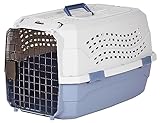
- Hard sided pet carrier with 2 doors for front and top entry; suitable for cat or medium size dog weighing 12 - 20 pounds
- Durable plastic construction with steel wire doors; screws keep the top and bottom sections securely connected
- Spring load latches ensure easy one-handed door opening and closing; top door swings open to the left or right and includes a top carry handle
- Plenty of air ventilation on the sides, top, and back of the carrier
- Note: Be sure to measure the size of the pet when choosing carrier size
For a cat with a history of panic, hissing, biting, vomiting, escape attempts or prolonged hiding after appointments, call before booking. Describe exactly what happened and ask the practice to record those details. A clinic that listens, offers options and is willing to alter or reschedule an examination is generally a safer choice than one that insists on completing the visit at any cost.
Why are vet visits so frightening for some cats?
The stress usually begins before the examination. The American Animal Hospital Association describes a chain that can include carrier confinement, transport, unfamiliar sights, sounds and smells, handling by strangers, and the procedure itself. Cats rely on predictability, familiar territory and a sense of control, so removing them from a safe location can feel threatening.
Free tools Windows power users keep installed
One-click scans. No signup required.
Sarah Heath, BVSc, DipECAWBM (BM), PGCert, Vet Ed FHEA, FRCVS, explains: “Leaving the home or the location where you feel safe is not a normal thing for a cat. So yes, it is reasonable for them to feel that being extracted from their safe place is potentially threatening.”
Feline guidelines describe this buildup as stressor stacking. Preparation at home, a difficult loading attempt, a moving car, a noisy lobby, a strange examination table, blood sampling and the trip home can each add to the next stressor. Temperament, pain, previous learning and how much control the cat perceives it has all change the response. A cat that coped last year may react differently when ill or painful.
Escalating fear is a medical and safety concern, not merely a behavior inconvenience. The AAFP/ISFM guidance warns that defensive aggression can increase injury risk, interfere with examination and sampling, alter some findings, and make owners postpone future care. Reducing fear therefore protects the cat, the staff and the continuity of treatment.
What is the difference between a Fear-Free and a regular vet?
The meaningful difference is usually a set of visible protocols, not a different category of medicine. A Fear Free credential indicates training; a regular practice must be judged by its actual feline procedures and willingness to individualize care.
Windows Errors? Fix Them Before They Spread
Repair common Windows errors and clear accumulated junk for a smoother, more stable PC - no reinstall needed.Free scan · no reinstallOutdated Drivers Are Slowing You Down
One free scan finds every outdated or missing driver and matches the right update for your exact hardware.Free scan · exact hardware matchAlso popular on Amazon

- STURDY & SECURE DESIGN – This hard-sided dog carrier and pet carrier provides reliable protection for cats and small dogs. The durable hard shell construction helps keep your pet safe and comfortable during trips to the vet, travel, or everyday outings.
- EASY TOP & FRONT ENTRY – Designed with both top and front doors, this cat carrier allows for quick, stress-free loading and unloading. Ideal for nervous pets, making vet visits and travel easier for both you and your pet.
- 360° VENTILATION – Multiple ventilation openings provide continuous airflow to help keep your pet cool and comfortable. Perfect as a cat crate or small dog carrier for short trips or longer journeys
- PERFECT FOR TRAVEL – Lightweight yet durable, this portable pet carrier features a comfortable carrying handle and secure locking latches, making it an excellent travel carrier for cats and small dogs by car or to the veterinarian.
- ROOMY & EASY TO MAINTAIN – Measuring 22.8" L x 15" W x 13" H, this hard shell cat carrier offers plenty of room for cats and small dogs while remaining easy to clean with a simple wipe-down after every trip
| What to compare | Cat-friendly or Fear-Free approach | Questions for any practice without a stated certification |
|---|---|---|
| Training signal | Fear Free certification or other documented feline-friendly training. | Which staff members have feline behavior or low-stress handling training, and when was it completed? |
| Dogs, noise and waiting | Separate cat and dog areas, quiet scheduling, or a plan to move the cat directly to an examination room. | Can my cat wait in the car or go straight into a room if the lobby is busy? |
| Carrier handling | Staff invite the cat to remain in the carrier or its bottom half when practical, rather than pulling or dumping it out. | Can you examine a cat in a top-opening carrier and use the lower half as a hiding place? |
| Hiding and control | Towels, boxes, covered areas and time for the cat to settle before handling. | What hiding options are available, and can my cat choose when to emerge? |
| Restraint | The least restraint needed, with pauses and a change of plan if struggling escalates. | What happens if my cat becomes more distressed during an examination or sample? |
| History | Prior reactions, preferences, triggers and successful techniques are recorded for the next visit. | Will you place my cat’s behavior history in the medical record and share it with the team? |
| Medication and rescheduling | Pre-visit anxiolytics are discussed when appropriate, and the clinic has a rescheduling or staged-visit policy. | Who decides whether medication is appropriate, and can we stop or reschedule if fear remains high? |
| Communication | Staff explain each step, invite questions and adapt to the cat’s signals. | Can I speak with a nurse or veterinarian before the appointment about a written plan? |
A clinic does not need every feature on every visit. Emergency treatment, severe pain or breathing problems may require rapid intervention. The comparison helps you identify a team that normally tries to preserve safety and control while still providing necessary care.
How should I choose a cat-friendly clinic?
Start with a phone call, not a stressful first appointment. Explain your cat’s age, medical needs, previous reactions, carrier behavior, mobility limitations and any history of biting or scratching. Ask the receptionist to add the information to the record and to tell the veterinarian or nurse.
Questions that reveal the real protocol
- How are cats separated from barking dogs and strong smells?
- Can you schedule a quiet time, allow me to wait in the car, or take us directly into a room?
- May my cat stay in the carrier, with the top removed or the examination performed in the bottom half?
- What bedding, towel or hiding option should I bring?
- How do you decide when restraint has become counterproductive?
- Do you offer a low-pressure “happy cat vet visit” with no examination and positive reinforcement?
- Do you discuss pre-visit medication for cats that panic, and how will you provide written instructions?
- What is your policy if the examination cannot be completed safely?
Good answers are specific. “We love cats” does not tell you whether the cat will sit beside barking dogs for 30 minutes. Look for a sequence: a quiet arrival, rapid rooming, time to settle, carrier-based examination, minimal handling and a documented follow-up plan.
How can I prepare an anxious cat at home?
Carrier training is the most important long-term preparation. Ilona Rodan, DVM, DABVP (Feline Practice), Cert FB, calls it “the number one thing.” Training works best when the carrier becomes ordinary furniture rather than a signal that an appointment is imminent.
Make the carrier a safe place
- Choose a sturdy, hard-sided carrier that opens from the top and front and separates through the middle. The removable top lets a veterinarian examine the cat in the lower half, avoiding forceful pulling or dumping.
- Leave the carrier open in a familiar room. Put in a washable blanket, a piece of clothing carrying a familiar household scent, treats or a favorite toy.
- Reward investigation without closing the door. If your cat only sniffs the entrance, reward that step; do not push the cat inside.
- When the cat rests comfortably inside, briefly close the door, reward, and reopen it. Increase the time gradually over multiple sessions.
Do not chase a cat around the house with the carrier. Chasing teaches the cat that the carrier predicts loss of control and can make the next attempt harder.
Practice handling and movement
- Touch ears, paws, legs and the area where a veterinarian may need to examine, pairing each brief touch with food.
- Lift the carrier a few inches, set it down, and reward calm behavior. Progress to walking around the home.
- Secure the carrier so it cannot slide, then take short car rides that end at home or another pleasant destination. Increase duration only while the cat remains below its panic threshold.
- Stop a session at early signs of distress such as crouching, rapid breathing, vocalizing, frantic scratching or attempts to escape. Continuing until the cat is exhausted can strengthen the fear.
Familiar bedding and a stable, secured carrier can reduce unfamiliar smells and motion. Ask the clinic about food and fasting instructions rather than imposing a long fast yourself. The 2022 feline environment guidance says fasting should depend on the procedure and the individual cat and should not be unnecessarily prolonged.
Also popular on Amazon

- Secure Hard-Sided Construction: Designed as a durable pet travel carrier for small dogs and cats, this hard shell pet carrier features four reinforced buckles with optional screws that help keep the top and bottom securely connected during car rides, vet visits and everyday travel.
- Front & Top Entry with 4-Sided Ventilation: Load your pet with ease using dual-door access. Four-sided ventilation allows continuous airflow and better visibility, making this dog and cat carrier more comfortable for road trips and camping.
- Comfortable Travel Essentials Included: The included feeding bowl makes feeding on the go easy, while the raised floor helps separate pets from urine and minor spills, creating a cleaner, more comfortable resting area during travel.
- Sized for Small Pets Up to 20 lbs: This pet carrier offers room for pets to sit, turn and lie down comfortably. Ideal for small dogs, cats, puppies and kittens during daily outings, road trips and veterinary appointments.
- Easy to Carry & Simple to Clean: Made from durable plastic with sturdy steel wire doors and secure locking latches, this travel pet crate is built for repeated use. The foldable handle makes carrying easier, while the smooth surface wipes clean quickly after every adventure.
Consider a practice visit
If available, book a “happy cat vet visit.” The cat may enter the clinic, receive treats or play, and leave without an examination. Such a low-pressure rehearsal can create a different association with the building, but it should be scheduled only when the practice can keep the experience genuinely calm.
Should I ask my vet for gabapentin before the appointment?
Ask the veterinarian whether a pre-visit anxiolytic is appropriate; do not give a drug or calculate a dose without veterinary instructions. The AAFP/ISFM guidance supports pre-visit pharmacotherapy for suitable cats alongside environmental and behavioral changes. The American Animal Hospital Association lists veterinarian-directed options including gabapentin, trazodone, benzodiazepines and clonidine, with the choice and dose individualized to the cat, procedure and medical history.
Give the practice a complete medication list and mention kidney, liver, heart or breathing disease, pregnancy, age-related frailty and any previous reaction. Ask when the prescribed medicine should be given, whether a test dose at home is recommended, what level of drowsiness is expected, and what to do if the cat vomits or refuses it. Follow the label and the clinic’s instructions exactly; never substitute a human prescription or a leftover medication.
Synthetic feline pheromone spray may be offered as an optional aid. Feline guidance cites products such as Feliway, and AAHA includes pheromone spray among possible calming supports. Spray it on bedding or the carrier only as directed and allow time for the product to dry. Pheromones are an adjunct, not a replacement for carrier training, a suitable clinic or prescribed medication.
What should happen when we arrive at the clinic?
The goal is to prevent a stack of avoidable stressors. A good plan keeps the cat’s exposure short, predictable and controllable while preserving the veterinarian’s ability to diagnose and treat.
- Arrival: Keep the carrier covered if that helps your cat and carry it level. Ask whether you should wait in the car or go directly to a room.
- Room setup: Place the carrier on a stable surface, not on a busy floor. Give the cat a towel, familiar bedding or another hiding option.
- Opening the carrier: Remove the top when possible and allow the cat to emerge voluntarily. The veterinarian may begin observing while the cat remains in the lower half.
- Examination: Use the least restraint that permits safe care. Short pauses, treats and a quiet voice can preserve cooperation; prolonged struggling is a signal to change the approach.
- Procedures: Ask whether blood pressure, sampling or injections can be staged, combined with a medication plan, or performed after a break. Urgent conditions take priority, but nonurgent work may be safer at a second visit.
- Departure: Secure the carrier before opening the examination-room door. Ask staff to record what worked and what triggered distress.
Some cats will still need firm, brief restraint or sedation. Cat-friendly care does not mean refusing necessary treatment; it means selecting the safest effective method and avoiding a contest when a different plan is available.
Also popular on Amazon
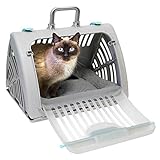
- DESIGNED SPECIFICALLY FOR CATS – PATENTED SIDE-OPENING DOOR - Original SportPet patented wide side-opening door allows cats to walk in naturally reducing fear, stress, and resistance. Ideal for anxious cats, vet visits, grooming, and everyday transport. Veterinarian recommended design for easier handling.
- HARD-SIDED CAT CARRIER WITH COMFORT BED INCLUDED - Includes 1 light gray hard-shell carrier with gray door plus an extra-comfy removable pet bed. Sturdy construction provides a safe, enclosed space cats prefer, while the soft bed adds comfort for travel or waiting rooms.
- TRAVEL-READY & VET VISIT ESSENTIAL - Perfect cat carrier for car travel, road trips, moving, and trips to the veterinarian. Smooth-closing secure door keeps pets safely contained while allowing fast, stress-free loading and unloading.
- EASY TO CLEAN & FOLD-FLAT STORAGE - Wide door opening makes cleaning quick after accidents. Carrier folds down flat for compact storage in closets, cabinets, or vehicles. Machine-washable & dryer-safe bed for hassle-free maintenance.
- IDEAL SIZE FOR LARGE CATS & SMALL PETS - Carrier dimensions: 18.5” L x 15.25” W x 14.25” H. Bed dimensions: 18” L x 13.75” W. Supports pets up to 25 lbs. Works great for large cats, small dogs, and small animals like rabbits, ferrets, and guinea pigs.
What if my cat fights the carrier or becomes aggressive?
Stop escalating attempts and call the clinic for a revised plan. Scruffing, forcing the cat through a small door or chasing it until exhaustion can increase fear and injury risk.
If the appointment is not urgent
- Tell the clinic exactly what happened and request a medication discussion or a staged visit.
- Ask whether the appointment can be moved to a quiet time or changed to a car-to-room process.
- Restart carrier training at an easier step rather than trying to “win” the current attempt.
If urgent care is needed
Tell the clinic that loading is unsafe before you leave home. Staff may advise a different carrier configuration, a prescribed medication, direct rooming or another transport method. Do not delay emergency care because a cat is frightened; call ahead so the team can prepare.
After a difficult visit
Request a written summary of triggers, successful handling and any medication response. At home, provide a quiet room, water and familiar bedding. Contact the veterinarian promptly for persistent vomiting, severe sedation, breathing difficulty, collapse, injury or behavior that does not begin returning toward normal.
Is a Fear-Free clinic more expensive?
There is no established current national price premium or head-to-head outcome trial comparing Fear Free-certified clinics with all ordinary practices in the available guidance. Fees vary by region, hospital, procedure, medication and whether an additional behavior consultation or sedated procedure is needed. Ask for an estimate that separates the examination, medication, laboratory work and any rescheduled visit.
Do these 3 things before closing this tab:
1Clear out junk files and repair common Windows errors2Fix the driver behind crashes, sound loss and screen glitches3Repair Windows errors before they cause bigger problemsA lower-stress plan can still affect total cost: a prescription, a practice visit or a second appointment may add charges, while completing a needed examination safely may prevent delays. The financial question is best discussed with the clinic after it understands the cat’s history; there is no reliable universal surcharge to apply to every certified practice.
How do I know whether the clinic was a good fit?
Judge the process as well as the medical result. A good fit is one where staff noticed early stress signals, protected the cat from unnecessary exposure, explained choices and documented what to repeat or avoid. Your cat does not have to appear relaxed for the visit to be worthwhile, especially when illness or pain is present.
Also popular on Amazon

- SECURE AND COZY DEN: The Petmate One-Door portable dog crate provides easy access with a front-loading door, offering a safe and comfortable space for your pet's natural denning instincts.
- AIRLINE-APPROVED: This small dog carrier airline approved meets most airline cargo specs. Ventilation holes provide fresh air and 360-degree visibility for your pet
- IDEAL FOR SMALL PETS: Designed as a puppy carrier for small dogs 0-15 lbs, the 24-inch crate offers room for pets to stand, turn, and lie comfortably; with space for a cushion to enhance comfort.
- EASY ASSEMBLY AND MAINTENANCE: The plastic dog crate shell is simple to clean; a stay-dry moat directs fluids away from pets
- CONVENIENT: Featuring steel doors with easy-squeeze latches and a foldable handle, this USA-made pet carrier for dogs & cats provides a less stressful travel experience.
- The team asked about previous reactions before handling.
- The cat was kept away from avoidable noise and dog contact when feasible.
- Staff offered a hiding place or carrier-based examination.
- Restraint was paused or modified when struggling increased.
- Medication, follow-up and rescheduling options were explained clearly.
- The record now contains practical instructions for the next visit.
If those elements were absent, give the veterinarian specific feedback and ask whether the next appointment can use a different protocol. If the practice cannot or will not adapt, seek another clinic with demonstrable cat-friendly procedures.
Frequently Asked Questions
Should I skip routine veterinary visits if my cat panics?
No. Avoiding preventive care can allow dental disease, pain or chronic illness to progress unnoticed. Instead, tell the clinic about the panic early and arrange a medication, transport and handling plan before the next nonurgent visit.
Can I give my cat an over-the-counter calming product made for people?
Do not do so unless a veterinarian has specifically prescribed and directed it for your cat. Human medicines and supplements can contain ingredients or concentrations that are dangerous to cats, and a sedated appearance does not prove that fear has been reduced safely.
How far in advance should a prescribed pre-visit medicine be given?
Timing depends on the drug, formulation, the cat’s health and the appointment procedure. Follow the clinic’s written directions and ask what to do if your cat spits out, vomits or refuses the dose; do not repeat it without professional advice.
Would a mobile veterinarian automatically be better for a fearful cat?
A home visit can remove the carrier ride and clinic waiting room, but it does not guarantee low-stress handling. Check whether the mobile team uses gradual introductions, hiding options, minimal restraint and a plan for cats that cannot be examined safely.





Leave a Reply