Free tools Windows power users keep installed
One-click scans. No signup required.
Feline idiopathic cystitis (FIC) is a painful bladder condition diagnosed when a veterinarian cannot identify another cause for a cat’s urinary signs. Straining, blood in the urine, or frequent trips to the litter box do not prove FIC: stones, infection, and a urethral blockage can cause similar signs. Repeated attempts to urinate with little or no urine are an emergency—seek veterinary care immediately.
What is feline idiopathic cystitis?
FIC is one possible cause of feline lower urinary tract signs (LUTS), the broad term for signs involving urination. “Idiopathic” means the initiating cause is unknown. A veterinarian diagnoses FIC only after evaluating the cat and finding no other explanation; there is no symptom checklist or home test that confirms it.
As an Amazon Associate I earn from qualifying purchases.
Current veterinary guidance describes FIC as complex, involving interactions between a susceptible cat and environmental factors, and not as a condition of the bladder alone. Stress may contribute, but no single cause or universal trigger has been established. Calling it “just stress” oversimplifies a painful condition.
What symptoms can FIC cause?
FIC can cause signs such as:
- Straining or appearing painful while urinating
- Frequent attempts to urinate, sometimes producing only small amounts
- Blood in the urine
- Crying out while urinating
- Licking the genital area frequently
- Urinating outside the litter box
These signs also occur with other urinary problems, so they cannot identify FIC on their own. A new urinary problem warrants prompt veterinary advice, even if the cat is still passing urine.
#1 Best Overall

- Purina ONE +Plus Urinary Tract Health cat food made with real chicken to help provide the protein she needs for strong muscles, including a healthy heart
- Urinary care cat food provides low magnesium and supports urinary tract health by reducing urinary pH
- Easily digestible SmartBlend of high-quality ingredients in Purina ONE urinary tract cat food includes four antioxidant sources for a strong immune system
- Deliciously crunchy cat food bites deliver great taste with no artificial flavors or colors
- Urinary health cat food crafted in Purina-owned, U.S. facilities
When is urinary straining an emergency?
Repeated straining with little or no urine may mean the urethra is blocked. A blockage prevents urine from leaving the body and can become life-threatening quickly. Cornell Feline Health Center guidance calls a urethral obstruction “an absolute emergency, requiring immediate veterinary treatment.” Do not wait to see whether the cat improves or assume that straining is constipation; contact an emergency veterinarian and go in immediately if you suspect the cat cannot urinate.
Male cats have greater obstruction risk because their urethra is longer and narrower. Cornell warns that death after a complete obstruction may occur in less than 24 to 48 hours. That is a danger signal, not a safe period to wait before seeking care.
Rank #2
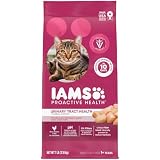
- Urinary Tract Health: IAMS Proactive Health Hairball & Urinary Tract Health dry cat food features clinically proven technology to promote urinary health in 10 days
- Cat Dry Food Reduces Hairballs: This cat food dry recipe includes a unique fiber blend clinically proven to reduce hairballs
- #1 Ingredient Is Real Chicken: IAMS Proactive Health Hairball & Urinary Tract Health cat food is made with real chicken as the #1 ingredient
- Quality Recipe: This recipe provides 100% complete and balanced nutrition for adult cats, delivering the nutrition they need
- Supports A Healthy Heart: IAMS Proactive Health Hairball & Urinary Tract Health dry cat food is crafted with essential nutrients including calcium and potassium to help nourish a healthy heart
Why does FIC happen?
The exact initiating cause remains unknown. FIC is associated with complex interactions involving the cat and its environment, but a particular event cannot be assumed to have caused an individual cat’s illness.
The Tool Desk
Outbyte PC Repair FREERepair Windows errors before they cause bigger problemsFix Now →Outbyte Driver Updater FREEScan for outdated or missing drivers - takes under a minuteDriver Scan →Cornell lists possible stressors such as a change in the household’s animals, a changed food schedule, or other environmental changes. It also lists factors associated with lower urinary tract signs, including middle age, excess weight, low activity, indoor litter-box use, restricted outdoor access, lower water consumption, male sex, multi-cat households, and changes in routine. These are associations, not proof that a factor caused FIC in a particular cat.
Rank #3

- Urinary Tract Health: IAMS Proactive Health Hairball & Urinary Tract Health dry cat food features clinically proven technology to promote urinary health in 10 days
- Cat Dry Food Reduces Hairballs: This cat food dry recipe includes a unique fiber blend clinically proven to reduce hairballs
- #1 Ingredient Is Real Chicken: IAMS Proactive Health Hairball & Urinary Tract Health cat food is made with real chicken as the #1 ingredient
- Quality Recipe: This recipe provides 100% complete and balanced nutrition for adult cats, delivering the nutrition they need
- Supports A Healthy Heart: IAMS Proactive Health Hairball & Urinary Tract Health dry cat food is crafted with essential nutrients including calcium and potassium to help nourish a healthy heart
How does a veterinarian diagnose FIC?
The veterinary work-up looks for explanations other than FIC, because several urinary diseases can produce overlapping signs. The veterinarian begins with the cat’s history and physical examination and may perform urinalysis. Depending on those findings, further tests may include blood work, X-rays, abdominal ultrasound, or urine culture.
These checks help distinguish FIC from problems such as urinary stones, infection, and obstruction. Which tests are appropriate depends on the cat’s signs and examination; the diagnosis is not made from straining or blood in the urine alone.
Rank #4
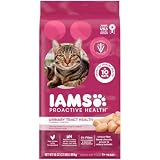
- Urinary Tract Health: IAMS Proactive Health Hairball & Urinary Tract Health dry cat food features clinically proven technology to promote urinary health in 10 days
- Cat Dry Food Reduces Hairballs: This cat food dry recipe includes a unique fiber blend clinically proven to reduce hairballs
- #1 Ingredient Is Real Chicken: IAMS Proactive Health Hairball & Urinary Tract Health cat food is made with real chicken as the #1 ingredient
- Quality Recipe: This recipe provides 100% complete and balanced nutrition for adult cats, delivering the nutrition they need
- Supports A Healthy Heart: IAMS Proactive Health Hairball & Urinary Tract Health dry cat food is crafted with essential nutrients including calcium and potassium to help nourish a healthy heart
How is FIC treated and recurrence managed?
Treatment should be set by a veterinarian for the cat’s diagnosis and condition. Cornell reports that signs often resolve within a couple of weeks regardless of treatment, while veterinary care also aims to reduce recurrence. That pattern does not make it safe to wait when a blockage is possible.
Make the home environment predictable and safe
Environmental modification is a central part of ongoing management. Cornell recommends a clean, safe place to urinate and opportunities for predatory behavior, such as climbing and toys to chase and catch. AAHA/AAFP’s 2021 feline life-stage guideline describes a study in which affected cats were followed for 10 months after multimodal environmental modification; the study found significant reductions in lower urinary tract signs, but the guideline passage does not give an effect-size figure.
Best Value

- UPDATED FORMULA: Clinically shown to promote urinary health by supporting a healthy mineral content in the urine
- Features natural fiber to help comfortably reduce hairballs and support healthy digestion
- Made with natural ingredients, plus added vitamins, minerals, and amino acids
- Made in the USA with global ingredients you can trust
- Hill's Pet Nutrition is the US Veterinarians' #1 recommended brand
Review litter-box setup and daily care
- Keep litter boxes clean and place them in quiet, safe locations.
- Cornell’s general FLUTD guidance recommends one more litter box than the number of cats in the household.
- Offer clean, fresh water and discuss any concern about the cat’s water intake with the veterinarian.
- Support an appropriate body weight and regular activity with veterinary guidance.
- Minimize major changes to routines where possible. If a change in food schedule has coincided with signs in this cat, discuss a consistent feeding routine with the veterinarian.
These steps support the home environment; none is established as a cure for FIC. A fountain is one optional way to offer water, not a proven superior choice over a bowl. Toys, climbing equipment, and litter supplies can help provide enrichment or a suitable toileting area, but should not be treated as medical therapy.
Make dietary decisions with the veterinarian
Ask the veterinarian whether a dietary change fits the cat’s diagnosis and history. Cornell states that commercial urinary diets have not been shown to reduce the incidence of LUTS themselves. A food’s “urinary” label alone does not establish that it will prevent or treat FIC.
What should you do if signs return?
Urinary signs that recur still need veterinary assessment: a previous FIC diagnosis does not rule out a new or different problem. If the cat is passing urine, contact the veterinary practice promptly for advice and an examination. If the cat repeatedly strains but passes little or none, treat it as an emergency and seek immediate care.
Recommended Free Tools
Quick Recap
Product prices and availability are accurate as of the date/time indicated and are subject to change. Any price and availability information displayed on Amazon at the time of purchase will apply.




