
PC Slower Than It Used to Be?
A free scan shows the junk files, broken settings and background clutter dragging Windows down - then fixes them in one click.Free scan · Windows 10 & 11Crashes, No Sound, or Screen Glitches?
Random freezes, missing sound and display glitches usually trace back to one bad driver. Find and replace yours safely.Free scan · under a minuteSome links on this page are affiliate links: if you buy through them we may earn a commission, at no extra cost to you.
Controlled fermentation can be useful, but it is not automatically better or safer than dry feed. When a cereal fraction is fermented under monitored, acidic conditions and the equipment is kept hygienic, lactic-acid bacteria can lower pH and suppress many Enterobacteriaceae. Uncontrolled fermentation, contaminated tanks, or fermenting the complete diet can instead increase microbial risk, destroy amino acids and energy, and worsen growth or feed conversion.
For most farms, dry or wet/dry feeding is the more predictable baseline. A fermented system is defensible only when you can control ingredients, use an approved starter or acidification method, measure pH, clean the entire liquid-feed circuit and track pig performance. The strongest evidence favors fermenting the cereal component rather than holding the whole formulated diet in a fermenting tank.
As an Amazon Associate I earn from qualifying purchases.
Recommended Free Tools
What is the difference between dry, wet/dry, fresh-liquid and fermented-liquid pig feed?
These systems differ mainly in when water is added and whether feed is deliberately held for microbial fermentation. “Wet” does not necessarily mean “fermented.”
| System | How pigs receive it | Main control point | Typical concern |
|---|---|---|---|
| Dry feed | Complete feed is offered without pre-mixing and fermentation. | Ingredient quality, storage and feeder hygiene. | Less opportunity to use fermentation-related gut effects, but the process is comparatively predictable. |
| Wet/dry feeding | Dry feed and water are delivered separately or mixed by the pig at the trough. | Water delivery and trough cleanliness. | It is often confused with pre-fermented liquid feed, although no holding period is required. |
| Fresh liquid feed | Feed is mixed with water shortly before delivery. | Mixing accuracy and rapid delivery. | Feed can still carry contaminated ingredients; it has not had time to develop a stable acidic fermentation. |
| Fermented liquid feed | Feed and water are held long enough for microbial fermentation to reach relatively stable conditions. | pH, time, temperature, inoculant or acidification, solids ratio and sanitation. | Early or poorly controlled batches can support undesirable microbes, nutrient loss and biofilm growth. |
Reviewed liquid-feed studies commonly use feed-to-water ratios of roughly 1:1.5 to 1:4. The correct ratio depends on the formulation and equipment; changing it alters acidity, mixing, settling and the amount of material available to microbes.
Popular on Amazon

- Clear pH Range: 0.0–6.0 scale with clear 0.5 interval markers for accurate, easy readings.
- Easy Testing: Dip, compare with the color chart, and easily monitor your ferment’s pH.
- Pre-Cut Strips: Includes 100 ready-to-use individual test strips, no cutting or tearing needed.
- Multi-Ferment Friendly: Perfect for kombucha, kefir, kimchi, sauerkraut, sourdough starter & brines.
- Small Woman-Owned Business: Built on a big love for fermentation. Thank you for your support!
Is fermented feed safer than dry feed for pigs?
Not by definition. Fermentation can improve microbial control after lactic-acid bacteria become dominant, but a batch is not safe merely because it smells sour or has been held for a certain number of hours.
How acidity can help
Lactic-acid bacteria convert available sugars into lactic and acetic acids. The resulting fall in pH creates conditions less favorable to many Enterobacteriaceae. The liquid-feed literature commonly cites a stable acidic range of about pH 3.5–4.5 as a useful control target, but pH alone does not prove that Salmonella, moulds or every other hazard is absent.
Why the first stage can be risky
Spontaneous fermentation may contain coliforms, Salmonella or moulds before lactic-acid bacteria dominate. If the substrate, temperature, oxygen exposure or microbial population is unfavorable, undesirable organisms can multiply instead of being suppressed. Yeasts and moulds can lower palatability and nutritional quality, while gas, swelling or unusual odors may indicate an unstable process.
What “controlled” means on a farm
- Use only a feed-approved lactic-acid-bacteria starter or acidification protocol, following the product label and local feed regulations.
- Measure pH with a suitable meter or pH strips rather than relying on smell, color or elapsed time.
- Define an acceptance range and reject batches that remain unexpectedly high, rise after reaching an acidic value or show visible mould, excessive gas or abnormal odor.
- Keep tanks, pipes, valves, pumps and troughs clean and dry between batches so an old biofilm cannot reseed new feed.
- Quarantine questionable ingredients and do not try to “fix” a visibly mouldy or putrid batch by adding more acid.
Teagasc, the Agriculture and Food Development Authority, reports that there is no standard protocol for maintaining liquid-feeding-system hygiene. Its report describes bacterial and fungal biofilms in mixing tanks and pipelines. This is why sanitation has to cover the whole circuit, not just the trough where pigs eat.
Does fermenting pig feed improve growth or feed conversion?
Results are mixed, and the formulation and fermentation method matter more than the label “fermented.” A 2020 Journal of Animal Science grow-finisher trial illustrates the difference between cereal-fraction and whole-diet fermentation.
| Experiment 1 treatment | Average daily gain | Reported feed-conversion value |
|---|---|---|
| Wet/dry feeding | 1,094 g/day | 2.26 |
| Fresh-liquid feeding | 1,088 g/day | 2.37 |
| Fermented cereal-liquid feeding | 1,110 g/day | 2.40 |
| Fermented whole-diet liquid feeding | 955 g/day | 2.88 |
The study reported the whole-diet treatment as the poorest result in experiment 1. Trough samples from that treatment contained less lysine, methionine and threonine, consistent with amino-acid degradation during fermentation. The fermented cereal treatment did not show the same degree of performance loss, supporting the practice of fermenting the cereal fraction while adding the protein, vitamin and mineral components as close to feeding as practical.
Quick wins for a faster PC:
Scan for outdated or missing drivers - takes under a minuteDriver Scan →Repair Windows errors before they cause bigger problemsFix Now →Also popular on Amazon

- Universal Liquid Testing Solution: Our pH strips provide accurate measurements for diverse liquids across home, educational, and laboratory applications. pH 0.0-6.0 range, High accuracy 0.5, Acid pH Test Strip Paper Specially.
- Comprehensive Household Applications: Measure pH levels for drinking water, swimming pools, garden water, and various cosmetic products with reliable accuracy. Home Usage, Water Test, Kombucha, Drink Test.
- Expert pH Testing Solutions: Defirm specializes in acid-base testing products as part of an established manufacturer group with over 15 years of R&D experience in acid-alkali measurement technology.
- Quick & Easy 3-Step Process: Just immerse the strip for a half second, remove and lightly shake off excess liquid, then quickly compare with the included pH color chart to instantly read your liquid's pH value. Reading within 10 seconds yields better results.
- Premium Quality Packaging: Each box contains 100 test strips in a transparent, storage-friendly case. Made with high-quality materials for extended 36-month shelf life.
Teagasc cites work in which liquid-fed pigs were at least 0.10 feed-conversion-efficiency units poorer than dry-fed pigs. The report attributes the loss in part to microbial use of amino acids and energy. That figure is a result reported for the cited work, not a universal penalty for every liquid system.
Where benefits may occur
Reviews describe possible improvements in feed intake, digestibility, gastric pH and gut health, particularly in young pigs. These effects are biologically plausible because organic acids and lactic-acid bacteria can alter the stomach and intestinal environment. However, published trials are contradictory: outcomes depend on age, diet composition, dry-matter intake, fermentation stability, hygiene and how performance is calculated.
Why a farm can see a different result
- Fermentation can consume soluble energy and free amino acids before the pig eats the ration.
- By-products vary in nutrient density and contaminant load from one delivery to the next.
- A tank with a mature biofilm may deliver a different microbial population than a freshly cleaned system.
- Water ratio, temperature and holding time alter the acidification curve.
- Feed conversion can worsen if pigs receive an under-specified amino-acid supply after fermentation losses.
Why is fermenting the cereal fraction usually preferred to fermenting the whole diet?
Fermenting only the cereal portion aims to capture acidification and lactic-bacteria effects while reducing exposure of free amino acids and sensitive nutrients to prolonged microbial activity.
The whole-diet problem
When the complete formulated diet is held in a fermenting liquid, microbes can decarboxylate or otherwise degrade free amino acids. Lysine, methionine and threonine are especially important because a reduction in their available supply can limit growth even when the analyzed crude-protein percentage looks unchanged. Microbial metabolism can also consume energy, so the ration delivered to the pig may contain less usable nutrient than the dry formulation assumes.
What’s actually slowing this PC down?
Pick the symptom - the matching free tool is one click away.
A more conservative design
A cereal slurry can be fermented under a defined protocol, with pH monitored until the batch is stable. The remaining protein sources, minerals, vitamins and other heat- or acid-sensitive components can then be incorporated according to the farm’s formulation and delivery schedule. This approach still requires nutrient verification; it is not a guarantee that every amino acid remains intact.
Formulate on realistic dry-matter intake and digestible amino-acid values. If the farm has evidence of fermentation losses, the nutritionist should account for them rather than treating the original dry formula as the exact nutrient supply at the trough.
Also popular on Amazon
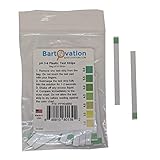
- 50 pre-cut single use strips enable easy, convenient, and rapid testing of solutions
- Vivid colors and blocks in increments of .5 enable more precise readings than wide range tests
- Plastic strips enable you to test without risk of touching what you are testing and eliminates risk of finger staining.
- Perfect range for testing sushi rice, salsa, and kefir. Always test discrete samples.
- Proudly made in America out of high-quality high contrast plastic and materials.
How do I control pH and decide whether a fermented batch is usable?
Use a written control plan instead of an informal “ferment until it smells right” rule. There is no single safe fermentation duration for every farm because ingredients, temperature, water ratio, inoculant and equipment change the rate of acidification.
- Inspect and document ingredients. Record lot numbers, moisture, by-products and any supplier laboratory data. Do not include material with visible mould, heating damage or an unexplained odor.
- Set the recipe and water ratio. Keep the feed-to-water ratio consistent within the validated process. A change from a thin to a very dense slurry can alter mixing and pH behavior.
- Apply the approved culture or acidifier. Follow the label dose, preparation method and permitted-use requirements for swine feed. Do not substitute a food, silage or home-brewing product without feed approval.
- Record time and temperature. Start a batch log when water and feed are combined. Note ambient or tank temperature because fermentation speed is temperature-dependent.
- Measure pH at defined checkpoints. A commonly cited acidic control range is about 3.5–4.5. The process should reach a stable value rather than merely touch the range once.
- Check the physical batch. Reject feed with visible mould, excessive gas, putrefactive or solvent-like odor, unexpected separation or a pH that rises after acidification.
- Release only an accepted batch. Document the pH, time, operator and destination pen. If the result is outside the farm’s specification, do not dilute it into an otherwise acceptable batch.
pH strips marked for the 0–6 range can support routine screening, while a calibrated meter gives more precise readings. Either tool supports process monitoring; neither proves the absence of pathogens or mycotoxins.
How should liquid-feed equipment be cleaned?
Cleaning must disrupt biofilms, remove residues and leave surfaces dry enough that organisms cannot multiply between batches. A rinse that makes the tank look clean may leave a microbial film inside a pipe, valve or dead leg.
High-risk locations
- Mixing tanks below the normal drain level.
- Pipe bends, valves, pumps and recirculation loops where solids settle.
- Flexible hoses and trough outlets that remain damp overnight.
- Scrapers, lids and fittings that are difficult to dismantle.
Operational safeguards
- Use a written cleaning schedule that assigns responsibility and records completion.
- Flush lines promptly after feeding so residues do not dry into a nutrient-rich film.
- Physically remove deposits before applying the farm’s approved detergent or sanitizer.
- Rinse according to the chemical label, drain low points and allow equipment to dry.
- Inspect inaccessible sections periodically; a clean trough cannot compensate for a contaminated pipeline.
Hygiene cannot rescue feed that already entered the system with a high microbial load or mycotoxin contamination. Ingredient screening and equipment sanitation are separate controls and both are needed.
What ingredient and mycotoxin risks should I consider?
Fermentation does not make an inconsistent by-product consistent, and it should not be treated as a detoxification step. By-products may vary in nutrient density, digestibility, disease organisms, moulds, mycotoxins and other toxic substances.
- Obtain supplier specifications and current laboratory or quality-control data where available.
- Track moisture and dry matter so a watery batch is not mistaken for a lower feed intake.
- Check whether the ingredient’s amino acids are expressed as total, digestible or standardized ileal digestible values.
- Use a sampling plan that represents the whole delivery; a single handful can miss localized mould or moisture pockets.
- Set rejection limits before the load arrives, not after pigs show poor intake.
When a by-product source changes, recheck the formulation and monitor the pigs closely. Fermentation can change palatability and nutrient availability, but it cannot remove every hazard that entered with the raw material.
Free tools Windows power users keep installed
One-click scans. No signup required.
Also popular on Amazon

- Designed by home brewer: Instantly and accurately test the pH of kombucha, beer, wine, mead, vinegar, or any other liquid in the 0-6 pH spectrum.
- Easy, Instant & Accurate pH Testing: Just dip a strip in a liquid solution for 1-2 seconds and compare the strip to the provided color chart.
- 100 pH Test Sticks: No need for any messy chemicals, reagents, or calibration of strips – just dip and compare.
- Safe Fermentation: Our pH test paper strips ensure your brew is fermenting safely within the proper pH range. The starting pH for kombucha needs to be at or below 4.5 pH. Finished kombucha has a pH between 2.5 – 3.5 pH.
- Elevate Your Brew: Knowing the pH allows you to monitor your kombucha brew progress, to get better, consistent batches.
Can fermented liquid feed cause digestive or welfare problems?
Reviews associate fermented liquid feeding with gastrointestinal disorders including gastric ulcers, tympany and haemorrhagic bowel syndrome in some settings. These are management- and context-dependent associations, not proof that every fermented system causes them.
Risk can rise when acidity, particle size, solids content, feeding rate, water access or hygiene is poorly controlled. Sudden diet changes can also depress intake or provoke diarrhea independently of fermentation. Introduce any new system gradually and record stool consistency, vomiting, abdominal distension, mortality and unusual behavior alongside production data.
Independent reader supportYour contribution helps us test, update, and keep practical guides available for everyone.What should I monitor after changing from dry to fermented feed?
Use a baseline period from the existing system, then compare the same measures after the change. A short-term improvement in appetite is not enough to justify a process that later loses amino acids or develops hygiene failures.
- Daily feed offered, refusals and estimated dry-matter intake.
- Average daily gain by pen or group.
- Feed conversion using a clearly defined numerator and denominator.
- Diarrhea, coughing associated with dust changes, mortality and treatments.
- Water consumption and evidence of separation or settling in troughs.
- Batch pH, fermentation time, temperature, odor observations and rejected batches.
- Cleaning records and any recurring residue or blockage in pipes.
Farm results can differ from published trials, so involve a swine nutritionist and veterinarian when performance or health changes are substantial. If monitoring cannot be done consistently, returning to dry or wet/dry feeding removes several uncontrolled variables.
Do these 3 things before closing this tab:
1Clear out junk files and repair common Windows errors2Scan for outdated or missing drivers - takes under a minute3Repair Windows errors before they cause bigger problemsWhich feeding system is the better choice for a farm?
Choose the system that matches the farm’s ability to control it, not the system with the most attractive theoretical benefit.
| Farm situation | More defensible starting point | Reason |
|---|---|---|
| Limited staff time, no routine pH checks or difficult-to-clean plumbing | Dry or wet/dry feed | Fewer fermentation and biofilm variables to manage. |
| Reliable ingredient testing, trained staff, validated cleaning and daily pH records | Controlled cereal-fraction fermentation | Offers a way to pursue microbial and gastric-pH effects while limiting whole-diet amino-acid exposure. |
| Need for a complete liquid diet but no method to verify amino-acid losses | Fresh liquid or dry/wet-dry feeding | Avoids prolonged holding of the full formula while the process is being validated. |
| Recurring mould, gas, unstable pH or pipe contamination | Stop fermentation and investigate | Continuing can spread the problem through every batch and pen. |
Dry feed is therefore the safer operational baseline when a farm cannot monitor pH, fermentation time, formulation and equipment hygiene. Fermentation becomes a reasonable option only when those controls are routine rather than aspirational.
Also popular on Amazon

- Designed by home brewer: Instantly and accurately test the pH of kombucha, beer, wine, mead, vinegar, or any other liquid in the 0-6 pH spectrum.
- Easy, Instant & Accurate pH Testing: Just dip a strip in a liquid solution for 1-2 seconds and compare the strip to the provided color chart.
- Ensures Your Kombucha Starting pH and Finished pH is Correct and Safe
- Elevate Your Brew: Knowing the pH allows you to monitor your kombucha brew progress to get better, consistent batches.
- Stop the Guess Work! Monitoring kombucha's pH is crucial for safety and success
What is the practical decision rule?
Use fermented feed only if you can answer “yes” to all of these questions:
- Do we know the dry-matter and digestible-amino-acid contribution of every major ingredient?
- Can we use an approved starter or acidification protocol exactly as labeled?
- Can we measure and record pH, temperature and fermentation time for every batch?
- Do we have a documented way to reject abnormal feed?
- Can we clean, inspect and dry tanks, pipes, pumps and troughs?
- Will someone review growth, feed conversion and health data after the change?
If any answer is no, dry or wet/dry feeding is usually the more predictable choice. If all answers are yes, start with the least nutritionally risky design: controlled fermentation of the cereal fraction, followed by careful formulation and performance monitoring.
Frequently Asked Questions
Can pigs eat fermented feed every day?
They can receive a consistently controlled fermented ration daily, but daily use does not make an unstable batch acceptable. The process needs repeatable pH, ingredient quality, nutrient formulation and equipment sanitation, with a clear rejection rule for abnormal batches.
How long should pig feed ferment before feeding?
There is no universal number of hours that applies to every recipe or climate. Release should depend on documented acidification to a stable farm-approved pH, together with normal odor and appearance, rather than time alone.
Does a sour smell prove fermented pig feed is safe?
No. Sourness suggests acid production but cannot identify Salmonella, mould toxins or contamination hidden in a pipe biofilm. pH checks, ingredient controls and sanitation are still required.
Can fermentation remove mycotoxins from pig feed?
Do not rely on fermentation as a mycotoxin-control method. Test or obtain quality data for suspect ingredients and reject loads that exceed the farm’s safety limits.
Should I add a probiotic to dry feed instead of fermenting it?
A feed-approved microbial product and a fermented ration are different interventions with different handling requirements. Follow the product’s swine-feed label and evaluate intake, health and growth rather than assuming either approach will reproduce the effects of the other.





Leave a Reply