
Some links on this page are affiliate links: if you buy through them we may earn a commission, at no extra cost to you.
There is no single best working breed. Choose a Belgian Malinois for demanding protection, military or high-speed operational work when an expert handler can provide daily structure and intensive engagement. Choose a German Shepherd for the broadest mix of patrol, guarding, service and detection work. Choose a Labrador Retriever for scent detection, retrieving and socially open service roles. Those are breed tendencies, not guarantees: the individual dog’s health, nerves, environmental confidence, trainability and the handler’s skill decide whether a prospect is suitable.
Government and kennel standards describe what a breed was developed to do, while operational agencies select and train individual dogs under rigorous systems. Use the comparisons below to narrow the role, then screen the actual dog and its support program before making a commitment.
As an Amazon Associate I earn from qualifying purchases.
The Tool Desk
Outbyte Driver Updater FREEScan for outdated or missing drivers - takes under a minuteDriver Scan →Outbyte PC Repair FREEClear out junk files and repair common Windows errorsFree Scan →How should you match a breed to a working-dog job?
Start with the task, not the breed’s popularity. Protection, patrol, scent detection, retrieving and public-facing service work place different demands on drive, body structure, endurance and social behavior.
| Decision axis | German Shepherd | Belgian Malinois | Labrador Retriever |
|---|---|---|---|
| Primary working profile | Versatile utility, patrol, guardian, service and detection | High-drive, agile, energetic protection and general-purpose work | Retrieving, scent detection and socially steady service roles |
| Standard temperament | Direct and fearless but not hostile; confident, approachable and willing to serve | Alert, intelligent, inquisitive, confident, energetic and highly responsive; fear or aggression is penalized | Stable, friendly, intelligent and good-natured |
| Structure and function | Longer than tall; substantial, muscular trotting dog | Square, moderate-boned and agile, built for efficient movement | Short-coupled, athletic and weather-resistant retrieving dog |
| Institutional examples | RCMP general-duty and specialty detection teams; Bundeswehr service use | Most frequently used Bundeswehr service breed; HMPPS general-purpose procurement | Bundeswehr specialized scent-detection role |
| Best match | Broad patrol or service work where versatility matters | Intensive operational work with highly active, expert handlers | Detection, retrieving and socially open working roles |
Most working dogs are approximately 21.5–26 inches at the withers and 50–80 pounds, but the useful question is whether an individual dog’s size, substance and movement suit the assignment. A heavier dog may be slower and less enduring than a lighter dog of the same height; an under-substantial dog may lack strength for apprehension or equipment.
Popular on Amazon

- New communication tool about you and your puppy.
- Pet Dog Training Clickers for Puppy, Cat, Potty, Bird, Horse, Pet, Trainer Training Tools, Behavior Aids
- Just press to mark desired behavior, then reward for faster learning.
- The spring wrist length : 16cm/6.3inches and can strength to 25cm/9.84inches.
- Package include : Black + Blue,each color 1 pcs.
Is a Belgian Malinois better for protection or military work?
For a high-output protection or military assignment, the Belgian Malinois is usually the strongest candidate of these three. Its advantage is a combination of readiness, agility, endurance and intense engagement with the handler, not an automatic guarantee of courage or control.
What the breed standard requires
The American Kennel Club standard describes a square, strong, agile dog that is alert, energetic and highly responsive to its owner. It states that correct temperament is essential to the breed’s working character; fear, shyness and inappropriate aggression are faults rather than desirable protection traits. A prospect therefore needs confident environmental behavior and controllability, not merely visible intensity.
Recommended Free Tools
Why agencies use Malinois
The German Bundeswehr identifies the Malinois as its most frequently used service breed because it is high-performing, willing to learn, resilient and versatile. The same description emphasizes high willingness to work and endurance. Those qualities fit fast searches, protection tasks and repeated training sessions, provided the handler can channel the dog’s drive into precise behavior.
What ownership demands
Malinois commonly require a structured daily outlet for work, play, learning and recovery. A dog that is physically exercised but lacks clear tasks can become difficult to manage; a dog that is pushed constantly without conditioning or rest can be injured or mentally overloaded. Professional coaching is essential for operational protection work, and a pet-bred dog should never be assumed to meet agency standards because it resembles a working-line example.
Is a German Shepherd the most versatile choice?
Yes, when the job spans several functions. The German Shepherd offers the broadest established fit for patrol, guarding, service and detection while retaining the strength and stature expected in demanding field work.
Also popular on Amazon

- ▼Come in 4 pack button clickers with wrist strap in 4 different colors:Black, Green, Orange, Yellow, each color 1 PCS
- ▼Can be used to train the dog basic obedience, small trick, and correct the bad behavior; Scientific method of training your pet safely and easily.
- ▼Stop barking and dog obdeience. Train your dog quiqly just by simply pressing the clicker and command.
- ▼Well constructed and durable, metal clicker will not rust or break.
- ▼Big button for easy clicking and loud sound. Easy to use in any position.
Temperament and working purpose
The AKC standard calls for a strong, agile, well-muscled dog with a direct and fearless but non-hostile expression. It should be confident, approachable and willing to serve as a companion, watchdog, guide for a blind person, herding dog or guardian. That combination helps a team move between public interaction, searching and controlled protective work without selecting a narrowly specialized temperament.
Institutional precedent
The Royal Canadian Mounted Police uses only purebred German Shepherds for its general-duty and specialty detection teams, citing versatility, strength, courage, stature and adaptability to different climates. The RCMP reports that its police dogs can search a car in approximately three minutes, begin formal training at 14–18 months and usually retire at seven to eight years. Those figures describe that agency’s program, not a promise for every German Shepherd.
Important health caution
Structural soundness must be screened carefully. A veterinary review in Frontiers in Veterinary Science notes very high hip-dysplasia prevalence in German Shepherd Dogs compared with several other large breeds and advises avoiding unsound or extreme individuals. A versatile role still requires a sound back, hips, elbows, feet and gait; breadth of ability cannot compensate for orthopedic weakness.
Is a Labrador good for detection, retrieving or service work?
A Labrador Retriever is an excellent fit when the core task is scent detection, retrieving or a socially steady service role, especially when protection work is not required.
Why the retrieving build matters
The AKC standard says the Labrador is bred primarily as a working gun dog. It describes a strongly built, athletic, weather-resistant retriever with the soundness to work long hours in difficult conditions and a stable temperament suitable for activities beyond hunting. The short-coupled, athletic structure supports repeated carrying, swimming and searching without making the dog a protection specialist.
Free tools Windows power users keep installed
One-click scans. No signup required.
Also popular on Amazon
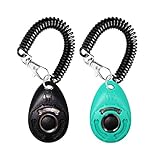
- EASY TO USE - Simple push button with distinct clicking sound.
- Comes with an elastic wrist band so you can leave it on your wrist or clip it to the leash or your pants.
- Not only train the dog but also the cat, bird, chicken, sheep a new behaviors like sit, fetch, roll over, lie down.
- For effective pet training ALWAYS reward with a treat after clicking.
- Can be used to train the dog basic obedience, small trick, and correct the bad behavior; Scientific method of training your pet safely and easily.
Scent-detection use
The Bundeswehr uses Labradors as specialized scent dogs. That is a meaningful example of a Labrador’s value in detection: a stable, friendly dog can work around people and remain engaged in a search task. It is weaker evidence for a general-purpose protection role, where the breed’s social openness and retrieving specialization are not the primary requirements.
Public-facing temperament
Friendly eyes, intelligence and a good-natured working temperament can be assets in service environments that involve frequent contact with handlers, bystanders or clients. The same sociability should still be evaluated individually; a working prospect must show environmental confidence, concentration and recovery from distraction rather than friendliness alone.
Which breed fits police work?
“Police work” covers several jobs, so the answer changes with the assignment.
Patrol and general duty
Choose a German Shepherd when patrol includes public interaction, searching, guarding and controlled apprehension. Choose a Malinois when the program prioritizes speed, agility, high repetition and intense handler engagement, and has expert staff to manage that drive.
Quick wins for a faster PC:
Scan for outdated or missing drivers - takes under a minuteDriver Scan →Clear out junk files and repair common Windows errorsFree Scan →Specialty detection
German Shepherds and Labradors both have institutional precedent. The RCMP uses German Shepherds in specialty detection teams, while the Bundeswehr uses Labradors specifically for scent detection. Select by the scent task, environmental conditions and the individual dog’s search persistence rather than by breed label.
Also popular on Amazon

- ONE MANUAL AUDIBLE CLICK SOUND: Produces one audible click when manually pressed. This clicker does NOT provide multiple selectable sounds, electronic volume controls, batteries, remote functions, or Electronic Stimulation.
- REVIEW PHYSICAL SIZE BEFORE ORDERING: Customer size preferences may vary. Review the current product images and listed dimensions before purchase rather than relying on general descriptions such as small or compact.
- AUDIBLE CUE ONLY – RESPONSE MAY VARY: The clicker provides a manual sound cue and does not automatically give instructions to the animal. Individual dogs and other animals may respond differently. Introduce the sound gradually and discontinue use if fear or discomfort occurs.
- 5-INCH USER-WORN VELCRO STRAP: Includes an approximately 5-inch adjustable Velcro strap designed to position the clicker on the user's finger or hand. Review the strap configuration before purchase. The strap is NOT intended to be worn by the pet.
- TEAL CLICKER ACCESSORY ONLY: Includes one Teal manual finger clicker and training instructions. Remote transmitter, receiver collar, batteries, and other training-system components are NOT included.
Protection-focused work
A Malinois is generally the most purpose-aligned option for demanding protection or military work. A German Shepherd can also be suitable when the role requires more physical substance or a wider range of duties. A Labrador should be considered only when protection is not part of the assignment.
What should you test before choosing an individual dog?
Breed tendencies narrow the field; a structured assessment decides whether a particular dog belongs in it.
- Define the task in writing. List detection, patrol, retrieving, protection, public contact, terrain, climate, shift length and equipment before meeting dogs.
- Check health and structure. Obtain orthopedic records, veterinary examination and gait assessment. Compare size, substance, chest and limb angulation with the physical demands of the job.
- Assess environmental confidence. Test recovery from unfamiliar surfaces, noise, crowds, vehicles and confined spaces. The Bundeswehr requires reliable work in noisy, unfamiliar environments and sure footing.
- Measure trainability and engagement. Look for clear responses to the handler, willingness to learn, concentration around distractions and a strong but controllable play or reward interest.
- Screen temperament. Reject fear, unstable aggression, poor recovery or inability to disengage. A breed standard is an ideal description, not evidence that every individual meets it.
- Plan the support system. Confirm access to professional trainers, veterinary care, conditioning, injury management, transport, secure housing and a retirement plan before acquisition.
- Use a probationary evaluation where possible. A period of supervised work reveals whether the dog can repeat tasks, settle between sessions and remain sound under the actual schedule.
How much training and management does an operational dog need?
Operational capability is created by the dog-handler team. HMPPS general-purpose dog training includes 40 initial training days and 10 continuation-training days before an annual assessment. The published requirements include control in varied conditions, correct response to commands, distraction tolerance, obstacle negotiation and the ability to work for at least three hours without losing interest or showing fatigue.
Do these 3 things before closing this tab:
1Repair Windows errors before they cause bigger problems2Fix the driver behind crashes, sound loss and screen glitches3Clear out junk files and repair common Windows errorsHandlers are trained continuously with their dogs in the Bundeswehr, and service dogs are certified annually. The dogs must remain reliable around noise and unfamiliar environments, with strong play drive and secure footing. These systems show why ordinary obedience classes are not enough for operational work.
The U.S. Army Public Health Center reports that most military working dogs are dual-trained for detection and police-patrol duties and treats veterinary care as part of readiness. Preventive medicine, conditioning, injury management and retirement planning should therefore be budgeted and scheduled from the start rather than added after a problem appears.
Also popular on Amazon

- Stronger Bark Control with 3X Ultrasonic Emitters: Unlike single-emitter devices, our upgraded dog bark deterrent features three synchronized ultrasonic heads—delivering 3X the coverage to quickly stop barking, biting, and jumping behaviors. Ideal for anti barking training, safer than bark collar, more effective than a dog whistle, offers a humane, high-performance dog training solution
- 6-in-1 Safe & Humane Training Modes:Our dog bark deterrent device features dual ultrasonic frequencies (fixed 25kHz and variable 20-30kHz), combining 4 ultrasonic modes plus an audible beep and LED flashlight for versatile training. Whether for daily training or stubborn, persistent barking, this anti bark device adapts to different dogs providing effective bark control without causing pain or distress. Perfect for training at home or to stop neighbors dog bark that disturbs your peace
- 23 FT Extended Range & Night Safety: Bark Control Anytime, Anywhere: Stop barking and bad behavior from up to 23 feet away with our powerful dog bark deterrent device — perfect for your yard, neighbor’s yard, outdoor walks, and off-leash areas. Whether you're relaxing at home or out for a stroll, enjoy safe, long-distance control to correct disruptions quickly. The built-in LED flashlight adds safety for evening walks, and low-light training
- Fast Charge & Long Battery Life – Always Ready for Training:With a Type-C fast charging port, our dog bark deterrent device reaches a full charge in just 2 hours and provides up to 30 days of regular use on a single charge, along with 180 days of standby time. Whether you're correcting anti barking behavior or training your dog in public places, you’ll always be prepared for any situation. Forget the hassle of frequent charging and enjoy reliable, long-term support
- Ultra-Compact Design for Everyday Convenience:50% smaller than standard dog bark deterrent devices, our anti barking device is ultra-compact and lightweight, fitting effortlessly into your pocket, bag, or hand. Whether you're on daily walks, outdoor adventures, or dealing with unexpected situations in public places, this portable design helps you stop barking and encourage good behavior anywhere, anytime. Say goodbye to constant noise and enjoy a happy experience with your dog
How do body structure and health change the decision?
Match construction to the physical task. Efficient movement and endurance matter for long patrols; strength and substance matter when a dog must carry equipment or perform controlled apprehension; moderate size may reduce mechanical load without sacrificing function.
- German Shepherd: screen hips, elbows, spine, feet and gait particularly carefully, and avoid extreme or unsound conformation.
- Belgian Malinois: confirm that high energy is paired with stable nerves, sound movement and the ability to settle. Intensity without resilience is not operational reliability.
- Labrador: evaluate orthopedic soundness, conditioning and heat or water tolerance for retrieving and search work, alongside scent persistence and environmental confidence.
No source establishes a universal exercise-hour minimum or a breed-wide operational success rate. Workload must be individualized according to age, conditioning, climate, veterinary findings and the actual schedule.
What are the most common selection mistakes?
- Choosing by image. A dramatic appearance or reputation cannot replace temperament and health testing.
- Confusing drive with control. High motivation is useful only when the dog can respond, disengage and recover.
- Ignoring the handler’s capacity. A Malinois may be an excellent operational dog and a poor fit for a handler without time, structure and expert support.
- Using agency examples as guarantees. Government programs select exceptional individuals and provide professional training; their breed choices guide role matching rather than predict pet-dog performance.
- Skipping retirement planning. Working life ends, and the dog still needs medical care, housing and a safe transition when it can no longer meet operational demands.
Which breed should you choose?
Use this decision rule:
- Belgian Malinois: demanding protection, military or high-speed operational work with expert training support and daily outlets.
- German Shepherd: a broad patrol, guarding, service and detection brief requiring versatility, strength and climate adaptability.
- Labrador Retriever: scent detection, retrieving, search support or socially open service work where protection is not required.
If an individual dog fails health, confidence, environmental stability or trainability screening, reject that prospect regardless of breed. The best working dog is the sound, controllable individual whose abilities match the assignment and whose handler can sustain the program.
Frequently Asked Questions
Can a Labrador Retriever be trained as a police dog?
Yes, for suitable detection or search roles. The Bundeswehr’s use of Labradors as specialized scent dogs shows that a Labrador can perform demanding operational searches, but that example does not establish the breed as a protection-focused general-purpose choice.
At what age do police dogs begin formal training?
The RCMP says its dogs usually begin formal training at 14–18 months. That is an agency-specific practice; developmental readiness and veterinary assessment still determine when an individual dog can safely progress.
What does annual certification involve for a service dog?
The Bundeswehr states that service dogs are certified annually after continuous handler-and-dog training. Certification is a recurring assessment of reliable performance, not a one-time confirmation that a dog will remain suitable indefinitely.
Crashes, No Sound, or Screen Glitches?
Random freezes, missing sound and display glitches usually trace back to one bad driver. Find and replace yours safely.Free scan · under a minuteWindows Errors? Fix Them Before They Spread
Repair common Windows errors and clear accumulated junk for a smoother, more stable PC - no reinstall needed.Free scan · no reinstallAre working-line dogs always healthier than show-line dogs?
The supplied standards and institutional examples do not establish a universal health advantage for one line over another. Evaluate the individual dog’s orthopedic records, movement, temperament and working behavior instead of assuming that a label guarantees soundness.





Leave a Reply