The German Shepherd Dog (GSD) is a versatile working breed, not simply a large family pet. Intelligent, athletic, alert, trainable, and deeply devoted to its household, a well-bred and well-socialized GSD can be an outstanding companion, service dog, detection dog, sport dog, or working partner. Those same qualities require daily structure: consistent training, thoughtful socialization, substantial physical activity, mental work, and careful management around people, animals, and unfamiliar situations.
A German Shepherd is usually a good match for an owner who wants an active dog and is prepared to make training and enrichment part of ordinary life. It is a poor match for someone seeking a low-energy, low-shedding dog that can be left alone for long periods with little supervision.
As an Amazon Associate I earn from qualifying purchases.
German Shepherd Dog at a glance
| Characteristic | What to know |
|---|---|
| Origin | Germany; the modern breed was formally established around 1899 |
| Original purpose | Tending and managing sheep |
| FCI classification | Group 1, Sheepdogs and Cattledogs; Section 1, Sheepdogs; subject to a working trial |
| Modern roles | Working, service, police, military, detection, search, guide, therapy, assistance, sport, and family companion work |
| Size | Desired height at the withers: males 24–26 inches; females 22–24 inches |
| Build | Large, muscular, agile, balanced, and slightly longer than tall |
| Coat | Medium-length double coat; a long, harsh outer-coat variety is also recognized by the FCI |
| Activity level | High; needs meaningful physical and mental activity every day |
| Typical social style | Loyal and affectionate with family, often reserved and watchful around strangers when properly socialized |
| Grooming reality | Regular brushing is necessary, and considerable shedding should be expected |
The Fédération Cynologique Internationale describes the breed as a versatile working, herding, and service dog and lists Germany as its country of origin. Its formal classification and working status help explain why the GSD’s abilities are broader—and its daily needs more demanding—than those of a typical companion breed. See the FCI German Shepherd Dog standard and classification.
History and original purpose
The German Shepherd Dog developed in Germany from dogs selected for their ability to tend and manage sheep. Around 1899, Max von Stephanitz and Artur Meyer played the foundational role in formalizing the breed. Horand von Grafrath was registered as the first German Shepherd Dog in the SV system. Early selection focused on working ability, intelligence, responsiveness, physical soundness, and stable character—not appearance alone. The AKC’s history of the German Shepherd Dog provides additional background.
#1 Best Overall

- GENTLE, EFFECTIVE CONTROL – Patented humane design helps discourage leash pulling and reinforce obedience with gentle correction.
- WATCHBAND LINK SYSTEM – High-strength links can be added or removed to size the collar precisely for a secure, comfortable fit.
- TRAINING TOOL - Rounded tips and martingale style collar offer gentle, effective control for training and preventing lunging or pulling behaviors.
- EXPERT CREATED – Developed by certified training and behavior experts at Starmark Academy for effective, positive training.
- SUPERVISED TRAINING ONLY – Includes a backup nylon slip collar for security; never leave any training collar on an unattended dog.
Herding work required a dog that could stay alert for long periods, notice changes in its surroundings, cover ground efficiently, and respond to human direction. Those inherited tendencies remain visible in many household GSDs. A dog that constantly monitors doors, windows, visitors, noises, and movement is expressing part of the breed’s working heritage—even if it has never seen a flock of sheep.
As the breed’s versatility became more widely recognized, German Shepherds moved into military and police work, search and rescue, tracking, detection, guide work, service work, therapy, assistance, and competitive dog sports. The important point for a prospective owner is that the GSD was selected to think, observe, move, and cooperate. Its intelligence and drive are assets only when the dog has suitable outlets.
Size, structure, and appearance
The German Shepherd is a large, athletic dog with a muscular but functional build. The body should be longer than it is tall, with enough substance for demanding work without looking clumsy or excessively soft. The German Shepherd Dog Club of America gives a desired height of 24–26 inches for males and 22–24 inches for females, measured at the withers. These are breed-standard goals, not a promise that every individual will fall exactly within the range. Review the GSDCA breed standard for the club’s description of structure and character.
A GSD’s athletic appearance should be supported by sound movement and physical balance. When choosing a puppy or adult, look beyond dramatic color, size, head shape, or stance. Structure, gait, health records, temperament, and the dog’s ability to perform the activities you want are more useful selection criteria than a marketing label or a fashionable look.
Coat and colors
The usual coat is a medium-length double coat, with an insulating undercoat and a protective outer coat. The FCI also recognizes a long, harsh outer-coat variety. Coat terminology can differ among registries and breeders, so ask what a seller means rather than assuming that labels such as “long coat” have the same formal meaning everywhere.
In the AKC presentation of the breed, colors include black and tan, black, black and cream, black and red, black and silver, gray, sable, white, liver, blue, and bi-color. Color is only one part of the picture. It does not replace evaluation of health, temperament, structure, working suitability, or the quality of the breeding program. The AKC’s German Shepherd overview discusses coat, activity, and ownership considerations.
Be cautious with phrases such as “American line,” “German line,” “working line,” and “show line.” They may describe a breeder’s goals or ancestry, but none of them automatically guarantees a particular temperament, level of drive, orthopedic health, or family suitability.
Recommended Free Tools
Temperament: loyal, alert, and often reserved
The desired German Shepherd temperament is confident and courageous without hostility. The GSDCA standard describes a dog that is direct and fearless but not hostile, self-confident, alert, poised, approachable, and willing to meet overtures without indiscriminately making friends. Timidity, nervousness, shrinking from the handler, and pronounced fear are inconsistent with the desired character. The GSDCA standard’s temperament section is an important reference when assessing breeder claims.
In everyday life, a stable GSD may be affectionate and playful with its family while remaining observant or reserved with strangers. Reserve is not the same as aggression. A dog that notices a visitor and waits for direction is displaying a different behavior from a dog that lunges, cannot recover from excitement, or reacts fearfully to ordinary handling.
Rank #2

- ★Adjustable Size➠ The perimeter of the dog training collar can be adjusted to 23.6 inches, suitable for small medium large dogs. You can add or remove individual chains on the dog pinch collar to fit your dog's neck as need
- ★High-Strength Material➠ Aheasoun prong collar is made of high strength chrome plated stainless steel recommended by trainers. Prong collars for dogs have a silver coating for links that can provide a stable usage period for your dogs
- ★Safety And Effective ➠ Aheasoun dog training collar place even pressure on the neck sides and not on the trachea, prong ends of the dog choke collar are protected by rubber tips that can prevent harms to your dogs neck
- ★Easy To Use ➠ The training collar for dogs can easy to put on and take off in a second. Prong collars for dogs have a strong D-ring that provides a more secure connection with leash. If the product is locked or knotted and cannot be used, please remove the rubber tips, loosen the prong collar, adjust the chain links, form a standard prong collar, and reinstall it on the dog neck for training
- ★ Comfort Rubber Tips & Package➠ Pinch collar with comfort rubber-tipped prongs can better protect dog's skin. Package (1 X Dog Prong Collar and 8 X Rubber Tips) If the product is missing accessories, please contact us and we will send a replacement asap
Breed tendencies are not guarantees. Genetics, prenatal and early rearing conditions, socialization, training, health, previous experiences, and the current environment all influence behavior. Even within one litter, puppies can differ substantially in confidence, sociability, energy, sensitivity, and interest in work.
Socialization is behavior preparation, not forced friendliness
Early socialization should give a puppy safe, positive exposure to the world while preserving the ability to observe calmly. Useful experiences include people of different ages and appearances, stable dogs, household sounds, traffic, surfaces, grooming, veterinary handling, car travel, visitors, and ordinary changes in routine. The objective is not to make the dog greet everyone. It is to build confidence, recovery from novelty, and reliable behavior around distractions.
The Tool Desk
Outbyte PC Repair FREERepair Windows errors before they cause bigger problemsFix Now →Outbyte Driver Updater FREEFix the driver behind crashes, sound loss and screen glitchesFind Drivers →Because a GSD is strong, vigilant, and physically imposing, a behavior problem that might be inconvenient in a small dog can become a serious safety and management issue in this breed. Children should be supervised with any dog. Visitors, unfamiliar dogs, livestock, delivery workers, and repair personnel also require management rather than assumptions about how the dog “should” react.
Do not describe all German Shepherds as aggressive, dominant, or naturally dangerous. The desired standard calls for confidence and courage without hostility and rejects pronounced shyness and nervousness. A dog showing fear, escalating reactivity, guarding, or aggression needs a veterinary assessment and help from a qualified behavior professional—not punishment or an attempt to intensify protective behavior.
Training and mental stimulation
German Shepherds are highly trainable and often excel in obedience, tracking, herding, agility, rally, therapy, service work, detection, and other structured activities. They generally benefit from clear expectations and meaningful cooperation with their handler. Intelligence, however, is not self-management. A bored or frustrated GSD may bark, chew, dig, patrol, steal objects, or invent its own activities.
Use reward-based training that is consistent, clear, and appropriate to the individual dog. Begin with household skills rather than waiting for a problem:
Quick wins for a faster PC:
Clear out junk files and repair common Windows errorsFree Scan →Fix the driver behind crashes, sound loss and screen glitchesFind Drivers →Repair Windows errors before they cause bigger problemsFix Now →- Responding to its name and orienting to the handler
- Reliable recall, with safety management until it is genuinely dependable
- Loose-leash walking and calm transitions through doors and gates
- Settling on a mat or bed
- Impulse control around food, toys, visitors, and movement
- Cooperative handling of feet, ears, mouth, coat, and veterinary equipment
- Calm behavior around guests and neutrality around dogs and other distractions
- Safe vehicle behavior and a practiced emergency cue
Short, frequent training sessions are often more productive than turning every interaction into a long drill. Rotate activities so the dog learns both active work and calmness. Nose work, tracking games, retrieving, obedience practice, food puzzles, and carefully managed play can tire the mind without relying only on high-impact exercise.
Protection training is not a substitute for obedience or socialization. It can increase risk when undertaken casually or with an unqualified trainer. Owners considering any protection-oriented work should first establish reliable household control and seek a professional who can explain goals, temperament requirements, safety procedures, and how the dog will be taught to disengage.
For a new owner, a German Shepherd puppy training guide can help organize foundational lessons and provide ideas for daily practice. A book is a supplement, not a replacement for veterinary guidance, puppy socialization support, or individualized help when behavior becomes difficult.
Rank #3
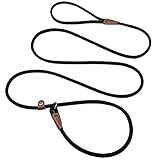
- Control for Behavior: No pull slip lead dog leash, 2 in 1 leash and collar design. Simple and easy use to correct behavior and stop dogs from pulling
- Classic colors: 13+ stylish colors for you choose to make your pets stand out. Bright colors make it easier to accurately see where it is on the pup’s neck and whether it needs to be adjusted. The slip leash make your dog safer and more fashionable
- Fit All: 7 feet long, 1/4 inch slip rope dog leash is a perfect balance between freedom and control, adjustable to fit any dog neck size, suitable for small medium dogs pets outdoor walking, hiking and training
- Sturdy Nylon Slip Lead: Slip knot rope leash is made of high density nylon rope, a sturdy leather connection and strong hardware o-ring. Flexible, lightweight yet durability
- Versatile for Training: This leash is perfect for dog training. Its length allows you to teach your dog commands like "heel" and "stay" effectively. The smooth texture of the nylon won't irritate your dog's neck during training, making the learning process more pleasant for both of you
If you need hands-on support, look for a qualified positive-reinforcement dog trainer who can describe their methods, experience with large working breeds, approach to fear and reactivity, and plan for teaching calm behavior—not just obedience commands.
Do these 3 things before closing this tab:
1Scan for outdated or missing drivers - takes under a minute2Clear out junk files and repair common Windows errors3Fix the driver behind crashes, sound loss and screen glitchesExercise: plan for a working dog
A German Shepherd generally needs extensive physical and mental activity every day. A fenced yard is useful for safe management, but it is not an exercise plan by itself. Walking, hiking, retrieving, scent work, tracking, obedience, rally, agility, herding activities, controlled play, and other purposeful outlets can all contribute.
The right amount depends on age, health, conditioning, weather, and the individual dog. The goal is not to create an athlete that cannot settle; it is to provide enough appropriate activity that the dog can relax at home. Include calm decompression, rest, and simple problem-solving rather than escalating exercise indefinitely whenever the dog is restless.
Puppy exercise requires restraint
Growing large-breed puppies should not be pushed into repetitive, high-impact activity before their bodies mature. Avoid treating a puppy like a miniature adult by demanding long forced runs, excessive jumping, repeated hard stops, or prolonged pounding on unsuitable surfaces. Ask your veterinarian how to progress activity, support healthy growth, choose an appropriate nutritional plan, and monitor orthopedic concerns. The AKC’s large-breed puppy guidance offers a starting framework.
Keep growing dogs lean rather than overfed. Excess body weight increases musculoskeletal stress, especially in a large, active breed. Your veterinarian can assess body condition and help adjust feeding as the puppy grows.
Free tools Windows power users keep installed
One-click scans. No signup required.
Grooming and shedding
The German Shepherd’s double coat offers insulation but also produces a great deal of loose hair. Regular brushing removes shed undercoat, reduces the amount of hair accumulating in the home, and gives you a chance to notice skin irritation, parasites, wounds, or unusual changes. Brushing needs commonly increase during seasonal coat changes.
Bathing should be based on the dog’s condition and lifestyle rather than an arbitrary calendar. Routine care should include checking and cleaning ears as advised by a veterinarian, trimming nails before they become overgrown, brushing the teeth or using a veterinary-approved dental-care routine, and inspecting the coat and skin.
A German Shepherd grooming brush or suitable undercoat tool may make regular coat maintenance easier, but no brush eliminates shedding and no single tool suits every coat or dog. Introduce grooming gradually, reward cooperation, and stop if the dog is distressed. Shaving a double-coated GSD is not a routine solution for shedding or warm weather; discuss medically necessary clipping with a veterinarian or experienced groomer. See the AKC’s coat and grooming guidance.
Health: what owners and puppy buyers should know
German Shepherds can be affected by hip dysplasia, elbow dysplasia, degenerative myelopathy, gastric dilatation-volvulus (bloat), and other conditions affecting individual dogs. A breed profile cannot predict which diseases a particular dog will develop. Regular veterinary care, appropriate body condition, sensible exercise progression, and attention to changes in gait, strength, appetite, digestion, and behavior all matter.
Windows Errors? Fix Them Before They Spread
Repair common Windows errors and clear accumulated junk for a smoother, more stable PC - no reinstall needed.Free scan · no reinstallCrashes, No Sound, or Screen Glitches?
Random freezes, missing sound and display glitches usually trace back to one bad driver. Find and replace yours safely.Free scan · under a minuteRank #4
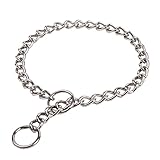
- DOG CHAIN COLLAR recommended for professional training. To use the collar you need to slide the chain through one of the loops to make it into an actual collar.
- CHOKER COLLAR, Measure dog's neck and add 2 inches for initial collar length for Adjustment
- MARTINGALE COLLAR, the heavy chain collar is made of 304 stainless steel for maximum strength and durability
- TRAINING COLLAR, Training your dog is easy with our chain training collar
- SLIP COLLAR, NO tarnish, rust, or break,dog training choke/collar is excellent for gentle control, great for Pit Bull German Shepherd Staffordshire Terrier Training Metal Gear Prong Pets Collar
Health screening for breeding dogs
When evaluating a breeder, ask for verifiable records for both the sire and dam rather than accepting a verbal assurance that the parents are “healthy.” The AKC and German Shepherd Dog Club of America identify hip evaluation, elbow evaluation, and temperament testing as core recommendations. The GSDCA’s CHIC-specific requirements include hip dysplasia evaluation through OFA, elbow dysplasia evaluation through OFA, and submission of a passing GSDCA temperament-test result to OFA. Review the AKC herding-group health-testing requirements and the GSDCA Health and Genetics Committee information before making a breeding decision.
The GSDCA’s broader Health Award of Merit criteria also include OFA cardiac and thyroid testing. Degenerative-myelopathy testing is included for reporting and research purposes but is not currently disqualifying under that award. The club notes ongoing research into why some dogs carrying the SOD1 risk mutation do not develop degenerative myelopathy.
A DNA result is not a complete health assessment and should not be treated as a diagnosis. Genetic risk information needs to be considered alongside physical examinations, family history, orthopedic evaluations, cardiac screening where appropriate, temperament, and the dog’s actual clinical condition. The AKC explains why health testing involves more than a DNA panel.
Bloat is an emergency
Learn the warning signs of gastric dilatation-volvulus before you bring home a large dog. A distended abdomen, repeated unproductive retching, collapse, or sudden severe distress requires immediate veterinary attention. Do not wait to see whether the signs pass and do not attempt to diagnose or treat suspected bloat at home. Know in advance which emergency clinic you would use, how to reach it, and how to transport the dog safely.
Choosing a responsible breeder
Responsible breeding is about more than producing a particular color, size, pedigree, or working label. A good breeder should be able to explain why the sire and dam were paired, what traits are being selected, how the parents behave in ordinary situations, and where the puppies are expected to fit.
Ask to see:
- Verifiable hip and elbow evaluation records
- Temperament-test information and an explanation of how the breeder assesses confidence, sociability, recovery, and working suitability
- Relevant cardiac, thyroid, and other screening records
- Health and longevity information for parents, siblings, grandparents, and previous offspring
- Details about early handling, socialization, enrichment, and exposure to household life
- The contract, return policy, health guarantee, and support available after the puppy goes home
- A clear answer about what happens if a serious inherited or congenital problem appears
Health certificates are useful evidence, but they do not guarantee that a puppy will remain healthy or that its temperament will match your expectations. A breeder should also ask you difficult questions about your schedule, experience, housing, activity plans, training resources, and goals. That scrutiny is usually a sign of responsible placement rather than an obstacle.
Independent reader supportYour contribution helps us test, update, and keep practical guides available for everyone.Adopting an adult German Shepherd
An adult GSD from a rescue or shelter may be an excellent match, particularly for someone who wants a clearer view of the dog’s established size, energy, and social behavior. Ask for medical records, vaccination and medication details, previous living arrangements, known triggers, behavior around children and dogs, handling tolerance, resource guarding history, ability to settle, and experience with crates, cars, and being left alone.
Information may be incomplete, especially for a stray or surrendered dog. Plan a gradual transition with secure equipment, controlled introductions, predictable routines, and professional help if needed. Do not assume that an adult dog’s behavior in a kennel predicts how it will behave in a home, but do not dismiss warning signs either. A careful rescue organization should help match the dog’s needs to your household and be candid about uncertainty.
Is a German Shepherd a good family dog?
A well-bred, stable, socialized, trained, and appropriately exercised German Shepherd can be affectionate with family and dependable in a household. The breed is not automatically unsuitable for children, but its size, strength, speed, vigilance, and tendency to monitor its environment make supervision and management essential. Children should not be expected to control the dog, interrupt rough play, or handle feeding and high-value items without an adult.
Best Value
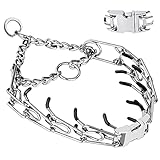
- 【Effective Safiman Dog Collar】: Walking your dogs can be tough when they're constantly pulling on the leash or barking at passers-by. Safiman dogs Collar will be the best tool to communicate with your puppy, which mimics the correction that a mother dog naturally gives to puppies, making it easier for them to understand when their behavior is unacceptable.Easily Correct Your Dogs Behavior.
- 【Humanity Protection Design】: Safiman Dog training Collar used round head and smooth surface, the collar for dogs provide necessary & friendly remind, and ensure that no harm comes to your pet.Equipped with comfortable rubber cover, soft rubber caps provides extra comforts.which makes getting your dog to accept much easier.
- 【Quick Friendy Front Bukle】: This unique Safiman Dog training Collar shas a custom-designed front quick release buckle is friendly to your dog and make securing removing the leash from your dog a breeze! 8 collar links placed directionally around the collar ensure you will get your dog’s attention no matter the angle.
- 【Stainless Steel Reliable】: This Safiman Dog training Collar is made of high strength chrome plated stainless steel, this durable collar has a rust-free and water-resistant construction that will provide years of use. Smooth and round edge, combines with the rubber caps to bring double protection which will not cause harm to your pets.
- 【For All Sizes of Breed】: whether your pet is a Pitbull, a German Shepherd, a Beagle , or a Bulldog, our collar is suitable for all size of breed, the package comes with 2 links, it is convenient for any adjustment, Multiple different size meets your different needs, suitable for small, medium, large and extra-large dogs.
The best household fit usually includes:
- Time every day for exercise, training, enrichment, and calm interaction
- A realistic plan for shedding, grooming, veterinary care, and secure containment
- Adults willing to teach visitors and children how to behave around the dog
- Early, positive socialization and continued reinforcement of calm responses
- A plan for the dog’s care during workdays, travel, illness, and emergencies
A GSD may be a poor fit if you want a dog that needs minimal training, sheds very little, is content with brief walks, or can spend most of the day alone. A large home or yard does not compensate for insufficient engagement, and a small home is not automatically disqualifying if the dog’s physical, mental, and management needs are consistently met.
Practical supplies and preparation checklist
Buy for the individual dog’s size, chewing style, coat, training stage, and health—not for a breed stereotype. Useful preparation categories include:
- Large-dog crate or another safe rest area sized for the dog to stand, turn, and lie comfortably
- A secure leash and appropriately fitted collar or harness, with equipment checked regularly for wear
- Durable enrichment toys and puzzle feeders used with supervision, especially for powerful chewers
- Washable bedding and barriers or gates for managing rooms, visitors, and introductions
- Cooperative-care supplies for nails, teeth, ears, and the double coat
- Small, appealing training rewards and a safe way to carry them during walks
- Identification, current veterinary records, emergency contact information, and a transport plan
Equipment supports management; it does not replace exercise, training, socialization, veterinary care, or supervision. Inspect toys, crates, leashes, and harnesses regularly and replace anything damaged.
What’s actually slowing this PC down?
Pick the symptom - the matching free tool is one click away.
German Shepherd ownership: a realistic decision test
Before choosing this breed, answer these questions honestly:
- Can I provide daily work? Not just access to a yard, but walks, training, sniffing, play, and mentally demanding activities?
- Can I manage a powerful, watchful dog? Do I have a plan for guests, children, delivery workers, other animals, and public spaces?
- Will I train for calmness as well as activity? Can I teach the dog to settle, disengage, accept handling, and respond reliably?
- Can I tolerate substantial shedding? Am I prepared for regular brushing and hair in the home?
- Can I afford preventive and emergency care? This includes screening, routine veterinary visits, training support, quality food, equipment, and unexpected illness or injury.
- Does the dog’s inherited drive match my goals? A high-drive working prospect may not be the right choice for a quiet companion home, while a calmer adult may be a better match.
The central selection priorities are stable temperament, sound structure, documented health screening, an appropriate activity level, and a realistic match between the dog’s inherited drives and the owner’s life. Appearance and pedigree labels should come after those considerations, not before them.
Frequently Asked Questions
Are German Shepherds naturally aggressive?
No single temperament is guaranteed by breed. The desired GSD character is confident, courageous, alert, and poised without hostility. Genetics, socialization, training, health, and environment all influence behavior; fear, reactivity, or aggression should be addressed with veterinary and qualified behavior support.
How much exercise does a German Shepherd need?
Most need extensive physical and mental activity every day, but there is no single safe duration for every dog. Age, health, conditioning, weather, and individual drive matter. Structured walks, hiking, scent work, tracking, obedience, retrieving, and controlled play are useful, while a fenced yard alone is not enough.
What health tests should a German Shepherd breeder provide?
Ask for verifiable hip and elbow evaluations and temperament-test information. The GSDCA’s CHIC-specific requirements include OFA hip and elbow evaluations and submission of a passing GSDCA temperament-test result to OFA. Also ask about cardiac, thyroid, degenerative-myelopathy, family-history, and longevity information.
Can German Shepherds be good family dogs?
Yes, a stable, well-socialized, trained, exercised, and appropriately managed GSD can be an affectionate family companion. Its size, strength, vigilance, shedding, and training needs make supervision around children, visitors, unfamiliar dogs, and livestock essential.
The Bottom Line
Bottom line: The German Shepherd Dog is an exceptionally capable, versatile working breed whose best qualities come with real responsibilities. Choose for stable temperament, sound health, and a suitable activity level; provide early socialization, reward-based training, daily physical and mental work, regular grooming, and careful supervision. When those needs match your household, the GSD can be a deeply loyal and rewarding companion. When they do not, the breed’s intelligence, strength, and protective instincts can become difficult to manage.
Quick Recap
Product prices and availability are accurate as of the date/time indicated and are subject to change. Any price and availability information displayed on Amazon at the time of purchase will apply.




