An outbreak response has one job: break transmission between infected or exposed dogs and dogs that haven’t been exposed, including the ones arriving tomorrow. In practice that means recognizing and reporting cases quickly, isolating sick dogs, identifying exposed but healthy dogs, separating the groups, cleaning properly, and writing down every decision. These steps often happen at once, not in tidy sequence. ASPCApro’s outbreak management guidance stresses that every staff member and volunteer helps by noticing changing patterns and reporting concerns.
This guide is written for shelters and rescues, and it applies to boarding and other multi-dog settings too. The exact steps depend on the suspected virus, how dogs were exposed, your veterinarian’s advice, local rules and your capacity. Use it as a framework to build a written plan around, not as a replacement for one.
The first-response sequence
Have the plan written before anything happens. When illness is suspected, work through these steps, usually in parallel:
- Recognize and report. Any staff member or volunteer who sees a cluster of sick dogs, or an unusual pattern, tells the designated lead right away. Daily rounds are where patterns show up.
- Call your veterinarian. They guide the diagnostic plan, sampling, treatment and placement options.
- Isolate clinically sick dogs. Move them out of the general population and into physically separate space.
- Identify the exposed. Work out which asymptomatic dogs shared space, equipment, staff or traffic routes with sick dogs, and group them for quarantine and risk assessment.
- Make a clean break. Limit animal movement and foot traffic between contaminated and clean areas.
- Clean and decontaminate with methods matched to the pathogen.
- Document and communicate. Record who was where and when, what was decided and why, and keep staff, fosters, adopters and (where required) authorities informed.
Follow any federal, state and local reportable-disease requirements that apply to you. These vary by place and disease, so confirm them with your veterinarian or local authorities in advance, not mid-outbreak.
#1 Best Overall

- Fast-Acting Disinfectant Concentrate – Dilute 1:16 to kill Ringworm, Influenza, Feline Calicivirus, Kennel Cough, and Parvovirus in just 5 minutes with trusted veterinary-grade disinfecting power.
- Versatile for Every Setting – Ideal for litter boxes, kennels, cages, counters, grooming tools, vet clinics, rescues, and homes needing a dependable, pet-friendly disinfectant cleaner.
- Trusted Around Pets – Rescue disinfectant is veterinarian-recommended for use around animals, staff, and families when used as directed, helping disinfect pet spaces while controlling odors.
- Clean Scent, No Harsh Residue – This disinfecting cleaner eliminates odors without overpowering chemical smells, leaving surfaces fresh and safe for daily use in animal care spaces.
- Hard & Soft Surface Cleaner – Disinfect hard, nonporous surfaces and use as a spot cleaner on fabrics and other soft surfaces after pet accidents for dependable everyday cleaning.
Isolation, quarantine and unexposed dogs: three groups, three questions
The Association of Shelter Veterinarians’ Guidelines for Standards of Care in Animal Shelters (second edition, 2022) says: “Animals with a suspected infectious disease must be isolated until diagnosis by a veterinarian or treatment determines them to be a low risk to the general population.” The same guidance calls for physical separation of sick, exposed, at-risk and unexposed animals or groups, with at-risk animals monitored at least daily during an outbreak.
| Group | Who they are | What the group needs |
|---|---|---|
| Sick | Dogs showing clinical signs | Isolation until a veterinarian determines they pose low risk to others; veterinary-guided diagnosis and treatment |
| Exposed | Healthy-looking dogs with known contact with sick dogs or contaminated areas | Quarantine, at least daily monitoring and a veterinary risk assessment |
| At-risk | Dogs not yet known to be exposed but vulnerable (for example, unvaccinated or very young) | Physical separation and at least daily monitoring |
| Unexposed | Dogs with no contact with sick or exposed dogs or contaminated spaces | Protection from everything above; new arrivals are kept out of contaminated areas |
Exposure is not always limited to kennel mates. For parvovirus, ASPCApro notes that exposure can reach beyond direct neighbors if infected dogs moved through the shelter or biosecurity was weak. Where that’s the case, assess the whole population.
Rank #2

- Animal Facility Disinfectant is used by veterinary hospitals, animal shelters, boarding kennels, zoos, groomers, retail pet stores and home pet care providers
- Animal Facility Disinfectant is used by veterinary hospitals, animal shelters, boarding kennels, zoos, groomers, retail pet stores and home pet care providers
- E.P.A. Registered, tested and proven effective against over 50 infectious agents including Canine Parvovirus (Dog Flu), Kennel Cough, Canine Paraininfluenza Virus, Feline Calicivirus, Feline Panleukopenia, Feline Leukemia Virus and Ringworm.
- Effective and pleasant smelling cleaner/disinfectant and can be used on a wide range of hard nonporous surfaces
- Eliminates the need for bleach
Creating a clean break
A clean break is a population-management goal, not just a room assignment. It means that animals, people and equipment stop moving between contaminated and clean areas. Practical ways to get there:
- Limit dog movement and foot traffic between contaminated and clean zones.
- Where feasible, restrict contact with infected dogs to designated personnel.
- When staff must cross between groups, use appropriate PPE and handle healthy dogs first and isolation cases last.
- Keep cleaning equipment dedicated to a zone where guidance advises it.
- In parvovirus isolation areas, ASPCApro recommends shoe covers or dedicated boots, and advises against foot baths. Disposable shoe covers are a modest supply item to keep stocked, and dedicated boots are the alternative. Neither substitutes for isolation, cleaning or veterinary direction.
Testing: what a result can and can’t tell you
Testing only makes sense alongside the clinical picture, and your veterinarian should choose the tests and the samples.
Quick wins for a faster PC:
Clear out junk files and repair common Windows errorsFree Scan →Scan for outdated or missing drivers - takes under a minuteDriver Scan →Repair Windows errors before they cause bigger problemsFix Now →Rank #3

- PROFESSIONAL VETERINARY DISINFECTANT CLEANER - EPA-registered multi-surface cleaner designed for veterinary clinics, animal shelters, boarding facilities, and kennels. Ideal for routine cleaning of floors, crates, kennels, litter boxes, and pet carriers.
- HELPS CONTROL CONTAGIOUS PATHOGENS - Formulated to target animal-related pathogens, including canine parvovirus, bacteria, and fungi. Supports strict biosecurity practices in animal hospitals, shelters, and professional pet care environments.
- SAFE FOR DAILY FACILITY USE - Designed to clean and disinfect high-contact surfaces while being gentle on equipment and facility areas. Helps maintain hygienic environments without harsh, damaging cleaning agents.
- CONCENTRATED FORMULA FOR HIGH-VOLUME CLEANING - A powerful kennel cleaner concentrate that creates large volumes of ready-to-use solution. Helps reduce product usage and supports cost-effective cleaning routines for veterinary and shelter operations.
- DEODORIZES WITH FRESH WINTERGREEN SCENT - Cleans, sanitizes, and helps neutralize stubborn odors in kennels, shelters, and veterinary facilities. Leaves animal care areas smelling fresh and professionally maintained.
- Respiratory disease: signs overlap among the causes of canine infectious respiratory disease complex (CIRDC), so a clinical impression can’t definitively identify canine influenza. ASPCApro’s canine influenza guidance notes that laboratory testing is needed for a definitive diagnosis and for control planning.
- Parvovirus: rapid antigen tests can come back negative when a sample has low viral levels, including early disease or mild signs, so one negative doesn’t necessarily rule out infection. PCR can help when signs are present.
- Distemper: ASPCApro describes PCR after clinical signs resolve as a way to judge whether a dog is less likely to be infectious. Release from isolation should still be made under veterinary oversight.
Some university programs offer outbreak help. The UW–Madison Shelter Medicine and Community Engaged Care program describes veterinarian-led outbreak assistance and testing advice, plus a shelter surveillance partnership with the Wisconsin Veterinary Diagnostic Laboratory. Check whether a comparable resource exists near you.
Disease-specific considerations
Canine parvovirus
ASPCApro’s parvovirus guidance calls for a shelter-specific response plan, immediate isolation of diagnosed cases, grouping of dogs by exposure, cleaning or disposal of exposed items, and biosecurity equipment. Vaccination is a key preventive measure. In the guidance, puppies begin modified-live vaccination at four weeks and get repeat doses every two weeks until 20 weeks. Confirm the exact protocol with your shelter veterinarian and current product guidance.
Rank #4

- PROFESSIONAL VETERINARY DISINFECTANT: F10 SC is an EPA registered concentrated veterinary disinfectant formulated for use in animal care environments. Its broad spectrum formula helps support effective hygiene on compatible hard, non porous surfaces when used according to label directions.
- BROAD SPECTRUM PERFORMANCE: Effective against bacteria, viruses, fungi, and spores. The fast acting formula is designed for routine infection control in veterinary clinics, kennels, shelters, and other professional animal care facilities.
- HIGHLY CONCENTRATED & ECONOMICAL: Designed for efficient daily disinfection, F10 SC uses a 1:250 standard dilution ratio (4 mL per liter), providing a practical and cost effective solution for veterinary clinics, kennels, shelters, and other animal care facilities.
- NON CORROSIVE & ODORLESS: Designed for compatible hard, non porous surfaces, the non corrosive, odorless formula leaves no harmful residues when used according to label directions. Suitable for use in environments where animals are present after proper dilution.
- IDEAL FOR PROFESSIONAL ANIMAL CARE: Suitable for veterinary clinics, animal hospitals, kennels, shelters, bird cages, reptile habitats, small animal enclosures, litter box areas, and compatible hard surfaces. Can also be used for approved fogging applications in hospitals and theaters according to label directions.
CIRDC, kennel cough and canine influenza
Kennel cough is the familiar name for a syndrome with several possible causes, and ASPCApro’s CIRDC guidance treats it as a multi-agent complex, not a single vaccine-preventable disease. Vaccines exist for some of the associated pathogens, while other causes have no vaccine or none available in the US. Don’t assume that every cough outbreak is one virus, or that vaccination status rules out a respiratory cause.
Control rests on reducing crowding and stress, maintaining sanitation, vaccinating appropriately, and moving clinically affected dogs promptly into strict isolation.
Free tools Windows power users keep installed
One-click scans. No signup required.
Best Value
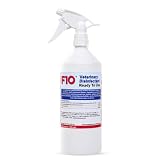
- READY TO USE DISINFECTANT: F10 Ready To Use Disinfectant is a pre-diluted veterinary disinfectant spray that requires no measuring or dilution. Simply apply directly to compatible hard surfaces for convenient daily hygiene.
- BROAD SPECTRUM VETERINARY DISINFECTANT: EPA registered formula designed to support effective control of bacteria, viruses, fungi, and spores as specified on the approved label. Ideal for professional animal care environments.
- MULTI PURPOSE PET & ANIMAL AREA CLEANER: Suitable as a kennel disinfectant, cage cleaner, terrarium disinfectant, bird cage cleaner, and animal habitat cleaner for veterinary practices, breeders, shelters, and pet owners.
- LONG LASTING SURFACE PROTECTION: F10 formula remains effective after application and air drying, helping maintain hygienic surfaces without requiring rinsing when used according to label directions.
- TRUSTED ANIMAL CARE FORMULA: Widely used by veterinary professionals, zoological institutions, reptile keepers, avian breeders, and exotic animal owners for routine hard surface disinfection and biosecurity.
Canine distemper
ASPCApro describes distemper as largely preventable by vaccination but still a serious, resource-intensive outbreak challenge for shelters. Daily rounds are how you spot both individual illness and the population-level pattern. Isolation release decisions belong with your veterinarian.
Independent reader supportYour contribution helps us test, update, and keep practical guides available for everyone.Where vaccination fits
Shelter guidance emphasizes vaccinating at or before intake and giving puppies repeat doses on schedule (ASPCApro, Vaccination Recommendations for Shelter Dogs). It helps, but protection depends on the pathogen and on timing. Canine influenza vaccination takes two doses, and the immune response is expected only some time after the second. Vaccines may reduce severity without preventing every infection, so vaccinated dogs still need the same separation and monitoring during an outbreak.
Sanitation that matches the pathogen
- Remove fecal matter before disinfecting.
- Choose a disinfectant suited to the suspected pathogen and follow its label directions. The guidance directs shelters to pathogen-specific disinfectant information, so don’t treat a generic household cleaner as a fix for every virus.
- Clean or dispose of exposed items according to your veterinarian’s advice.
- Reduce crowding and stress, which support control alongside cleaning.
Capacity, welfare and hard decisions
Outbreaks strain isolation space, staffing and treatment budgets. Ask your veterinarian about treatment and placement options, including appropriate clinic or foster care when feasible. Temporary intake limits may be needed in some situations. Drastic population-level actions are described in disease-specific guidance as rare and a last resort, and should only follow expert consultation.
Quick Recap
What to put in your written plan now
- A named outbreak lead and a veterinarian to call, with after-hours contact details.
- A way for any staff member or volunteer to report concerns, and a daily-rounds routine that records patterns.
- Designated isolation and quarantine areas, with traffic routes that keep clean and contaminated zones apart.
- A PPE and dedicated-equipment stock, with a handling order of healthy dogs first.
- Disinfectant choices and cleaning workflows agreed with your veterinarian.
- Vaccination protocols for intake and puppies, reviewed with your veterinarian as guidance changes.
- Rules for pausing or limiting intake, and for holding adoptions or transfers.
- Your local reportable-disease obligations and who files the report.
- A template for logging dog movements, exposures, test results and decisions.
Product prices and availability are accurate as of the date/time indicated and are subject to change. Any price and availability information displayed on Amazon at the time of purchase will apply.




