Quick wins for a faster PC:
Scan for outdated or missing drivers - takes under a minuteDriver Scan →Repair Windows errors before they cause bigger problemsFix Now →Dexmedetomidine is a prescription sedative given by intravenous infusion in a monitored clinical setting. In the United States, its labeled uses include sedation for certain adults in intensive care or during procedures, and sedation of children for non-invasive procedures under specified age limits. Because it can slow the heart rate or lower blood pressure, trained clinicians continuously monitor patients while it is being administered.
What is dexmedetomidine?
Dexmedetomidine is a medicine in a class called alpha-2 adrenergic receptor agonists. It produces sedation, but a patient may become more alert or respond when stimulated. The U.S. prescribing information says that arousal alone does not mean the medicine is not working.


What is dexmedetomidine used for?
U.S. prescribing information revised in 2026 describes these uses. The exact indication can vary by product, so the clinical team should check the current label for the specific formulation being used.
- Adults in intensive care: sedation of initially intubated and mechanically ventilated patients. For this indication, continuous infusion should not exceed 24 hours. The label says the infusion does not need to be stopped before extubation.
- Adults having procedures: sedation of non-intubated patients before and/or during surgical and other procedures.
- Pediatric patients having non-invasive procedures: sedation of non-intubated patients aged 1 month to under 18 years before and during these procedures, as described in a current U.S. label.
These labeled uses do not establish that dexmedetomidine is the right choice for every patient or procedure. The prescribing information does not provide a head-to-head comparison that would support ranking it against other sedatives.
#1 Best Overall
How is dexmedetomidine given?
Healthcare providers administer dexmedetomidine into a vein using a controlled infusion device. It is not a medicine for patients or caregivers to administer at home. The care team individualizes and adjusts the infusion according to the patient’s clinical response; dosing decisions belong to that team and the applicable product label.
Why does it require close monitoring?
The U.S. prescribing information, revised in 2026, says: “Continuously monitor patients while receiving dexmedetomidine injection.” Blood pressure, heart rate, and oxygen levels are monitored continuously during administration. Monitoring after the infusion ends is determined by the clinical team.
Rank #2
Administration is intended for healthcare providers skilled in managing patients in intensive-care or operating-room settings. Continuous monitoring allows clinicians to identify and respond to changes in circulation or breathing promptly.
What side effects and risks should patients and caregivers know about?
Changes in blood pressure and heart rate
Slow heart rate (bradycardia) and low blood pressure (hypotension) are important risks and may require medical intervention. Temporary high blood pressure can also occur, particularly with a loading dose. The label calls for caution in people with advanced heart block or severe ventricular dysfunction, and when dexmedetomidine is used with vasodilators or medicines that slow the heart rate.
Free tools Windows power users keep installed
One-click scans. No signup required.
Rank #3
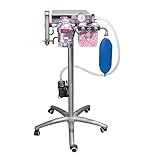
- Suitable for animals weighing up to 100kg: This versatile equipment is perfect for a variety of pets and other animals such as cats, dogs, monkeys, and pigs, ensuring safe and secure accommodation during procedures.
- High-quality Tec 3 ISO Vaporizer: Manufactured in the UK, this advanced vaporizer promises reliable performance for anesthesia delivery, offering veterinary professionals a trusted tool for effective animal care.
- Quick oxygen flush system: Designed to facilitate prompt intervention during surgeries, the quick oxygen flush feature provides critical support to animals, enhancing safety and ensuring a smooth recovery process.
- Clear inhalation and exhalation valves: The easy-to-view valves allow for accurate monitoring of an animal's respiratory function, ensuring that vets can keep a close eye on each patient's breathing for optimal safety.
- Scavenging and adjustable pressure limiting valve: This essential feature allows for efficient waste gas management and customizable pressure settings, delivering both performance and safety tailored to diverse veterinary needs.
Low blood pressure or a slow heart rate may be more pronounced in some patients, including older adults and people with low blood volume (hypovolemia), diabetes, or chronic high blood pressure.
Other reactions listed in U.S. prescribing information
For adults, the label identifies hypotension, bradycardia, and dry mouth as the most common adverse reactions, each with an incidence greater than 2%. For pediatric patients aged 1 month to under 17 years, bradypnea (slow breathing), bradycardia, hypertension, and hypotension are among the most common reactions, each with an incidence greater than 5%. These are label-reported thresholds, not comparisons with other sedatives and not a prediction of what will happen to an individual patient.
Rank #4
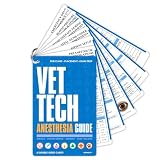
- 12 PAGES OF ANESTHESIA REFERENCE - 6 double-sided cards covering preanesthetic drugs, induction agents, airway setup, machine checklist, patient risk, vitals under anesthesia, monitoring, fluid therapy, arrhythmia management, anesthetic emergencies, and recovery.
- WATERPROOF PVC SCRUB POCKET SIZE - Each card is 3.5 x 5.5 inches. Wipe clean between procedures. Essential vet tech supplies and vet tech accessories for any surgery suite. Vet tech essentials and vet tech must haves for anesthesia rotations and exam prep.
- YOUR ANESTHESIA SAFETY NET - Flip to drug doses, monitoring parameters, or emergency protocols without leaving your patient. Built for vet tech students learning anesthesia, new graduates running their first solo cases, and experienced veterinary technicians training staff.
- EASY TO READ, ORGANIZED BY STAGE - Pre-op, induction, maintenance, monitoring, complications, and recovery each on their own card. Practical vet med accessories and veterinary technician supplies for surgical teams. Clear tables for quick reference during procedures.
- PERFECT VETERINARIAN GIFT - A practical gift for vet tech graduation or vet tech week. Great vet tech study materials for veterinary assistant training and vet med students. Veterinary technician supplies for clinic teams. Works alongside veterinary books and vet supplies.
Other medicines and longer infusions
Sedatives, hypnotics, opioids, and anesthetics can have stronger effects when combined with dexmedetomidine. The treating team needs to know about the patient’s full medication regimen.
With exposure lasting longer than 24 hours, the label notes possible tolerance, tachyphylaxis (a reduced response over time), and a dose-related increase in adverse events. This is distinct from the adult intensive-care indication, for which continuous infusion is not to exceed 24 hours.
Best Value
Who may need additional consideration?
The label advises considering dose reduction for geriatric patients and adults with hepatic impairment. This is a decision for the treating clinicians; the general information here cannot determine an individual dose or treatment plan.
Patients and caregivers can help by sharing relevant health conditions and all medicines with the care team, and by asking which product label and monitoring plan apply. For an individual decision, rely on the treating clinicians and the current prescribing information for the specific product.
Quick Recap
Product prices and availability are accurate as of the date/time indicated and are subject to change. Any price and availability information displayed on Amazon at the time of purchase will apply.




