A Brooklyn couple who were unsure they wanted a cat tried fostering first, took in a mother cat and three ten-day-old kittens through Flatbush Cats, and ended up adopting two of the kittens, Mandolin and Viola. Their story, published by Cats.com on June 4, 2026 and written by Katelynn Sobus, is one family’s experience, not a guide to how every foster placement goes. It is still a useful model for anyone who wants to test cat ownership before committing to it.
Why they chose fostering over adopting outright
According to Cats.com’s account, the couple was not sure they wanted a cat at all. The husband associated cats with a messy home, and neither partner knew whether they would enjoy daily cat care or could commit to a pet for the long term. Fostering offered a way to find out without making a permanent decision on the first day. A foster placement is temporary by design, so the household can see what the routine involves before deciding whether to keep an animal.


How the first placement started
The couple worked with Flatbush Cats, a rescue in Brooklyn. Cats.com reports that their first placement was a mother cat and three kittens, each about ten days old. The article describes a rescue history in which the mother was first trapped for a trap-neuter-return program. When the rescue team noticed she was nursing, they went back for her kittens, and the mother and all three kittens then came to the couple’s home. This sequence is the article’s own account; it is not independently verified rescue history.
Very young kittens at that age need close, frequent care, and the article notes that the family had numerous veterinary appointments during the placement. Cats.com does not list the specific medical treatments or schedules involved, so readers should not assume a typical timeline from this one case.
#1 Best Overall
What the family learned about each kitten
The couple’s descriptions of their two adopted kittens are the family’s own observations as reported in the article, not general claims about cats:
- Mandolin is described as adventurous, vocal, and clingy.
- Viola is described as more serious and selective about attention, with bursts of energetic play.
The mother cat and the other kitten found homes with other families, according to the article.
The husband’s change of heart
The most striking part of the story is the shift in the husband’s attitude. Quoting the couple, Cats.com reports that the wife said, “Cat dad was not all the way on board with adopting.” After the adoption, she described the change this way: “The moment he walks into the house, he runs to them, not me.” She added, “They wiggled their way into his heart.” These are the wife’s words about her husband; the article does not name her or give a professional title, so they are best read as one family’s personal account.
How to start fostering yourself
Cats.com’s practical invitation is simple: contact a local animal shelter or cat rescue and ask about fostering. The article also points out that adult and senior cats need foster homes too, and that some of these cats need only basic everyday care. That matters for first-time fosterers, because a calm adult cat may be a gentler start than a litter of very young kittens.
What’s actually slowing this PC down?
Pick the symptom - the matching free tool is one click away.
The article does not give foster eligibility rules, costs, supply lists, or veterinary instructions. Those details vary by organization, so the steps below are a practical way to prepare for the conversation rather than a list of requirements.
- Search for a local shelter or cat rescue and confirm it runs a foster program.
- Ask which cats need foster homes right now, including adults and seniors, not only kittens.
- Ask what the rescue provides (food, litter, medications, supplies) and what you are expected to cover.
- Ask how veterinary care is arranged, who pays for it, and what the rescue expects you to do between visits.
- Ask how long placements usually last and what happens if you decide to adopt the cat or cannot continue fostering.
A carrier is worth having for vet visits
The couple’s placement involved many veterinary appointments, so a secure cat carrier is a reasonable item to have on hand. The article does not say the family used a particular carrier, and this is an editorial suggestion rather than a product they tested or endorsed. When you choose one, look for a size that fits the cat you will actually transport, a secure closure, ventilation, a surface that is easy to clean, and a handle or straps that make it comfortable to carry.
Rank #4
What this story does and does not show
This account shows that fostering can change a household’s view of cats, at least for one couple. It does not show that every foster placement ends in adoption, that fostering will settle every concern about pet ownership, or that any particular rescue will work the same way. Cats.com does not provide a survey or population statistic for the outcomes of fostering, so the story is best read as a single example. The clearest takeaway is the practical one: if you are unsure about cats, a foster placement lets you learn what daily care involves before you commit.
For the first step, the article’s own question applies: want to foster a cat? Start with a local animal shelter or cat rescue.
Free tools Windows power users keep installed
One-click scans. No signup required.
Quick Recap
Best Value
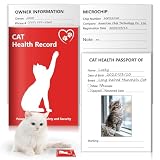
- 1.You’ll Get:When you choose our cat vaccines records tracker, you'll receive one notebook.This 12-page Kitty health journal has 8 dedicated pages for tracking your pup’s health, vet visits, and key details, with 4 blank pages at the end for jotting down extra notes, pet cat-related info, or anything else you want to record.
- 2.Ideal Size for Record Keeping:Each cat vaccine record book measures 5x3.5 inches folded; 5x7 inches unfolded, allowing for easy portability and storage.These handy health records notebook for cats with double sided printing, featuring enough space for all your pets important information,plus, it has dedicated spots for sticking on vaccine stickers and adding cute kitten photos.They offer a stylish and organized approach to pet health documentation, a must have addition to your pet supplies.
- 3.Premium Quality: The cat health record tracker’s cover features 300gsm coated paper with vibrant full-color printing and a protective laminate finish. Inside, 80gsm high-quality offset paper pages are durable and ink-resistant, ensuring no bleeding from pens or markers—so your records stay neat and easy to read.
- 4.Essential for cat owners: This kitten health record book is designed for vet clinics & owners. Track key health info (vaccines, exams, treatments) easily. When you’re away, pet sitters/family can quickly check medical history for seamless care. Kitten record book with photo, vital signs & ID sections, it helps in emergencies—even if your kitten gets lost.
- 5.Effortlessly Track Vaccinations and More:The cat canine health record booklets pages include:owner and cat information,medical history and hospitalizations,vaccination record and sticker,cat service providers,fecal examinations and de-worming,heartworm screening, prevention and treatment etc.This record keeping tool will ensure every important detail is accounted for and make this task easy, organized, and straightforward.Add this essential tool to your pet supplies for a happier, healthier pet.
“
Product prices and availability are accurate as of the date/time indicated and are subject to change. Any price and availability information displayed on Amazon at the time of purchase will apply.




