A hole’s diameter alone is not enough to identify what is digging in your yard. Check its shape, nearby soil, tunnels, tracks, droppings, plant damage, and timing to distinguish animals that are feeding from those excavating a den. Identify the likely cause before using traps, pesticides, or exclusion measures.
Before filling a hole, photograph and document it. An occupied burrow may run beneath a structure or contain young, so do not seal it until you have established whether it is active.
Start by documenting the hole
- Measure the opening at its widest point. Record whether it is round, oval, cone-shaped, or part of a tunnel.
- Photograph the hole and surrounding soil before filling or disturbing it. Include a ruler or familiar object for scale.
- Look for associated evidence: a mound, fan, or plug of soil; raised tunnels or surface runways; freshly turned soil or claw marks; tracks, droppings, fur, feathers, or food remains; and gnaw marks on bark, roots, bulbs, or branches.
- Check nearby features. Note whether the hole is near a wall, patio, steps, foundation, fence, compost, food sources, or dense vegetation.
- Check the timing. If damage appears overnight or you never see the animal, a motion-activated trail camera can help show which animal uses the site and when.
Yard-hole identification guide
| What you see | Likely cause | Clues to confirm it |
|---|---|---|
| Scattered, shallow dead-end holes resembling golf divots | Skunk, raccoon, or gray squirrel | Skunks commonly leave cone-shaped holes or patches of overturned soil while searching for grubs and insects. More holes may appear in spring from squirrels and in fall from skunks or raccoons. |
| Sod peeled back like carpet, with dead or dying grass beneath | Raccoon, skunk, crow, or mole feeding where white grubs are abundant | Lift about 1 square foot of turf and inspect the top 2–4 inches of soil for C-shaped white larvae with brown heads and legs. Heavy grub damage can make sod lift easily. |
| Raised, shallow winding ridges or circular soil mounds | Mole | Molehills are circular mounds around a vertical shaft; raised surface tunnels are another strong clue. Moles eat earthworms, grubs, and other insects—not plant roots. |
| Crisscrossing runways about 1½–2 inches wide, clipped grass, small openings, or bark gnawing | Vole | Look for grass clippings, rice-shaped droppings, and irregular gnaw marks near tree bases. Voles may also make roughly 1-inch holes when reaching bulbs or tubers. |
| Fan-shaped mound with a plugged opening | Pocket gopher | Pocket gophers work mainly underground. Their fan-shaped mounds and sealed openings are more reliable evidence than a direct sighting. |
| Clean, open hole about 2 inches wide with little or no mound | Chipmunk | Entrances are often beside a wall, patio, steps, or foundation. Chipmunks carry excavated soil away in their cheek pouches, so there may be no visible mound. |
| Large entrance about 10–12 inches wide, with a conspicuous mound | Woodchuck, also called a groundhog | The burrow often starts near a foundation, fence row, stone wall, tree, or brush and descends steeply before narrowing. |
| Burrow about 2 inches or more wide near garbage, pet food, bird feeders, compost, low vegetation, or concrete | Norway rat | Look for droppings, gnawing, greasy rub marks, and activity after dark. Norway rats commonly nest in ground burrows and beneath concrete slabs. |
| Tiny openings about ⅛ inch wide with small conical mounds | Cornfield ants | These holes are often in thin or bare grass during spring or summer, with small brown ants nearby. |
| Several holes about 2 inches wide in a sunny, well-drained area | Cicada killers or yellowjackets | Cicada-killer entrances commonly have a noticeable soil mound; yellowjacket entrances generally do not. Cicada killers are large black-and-yellow wasps active in mid-to-late summer. |
How to tell the common look-alikes apart
Moles versus voles
Moles create raised tunnels and molehills while feeding on soil invertebrates. Voles leave surface runways, clipped vegetation, small burrow openings, and gnaw marks on bark. Voles may use existing mole tunnels, so mole-like ridges alongside plant damage do not necessarily mean moles caused the damage.
Clipped grass, disappearing bulbs, or bark girdling near the soil line point more toward voles than moles.
Quick wins for a faster PC:
Clear out junk files and repair common Windows errorsFree Scan →Scan for outdated or missing drivers - takes under a minuteDriver Scan →#1 Best Overall
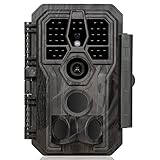
- 64MP Photos & 1296P HD Videos: Equipped with a high-quality optical lens and advanced image sensor, the E5S captures ultra-sharp 64MP photos and smooth 1296P HD videos.
- Low-Power, Eco-Friendly Wildlife Viewing: Simply retrieve the SD card to see what your camera has captured—each visit could bring a new surprise. Non-Cellular and Non-WiFi operation ensures minimal power use, fewer battery changes, and zero disturbances.
- Rugged & Weather-Resistant: Built to withstand harsh outdoor conditions with an IP66 waterproof rating. Features a 1/4"-20 mounting thread for secure placement on trees, posts, or fences. Ideal for use as a durable trail camera.
- Fast 0.1s Trigger Speed with 3 PIR Sensors: Never miss fast-moving deer wildlife. Three PIR sensors enable a lightning-fast 0.1s trigger speed motion activation, perfect for hunting purposes.
- Extended Power Options & Efficient Design: Powered by 8×AA batteries (not included). For continuous outdoor use, the E5S supports the GardePro SP350 Solar Panel (sold separately), ensuring reliable power even in remote areas.
Skunks versus raccoons
Skunks commonly make individual cone-shaped holes or small patches of overturned soil while hunting grubs. Raccoons may make shallow divots but are more likely to roll back or tear up recently installed sod. Both may be responding to grubs, so inspect the soil before assuming the animal is the primary problem.
Chipmunks versus rats and mice
A chipmunk entrance is often a clean, open hole with little displaced soil, located near cover or a structure. Rat and mouse burrows are more likely to be associated with droppings, gnawing, food sources, dense vegetation, or debris. Rat burrows are generally at least about 2 inches across; mouse holes are smaller.
Rank #2

- 𝐍𝐎𝐓𝐄: 𝐢𝐭 𝐢𝐬 𝐍𝐎𝐓 𝐜𝐨𝐦𝐩𝐚𝐭𝐢𝐛𝐥𝐞 𝐰𝐢𝐭𝐡 𝐡𝐨𝐦𝐞 𝐖𝐢𝐅𝐢, 𝐝𝐨𝐞𝐬 𝐍𝐎𝐓 𝐬𝐮𝐩𝐩𝐨𝐫𝐭 𝐜𝐞𝐥𝐥𝐮𝐥𝐚𝐫/𝟒𝐆/𝟓𝐆 𝐧𝐞𝐭𝐰𝐨𝐫𝐤𝐬, and 𝐝𝐨𝐞𝐬 𝐍𝐎𝐓 capable of real-time motion alerts or push notifications. The camera creates its own short-range Wi-Fi hotspot (𝐍𝐨𝐧-𝐂𝐞𝐥𝐥𝐮𝐥𝐚𝐫) for setup, and downloading files only. Wi-Fi range is up to 33–50 ft in open areas. The camera records automatically even when your phone is not connected. No subscription or monthly fees
- Upgraded Split Solar Panel Design: This trail camera features a Allows flexible placement design. Its angle can be manually adjusted to efficiently face the sun, regardless of seasonal changes or terrain. This greatly improves charging efficiency and minimizes sunlight blockage, making it suitable for all kinds of outdoor environments (32GB SD card included (pre-installed). No extra charge)
- Non-Stop Solar Power: Equipped with a high-capacity 6000mAh rechargeable power, this trail camera supports three charging modes: solar charging, Type-C charging, and rechargeable power. It allows for long-term continuous use. No more wasting money or climbing. It is the truly energy saving, and long-lasting solution for 24/7 backyard, farm, and deep-woods surveillance
- Easy & Smart App Control : This wifi trail camera pairs instantly via WiFi + Bluetooth with the user friendly “TrailCamGO” app, with a maximum connection range of 55FT (recommended within 10FT). Photos and videos can be send directly to your phone without removing the SD card. (As the wireless trail camera creates its own hotspot to connect with the phone, it does not support home Wi-Fi networks.)
- 4K & 64MP Ultra-Clear Imaging: With a high-resolution sensor and excellent low-light performance, this solar trail camera minimizes image and video blur or noise, enabling quick wildlife recognition and capturing every detail clearly.Ideal for birdwatching, spotting wildlife, and keeping an eye on your garden/home
Check the lawn for grubs before blaming an animal
Skunks, raccoons, crows, and sometimes moles may be searching for white grubs rather than excavating a permanent den. If patches of sod lift easily, inspect the upper 2–4 inches of soil for C-shaped, white larvae with brown heads and legs.
Confirm whether grubs are present before assuming the animal is the primary problem. An animal may be responding to a food source, and hole patterns alone may not identify the cause.
Recommended Free Tools
Rank #3
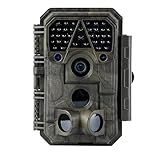
- Crystal-Clear 64MP Photos & 1296p HD Video – Stunning detail day or night, thanks to advanced image tech and a high-performance f/1.6 aperture lens.
- Lightning-Fast 0.1s Trigger Speed – Never miss a moment! Side sensors detect motion instantly, even for fast-moving wildlife, deer.
- Bright 100ft No-Glow Night Vision – Invisible 940nm LEDs and enhanced light capture deliver sharp nighttime footage without spooking animals.
- Smaller Files, Faster Playback – H.264 tech compresses videos (MP4/MOV) for quick downloads and seamless viewing on any device.
- 2.4" Color Display + User-Friendly Controls – Review footage on the spot with an intuitive menu and easy-access buttons.
Use a camera when the evidence is unclear
A motion-activated trail camera can help identify an unknown animal and determine when it uses the area. Aim it to capture the hole and surrounding ground, and check whether pets are triggering it.
When a hole may not be from an animal
A sudden, large, deep, expanding, or apparently bottomless hole may indicate soil subsidence or a sinkhole rather than wildlife activity. Do not approach or enter it; contact the relevant local emergency, utility, geological, or municipal authority. Surface appearance alone may not reveal the cause.
Rank #4

- 【Ultra-clear Photos and Videos】36MP Still Images & 2.7K Videos. Thanks to premium optical lens and an advanced image sensor, and built-in 22Pcs 850nm low glow LEDs, this trail camera provides crystal clear images and amazing smooth 2.7K videos with sound in the daytime, low light or nighttime, combined with noise reduction speaker and 2.0” HD TFT Color Screen, which takes you into the world of wildlife.(This camera does not include an SD card.)
- 【Super Night Vision & Low Glow Infrared LEDs】The trail camera is equipped with powerful low glow infrared LEDs, features upgraded 850nm infrared technology, makes this game camera more stealth, which can show the night behavior of animals without disturbing them, encompasses adaptive illumination technology to avoid overexposure or over-dimmed, which can provide clear night images and videos in total darkness, delivers brilliant night vision up to 75ft.
- 【Fast 0.1s Trigger Time &130°Wide Angle】Once movements are detected, the lightning-fast trigger speed of less than 0.1s with 1 to 3 shots choice guarantees fast and accurate capture of each detected motion exposed to the field, never miss any animals that wander by this camera. 130° detection range to give you an expansive field view, indispensable for hunting, wildlife observation, farm monitoring, home backyard, plant growth observation, property security and surveillance.
- 【Easier Setup Than Ever】This hunting camera features a built-in 2.0-inch color screen and TV remote-style control buttons. No Wi-Fi or app is needed; the intuitive and easy-to-use interface allows for quick setup and instant playback, making it suitable for users of all ages. The included mounting strap and stand allow you to stabilize the camera in various scenes and at any angle. A comprehensive user guide helps you quickly get started using this hunting camera.
- 【IP66 Waterproof】KJK201 is designed to withstand extreme environments, thanks to the tightly integrated design of the camera body and high-quality rubber ring, ensuring that works normally from -22 °F to 158 °F, excellent quality can be used in deserts, rainforests, etc. The efficient PIR design works to reduce false triggers, boasting an impressive 17,000-image battery life! The smaller size makes them easier to conceal from theft/vandalism, and also much easier to carry out into the field.
Common claims that are wrong or misleading
- “Every mound is a molehill.” Pocket gophers, ants, cicada killers, and other animals also produce mounds. Raised tunnels and molehills are stronger clues for moles.
- “Moles eat plant roots.” Moles primarily eat grubs, earthworms, and other insects. Voles are a more likely cause of clipped grass runways or bark-girdling damage.
- “A 2-inch hole proves it is a chipmunk.” Chipmunks commonly make entrances that size, but cicada killers and yellowjackets can also make openings of about 2 inches.
- “Treat the animal first.” Raccoons, skunks, crows, and moles may be responding to white grubs. Check for grubs before assuming the animal is the primary problem.
- “Fill every hole immediately.” First establish whether it is active, whether it runs beneath a structure, and whether a wildlife den may contain young. Sealing an occupied burrow can trap animals inside.
FAQ
What animal makes small holes all over the lawn?
Skunks, raccoons, and gray squirrels can make scattered, shallow holes while feeding. Skunks commonly leave cone-shaped holes or overturned soil; raccoons are more likely to pull back recently installed sod. Check for grubs and consider a trail camera if the animal is unclear.
How can I tell if a hole is from a mole or a vole?
Moles create raised ridges, shallow tunnels, and circular molehills. Voles leave surface runways, clipped grass, small openings, droppings, and gnaw marks on bark or roots. Plant damage is more characteristic of voles.
What’s actually slowing this PC down?
Pick the symptom - the matching free tool is one click away.
Best Value
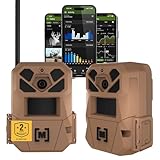
- HARVEST MORE BUCKS THIS SEASON - EDGE 3 delivers real-time deer activity, movement patterns, and location intelligence—so you know when and where mature bucks are moving instead of hunting on hope.
- AI BUCK DETECTION + INSTANT ALERTS - Moultrie AI identifies bucks and immediately delivers high-resolution photos or HD video—reducing false alerts and helping you act fast when it matters most.
- NATIONWIDE 4-CARRIER AUTO-CONNECT - Automatically connects to the strongest of four major U.S. networks. No SIM cards. No manual setup. Reliable photo and video delivery—even in remote hunting properties.
- 40MP PHOTOS + 1080p HD VIDEO - Capture crisp, detailed images and lifelike HD video. Low-glow infrared flash keeps nighttime shots clear without spooking deer.
- 0.5-SECOND TRIGGER + 100FT RANGE - Fast trigger speed and long detection range ensure moving deer are captured cleanly—no blur, no missed opportunities.
Should I fill a hole in my yard immediately?
No. First determine whether it is active, connected to a structure, or could be a den with young. Sealing an occupied burrow can trap animals inside.
When should I get help with a yard hole?
Keep clear of a sudden, large, deep, expanding, or apparently bottomless hole and contact the relevant local emergency, utility, geological, or municipal authority. A hole’s surface appearance alone may not reveal whether it is an animal burrow or subsidence.
Quick Recap
Product prices and availability are accurate as of the date/time indicated and are subject to change. Any price and availability information displayed on Amazon at the time of purchase will apply.




